


The Maidan protests provide us with insights into Ukrainian society and the dynamics of mobilisation more generally. Based on the EuroMaidan Protest Participant Survey, on-site rapid interviews wit...
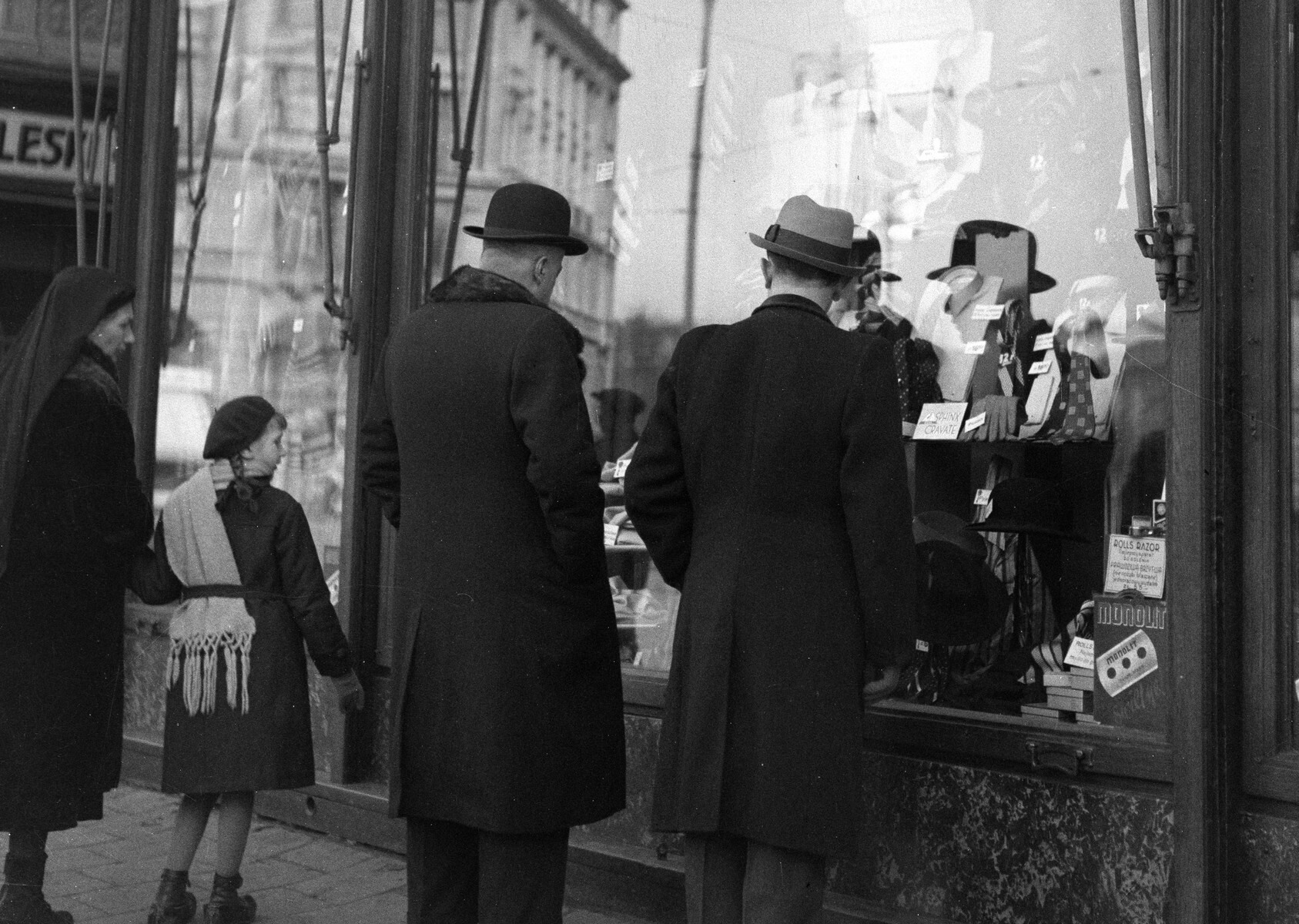
Interview: Forms of participation in the protest | Urban Media Archive
Forms of participation in the protest | UMA - visual, audiovisual and audio resources that show the city and tell about the urban life of Central and Eastern Europe of the XIX-XXI centuries
En Europe, 20 ans d'activisme extra-parlementaire de l’extrême droite
À travers le projet de recherche européen de l’Observatoire des protestations d’extrême droite en Europe (FARPO), Caterina Froio et Pietro Castelli Gattinara, chercheurs en sciences politiques,

Find Protests Near You - Updated Daily | find a protest
Find protests and solidarity events near you — updated daily. Discover local rallies, vigils, teach-ins and justice actions happening this week and weekend.
Ukrainians protest Zelenskyy’s ouster of his popular defense minister
President Volodymyr Zelenskyy shook up his wartime government, drawing thousands into the streets across Ukraine to protest the dismissal of his youthful defense minister, Mykhailo Fedorov.
Prairieland, USA to Filton, UK, does protest now mean terrorism?
From the US to the UK, counter-terror laws are being used to crush political dissent and protect state interests, write Zahra Farooque and David Chmielewski.

Immigrants’ Participation in Protests
This resource provides information so that immigrants can know their rights, understand the risks of protests, and feel empowered to participate.

A Model of Protests, Revolution, and Information
A collective action or revolt succeeds only if sufficiently many people participate. We study how potential revolutionaries’ ability to coordinate is affected by what they learn from different sources. We first examine how people learn about the likelihood of a revolution’s success by talking to those around themselves, which can either work in favor or against the success of an uprising, depending on the prior beliefs of the agents, the homogeneity of preferences in the population, and the number of contacts. We extend the analysis by examining the effects of homophily on learning: people are more likely to meet others who have similar preferences, undercutting learning. We introduce variants of our model to discuss other ways of learning about the support for a revolution. We discuss why holding mass protests before a revolt provides more informative signals of people’s willingness to actively participate than other less costly forms of communication (e.g., via social media). We also show how outcomes of revolutions in one region can inform citizens of another region and thus trigger (or discourage) neighboring revolutions. We also discuss the role of governments in avoiding revolutions and learning about their citizens’ concerns; in particular, by observing the strength of protests and counter-protests.

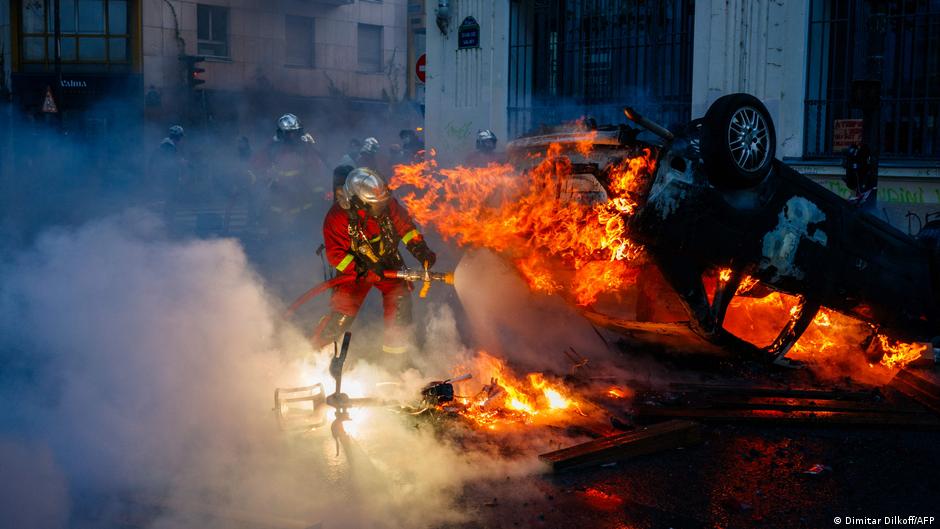
France: Police and protesters clash in nationwide protests
Unrest broke out in parts of France as students, trade unionists and Yellow Vest activists took to the streets to protest high prices and inequality. Police arrested over 1,000 people amid chaotic scenes.
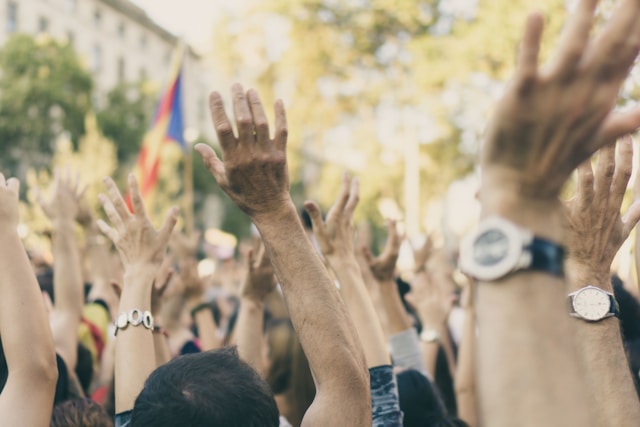
When protests normalize intolerance: The hidden costs of far-right demonstrations
Large crowds expressing xenophobic views publicly can signal that such beliefs are socially acceptable or mainstream, influencing others to think this behavior is normal
Culture of the Confrontation, Maxim Dondyuk's photography
Ukrainian revolution brought new spirit, changed people & their minds, they became one organism that fight with a great passion and intensity for happy future.

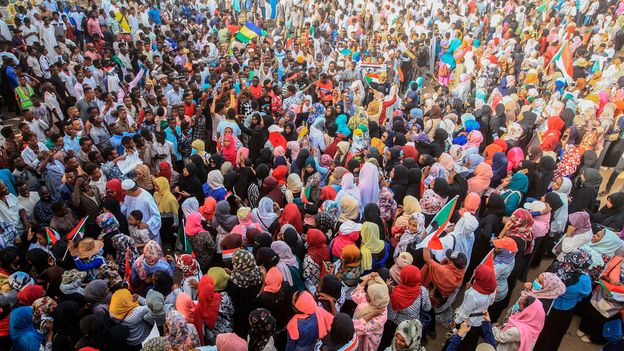
The '3.5% rule': How a small minority can change the world
Nonviolent protests are twice as likely to succeed as armed conflicts – and those engaging a threshold of 3.5% of the population have never failed to bring about change.
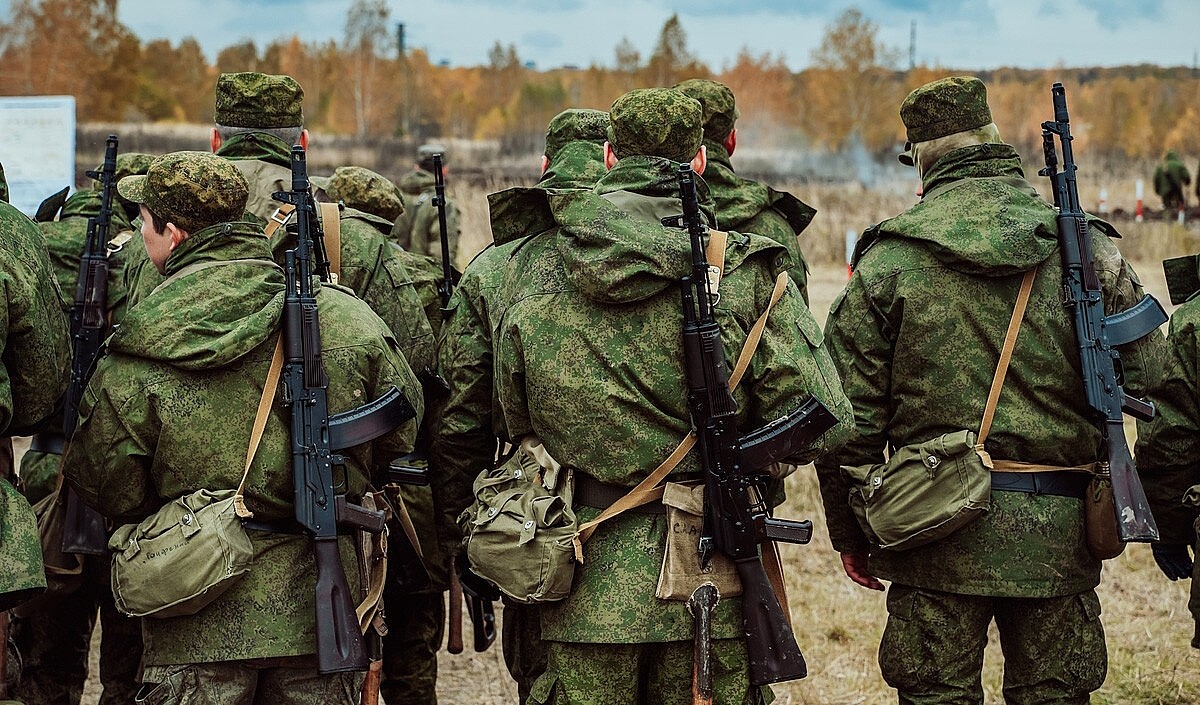
The war in Ukraine as an example of the problematic nature of the effective use of mobilized civilians
The war in Ukraine has underscored not only the strategic and military differences between professional soldiers and mobilized civilians but also the complex…
How to fight hate: New Humanist’s Autumn 2026 issue is out now
With race riots on the rise and the populist right gaining traction, we ask how the UK can push back

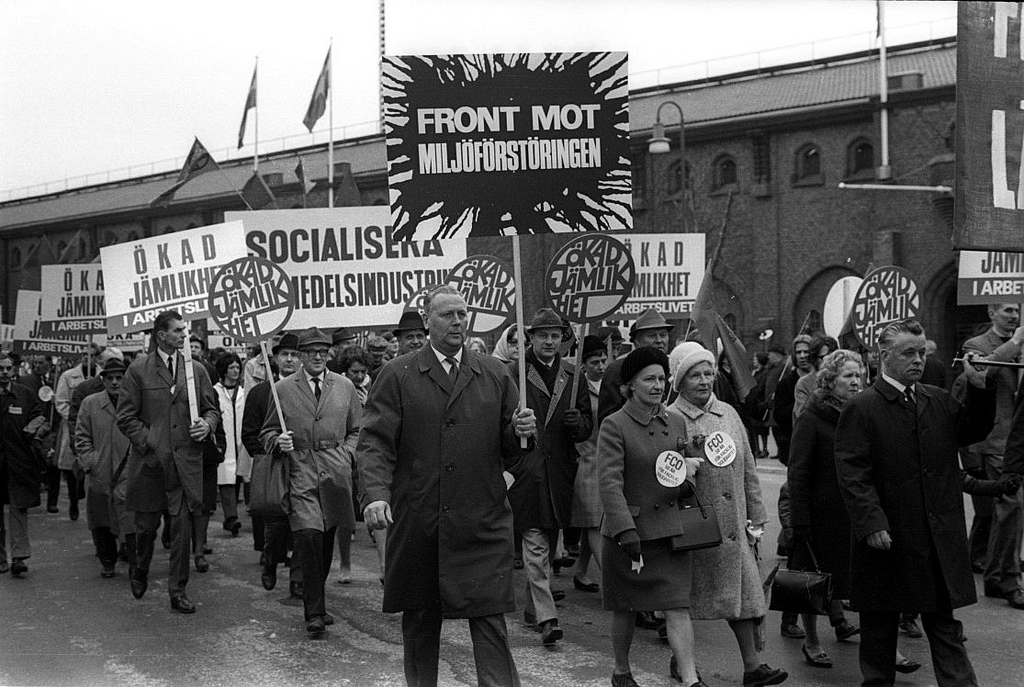
Revisiting the Meidner Plan
In the 1970s, the Swedish labor movement developed a plan to gradually socialize ownership. What can we learn from it today?
The Ukrainian Night: An Intimate History of Revolution. By Marci Shore. New Haven: Yale University Press, 2017. xxiv, 290 pp. Notes. Glossary. Maps. $26.00, hard bound.
//static.cambridge.org/content/id/urn%3Acambridge.org%3Aid%3Aarticle%3AS0037677918003200/resource/name/firstPage-S0037677918003200a.jpg

When Riot Cops Are Not Enough
In When Riot Cops Are Not Enough, sociologist Mike King examines the policing, and broader political repression, of the Occupy Oakland movement. King’s active and daily participation in that movement provides a unique insider perspective to illustrate how the Oakland police and city administrators lost the ability to effectively control the movement.
