


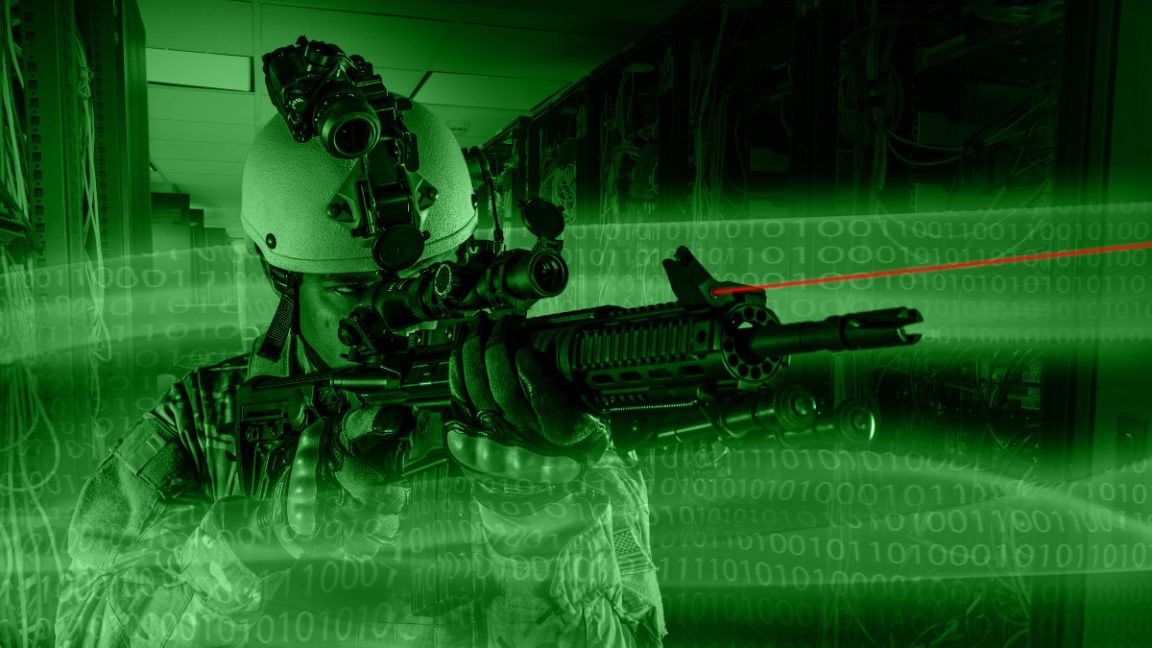
Autonomous Weapons Systems (AWS) are being developed around the world to improve national security both externally and internally. But allowing machines – incapable of recognizing the inherent wort...
In Ukraine, a New Arsenal of Killer A.I. Drones Is Being Born
As the war grinds on, sophisticated Russian defenses have pushed Ukraine to develop a frightening new weapon: semiautonomous killing machines.

Responsible use of AI in the military? US publishes declaration outlining principles
12 "best practices" for using AI and autonomous systems emphasize human accountability.
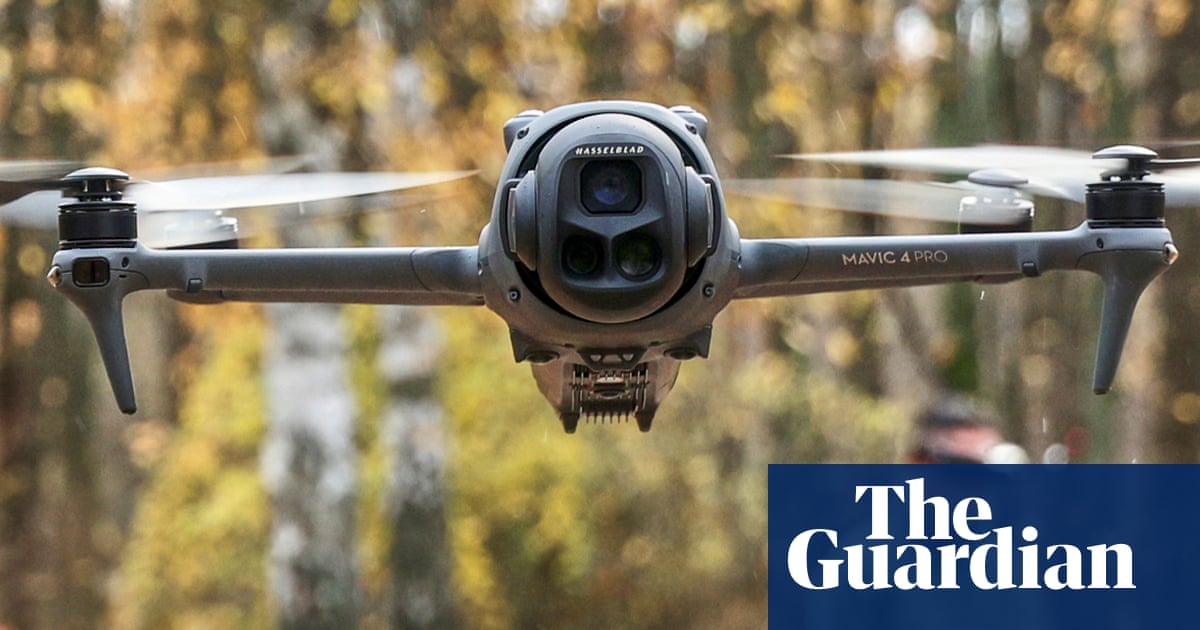
Russia’s FPV drone campaign in Ukraine institutionalizes intentional civilian harm as a tool of war
Russia's use of FPV drones to strike civilian targets in Ukraine indicates a culture seeking to weaponize civilian harm as a tool of war.

Ukrainian computer game-style drone attack system goes ‘viral’
System rewards soldiers who achieve strikes with points that can be used to buy more weapons in an online store
The shifting battlefield: technology, tactics, and the risk of blurring lines in warfare - Humanitarian Law & Policy Blog
The accelerating integration of emerging technologies into armed conflict is transforming not only the tools of war, but its tactics, geography, participants and impact. Technological developments – from commercial drones to artificial intelligence, electronic warfare to the military use of civilian infrastructure – risk undermining boundaries between military and civilian domains. These changes challenge long-held...
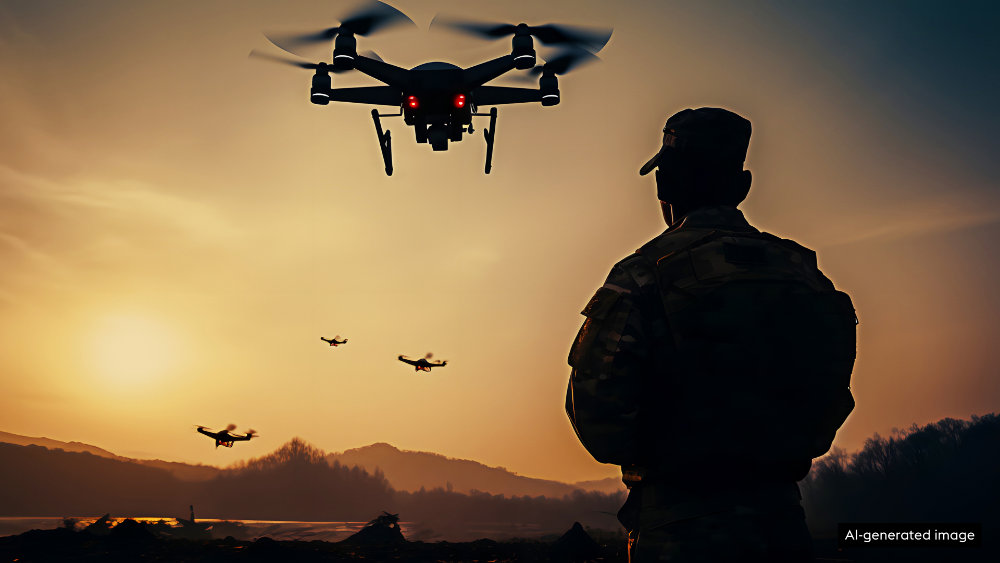
How Cartels are Adopting Drone Tactics from Ukraine
This article explores how FPV drone tactics, foreign volunteer forces, and transnational criminal networks reshape global security.

Recent Developments in Drone Threats to Humanitarians
The threat of drones to humanitarians is a rising concern. High-profile incidents—such as the fatal multiple-strike attack on an aid convoy in Gaza in April 2024—have made this dynamic an even greater priority for risk managers.Global data on this emerging threat is currently defined by the rapid increase and volume of drone attacks perpetrated by Russian forces in Ukraine, and to a lesser extent, Israeli Defense Forces (IDF). In other contexts, like Sudan, Iraq, and Syria, governments are also the primary perpetrators of drone incidents. Nonetheless, the list of drone operators in complex humanitarian settings has increased and diversified since 2022, particularly among organised armed groups (OAGs), driving further interest within the humanitarian community.

Above the law: Drones, aerial vision and the law of armed conflict – a socio-technical approach
Shiri Krebs is Professor of Law and ARC DECRA Fellow, Deakin University, Geel
Securing internal systems against increasingly capable and imperfectly aligned AI
Discover our AI Control Roadmap: a defense-in-depth system to securely manage advanced, potentially misaligned AI agents.

IronClaw: Unleash Your AI Agent, With Peace of Mind
IronClaw: Unleash Your AI Agent, With Peace of Mind. The open-source secure runtime that runs AI agents in encrypted enclaves on NEAR AI Cloud.

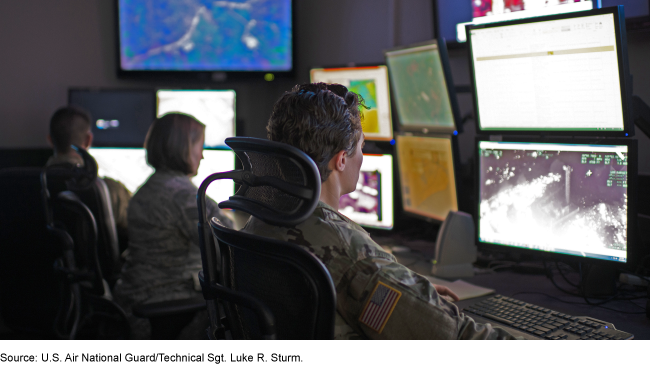
Defense Intelligence: Comprehensive Plan Needed to Improve Stakeholder Engagement in the Development of New Military Intelligence System
Intelligence collected on foreign militaries is critical for the U.S. military. The Defense Intelligence Agency's database for this intelligence doesn...
How AI-powered policing is endangering the public’s trust in police
Growing concerns about police use of AI could erode the public’s perception of trust in the legal system.

How AI-powered policing is endangering the public’s trust in police
Growing concerns about police use of AI could erode the public’s perception of trust in the legal system.
Responsible AI
Discover how AWS is committing to developing AI responsibly – to built trust, promote the safe development of AI, and act as a force for good.
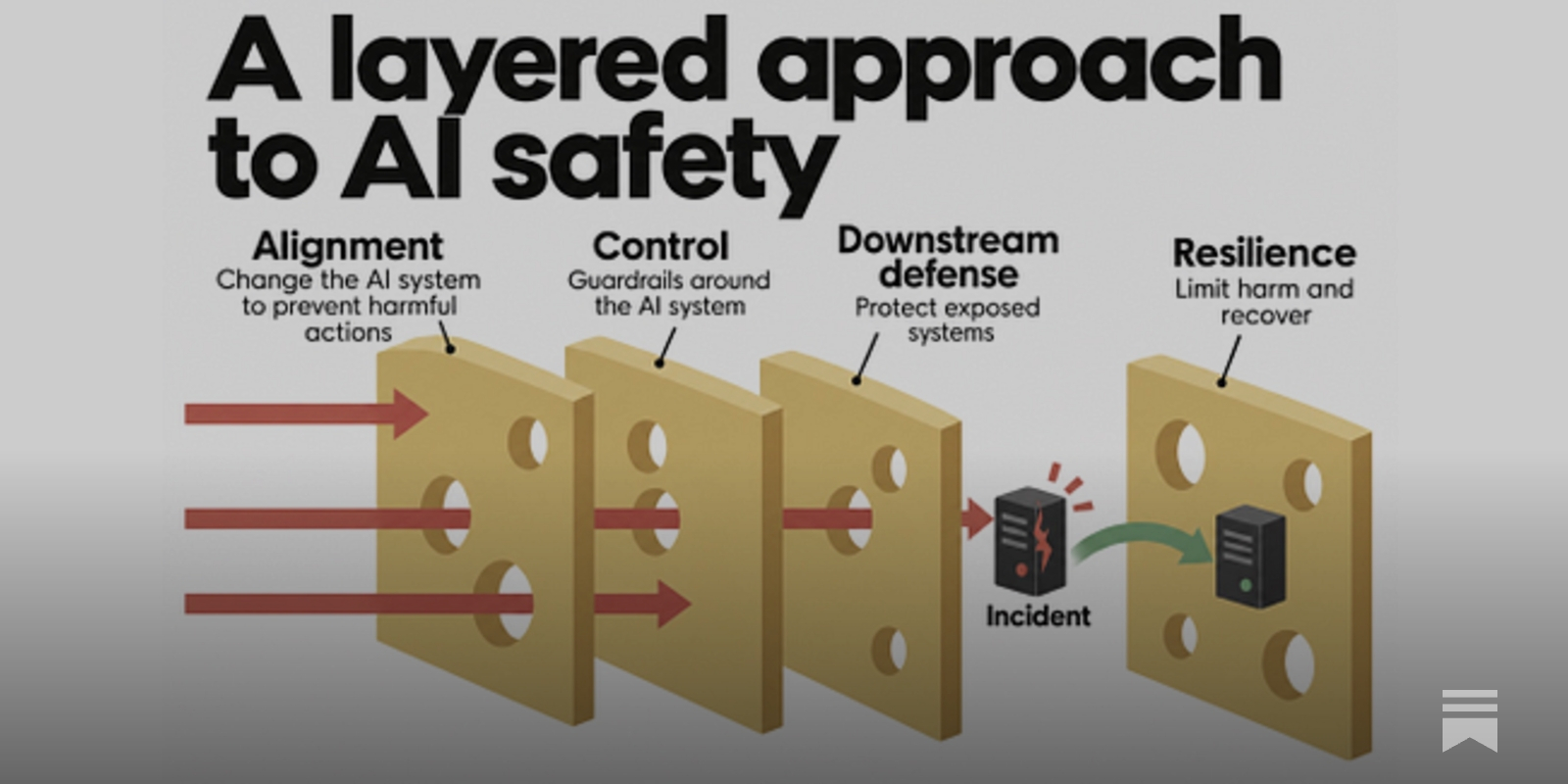
The AI-as-Normal-Technology view of loss of control incidents
A middle ground between the cybersecurity and AI safety communities
Where to even begin. Anthropic wants to "apply centuries of human moral wisdom to its models, as rapidly as possible," via crash courses with hand-picked religious thinkers. Why was one of the Jewish representatives an Israeli scholar who's defended autonomous weapons for armies and police?
