It seems that we’ve had a rash of formerly loved internet services going down the enshittification curve. As coined (brilliantly) by Cory Doctorow, enshittification is the process by which a compan…
Cory Doctorow at CF 25: How Enshittification Conquered the 21st Century and How We Can Overthrow It
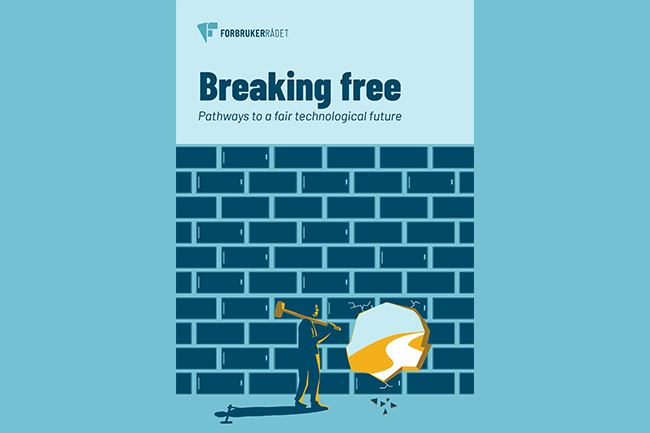
Digital products and services are getting worse – but the trend can be reversed
A new report from the Norwegian Consumer Council shows how enshittification affects both consumers and society at large. Luckily, it‘s possible to turn the tide.
‘The Internet Sucks.’ Cory Doctorow Tells How to Fix It | The Tyee
The digital savant on ‘enshittification,’ how ‘twiddlers’ secretly rip us off, powering down Big Tech and more. A Tyee interview.

Enshittification Arises from Enclosure: Open Protocols refuse both - Identity Woman
I am posting this on the first full day of Decentralized Web Camp on July 9th, 2026. TLDR: Infographic! Doctorow named what we’re all feeling Cory Doctorow gave us the word: enshittification and a description of a pattern that keeps happening. His original framing, from his January 2023 Pluralistic post: “First, they are good to […]

Pluralistic: The enshittification multiverse (27 Apr 2026) – Pluralistic: Daily links from Cory Doctorow
It's official: you have my consent and enthusiastic blessing to apply "enshittification" to things that aren't digital platforms! Semantic drift is good, actually:
Worse on Purpose
Investigative essays on corporate enshittification — how the brands you trusted made everything worse on purpose, and who profits when they do.

Pluralistic: The web is bearable with RSS (07 Mar 2026) – Pluralistic: Daily links from Cory Doctorow
Never let them tell you that enshittification was a mystery. Enshittification isn't downstream of the "iron laws of economics" or an unrealistic demand by "consumers" to get stuff for free.
Pluralistic: Understaffing as a form of enshittification (23 Mar 2026) – Pluralistic: Daily links from Cory Doctorow
At root, enshittification can only take place when companies can move value around. Digital tools make it easier than ever to do this, for example, by changing prices on a per-user, per-session basis, using commercial surveillance data to predict the highest price or lowest wage a user will accept:
Beware online "filter bubbles" | Eli Pariser
Beneath The Enshittification, Something Amazing Is Growing
Last month Terry Godier published a great essay on his website about “the boring internet,” discussing how the internet that many of us grew up with, the wonderful, empowering, exciting…

“CEO said a thing!”
A blistering guide to what lazy journalism too often looks like
Pluralistic: Tiktok’s enshittification (21 Jan 2023) – Pluralistic: Daily links from Cory Doctorow
Here is how platforms die: first, they are good to their users; then they abuse their users to make things better for their business customers; finally, they abuse those business customers to claw back all the value for themselves. Then, they die.
Internet for the People: The Fight for Our Digital Future
"For all the informational convenience the internet offers, it is deeply flawed. How can it be improved? Writer Ben Tarnoff proposes one possibility in this intriguing book, which urges the development of 'a public lane on the information superhighway.' It's worth checking out for yourself." – Seth MacFarlane Why is the internet so broken, and what could ever possibly fix it? In Internet for the People, leading tech writer Ben Tarnoff offers an answer. The internet is broken, he argues, because it is owned by private firms and run for profit. Google annihilates your privacy and Facebook amplifies right-wing propaganda because it is profitable to do so. But the internet wasn't always like this—it had to be remade for the purposes of profit maximization, through a years-long process of privatization that turned a small research network into a powerhouse of global capitalism. Tarnoff tells the story of the privatization that made the modern internet, and which set in motion the crises that consume it today. The solution to those crises is straightforward: deprivatize the internet. Deprivatization aims at creating an internet where people, and not profit, rule. It calls for shrinking the space of the market and diminishing the power of the profit motive. It calls for abolishing the walled gardens of Google, Facebook, and the other giants that dominate our digital lives and developing publicly and cooperatively owned alternatives that encode real democratic control. To build a better internet, we need to change how it is owned and organized. Not with an eye towards making markets work better, but towards making them less dominant. Not in order to create a more competitive or more rule-bound version of privatization, but to overturn it. Otherwise, a small number of executives and investors will continue to make choices on everyone’s behalf, and these choices will remain tightly bound by the demands of the market. It's time to demand an internet by, and for, the people now.
Internet for the People: The Fight for Our Digital Future
"For all the informational convenience the internet offers, it is deeply flawed. How can it be improved? Writer Ben Tarnoff proposes one possibility in this intriguing book, which urges the development of 'a public lane on the information superhighway.' It's worth checking out for yourself." – Seth MacFarlane Why is the internet so broken, and what could ever possibly fix it? In Internet for the People, leading tech writer Ben Tarnoff offers an answer. The internet is broken, he argues, because it is owned by private firms and run for profit. Google annihilates your privacy and Facebook amplifies right-wing propaganda because it is profitable to do so. But the internet wasn't always like this—it had to be remade for the purposes of profit maximization, through a years-long process of privatization that turned a small research network into a powerhouse of global capitalism. Tarnoff tells the story of the privatization that made the modern internet, and which set in motion the crises that consume it today. The solution to those crises is straightforward: deprivatize the internet. Deprivatization aims at creating an internet where people, and not profit, rule. It calls for shrinking the space of the market and diminishing the power of the profit motive. It calls for abolishing the walled gardens of Google, Facebook, and the other giants that dominate our digital lives and developing publicly and cooperatively owned alternatives that encode real democratic control. To build a better internet, we need to change how it is owned and organized. Not with an eye towards making markets work better, but towards making them less dominant. Not in order to create a more competitive or more rule-bound version of privatization, but to overturn it. Otherwise, a small number of executives and investors will continue to make choices on everyone’s behalf, and these choices will remain tightly bound by the demands of the market. It's time to demand an internet by, and for, the people now.
Can software platforms reverse enshittification?
Alex Komoroske and Sam Arbesman on the next ten years in tech

Custodians of the Internet
A revealing and gripping investigation into how social media platforms police what we post online—and the large societal impact of these decisions Most use...