


As the demand for data labeling exploded, an economic catastrophe turned Venezuela into ground zero for a new model of labor exploitation.
Economists Say Newest AI Technology Destroys More Jobs Than It Creates - Slashdot
HughPickens.com writes: Claire Cain Miller notes at the NY Times that economists long argued that, just as buggy-makers gave way to car factories, technology used to create as many jobs as it destroyed. But now there is deep uncertainty about whether the pattern will continue, as two trends are inte...

Inside the Economy of AI Spammers Getting Rich By Exploiting Disasters and Misery
How AI spammers monetized the LA fires and other natural disasters.

Will AI Destroy the Economy? (According to Economists: No.) | AI Reality Check | Cal Newport
Technological Disruption in the US Labor Market • The Aspen Institute Economic Strategy Group
DAVID DEMING, CHRISTOPHER ONG, LAWRENCE H. SUMMERS This paper explores past episodes of technological disruption in the US labor market, with the goal of learning lessons about the likely future impact of artificial intelligence (AI). The authors measure changes in the structure of the US labor market going back over a century in two ways. ...

Risk of ‘industrial capture’ looms over AI revolution
A handful of individuals and corporations now control much of the resources and knowledge in the sector

Apocalypse Now and Then • EQUATOR
Artificial intelligence is capitalism’s final destination

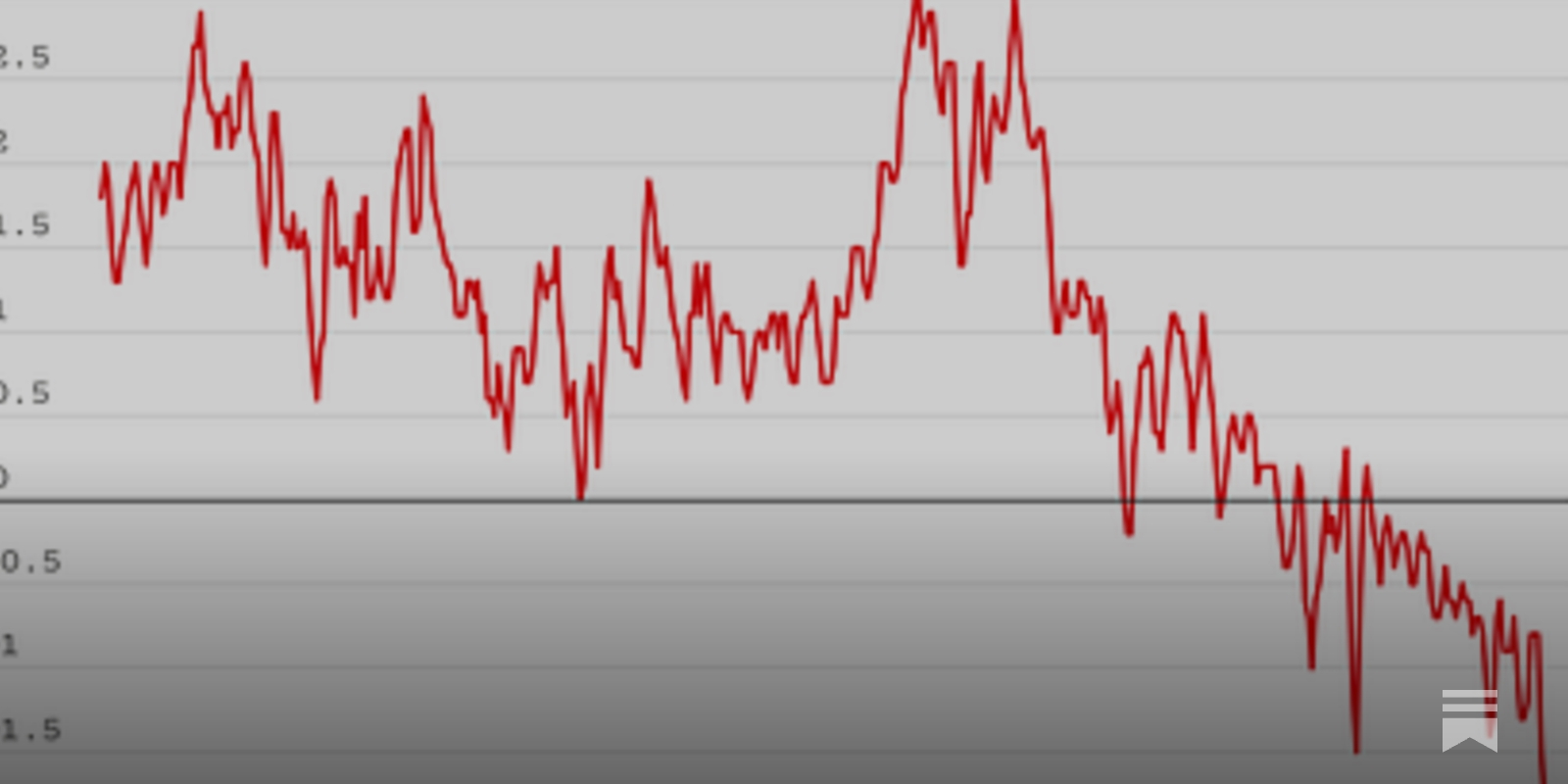
AI is becoming a disaster for the climate
Two new studies reveal the exploding carbon emissions of the AI industry, while Silicon Valley pushes to kill communities’ means of protesting data centers and the impacts on human health mount.
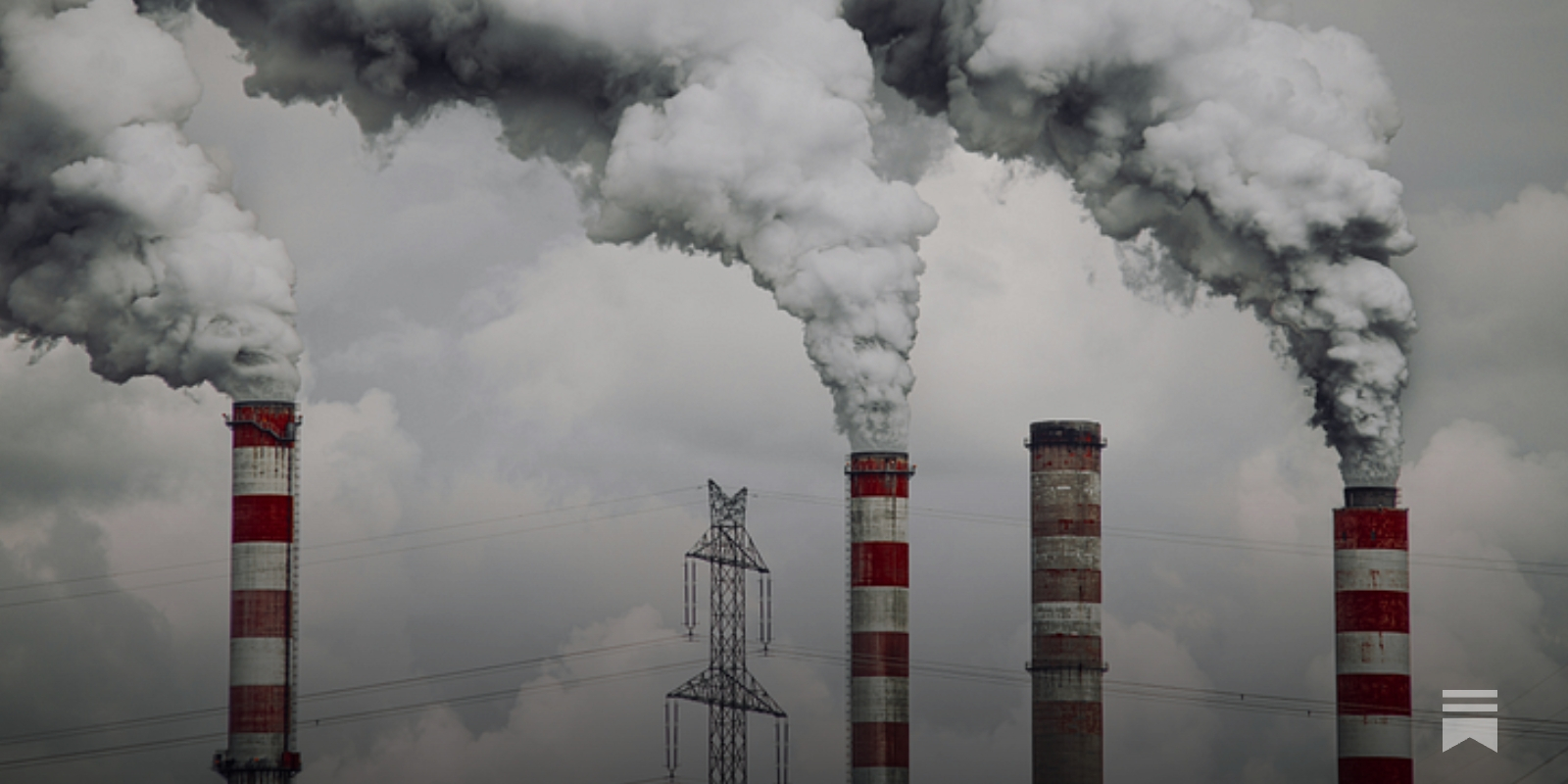
Digital Labor Platforms as Infrastructure of Extractivism
This chapter examines how digital platforms, as infrastructures of extractivism in contemporary artificial intelligence, enable corporations to appropriate data and labour while concentrating value in core regions such as Silicon Valley. It proposes platform extractivism as a framework linking commodification, epistemic dominance, and reproduction through territory. Drawing on digital labour studies, Latin American critical thought, and mixed-methods research with Venezuelan and Colombian data workers, the chapter discusses how AI depends on precarious platform labour to produce, clean, annotate, and maintain data. It further shows how annotation systems normalize culturally specific categories, especially US norms, as universal knowledge, reproducing colonial hierarchies. Finally, it highlights how data work is sustained by unpaid reproductive labour, community networks, and material conditions that make workers available for platform labour. Platform extractivism thus reveals AI as a labour-intensive and territorially embedded political-economic system under capitalism that perpetuates legacies of coloniality.

Import AI 452: Scaling laws for cyberwar; rising tides of AI automation; and a puzzle over gDP forecasting
How much could AI revolutionize the economy?

Drowning in Slop
A thriving underground economy is clogging the internet with AI garbage — and it’s only going to get worse.

An AI job boom? Here’s what the tedious, temporary work in data labelling is actually like
Interviews with data workers in China and Australia reveal the precarious, exploitative conditions of this new branch of the gig economy.

An AI job boom? Here’s what the tedious, temporary work in data labelling is actually like
Interviews with data workers in China and Australia reveal the precarious, exploitative conditions of this new branch of the gig economy.
Divergent Futures in a Damaged Territory: The Rise of Data Centers and Water Conflicts in Santiago de Chile
As promises surrounding artificial intelligence (AI) and data-driven decision-making increasingly shape debates on innovation and technological development in Chile, data centers have emerged as cr...

The fall of the theorem economy
How AI could destroy mathematics and barely touch it

New from us: Anthropic just published scenarios for AI’s possible economic impacts, which range from minimal, to explosive GDP growth of 15% by 2030 as knowledge-worker unemployment hits 18%. I sat down with their co-founder Jack Clark to pick his brains on how they’re thinking about all of this.
