


The emissions from individual AI text, image, and video queries seem small—until you add up what the industry isn’t tracking and consider where it’s heading next.
AI’s energy usage is less than previously thought | Waterloo News
Contrary to popular belief, new research finds that the use of artificial intelligence has a minimal effect on global greenhouse gas emissions and may actually benefit the environment and the

AI’s climate impact is much smaller than many feared
New findings challenge the widespread belief that AI is an environmental villain. By analyzing U.S. economic data and AI usage across industries, researchers discovered that AI’s energy consumption—while significant locally—barely registers at national or global scales. Even more surprising, AI could help accelerate green technologies rather than hinder them.

Will AI really consume more electricity than the US produces? - Poynter
President Trump said AI could need nearly twice the nation’s electricity, but credible projections put its future share at no more than 25%
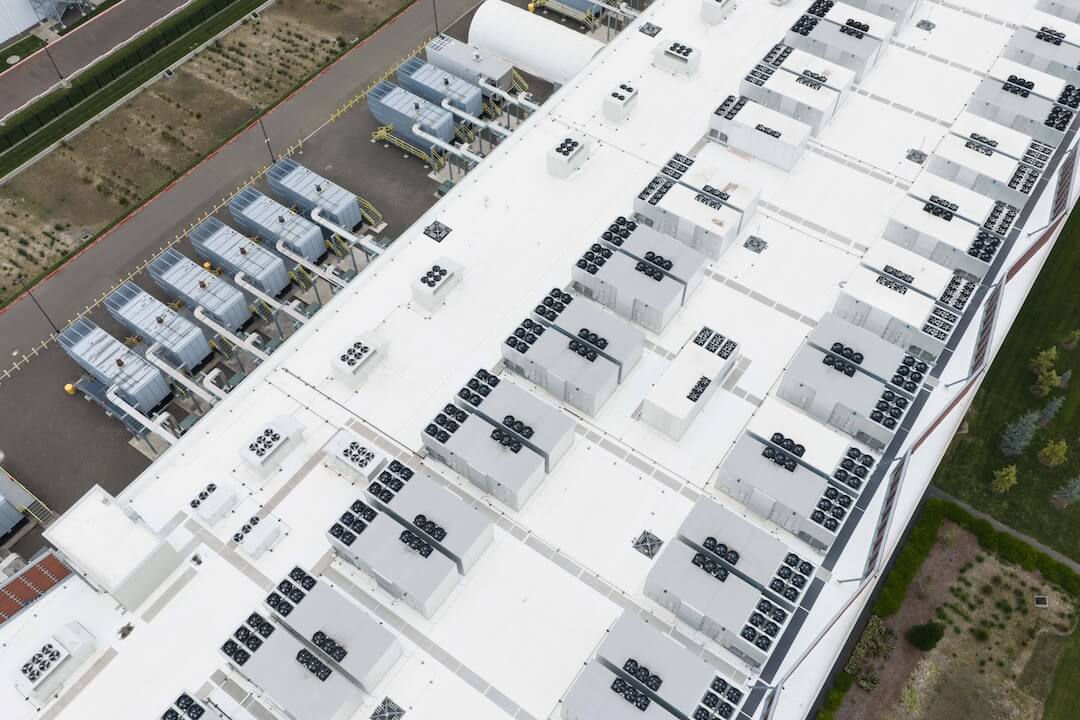
Environmental Cost of Artificial Intelligence: Carbon, Water, and Land Footprints
AI’s rapid growth drives huge energy, water, and land use, raising environmental and equity challenges across its global infrastructure.
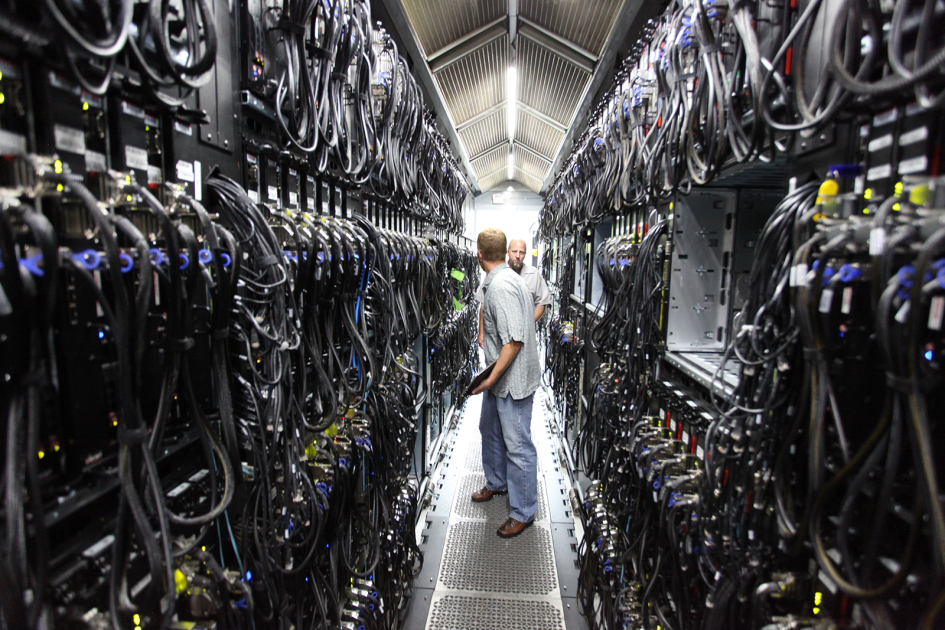
Environmental Cost of Artificial Intelligence: Carbon, Water, and Land Footprints
AI’s rapid growth drives huge energy, water, and land use, raising environmental and equity challenges across its global infrastructure.
Google’s exponential path to climate-wrecking digital bloat
Google’s latest report reveals a completely unprecedented rise in energy consumption – more than any of us expected. Generative AI is a climate carbon bomb.

How much of a problem is AI’s water use?
AI’s water footprint is growing, but location and cooling technology make a difference.

New estimate of AI e-waste - VU Amsterdam
In new research, data scientist Alex de Vries-Gao estimates that AI servers could generate 131–224.8 kilotonnes of e-waste per year by 2030.

AI E-Waste May be 40 to 60 Times What Has Been Estimated, New Analysis Finds — Basel Action Network
First-of-its-kind full-infrastructure analysis by Basel Action Network projects 395 to 617 million tonnes of AI-driven electronic equipment could be retired between 2025 and 2050. If packed into shipping containers and placed end to end, they would circle the Earth about six times.

AI E-Waste May be 40 to 60 Times What Has Been Estimated, New Analysis Finds
Email from Basel Action Network First-of-its-kind full-infrastructure analysis by Basel Action Network projects 395 to 617 million tonnes of AI-driven electronic equipment could be retired between 202

AI E-Waste May be 40 to 60 Times What Has Been Estimated, New Analysis Finds
Email from Basel Action Network First-of-its-kind full-infrastructure analysis by Basel Action Network projects 395 to 617 million tonnes of AI-driven electronic equipment could be retired between 202
Visualising AI spending: How does it compare with history’s mega projects?
AI spending is projected to reach $2.5 trillion in 2026, surpassing the largest scientific and infrastructure projects.

Inside the AI Index: 12 Takeaways from the 2026 Report | Stanford HAI
The annual report reveals a field hitting breakthrough capabilities while raising urgent questions about environmental costs, transparency, and who benefits from the technology.

Quantifying the Carbon Emissions of Machine Learning
From an environmental standpoint, there are a few crucial aspects of training a neural network that have a major impact on the quantity of carbon that it emits. These factors include: the location of the server used for training and the energy grid that it uses, the length of the training procedure, and even the make and model of hardware on which the training takes place. In order to approximate these emissions, we present our Machine Learning Emissions Calculator, a tool for our community to better understand the environmental impact of training ML models. We accompany this tool with an explanation of the factors cited above, as well as concrete actions that individual practitioners and organizations can take to mitigate their carbon emissions.

Air Pollution and the Public Health Costs of AI
A new study by Caltech and UC Riverside uncovers the hidden toll that AI exacts on health throughout its lifecycle, from chip manufacturing to data center operation.

The Often Overlooked Water Footprint of AI Models
… and what that means for individuals, newsrooms, and journalists