


An investigation into how AI is enriching a powerful few by dispossessing communities that have been dispossessed before.
Artificial intelligence is creating a new colonial world order
An MIT Technology Review series investigates how AI is enriching a powerful few by dispossessing communities that have been dispossessed before.
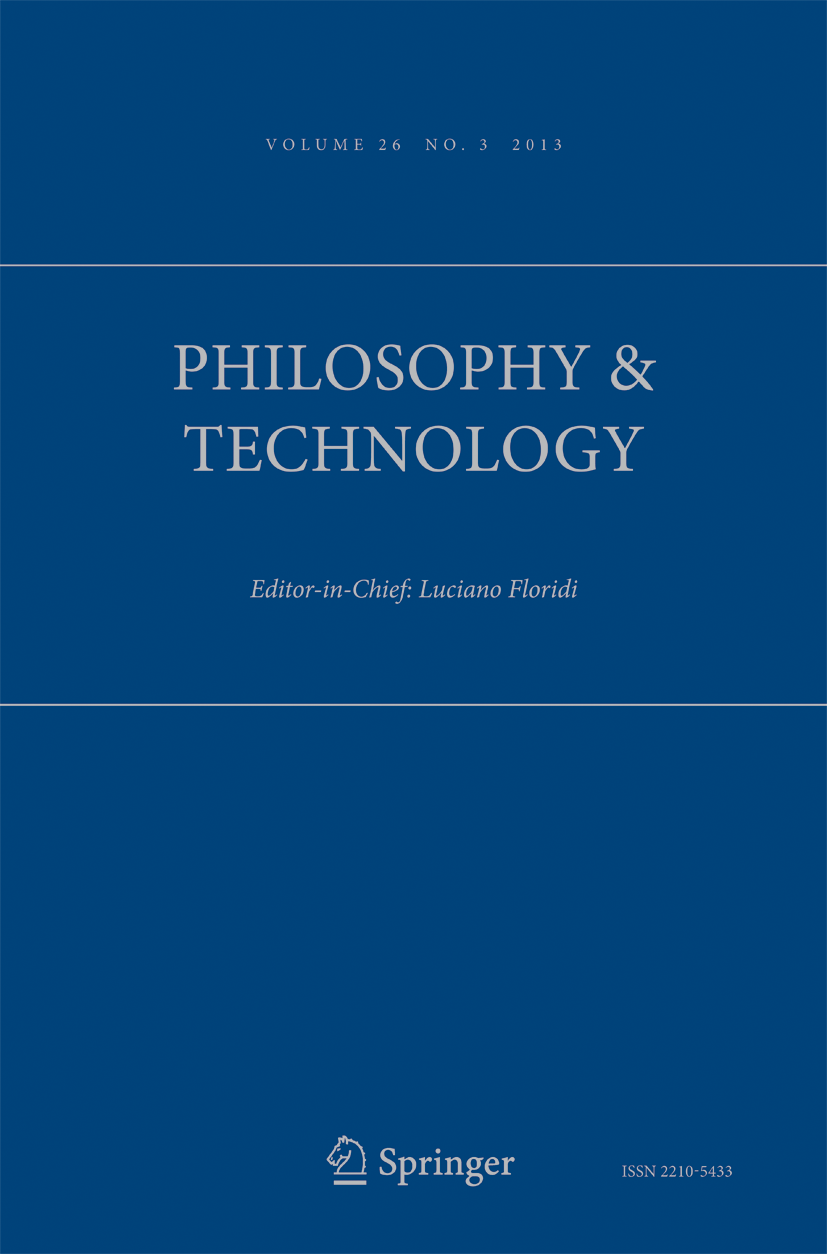
Artificial Intelligence in the Colonial Matrix of Power
Drawing on the analytic of the “colonial matrix of power” developed by Aníbal Quijano within the Latin American modernity/coloniality research program, this article theorises how a system of coloniality underpins the structuring logic of artificial intelligence (AI) systems. We develop a framework for critiquing the regimes of global labour exploitation and knowledge extraction that are rendered invisible through discourses of the purported universality and objectivity of AI. Through bringing the political economy literature on AI production into conversation with scholarly work on decolonial AI and the modernity/coloniality research program, we advance three main arguments. First, the global economic and political power imbalances in AI production are inextricably linked to the continuities of historical colonialism, constituting the colonial supply chain of AI. Second, this is produced through an international division of digital labour that extracts value from majority world labour for the benefit of Western technology companies. Third, this perpetuates hegemonic knowledge production through Western values and knowledge that marginalises non-Western alternatives within AI’s production and limits the possibilities for decolonising AI. By locating the production of AI systems within the colonial matrix of power, we contribute to critical and decolonial literature on the legacies of colonialism in AI and the hierarchies of power and extraction that shape the development of AI today.
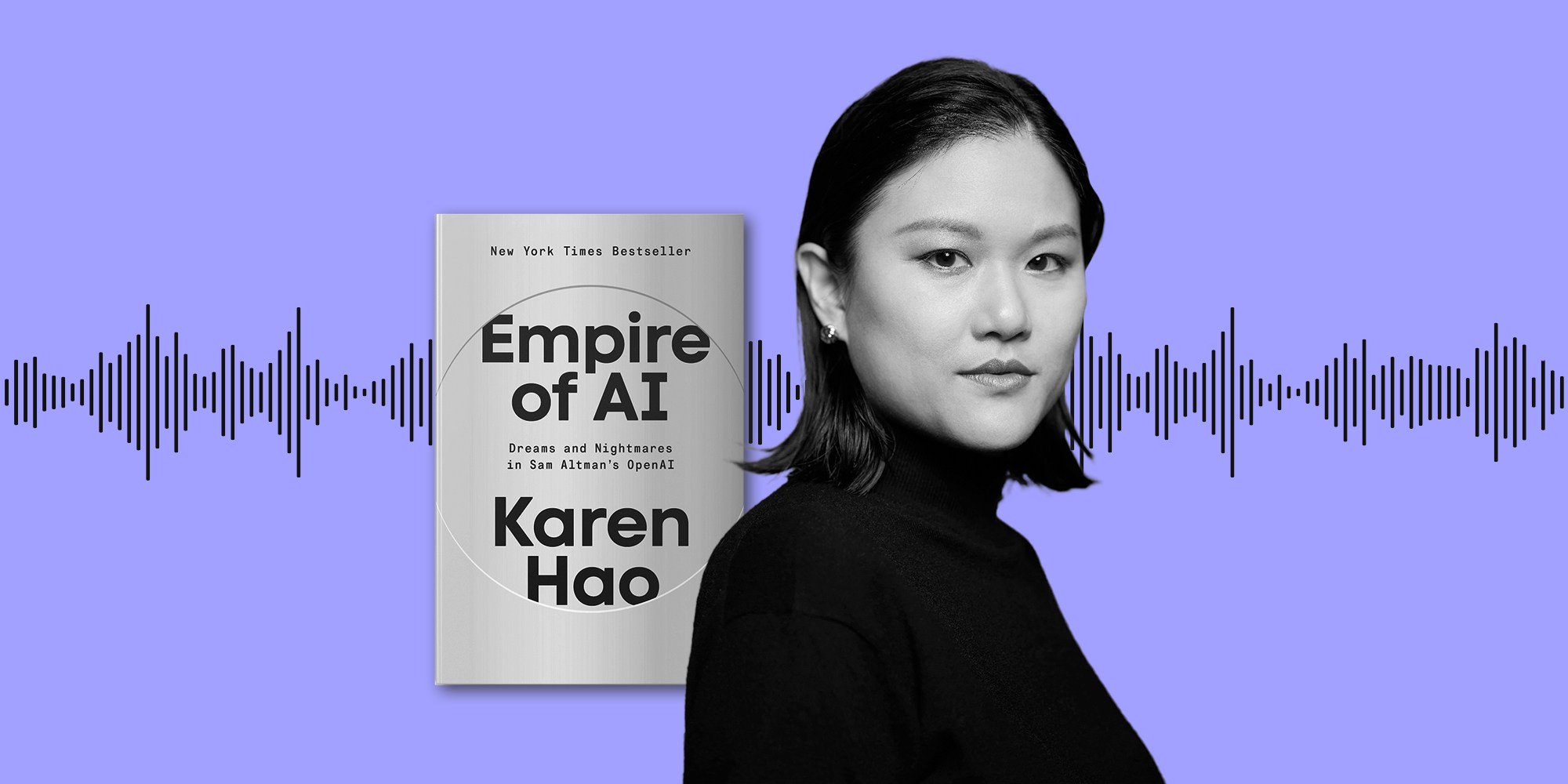
AI’s Imperial Agenda
“Empire of AI” author Karen Hao on how Silicon Valley’s young AI companies parallel colonial empires of old.
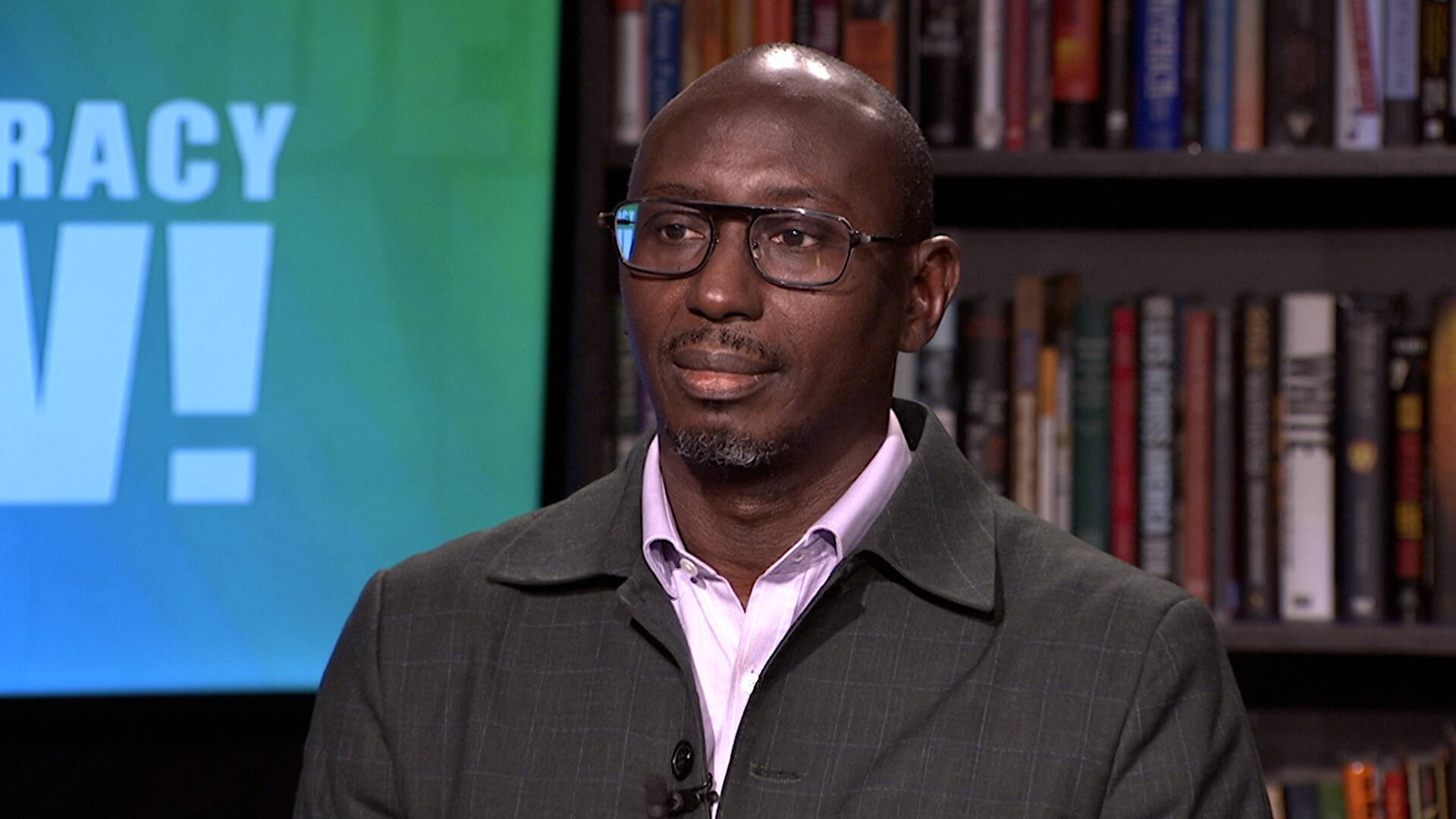
“Colonial AI”: African Countries Seek Tech Sovereignty But Fear a New Digital Colonialism
Seydina Moussa Ndiaye is a member of the Global Partnership on Artificial Intelligence, working on a strategy with the African Union to address the risks and benefits of AI for the continent. African countries face the threat of “colonial AI,” says Ndiaye. “When we talk about colonialism historically, that involves the control of resources, the control of knowledge and the control of terms of exchange, and we see that in Africa when we talk about AI.”
3: Consulting the Record: AI Consistently Fails the Public - AI Now Institute
Amid the excitement over AI’s (speculative, hypothetical) potential, we have lost sight of the sobering reality of its present and recent past. AI is already intermediating critical social infrastructures, materially reshaping our institutions in ways that ratchet up inequality and concentrate power in the hands of the already powerful. It is consistently deployed in ways […]

Technology Colonialism
Technology companies today are increasingly colonial in their actions. This can be seen in the veneer of sovereignty they seek to cultivate, how they work across borders, their use of dominant culture as a weapon, and the clear belief that “superior” technology is a suitable excuse for lawlessness, exploitation and even violence.

Inescapable AI — TechTonic Justice
The use of artificial intelligence, or AI, by governments, landlords, employers, and other powerful private interests restricts the opportunities of low-income people in every basic aspect of life: at home, at work, in school, at government offices, and within families. AI technologies derive from a lineage of automation and algorithms that have been in use for decades with established patterns of harm to low-income communities. As such, now is a critical moment to take stock and correct course before AI of any level of technical sophistication becomes entrenched as a legitimate way to make key decisions about the people society marginalizes.

The Scaling Era: An Oral History of AI, 2019–2025
An inside view of the AI revolution, from the people an…

Realizing the Potential of AI Localism
With national innovation strategies focused primarily on achieving dominance in artificial intelligence, the problem of actually…

The Age of Wonders and Terrors
Twenty years ago, when the idea of AI taking over the world in our lifetimes still struck most of us as the unconstrained fantasy of those who knew too much science fiction and too little science, …

The AI series: AI and Surveillance Capitalism
AI experts Camille Francois and Meredith Whittaker discuss how to break up Big Tech and build a safe and ethical AI.

Collaborators, Not Colonizers: Designing a Future for AI & Automation That We Can Live With
Part I: Automation & the Dissolution of Culture

AI, Ethics, and Society — Home
On the Death of Amazon’s Writing Culture
How AI has turned what was once a superpower into a liability.

The Same Old Fantasies Behind AI and New Technology
A review of Adam Becker, “More Everything Forever: AI Overlords, Space Empires, and Silicon Valley’s Crusade to Control the Fate of Humanity” (Basic Books, 2025).

NEW BOOK: Why AI Undermines Democracy and What to Do about It
Mark Coeckelbergh's "Why AI Undermines Democracy and What to Do about It" offers a philosophical critique of AI's impact on democratic principles. The book argues that the concentration of power in tech companies and governmental use of AI pose risks to democracy, potentially leading to digital totalitarianism. While light on novel solutions, it provides a concise overview of common concerns in AI ethics literature and calls for increased democratic input in AI design and global governance. The book serves as an accessible entry point for those new to the topic, offering a valuable, if pessimistic, perspective on AI's challenges to democracy.