


CJ Larkin and Renée DiResta examine digital ID endeavors to understand what drives adoption, what facilitates trust, and how privacy and security trade off.
Lessons from National Digital ID Systems for Privacy, Security, and Trust in the AI Age
CJ Larkin and Renée DiResta surface lessons from existing national ID schemes relevant to the evolution of digital identity in the age of AI.

The Age Verification Privacy Paradox: Why Document Uploads Hurt Everyone—and How World Solves It
Age verification is now required by many digital platforms worldwide, but most systems create new risks for user data and privacy. This article explores why document-based age verification exposes everyone to greater risk—and how privacy-first technology like World ID offers a safer path for consumers and platforms.

What is Digital Identity?
Who you are is hardly defined by your drivers license or passport. And yet, this is often how we understand ourselves and others.
The Digital Identity Event Horizon
A five year investigation into digital identity and its central role in creating brittle societies.
Hackers Had A Live Feed Of Every ID This Verification Company Scanned. For Over A Year.
From the very beginning of this recent obsession with identifying everyone online (yes, they like to call it “age” verification, but it always ends up as identity verification), we̵…

IIW – Internet Identity Workshop
The Internet Identity Workshop — where the identity community meets to discuss and advance digital identity.

Who Really Sees Your ID When You Verify Your Age Online? - Intercede
We’re asked to prove our age online more than ever before. Whether we’re accessing social platforms, buying age‑restricted products, or visiting sites that require identity checks by law. Age verification has quickly become a standard part of the digital experience. But as these systems spread, so do the questions around what really happens to the … Continue reading ""

Digital ID: ORG warns of mission creep | Open Rights Group
On Monday December 8, MPs will debate the introduction of a national digital ID card.
There’s Only One State That is Asking the Right Questions About Digital Identity | ACLU
A digital ID system involves value-laden choices that should be made through explicit political discussion and debate
No2DigitalID — Big Brother Watch
A national digital ID system is not inevitable. We can stop Britain sleepwalking into becoming a database state. Support our campaign to create a legal right to use non-digital ID!

When No ID Means No Internet: Age Verification and the Right to
Age verification proposals are often presented as a simple tradeoff: sacrifice a little privacy to better safeguard children online. But that framing overlooks a more fundamental question. What

Zero Knowledge Proofs Alone Are Not a Digital ID Solution to
In the past few years, governments across the world have rolled out digital identification options, and now there are efforts encouraging online companies to implement identity and age verification
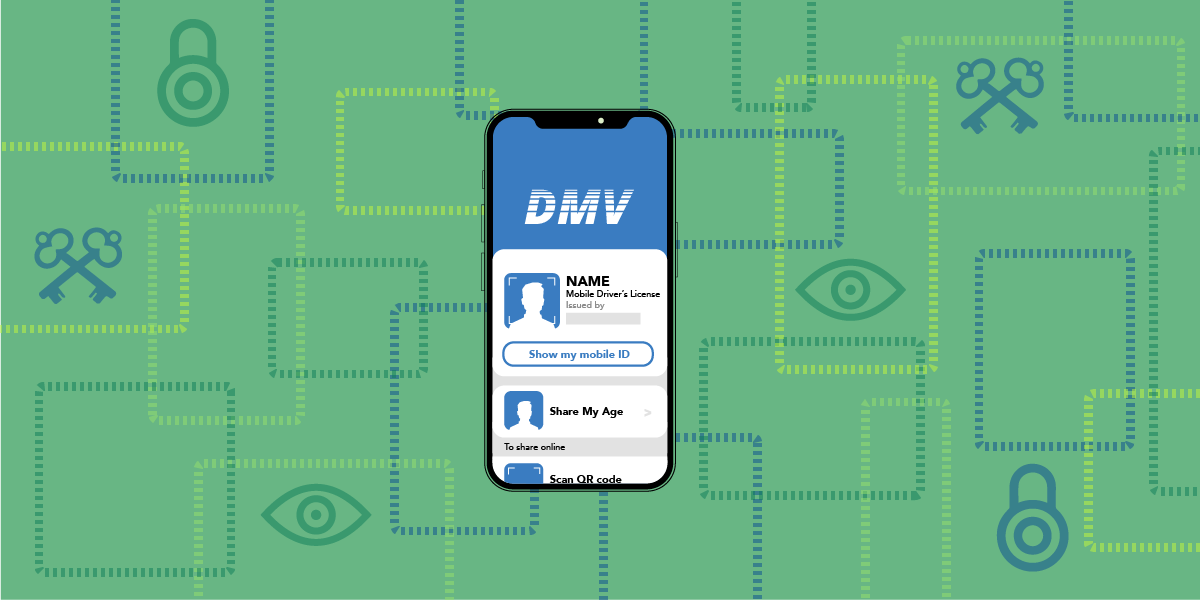
Digital ID: What it means for the digitally excluded – Digital Poverty Alliance
By 2029, proving your right to work in the UK may no longer mean showing a passport or residence permit. Under Government proposals, it could require a digital

Digital identification: The hidden and visible implications
Countries are rolling out digital identification schemes, but citizens are protesting about loss of privacy and misuse of data. They may have a point.

Digital Trust – Province of British Columbia
Digital trust provides people and businesses with secure, privacy-preserving ways of identifying themselves online and communicating confidentially with others.

NIST SP 800-63 Digital Identity Guidelines
NIST Special Publication 800-63 Digital Identity Guidelines