
Expanding regulatory capacity, passing comprehensive privacy legislation, and mandating data access for researchers should be priorities, writes Alice Marwick.
Where AI Regulation Stands Today
The White House has released a National Artificial Intelligence Legislative Framework and new executive orders aiming to establish a single, nationwide standard for AI regulation...

Government to ease data consent rules for AI development | The Asahi Shimbun Asia & Japan Watch
To accelerate artificial intelligence development, the government plans to relax consent requirements for access to personal information while introducing tougher penalties for intentional misuse.

We need private AI before it's too late | Proton
Big Tech companies are building AI aligned with their surveillance capitalism business model. We need a privacy-first and responsible AI alternative today.

Japan relaxes privacy laws to make AI development easy
: Opting out of personal data use won't be an option because Minister says that's a 'very big obstacle' to AI adoption

GDPR for AI Systems: 2026 Compliance Guide (with EU AI Act Updates)
How to make AI systems GDPR-compliant in 2026 — the practitioner roadmap covering EU AI Act overlap, EDPB Opinion 28/2024, DPIAs, data minimization, sub-processor cascades, and the technical controls lawyers don't explain.
Article 78: Confidentiality | EU Artificial Intelligence Act
The Commission, market surveillance authorities and notified bodies and any other natural or legal person involved in the application of this Regulation…
The Risks of Industry Influence in Tech Research
Emerging information technologies like social media, search engines, and AI can have a broad impact on public health, political institutions, social dynamics, and the natural world. It is critical to develop a scientific understanding of these impacts to inform evidence-based technology policy that minimizes harm and maximizes benefits. Unlike most other global-scale scientific challenges, however, the data necessary for scientific progress are generated and controlled by the same industry that might be subject to evidence-based regulation. Moreover, technology companies historically have been, and continue to be, a major source of funding for this field. These asymmetries in information and funding raise significant concerns about the potential for undue industry influence on the scientific record. In this Perspective, we explore how technology companies can influence our scientific understanding of their products. We argue that science faces unique challenges in the context of technology research that will require strengthening existing safeguards and constructing wholly new ones.

Pritzker signs landmark AI regulation bill that aims to mitigate risks
Article Summary JB Pritzker signed a landmark bill regulating large artificial intelligence developers on Monday, adding new reporting requirements for

Data Centre Silence
How EU leaders sided with Big Tech over the public’s right to know about the true scale and environmental impact of the AI build-out, forcing a legal challenge to seek disclosure

AI Now is announcing two new initiatives today: First, we are convening an expert deliberation on how discussions about regulating AI can be informed by past precedent. https://t.co/Ff1pZTO9wW
AI Now is announcing two new initiatives today:First, we are convening an expert deliberation on how discussions about regulating AI can be informed by past precedent.https://t.co/Ff1pZTO9wW— AI Now Institute (@AINowInstitute) October 11, 2023
Beyond AI Regulation: New Executive Orders Show Government Embracing AI as Infrastructure
The Biden Administration's final executive orders on AI mark a shift from regulation to embracing AI as critical infrastructure, but their framing as national security imperatives misses an opportunity to champion AI's role in strengthening democratic governance.
AI and Doctrinal Collapse
Artificial intelligence runs on data. But the two legal regimes that govern data—information privacy law and copyright law—are under pressure. Formally, each re

AI Act: a step closer to the first rules on Artificial Intelligence | News | European Parliament
To ensure a human-centric and ethical development of Artificial Intelligence (AI) in Europe, MEPs endorsed new transparency and risk-management rules for AI systems.
Who’s responsible for AI? Verity Harding on AI policy and ethics | 1Password
Who’s responsible for regulating technological change in a democracy? Verity Harding, a globally recognized AI expert, shares her thoughts on policy and tech.

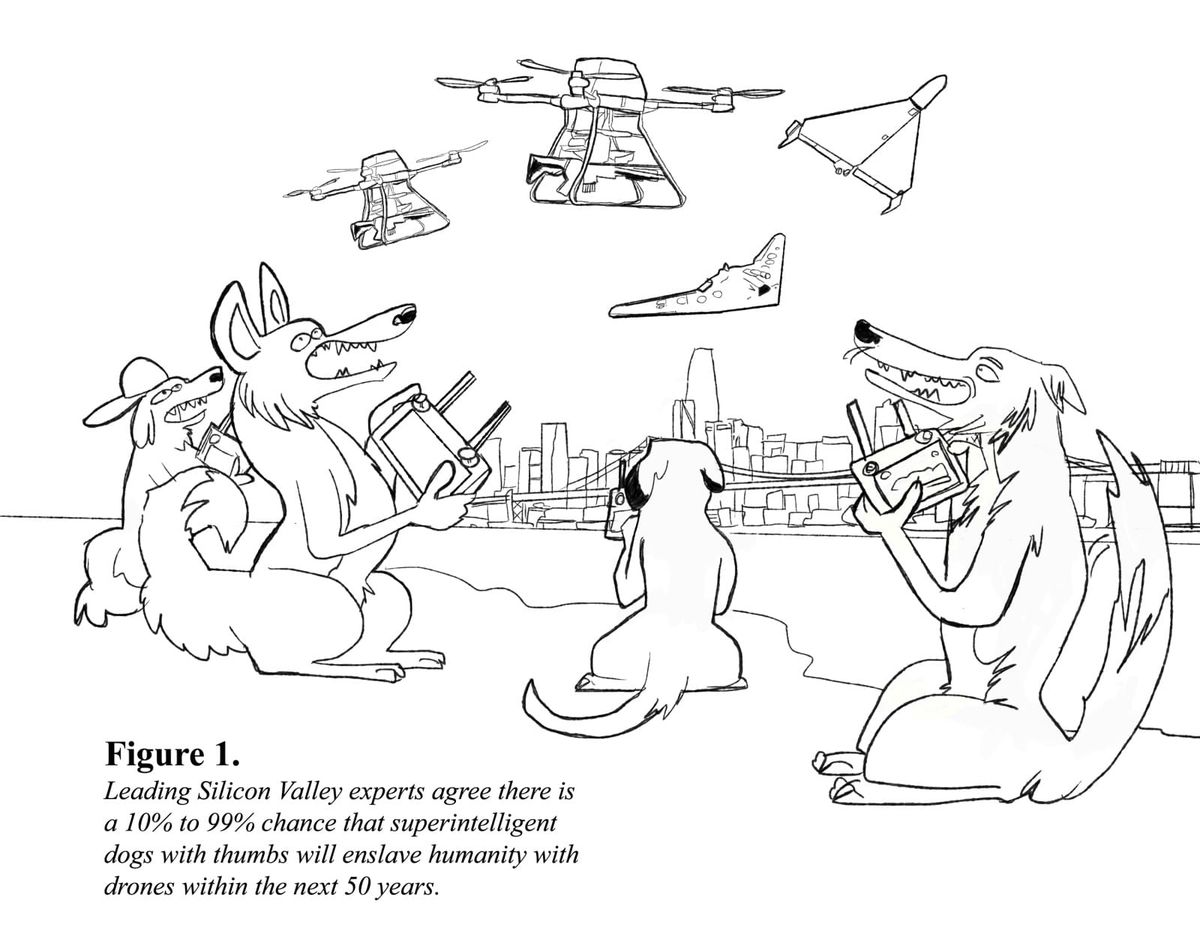
Why We Can't Let Enormous Weirdos Regulate AI
Imagine if instead of regulating drones via the standard lengthy, boring, and bureaucratic process - which we did - we instead decided, in the name of fostering all-important American drone innovation, to avoid regulating drones meaningfully at all. Also, imagine that we did not pay well-known aviation safety experts, aeronautical
Advancing Racial Equity Through Technology Policy - AI Now Institute
Racial equity is not yet a significant part of the mainstream tech policy debate. This needs to change. Read our new report.