


The racialized, uneven consequences of these technologies often go unscrutinized, write Tsion Gurmu, Nekessa Opoti and Fatima Mohamed.
Unpacking the Racism of Digital Blackface in the Information Age

Eyes on the Prize - Chicago Reader
Over more than two decades, Haki and Safisha Madhubuti have proved that African-centered education can amount to more than a black version of history. It can also be a springboard to a bright future.

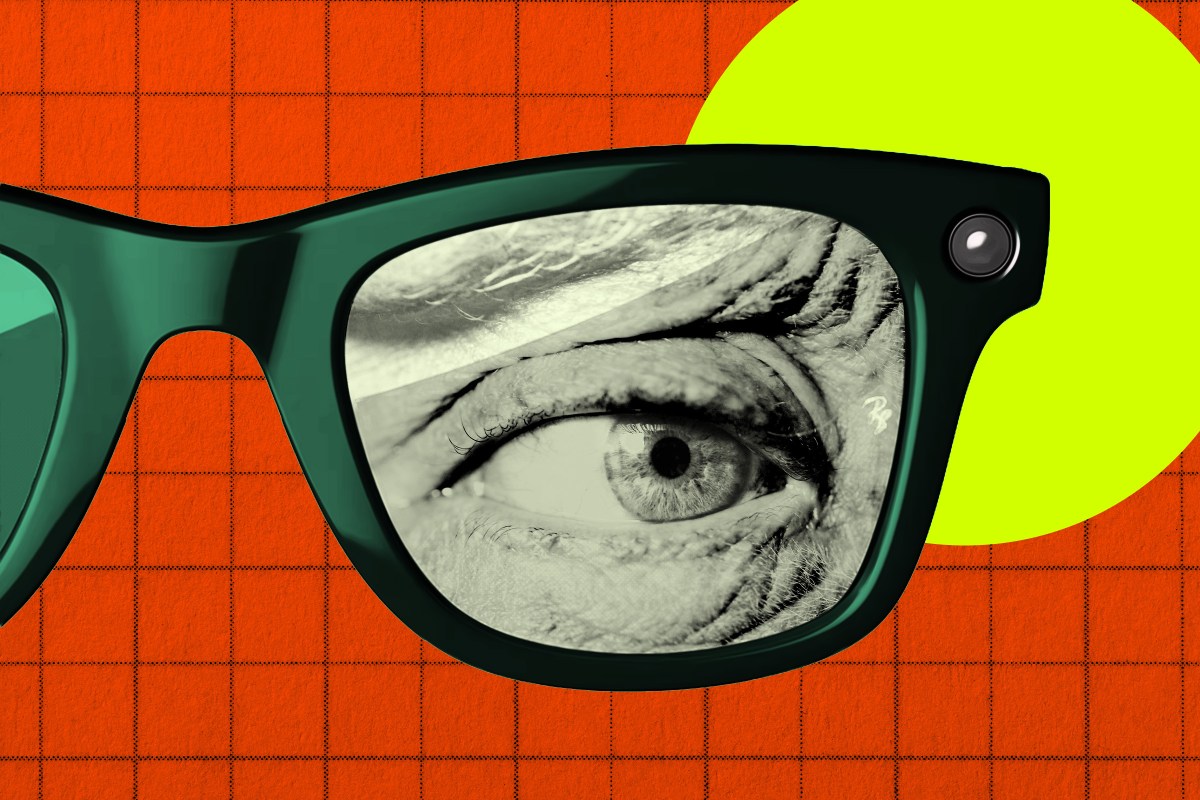
Leak Shows ICE Planning to Use Facial Recognition Glasses to Identify Targets in Real Time
Newly leaked documents revealed the existence of the government's in-house facial recognition platform, coming soon to an ICE agent near you.
Digital blackface
Digital blackface is a term used to describe the phenomenon of non-Black individuals using digital media, such as GIFs, memes, or audio clips featuring Black individuals, to express emotions or convey ideas. This behavior has sparked debate and criticism due to concerns about cultural appropriation and the perpetuation of stereotypes. Digital blackface has been described as "one of the most insidious forms of contemporary racism"[1] and has been compared to historical minstrelsy by Black individuals and social justice advocates.
TikTok and the Evolution of Digital Blackface
On the app, users drape themselves in the trappings of Black culture—and steal the viral spotlight. It’s exploitation at its most refined and disturbing.


Covert Racism in AI: How Language Models Are Reinforcing Outdated Stereotypes | Stanford HAI
Despite advancements in AI, new research reveals that large language models continue to perpetuate harmful racial biases, particularly against speakers of African American English.

Skin in the game: hidden asymmetries in daily life
From the New York Times bestselling author of The Black…

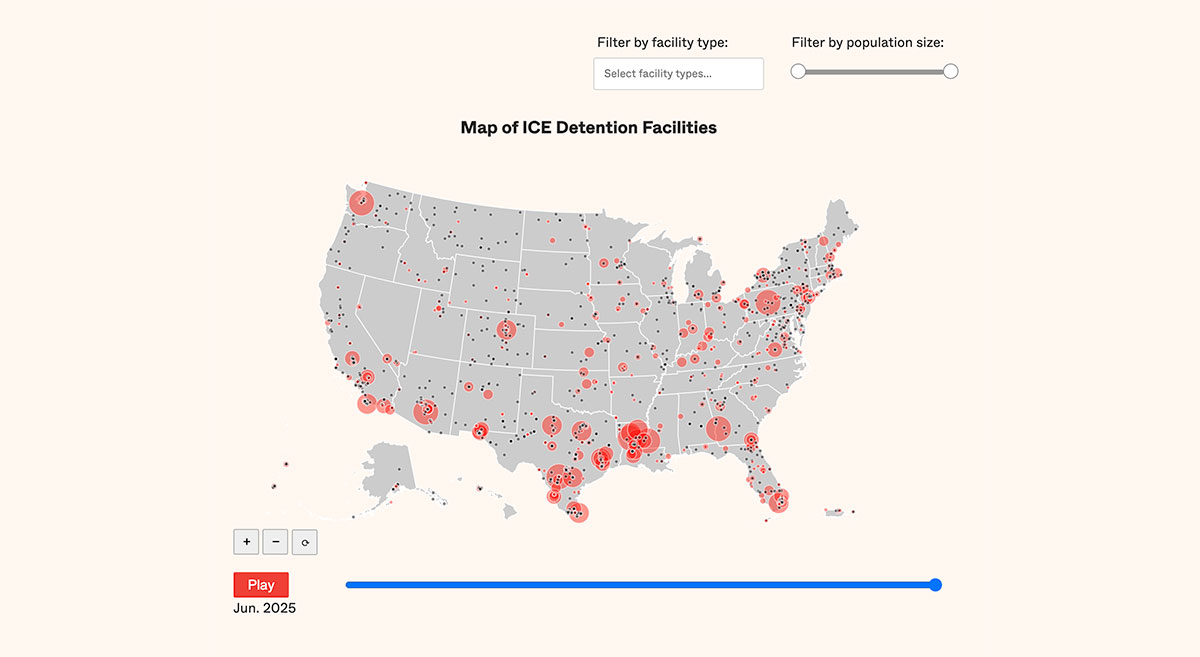
ICE Detention Trends | Vera Institute of Justice
Every year, U.S. Immigration and Customs Enforcement (ICE) subjects hundreds of thousands of people to civil immigration detention—a practice that is unjust, inhumane, and completely unnecessary. It does so under a veil of secrecy, sharing only limited, often error-prone statistics with the public. ICE’s failure to regularly release accurate, complete, and accessible data to the public enables it to operate its multi-billion-dollar detention network with impunity and little oversight.
Black Futures
Check out Black Futures - <b><b>“A literary experience unlike any I’ve had in recent memory . . . a blueprint for this moment and the next, for where Black folks have been and where they might be going.”—<i>The New York Times Book Review</i> (Editors’ Choice)</b><br><br></b><i><b>What does it mean to be Black and alive right now?</b></i><br><br>Kimberly Drew and Jenna Wortham have brought together this collection of work—images, photos, essays, memes, dialogues, recipes, tweets, poetry, and more—to tell the story of the radical, imaginative, provocative, and gorgeous world that Black creators are bringing forth today. The book presents a succession of startling and beautiful pieces that generate an entrancing rhythm: Readers will go from conversations with activists and academics to memes and Instagram posts, from powerful essays to dazzling paintings and insightful infographics.<br><br> In answering the question of what it means to be Black and alive, <i>Black Futures</i> opens a prismatic vision of possibility for every reader. by Jenna Wortham and Kimberly Drew on Bookshop.org UK!

Immigration and Customs Enforcement – Deportation Data Project
ICE collects data on every person it encounters, arrests, detains, transports via flight, and deports, and every detainer request to local jails.
Beyond Afrofuturism: Sinners, the Great Migration, and Rust Belt Gothik - Reactor
"Sinners" is a particular kind of story about migration, spirituality, and Black speculative survival skills

What do we want from Black women on screen?
From Teyana Taylor’s Oscar-nominated turn in One Battle After Another to Industry’s ruthless Harper Stern, Black women are taking on some of the most morally complex roles on screen. But what does “good” representation really mean and must it always be aspirational? Michaela Makusha investigates.

ICE Arrests Ramp Up, Which Only Continues To Prove Most Migrants Aren’t Criminals
Public furor is hard to maintain. It takes a concerted effort from people who have a lot to lose. Not only do they not have anything to gain (financially or otherwise) from engaging in protests, bu…
