


Rights belong to human beings; the machines we build, however clever, are ours to answer for, write Allison Stanger and Bruce Schneier.
Pluralistic: “Rights for robots” and the AI slavery fantasy (10 Jul 2026) – Pluralistic: Daily links from Cory Doctorow
While the AI bubble is primarily a material phenomenon (driven by the calculation that bosses are easy marks for a sales pitch that sees them replacing workers with software), there is an inescapable ideological component to it: the desire for a world without people in it:
The coming civil war over general purpose computing
Even if we win the right to own and control our computers, a dilemma remains: what rights do owners owe users?
AI and democracy: the right to resist optimization
Taiwan's cyber-ambassador Audrey Tang on why the real danger of AI isn't that machines imitate humans, but that humans adapt to machines.

Robots will take your job - The Boston Globe
Even the White House says the machines are coming, so let’s give humans a universal basic income.

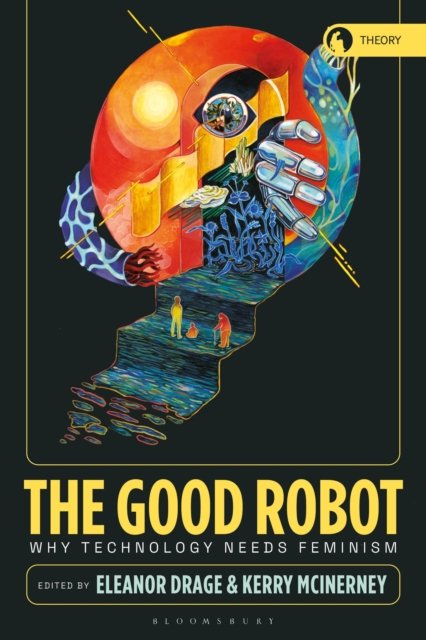
Good Robot
What is good technology? Is ‘good’ technology even possible? And how can feminism help us work towards it? The Good Robot addresses these crucial questions through the voices of leading feminist thinkers, activists and technologists. Each thinker provides a snapshot of key challenges, questions and provocations in the field of feminism and technology. While the question of whether various AI and technological advances can be ethical is not new, the embedded nature of feminist perspectives pulls out whether this perceived ‘goodness’ or ‘wrongness’ might actually impact our lives in the 21st century. This book explores both the radical possibilities of technology to disrupt practices of patriarchy, colonialism, racism and beyond but also provides a significant critique of how we can contain the ethical possibilities of entities we cannot predict. In exploring unjust technological practices and engaging critical voices in the tech industry, the existing moral issues are brought to light as well as the possible ethical quagmires. This book opens a new space of discussion on digital technologies – one that insists that the future of AI is an urgent feminist issue.
Future-proofing integrity in the age of artificial intelligence and neurotechnology: prioritizing human rights, dignity, and equity
This article I argue for the prioritisation of human rights when developing and implementing misconduct policies. Existing approaches may be perpetuate inequities, particularly for individuals from marginalised groups. A human-rights-by-design approach, which centres human rights in policy development, revision, and implementation, ensuring that every individual is treated with dignity and respect. Recommendations for implementing a human-rights approach to misconduct investigations and case management are offered, covering areas such as procedural fairness, privacy, equity, and the right to education. Additional topics covered are the need to limit surveillance technologies, and the need to recognize that not all use of artificial intelligence tools automatically constitutes misconduct. I disentangle the differences between equity and equality and explain how both are important when considering ethics and integrity. A central argument of this paper is that a human-rights-by-design approach to integrity does not diminish standards but rather strengthens educational systems by cultivating ethical awareness and respect for personhood. I conclude with a call to action with a seven-point plan for institutions to adopt a human-rights-based approach to ethics and integrity. In the age of artificial intelligence and neurotechnology, insisting on human rights and dignity when we investigate and address misconduct allegations is an ethical imperative that has never been more important.

Machines of Caring Grace
The goal should be to support humans, not to replace them.


AI Is a Product of Humanity. Humanity Should Own AI.
Big Tech has looted humanity’s creative output to create artificial intelligence. We don’t just deserve a share of AI’s profits — we deserve control over it.

The Future of AI
The Parents’ Paradox: AI, Ethics, and the Limits of Machine Morality This post is based on a talk I gave at The AI & Automation Conference in London on February 25, 2026, and my slides. A…
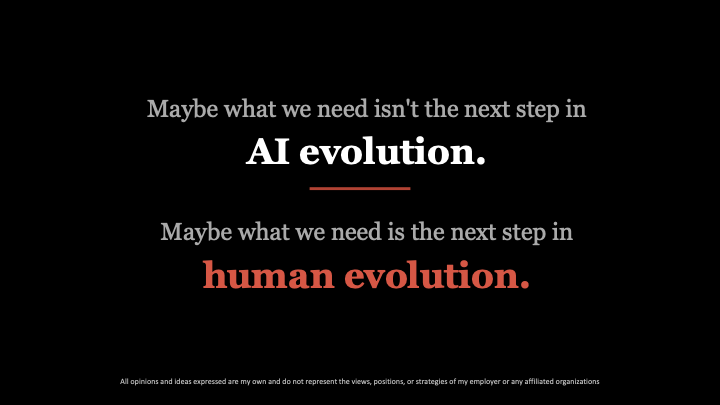
AI and the Dangerous Fiction of ‘All Lawful Use’
Dunstan Allison-Hope and Iain Levine argue that human rights commitments are essential for all companies selling their products to governments worldwide.

On working machines
In part one, on thinking machines, I explored two facets of the philosophy of artificial intelligence: “intelligence”, and consciousness. That left an important topic to consider for this post: the...
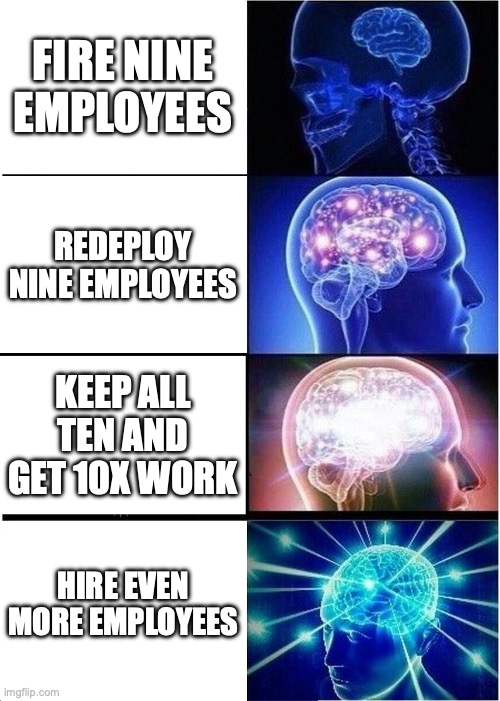
Experts Argue Whether Computers Could Reason, and if They Should (Published 1977)
Computer world is in midst of fundamental dispute over question of computer intelligence since MIT Prof Joseph Weizenbaum wrote book arguing that machines can never be made to reason like people and should not be; Weizenbaum por (M)

Conscious or Not
For as long as I remember, people have been arguing about whether machines could be intelligent or not.

"[Man] aspires to make robots as one of the greatest achievements of his technical mind, and some specialists assure us that the robot will hardly be distinguished from living men. This achievement will not seem so astonishing when man himself is hardly distinguishable from a robot." - Erich Fromm

