

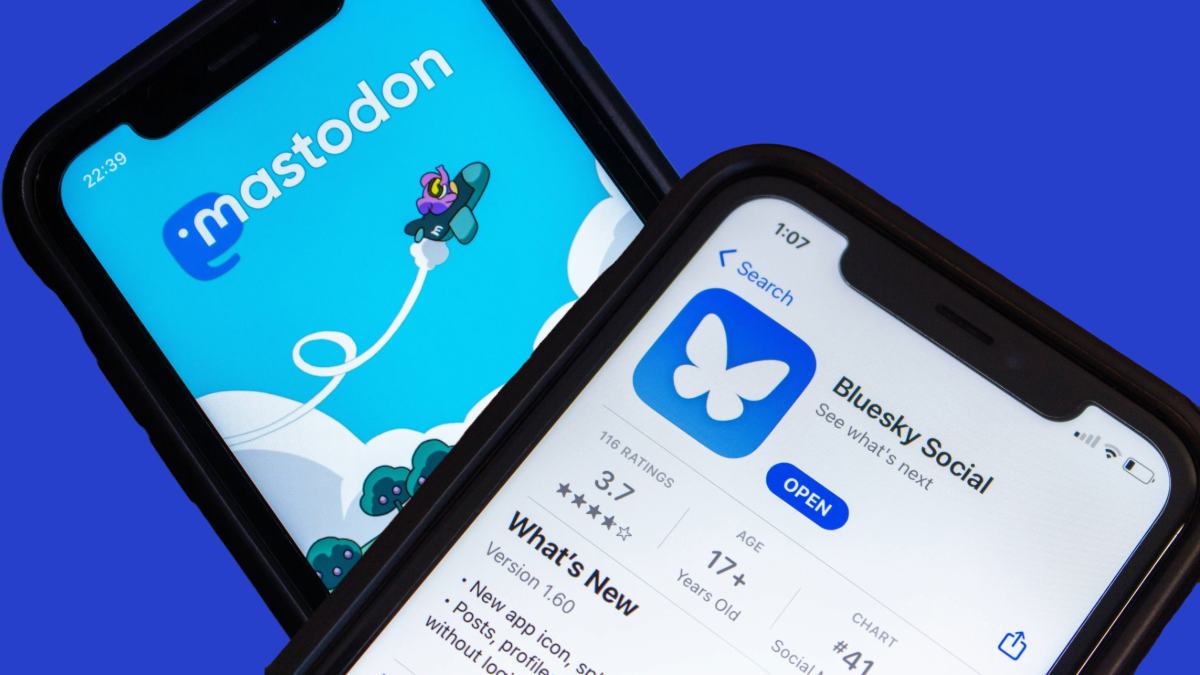
Christine Galvagna proposes an EU fund to support decentralized, public service focused social media networks to protect digital rights and democracy.
🇪🇺🌐 The future of social media may be decided in Europe
A survey of European AT Protocol projects, including 4 mini case-studies
W Social – Public Beta Launch
European Commission (@EUCommission@ec.social-network.europa.eu)
Attached: 1 image A strong Europe needs independent digital spaces. We believe true digital sovereignty thrives on a competitive, contestable, open ecosystem where diverse platforms co-exist. Today, we’re expanding our presence to W, the new social media. By being on W, we want to boost alternatives and support all efforts toward a decentralised web. And we continue to invest into our presence on the Fediverse!
W-Social: What does sovereignty mean for social media? – Open Future
The European Commission’s move to W-Social frames it as a European alternative to X, but its closed-source code and reliance on Bluesky’s infrastructure show that sovereign social media requires open infrastructure—not European ownership alone.

W Social, public institutions and the theater of European digital sovereignty | Hacker News
And weirdly, there was never a peep about this in the press - while the W Social launch was on national news and a bunch of high-profile EU politicians immediately joined. What's going on here?
Eurosky dawns – Open Future
The Eurosky initiative is building European social media infrastructure on the ATProtocol, representing a new step in Europe's digital sovereignty agenda as policymakers seek alternatives to Big Tech platforms that serve public interest rather than commercial imperatives.
Europe's W Social Bet Tests its Vision of Digital Sovereignty
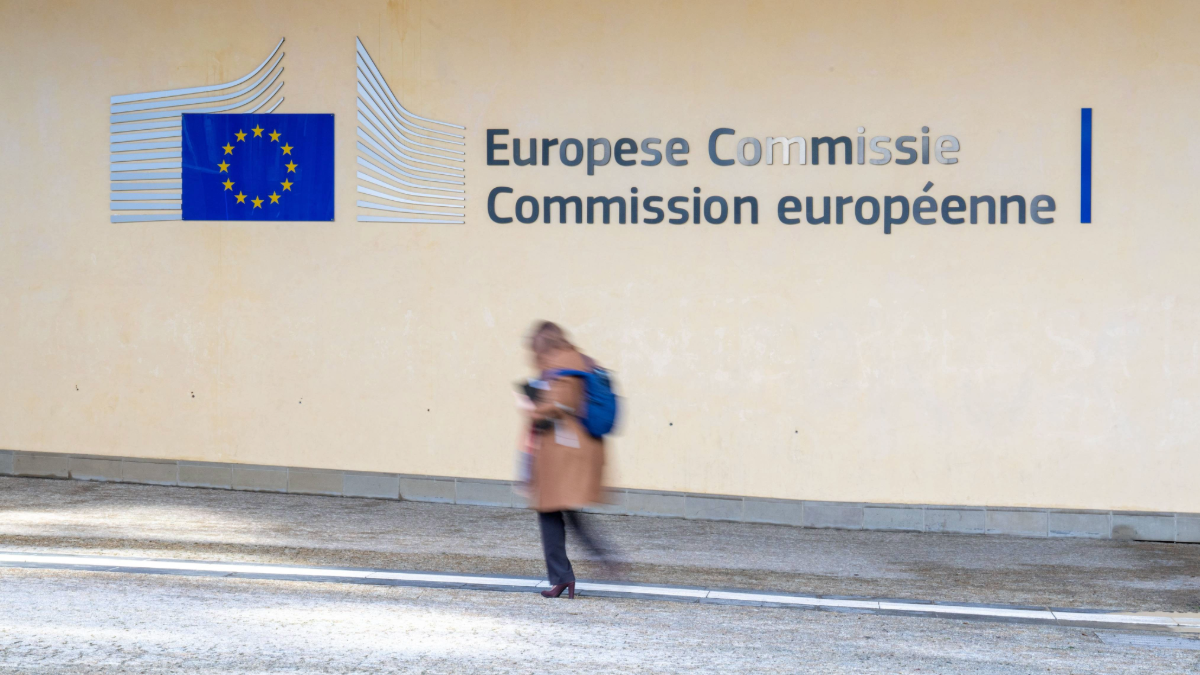
The European Commission has joined W Social, a closed-source platform. Megan Kirkwood asks what that reveals about Europe's digital sovereignty agenda.
Fractured reality
The report examines the evolving impact of digital technologies on European democracy. In an era of a global struggle to control the information space, this report offers critical insights into the fracturing of perceived realities, the rise of the ‘fantasy-industrial complex’, and the systemic risks posed by the attention economy. It exposes how platforms algorithmically prioritise engagement over accuracy, reinforcing ideological echo chambers and amplifying mis- and disinformation that erode democratic resilience. The report highlights how structural incentives and foreign control of the most important players in the information space undermine information integrity, collective knowledge and civic discourse. In response, the report presents a number of recommendations from fostering alternative public spaces and crowd-sourced knowledge systems to reforming business models, restoring user agency, and advancing EU digital sovereignty through decentralised infrastructure
Latinsky
Decentralized social media built for community power, culture, and collective freedom.
Funding Open Source for Digital Sovereignty
"Open Source alone won't deliver digital sovereignty. Europe must fix procurement and fund those who actually build it."

Funding Open Source for Digital Sovereignty
Open Source alone won't deliver digital sovereignty. Europe must fix procurement and fund those who actually build it.

FR#166 – No Change
Many people in Europe see the open social web as a path to digital sovereignty. This week demonstrated a problem: the assumption that European governments actually want to be sovereign.

Medsky
Decentralized social media built for community power, culture, and collective freedom.
Musk Threatened the EU, Europe Built Its X Rival in 6 Months!
Nobody cares about decentralization until they do
A recurring line in discussion of federated, decentralized social media is that no one cares about it. They just want their Twitter without the Nazis. Which is okay. But how it looks on the backend matters. When the illusion of a unified user experience breaks, how accessible the escape pod