


By centering peoples' rights we can shape AI to maximally benefit humanity while minimizing harms, says Margaret Mitchell.
AI Bill of Rights: what critics get right and wrong | Context by TRF
The blueprint represents a shift from a model of self-policing towards a rights-based approach to protect from algorithmic harms
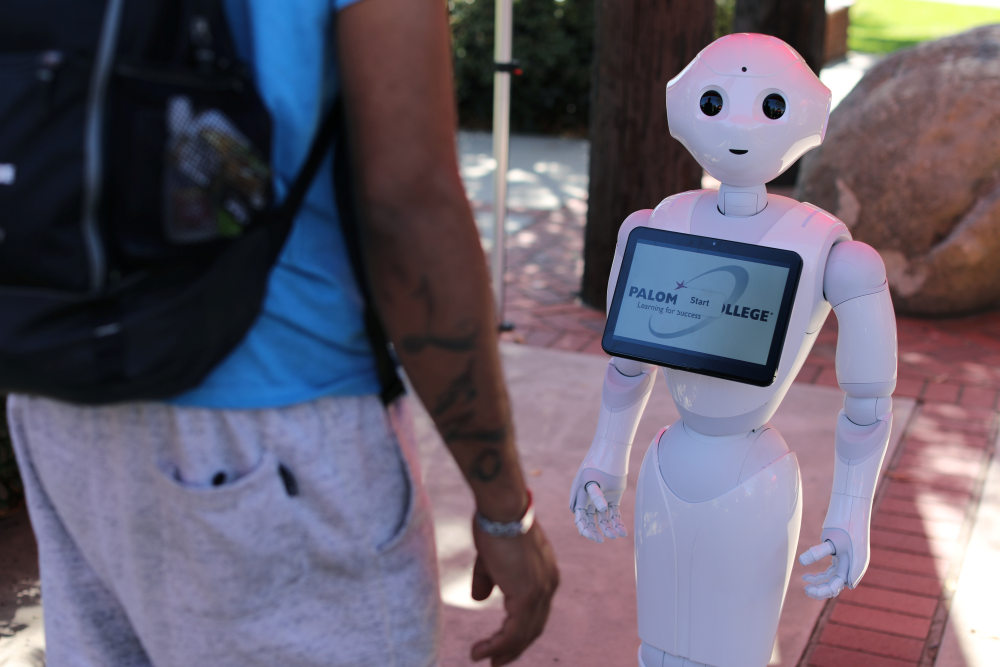
A shared agenda for responsible AI progress
AI can be hugely beneficial to society if citizens, educators, academics, civil society and governments unite to shape it responsibly.

AI and the Dangerous Fiction of ‘All Lawful Use’
Dunstan Allison-Hope and Iain Levine argue that human rights commitments are essential for all companies selling their products to governments worldwide.

AI agents pose untold risk to humanity. We must act to prevent that future | David Krueger
The pieces are falling into place for autonomous artificial intelligence. We must stop unregulated development

AI Is a Product of Humanity. Humanity Should Own AI.
Big Tech has looted humanity’s creative output to create artificial intelligence. We don’t just deserve a share of AI’s profits — we deserve control over it.

AI, Ethics, and Society — Home
Human perspectives on AI · Global Voices
This GV Spotlight edition will explore how the use of, promotion of, and resistance to artificial intelligence is playing out for the Global Majority.

The AI Pledge for Humanity
We all made AI possible. We all deserve a share of what it makes possible.
Exploring the Impact of Artificial Intelligence on Social Justice
OHF WEEKLY Is AI humanity’s Prometheus moment?

AI Principles
A guiding framework for our responsible development and use of AI, alongside transparency and accountability in our AI development process.

AI Grants
AI for Individual Rights Grant Application Form Use this form to apply for HRF AI for Individual Rights. Please direct questions to ai@hrf.org. *Required Fields *The Human Rights Foundation (“HRF”) is a U.S.-based 501(c)(3) nonprofit organization committed to promoting and protecting human rights and advancing democracy worldwide, with a particular focus on authoritarian regimes. In […]

Nothing About Us, Without Us: Disability Justice and AI
Intersectionality, ways that AI can support the disabled, and how we can win the race to make AI more inclusive.

The Impact of Artificial Intelligence on Human Thought
This research paper examines, from a multidimensional perspective (cognitive, social, ethical, and philosophical), how AI is transforming human thought. It highlights a cognitive offloading effect: the externalization of mental functions to AI can reduce intellectual engagement and weaken critical thinking. On the social level, algorithmic personalization creates filter bubbles that limit the diversity of opinions and can lead to the homogenization of thought and polarization. This research also describes the mechanisms of algorithmic manipulation (exploitation of cognitive biases, automated disinformation, etc.) that amplify AI's power of influence. Finally, the question of potential artificial consciousness is discussed, along with its ethical implications. The report as a whole underscores the risks that AI poses to human intellectual autonomy and creativity, while proposing avenues (education, transparency, governance) to align AI development with the interests of humanity.

What Does 'Human-Centred AI' Mean?
While it seems sensible that human-centred artificial intelligence (AI) means centring "human behaviour and experience," it cannot be any other way. AI, I argue, is usefully seen as a relationship...
> the central promise of “ai” is that nothing is worth doing and that community doesn’t exist. It’s individual entitlement as software. It’s Thatcherism. post.lurk.org/@emenel/117441848350524047
emenel (@emenel@post.lurk.org)
post.lurk.org