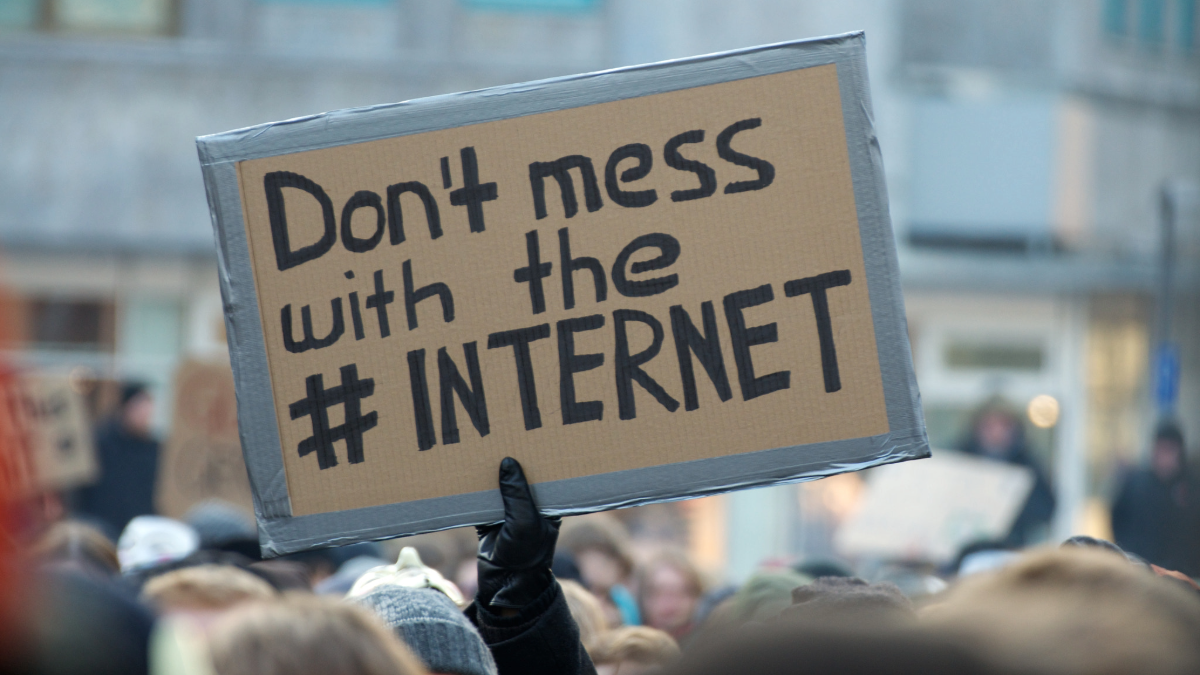
Should we abandon the internet? Voice memos from Douglas Rushkoff, Bridget Todd, Robin Berjon, Janet Vertesi and more on leaving, rebuilding or saving it.
Please Let the Internet Die
Online spaces are captured by oligarchs and saturated with slop—and they’re exacerbating humanity’s worst impulses. It’s time to start over.

Internet for the People: The Fight for Our Digital Future
"For all the informational convenience the internet offers, it is deeply flawed. How can it be improved? Writer Ben Tarnoff proposes one possibility in this intriguing book, which urges the development of 'a public lane on the information superhighway.' It's worth checking out for yourself." – Seth MacFarlane Why is the internet so broken, and what could ever possibly fix it? In Internet for the People, leading tech writer Ben Tarnoff offers an answer. The internet is broken, he argues, because it is owned by private firms and run for profit. Google annihilates your privacy and Facebook amplifies right-wing propaganda because it is profitable to do so. But the internet wasn't always like this—it had to be remade for the purposes of profit maximization, through a years-long process of privatization that turned a small research network into a powerhouse of global capitalism. Tarnoff tells the story of the privatization that made the modern internet, and which set in motion the crises that consume it today. The solution to those crises is straightforward: deprivatize the internet. Deprivatization aims at creating an internet where people, and not profit, rule. It calls for shrinking the space of the market and diminishing the power of the profit motive. It calls for abolishing the walled gardens of Google, Facebook, and the other giants that dominate our digital lives and developing publicly and cooperatively owned alternatives that encode real democratic control. To build a better internet, we need to change how it is owned and organized. Not with an eye towards making markets work better, but towards making them less dominant. Not in order to create a more competitive or more rule-bound version of privatization, but to overturn it. Otherwise, a small number of executives and investors will continue to make choices on everyone’s behalf, and these choices will remain tightly bound by the demands of the market. It's time to demand an internet by, and for, the people now.
The Next Great (Digital) Extinction
How today's internet is rapidly and indifferently killing off many systems while allowing new types of organizations to emerge.

My journey to the heart of the forgotten internet
Slowly but surely, huge swaths of the internet are vanishing. But the artefacts of the early web are still out there, and they have lessons for the future.

The End of the Revolutionary Internet
The revolutionary internet is over, and we don’t have much to show for it. A new start is out there, somewhere.
The Internet Is Making You Less Free
Our current age is defined by the internet. The internet—a technology that allows the decentralized, globalized dissemination of information—has become so

A Short History Of The Internet
I am not by any measure old unless you ask my nieces, but I remember when we had no internet and my niece's minds boggle at that, they think I must be ancient. How could you survive without the internet they asked me, in their minds the concept of no internet is pretty much science fiction and the thought of not having internet access scares them.
The Internet Is About to Get Weird Again
The internet seems ripe for change, and millions of people seem poised to connect in new ways, as they reconsider their relationship to technology.

The Boring Internet
The internet you grew up on isn't dying. A commercial veneer glued on top of it is.
The Boring Internet
The internet you grew up on isn't dying. A commercial veneer glued on top of it is.
Millions of Volunteers Are Keeping the Internet Human. For Now.
We’re never going back to the human internet we had. But we can hope for a better internet than the AI-dominated one that is emerging, writes Sarah Gilbert.
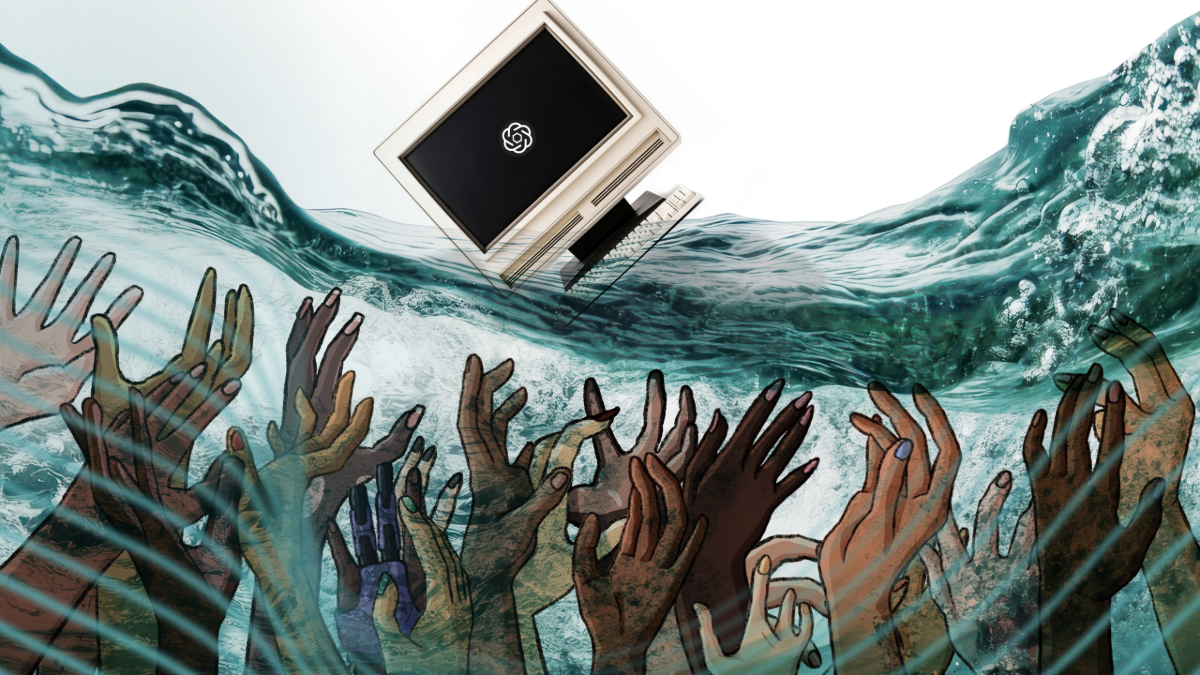
Rest of World faces prospect of shutting down
The six-year-old digital publication has seen the social and web search traffic on which it depends evaporate.
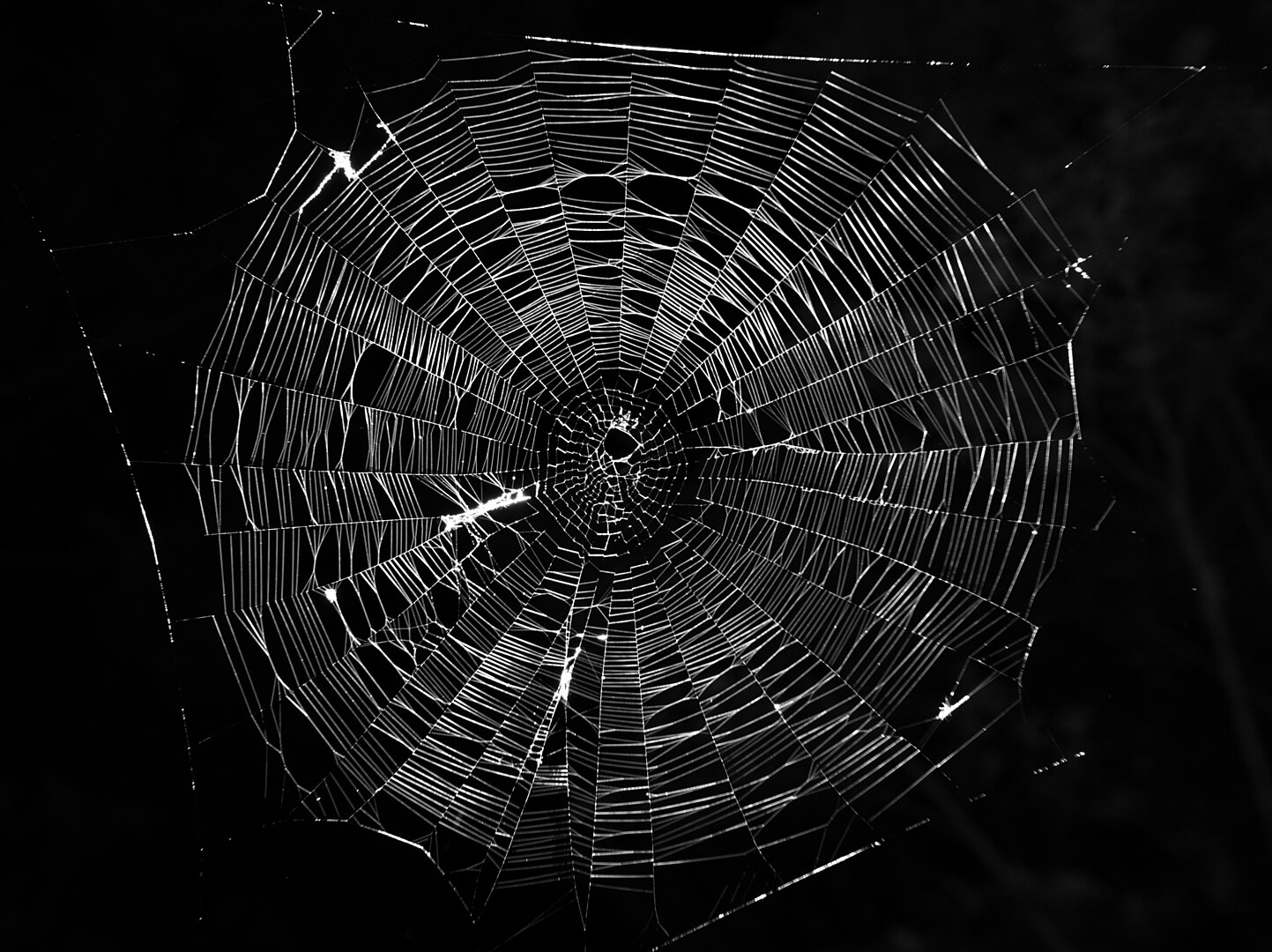
The Internet is a Series of Webs
The fate of the open web is inextricable from the other ways our world is in crisis. What can we do about it?
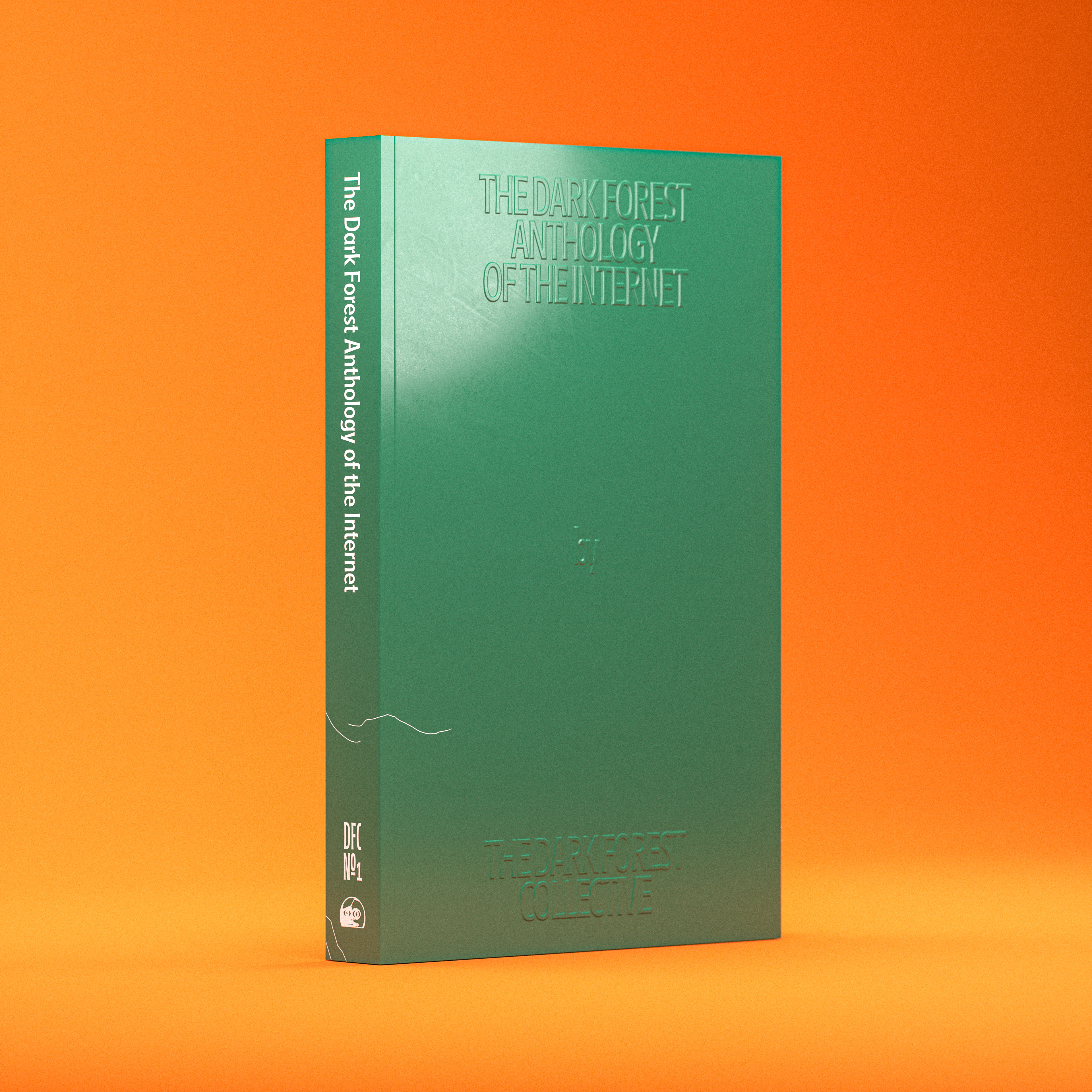
The Dark Forest Anthology of the Internet
A book about how to survive on the internet. It’s about the cozy web, the dark web, the dark forest, the clear net, the dark net, and a new social world emerging around us. This is the Dark Forest Anthology of the Internet.
The Open Internet is Dead. What Comes Next?
Justin Hendrix spoke to Mallory Knodel and Burcu Kilic about their recent essay, titled "Big Tech Redefined the Open Internet to Serve Its Own Interests."