

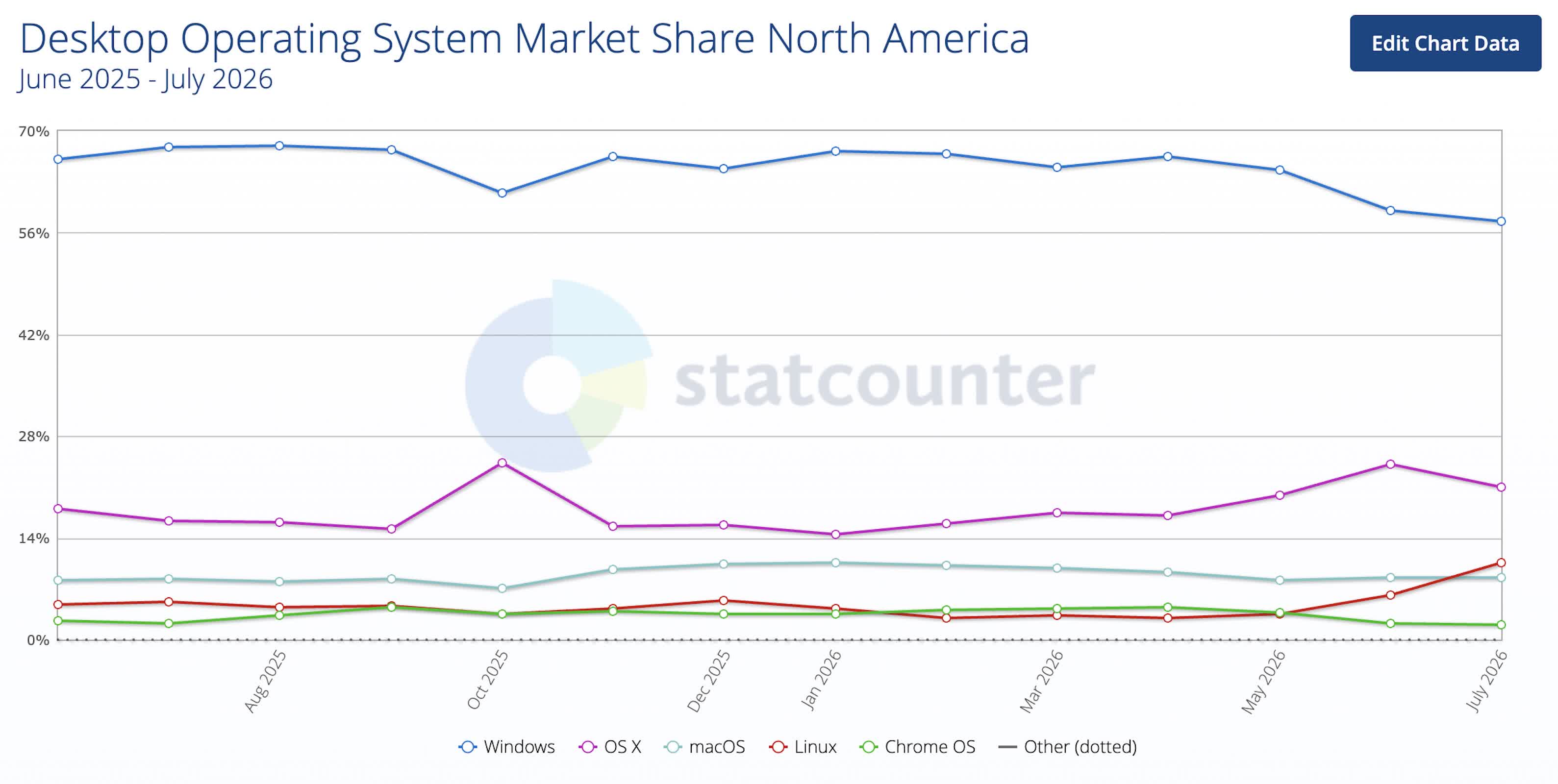
The shift stands out because the change was not gradual but abrupt. Linux's rise came largely at Windows' expense, while macOS saw only limited movement over the...
Ideal OS: Rebooting the Desktop Operating System Experience — josh.earth
Twitter user ekse has graciously translated this blog to Chinese. Thanks! TL;DR: By the end of this essay I hope to convince you of the following facts. First, that modern desktop operating systems are anything but. They are bloated, slow, and layered with legacy cruft that still functions only thanks to Moore's Law. Second, that innovation in desktop operating systems stopped about 15 years ago and the major players are unlikely to heavily invest in them again. And finally, I hope to convince you that we can and should start over from scratch, learning the lessons of the past.
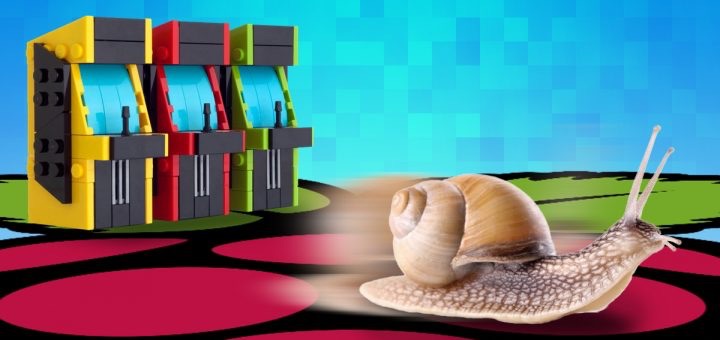
Linux Took Over the Web. Now, It's Taking Over the World
25 years after Linus Torvalds unveiled Linux, the free operating system is still finding new uses.
Main Linux problems on the desktop, 2016 edition
In this regularly updated article, which is without doubt the most comprehensive list of Linux distributions' problems on the entire Internet, we only discuss their main problems and deficiencies (which may be the reason why some people say Linux distros are not ready for the desktop) while everyone should keep in mind that there are areas where Linux has excelled other OSes: excellent package management, multiple platforms and architectures support out of the box, usually excellent stability, no widely circulating viruses or malware, complete system reinstallation is almost never required, besides Linux is extremely customizable, easily scripted and it's free as in beer.
Scott Jenson: Are we really going to use the same Desktop UX forever?
Scott Jenson: Are we really going to use the same Desktop UX forever?
Scott Jenson: Are we really going to use the same Desktop UX forever?
What Even Is An OS Now?
Computers now work the way I thought they did when I was 8. What does computing look like when most applications have an audience of 1-2 people? I'm leaving Fly.io to build a phone for that world.

The Invisible OS
THE INVISIBLE OS – Every massive consumer technology business is selling the same thing: the removal of thought. In the end, convenience always wins. Dishwashers automated hours of domestic chores. GPS externalized our spatial memory. Calculators offloaded routine arithmetic. The pattern acceler...

The Invisible OS
THE INVISIBLE OS – Every massive consumer technology business is selling the same thing: the removal of thought. In the end, convenience always wins. Dishwashers automated hours of domestic chores. GPS externalized our spatial memory. Calculators offloaded routine arithmetic. The pattern acceler...

Why Microsoft needed to make Windows run Linux software
And how it could leapfrog Apple as the dev platform of choice.
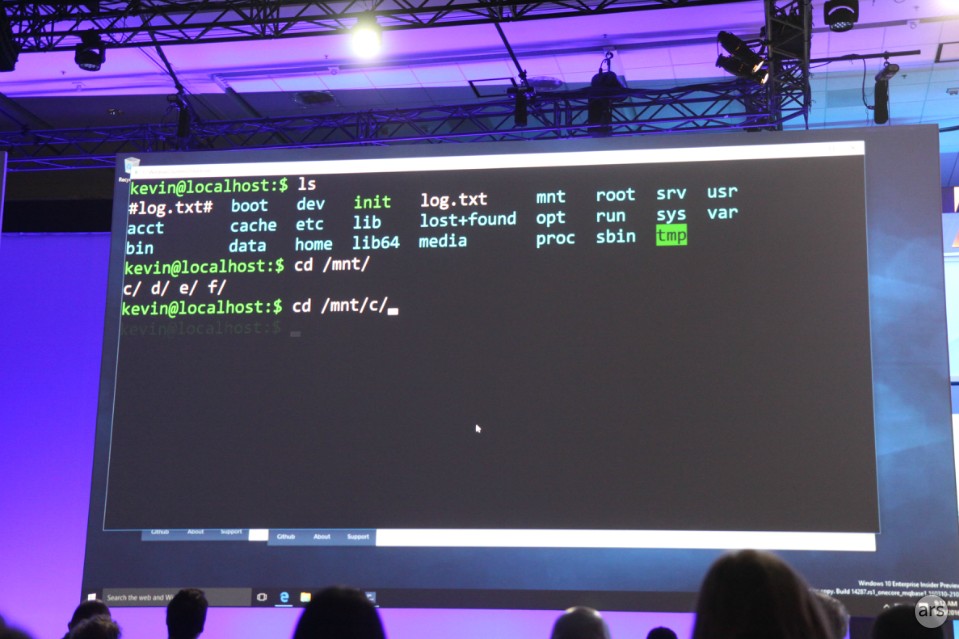
Wayland vs X11: 2026 Comparison
The Linux display server landscape has been evolving dramatically over the past decade. Wayland,...

Intelligence Per Watt
From 1946 to 2009, computing efficiency—performance per watt—doubled every 1.5 years. This trend, documented by Koomey and colleagues, transformed where computing could happen. Workloads migrated from mainframe rooms to desktops, then laptops, then pockets. The transition from centralized time-sharing to personal computing didn't occur because PCs surpassed mainframes in raw performance. It occurred when efficiency gains made computing capable enough within the power constraints of personal devices.
Desktop Neo – rethinking the desktop interface for productivity.
The desktop computer hasn’t changed much in the last 30 years. It’s still built on windows, folders and mouse input. But we have changed. We now use smartphones and tablets most of the time, since they are much easier to use.The traditional desktop computer is struggling to adapt the simple interfaces of mobile devices while also keeping its focus on productivity. With people switching to mobile devices for mundane tasks, we have the opportunity to rethink the desktop computer with a focus on getting professional work done.
Blockchains are the new Linux, not the new internet | TechCrunch
Bitcoin is up sevenfold, to $2,500, in the last year. Three weeks ago the redoubtable Vinay Gupta, who led Ethereum's initial release, published an essay entitled "What Does Ether At $100 Mean?" Since then it has doubled. Too many altcoins to name have skyrocketed in value along with the Big Two. ICOs are raking in money hand over fist over bicep. What the hell is going on?

I see talk on here about the public being "platform brained", and a lot of that in my experience comes down to impatience. It's what you see when mainstream apps change layout. People have expectations about how apps are supposed to work, and learning something else is an imposed waste of effort.

jordan silver 🔵
My take on the "explaining atproto" discourse is that all the UX/filesystem/etc metaphors are still very verbose and that you can explain the same idea in a lot less words: It separates data from apps, so any app can use data from any other app. That fits in a tweet, with other sentences around it.