


The Online Safety Bill is a model for stripping citizens of their privacy. We won’t go along with it
An Open Letter to the UK Government: Reconsider the Online Safety Act
To the Prime Minister, Members of Parliament, and the Secretary of State for Science, Innovation and Technology,
Kiss your online privacy goodbye with Bill C-22, Canada
Civil liberties groups, legal experts and the Canadian Chamber of Commerce have been sounding the alarm for months on the privacy and cybersecurity issues contained in the Carney government’s Lawful Access Act, or Bill C-22. In a not-so-surprising twist, American lawmakers have now also added their voice to those warning about the bill.

Britain has passed the ‘most extreme surveillance law ever passed in a democracy’
The law forces UK internet providers to store browsing histories -- including domains visited -- for one year, in case of police investigations.

Britain has passed the ‘most extreme surveillance law ever passed in a democracy’
The law forces UK internet providers to store browsing histories -- including domains visited -- for one year, in case of police investigations.
The UK’s War on Anonymity Has Come to America — Effort
The NGOs Behind Britain's Digital ID Laws are Targeting American Statehouses
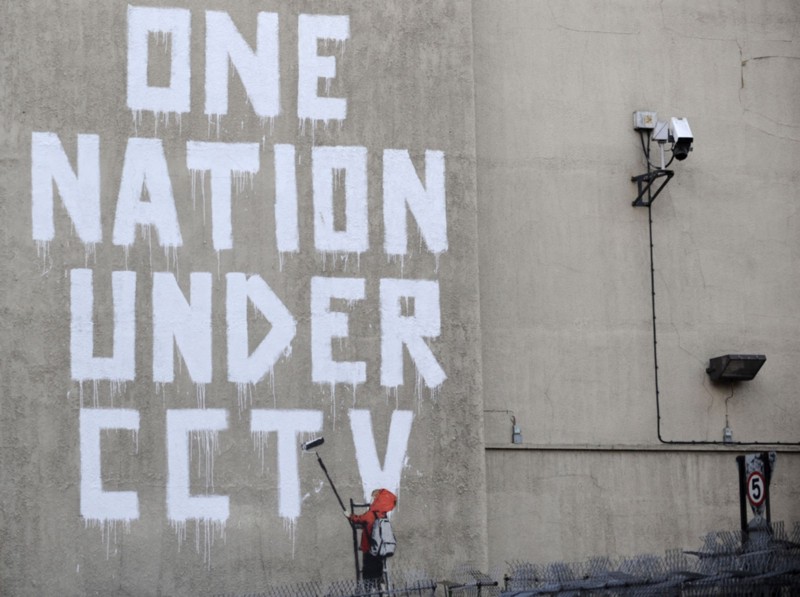
Your privacy is under attack from several terrifying new laws
“If privacy is outlawed, only outlaws will have privacy.” — Philip Zimmermann, creator of PGP Last week the United Kingdom passed a new bill that allows for “extreme surveillance.” This Investigatory Powers Bill — better known as the “snooper’s char...
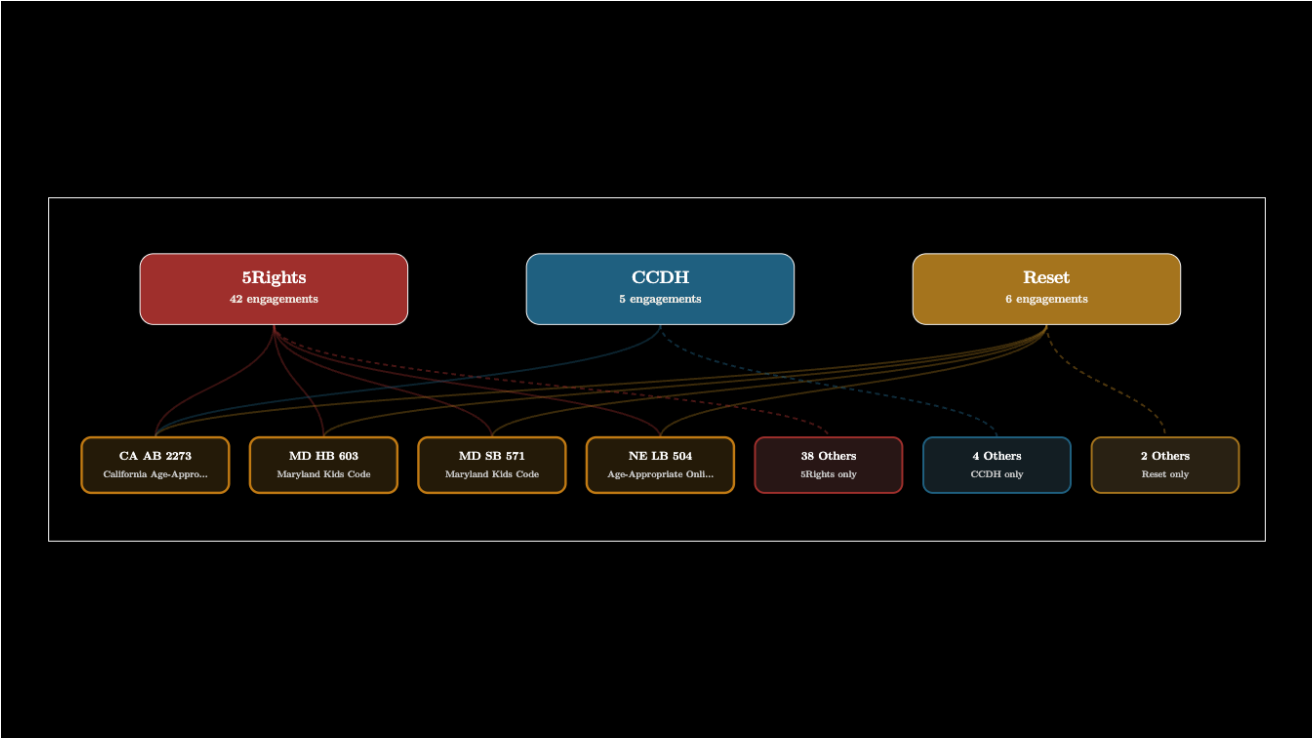
Online Age Verification: Government Legislation, Supplier Responsibilization, and Public Perceptions
There are widespread concerns about the online harms to children operating online. As such, governments have enacted laws to require online service providers to deploy age verification to prevent such harms. We investigate the following three research questions regarding this topic: (1) To what extent have different governments legislated age verification controls? (2) Do governments embrace a responsibilization strategy when it comes to online age verification? and (3) How does the UK public feel about online age verification legislation? We find that governments are applying a responsibilization strategy, which has led to widespread deployment of privacy-invasive or ineffective age verification. The former violates the privacy of underage users, with the latter undermining the overarching aims of the legislation. We have also found general disengagement and a lack of trust in the government amongst the public with regards to new online age verification laws within the UK. To conclude, despite governments globally looking to put more robust online age verification mechanisms in place, there remains a general lack of privacy preservation and affordable technological solutions. Moreover, the overarching aims of the online safety and age verification legislative changes may not be satisfied due to the general public stakeholder group's disengagement and lack of trust in their government.

Lawful-access bill could threaten encryption, deter investment, Chamber of Commerce warns
Bill would require telecoms, internet companies to change systems to give surveillance, monitoring capabilities to authorities

What happened to the fight for the Internet? -- Dustycloud Brainstorms
At the moment I am writing this, bad internet bills are being proposed across the US, Canada, Europe, and the UK. They're using the usual tactics: they claim they're fighting for kids or fighting security risks, but in general, that's what surveillance and censorship bills have always claimed.
A Path Forward: Rights and Rules to Protect Privacy in the United States – Open Policy & Advocacy
Privacy is on the tip of everyone’s tongue. Lawmakers are discussing how to legislate it, big tech is desperate to show they care about it, and everyday people are looking ...
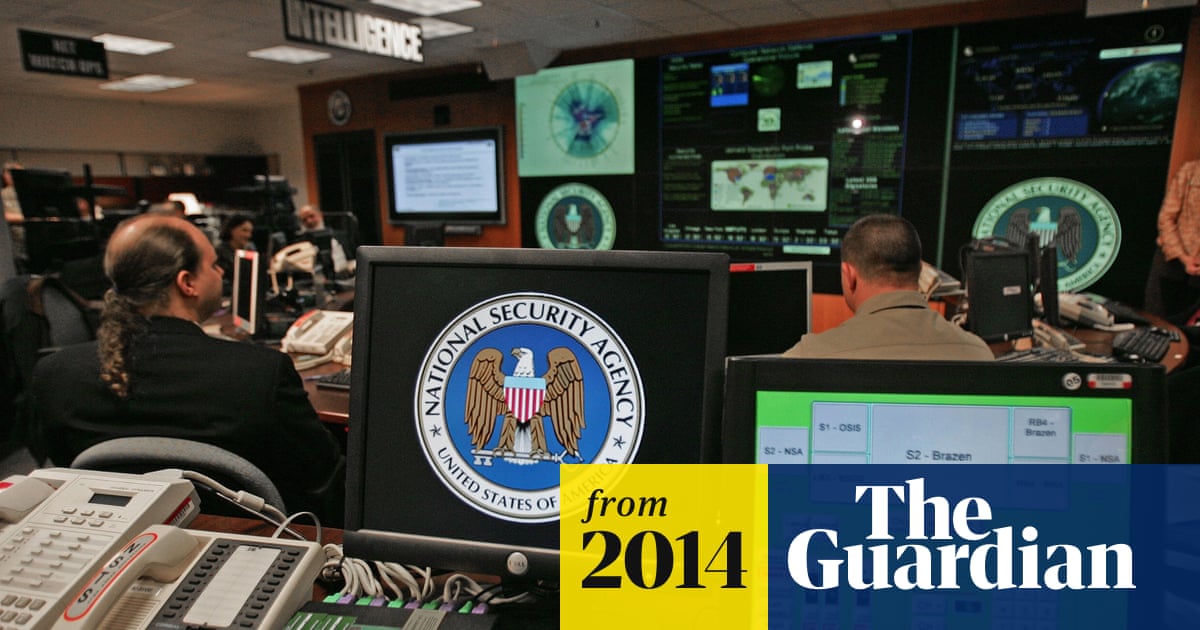
Privacy under attack: the NSA files revealed new threats to democracy
We now know the apparatus of repression has been attached to the democratic state, but our struggle for privacy is far from hopeless. By Eben Moglen
Unpacking the Public Health Turn in Internet Regulation
Measures designed to protect children from digital harms are ushering in a public health approach to internet regulation, writes Ramiro Álvarez Ugarte.
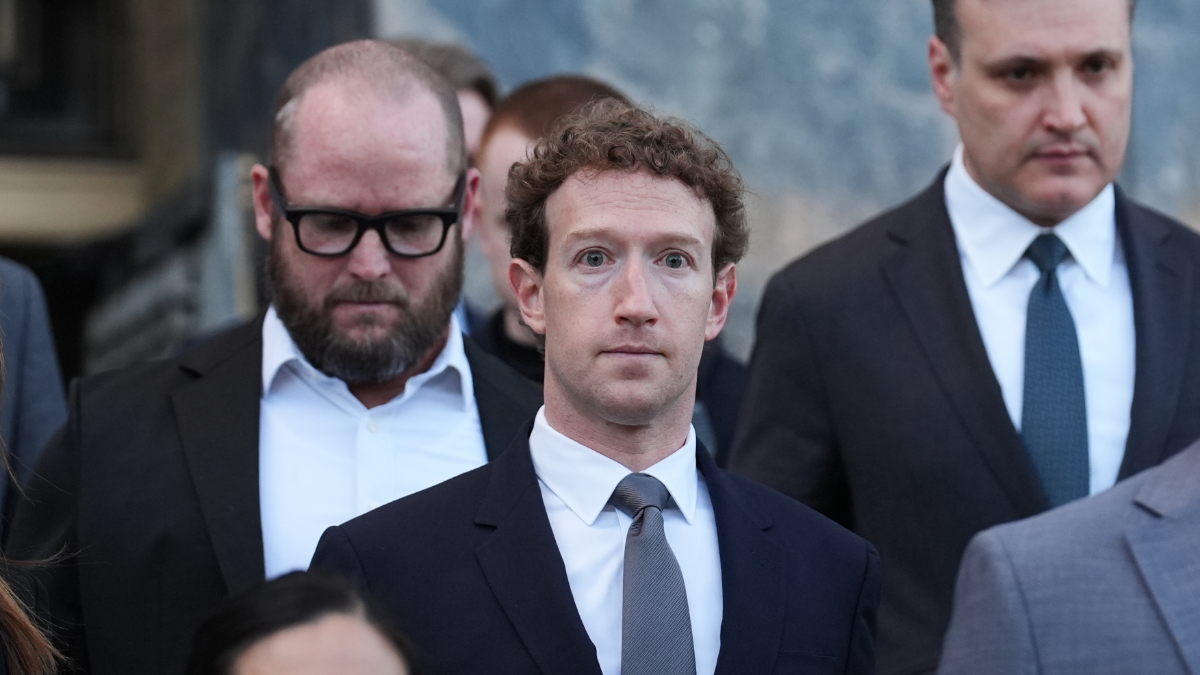
Online Safety Bills Are Fueling a New Wave of Internet Censorship
State and federal bills seek to limit minors’ access to social media, but civil liberties advocates warn that the resulting online censorship threatens constitutional rights without delivering real safety.
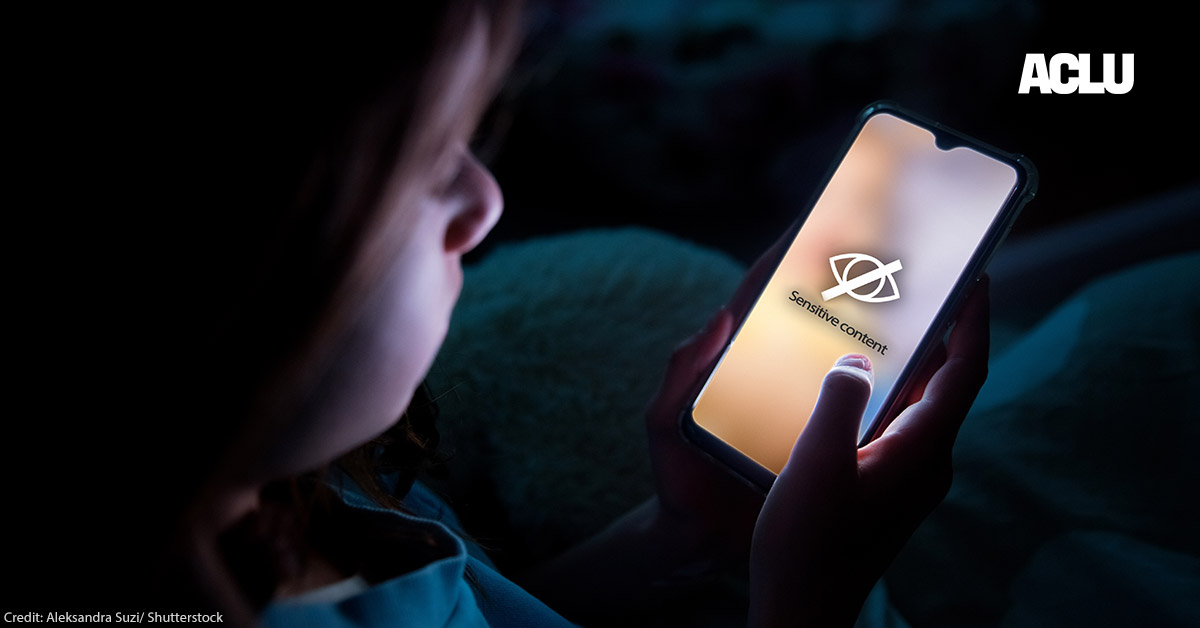
Should You Be Afraid of the NSA? - Learn Liberty
The UK government’s war on encryption is a global threat | Proton
Apple turned off its end-to-end encryption in the UK in response to a government notice. We look at what this means and how people in the UK can protect their data.

Fighting Bad Internet Bills (US-centric for now)

News, analysis, discussion, and actions about KOSA, the KIDS Act, age verification bills, and other bills that would surveil and censor the internet.
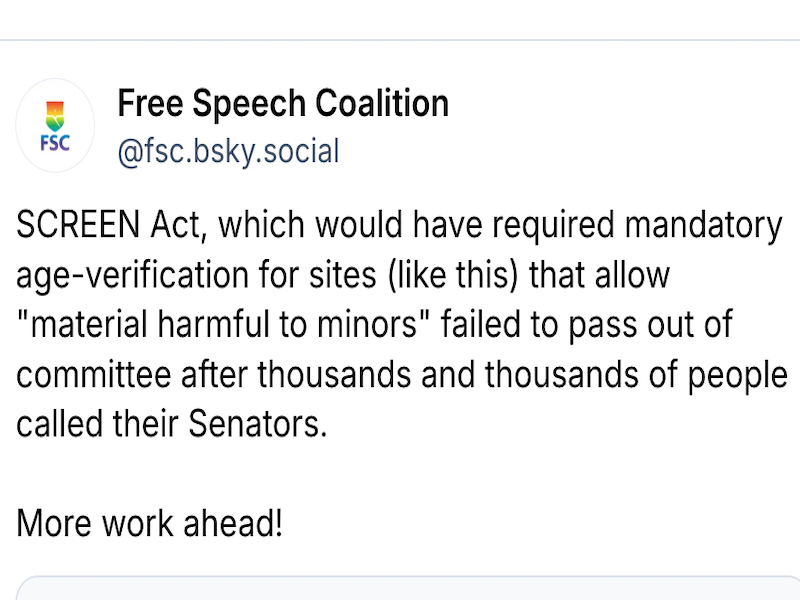
Activism makes a difference: the SCREEN Act unexpectedly fails in committee! But KOSA advances, so keep up the pressure
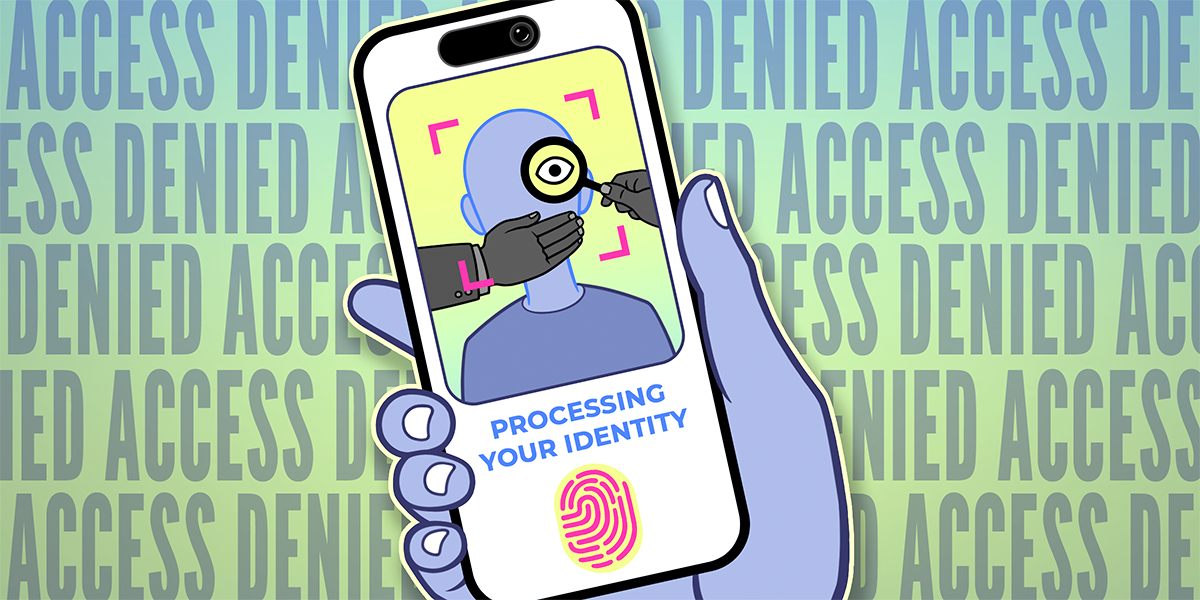
Congress Wants To Hand Your Parenting to Big Tech
Should Have Known Is the Wrong Standard for Kids’ Safety Laws
The SCREEN Act is a Christian Nationalist Nightmare
The Senate Should Reject KOSA's Privacy Risks
"The S is for surveillance": fighting KOSA and bad internet bills in the ATmosphere and the fediverses