Continuing our week of blogs reckoning with the chastening IPCC report on climate change - but also trying to focus on concrete actions and motivating knowledge, rather than gnashing our teeth and rending our garments - we were alerted to the work of Australian-American inventor Saul Griffith. A
Saul Griffith: Infrastructure and Climate Change
Launched by Stewart Brand in 02003, Long Now Talks has invited more than 400 leading thinkers to share their civilization-scale ideas.

We asked our climate reporters to highlight one idea for positive change. We got a chronicle of global transformation
There are countless initiatives around the world that can inspire people and spur them into action. Amid the devastation of the climate crisis, our journalists strive to highlight these stories of hope
Ex Oil-Engineer Turned Climate Whistleblower: We Face COLLAPSE | Aaron Bastani Meets Kevin Anderson
Static! Designing for energy Awareness
From the boost of the first cup of coffee in the morning to the glow of a nightlight that keeps a child company after dark, much of our contemporary lifestyles is powered by electricity. Today, however, the economic and environmental costs of energy require us to think again. While recognizing the complex social functions and cultural forms of electricity in everyday life, the current challenge for design is to change practices and patterns of (over)consumption. Static! explores design as a basis for increasing awareness of energy. Familiar furnishings and products have been reinterpreted to materialize electricity, to make it more visible and tangible for people. The resulting series of conceptual design examples express the poetics – and politics – of everyday electricity consumption. A design research project at the Interactive Institute funded by the Swedish Energy Agency, Static! has proved to be a pioneer in opening a current and critical research area at the intersection of design, energy and information technology. This book presents the Static! design examples and perspectives on issues in (sustainable) design today. Grounded in passion and humor, as well as rigor and research, the book asks designers and consumers – that is, all of us – to rethink the form, and future, of electricity in the world around us. Editor: Ramia Mazé. Authors: Christina Öhman, Sara Backlund, Johan Redström, Ramia Mazé, Sara Ilstedt Hjelm, Sara Routarinne.
Canada's National Observer (@nationalobserver.com)
Canada's National Observer delivers vital reporting on the defining crisis of our time: climate change. Through rigorous investigation and compelling storytelling, we expose the forces shaping Canada's climate future. www.nationalobserver.com/subscribe

Social Influence and Action — Jen Christiansen
I’m wary of climate solutions that are hyper focused on the action of individuals as opposed to systems and corporations. Do you experience carbon footprint guilt every time you board a plane to visit family too? Well, that whole schema was a product of the PR firm Ogilvy & Mather for British Petroleum. It was an effort to shift focus away from oil companies and onto individual responsibility to lower greenhouse gas emissions. For more, read “The carbon footprint sham” by Mark Kaufman for Mashable in 2021, and “Big oil coined ‘carbon footprints’ to blame us for their greed. Keep them on the hook” by Rebecca Solnit for The Guardian.

Ten Brighter Ideas? An Explorable Explanation
As with many areas of public interest, the common wisdom surrounding energy conservation consists of myths and legends, rules of thumb and superstitions. We're given guidelines as soundbites, catchy but insubstantial. We trust them blindly, not knowing whether our actions make any significant impact.
Jason Hickel: Why a Liberated Palestine Threatens Global Capitalism
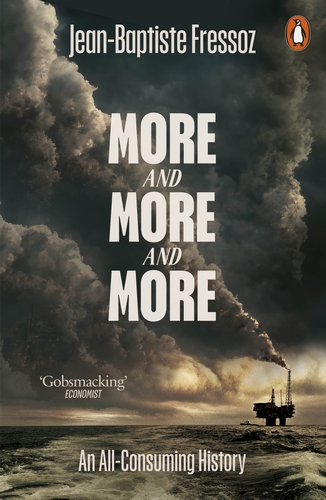
More and More and More
It has become habitual to think of our relationship with energy as one of transition: with wood superseded by coal, coal by oil, oil by nuclear and then at some future point all replaced by green sources. Jean-Baptiste Fressoz’s devastating but unnervingly entertaining book shows what an extraordinary delusion this is. Far from the industrial era passing through a series of transformations, each new phase has in practice remained almost wholly entangled with the previous one. Indeed the very idea of transition turns out to be untrue. The author shares the same acute anxiety about the need for a green transition as the rest of us, but shows how, disastrously, our industrial history has in fact been based on symbiosis, with each major energy source feeding off the others. Using a fascinating array of examples, Fressoz describes how we have gorged on all forms of energy – with whole forests needed to prop up coal mines, coal remaining central to the creation of innumerable new products and oil still central to our lives. The world now burns more wood and coal than ever before. This book reveals an uncomfortable truth: ‘transition’ was originally itself promoted by energy companies, not as a genuine plan, but as a means to put off any meaningful change. More and More and More forces its readers to understand the modern world in all its voracious reality, and the true nature of the challenges heading our way.
Breakthrough Energy | Home
Empowering innovators to build the future of energy
Oil and Gas=Peril and Poverty/ Solar and Wind=Prosperity and Protection
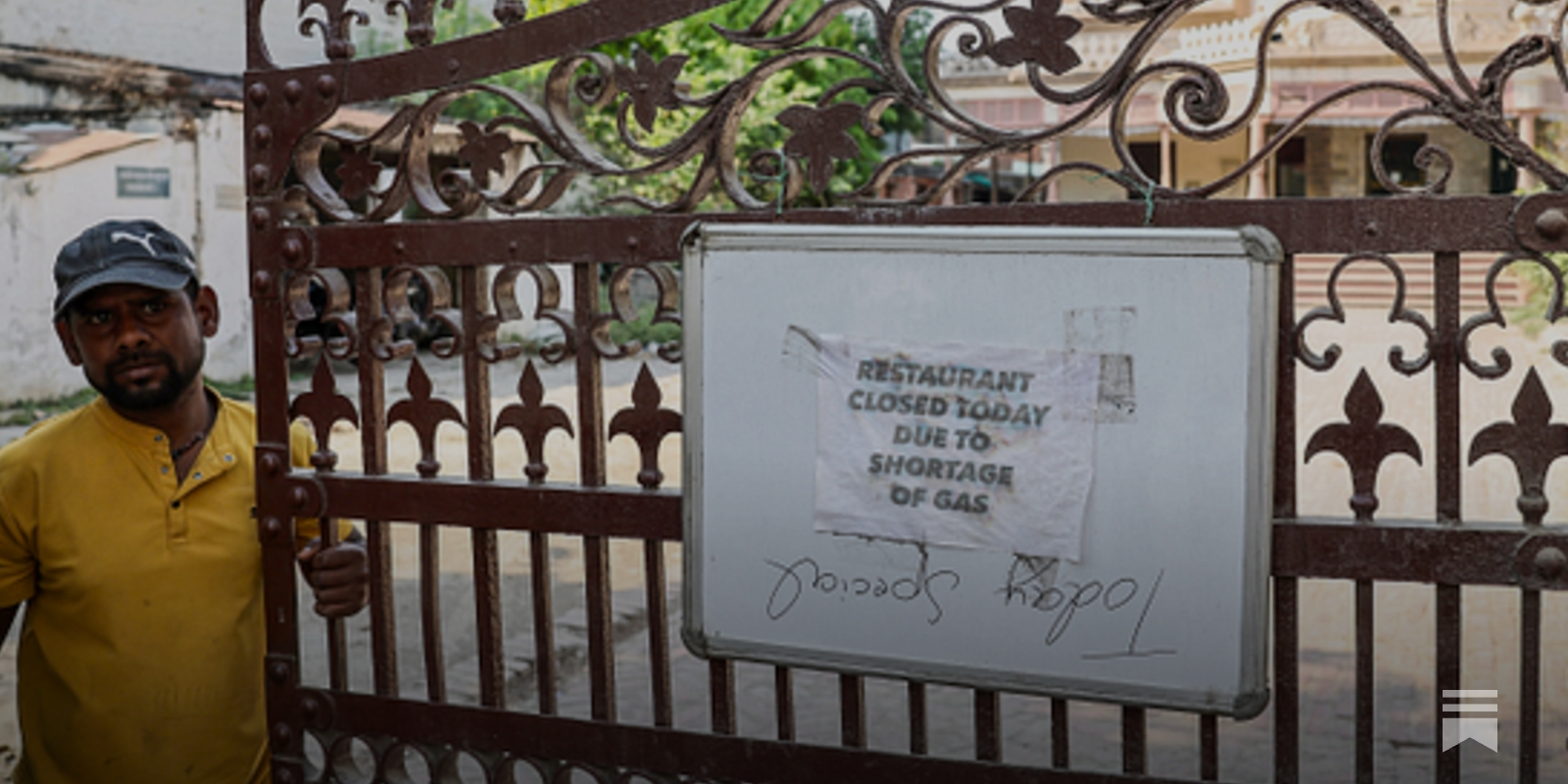
2026 has changed the psychological meaning of energy forever
Ditch the niceties in AI prompts to save energy use, say researchers
A UN report warns of the rapid growth in AI energy consumption, but suggests users can improve efficiency by making prompts more concise

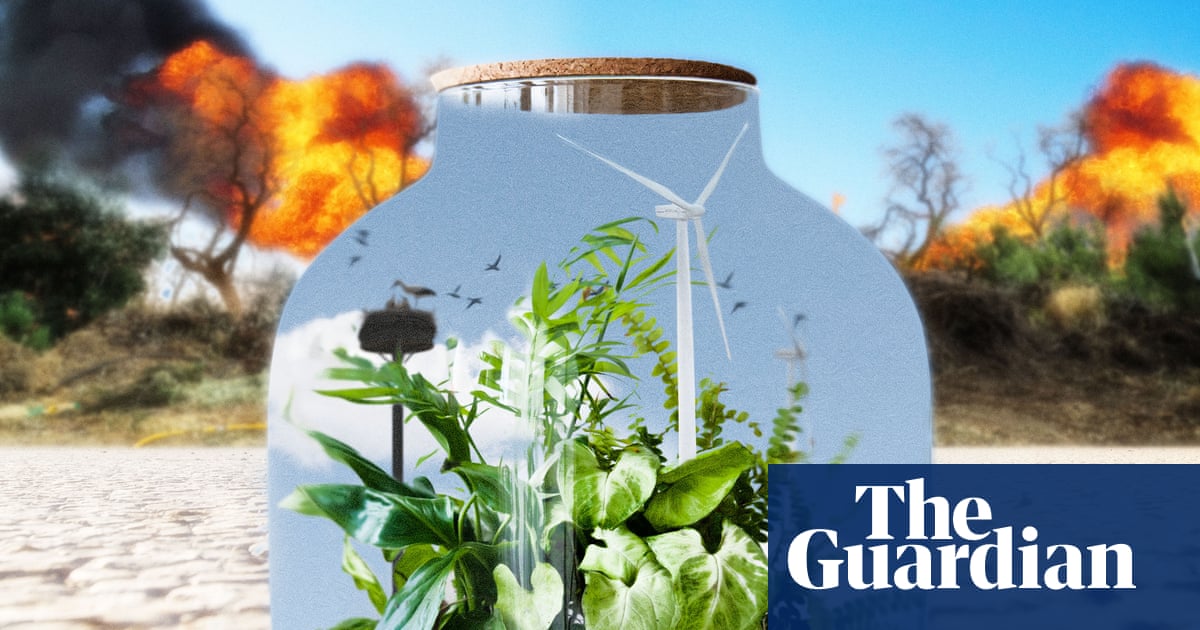
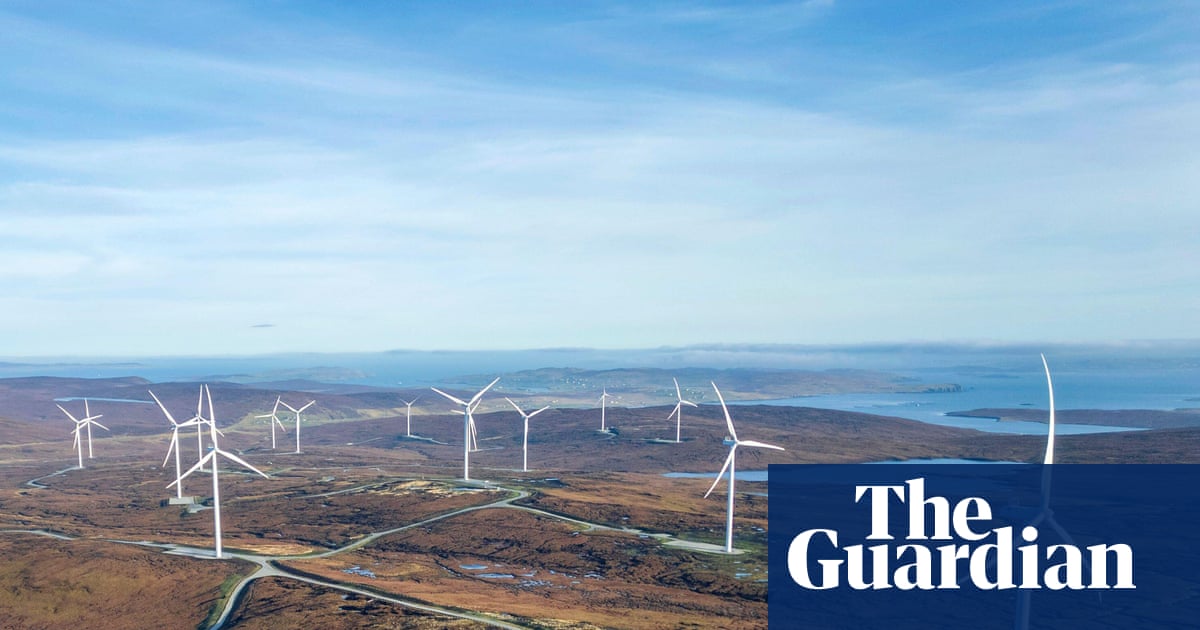
Climate solutions most likely to reach ‘positive tipping points’ revealed by scientists
Global shift towards clean electricity could trigger ‘cascade’ of progress, helping reduce air pollution, cut waste and revive oceans
ATmosphereConf 2026: Great Energy, But We Need to See the Money — Limeleaf Worker Collective
Posted on April 03, 2026 in AT Protocol, Bluesky, ATmosphere by John Luther

Ecocivilization: making a world that works for all
""One of the greatest thinkers of our age" (The Guardian) presents a new way of living-one modeled on nature's design instead of capitalism's-for fans of Guns, Germs, and Steel and Doughnut Economics It has often been said that it is easier to imagine the end of the world than it is to imagine the end of capitalism-and yet that is what the historical moment urgently calls for. Climate change has reached an emergency state, inequality continues to grow, and, for many, the future has never seemed more bleak. Incremental policy improvements are no longer enough-we need a deep transformation of our current civilization to continue to survive. In Ecocivilization, leading thinker Jeremy Lent reimagines the basis of our civilization, and argues for a new global system of living, one based on life-affirming principles modeled after nature's own design. What enfolds is a robust framework incorporating Lent's own expertise, and the lived experiences of those on the ground already putting ecological civilization's core tenants into practice-justice, mutuality, diversity, and symbiosis. From the global economy to universal housing and income, from infrastructure to agriculture, every major aspect of our society could be redesigned to work together as a coherent whole, setting the conditions for all people to flourish. Ecocivilization shows how this future on a regenerated Earth is not only desirable, but entirely feasible"--

Appropriate Technology, Permacomputing, Post Growth, and Ecomodernism.
To adapt to the changing climate, we need to radically rethink how and why we do the things we do. From technology, to social movements, to economics. The world is at stake. And we can change it.