

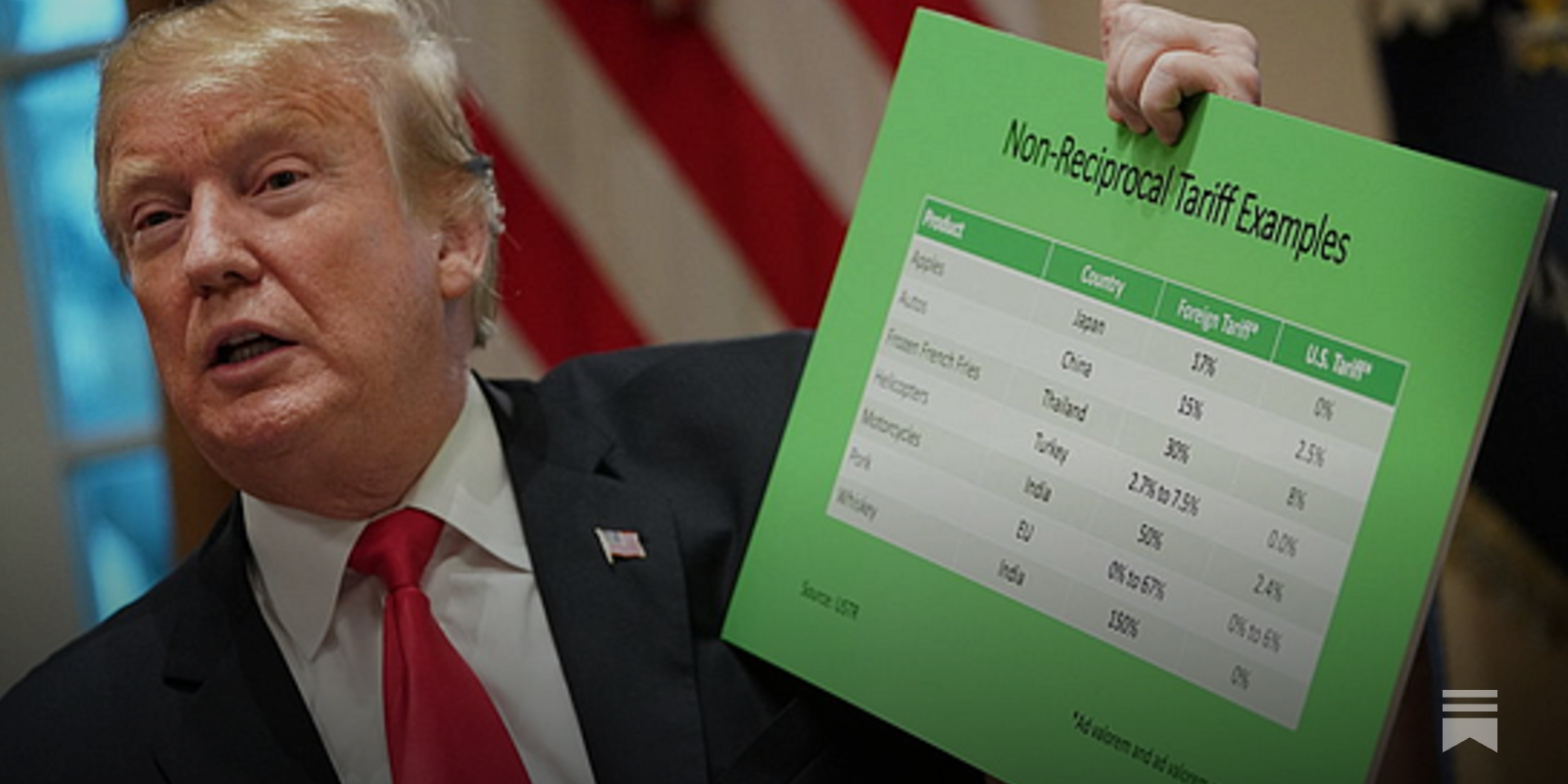
The populist case for economic liberalism
Economists on the Run
Paul Krugman and other mainstream trade experts are now admitting that they were wrong about globalization: It hurt American workers far more than they thought…

Ce sont les consommateurs américains, non les étrangers, qui payent les droits de douane de Trump
traduction française du billet de blog "How goes the trade war? Consumers, not foreigners, are paying the Trump tariffs" de Paul Krugman

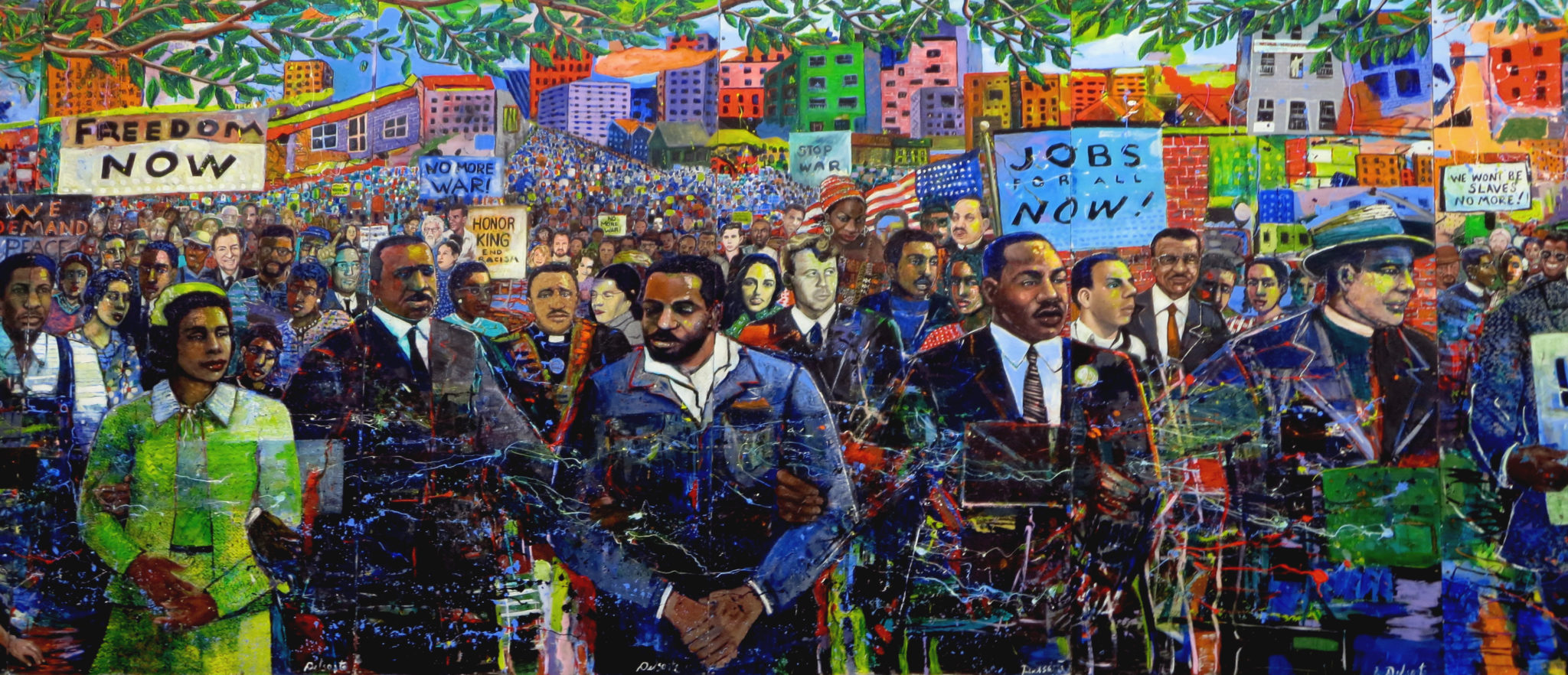
Freedom Now | Polity: Vol 52, No 3
Left-wing politics is resurgent. Self-proclaimed socialists are unexpectedly popular. Proposals like universal health care are a commonplace of Democratic campaigns. But there is not yet a clear, unifying idea behind this political shift. We propose that that idea is freedom. While the left once understood freedom as emancipation from the economy, the right spent the twentieth century neutralizing and appropriating the idea of freedom by reinventing the economy as the true site of freedom. To reclaim freedom as a value of the left, we have to begin with the daily experience of most people: the unfreedom of the workplace. The authoritarian organization of work is not just an offense against freedom; it also helps us understand how freedom requires emancipation both from the economy and within the economy, and why that emancipation requires mass struggle.

annotations: Ce que les populistes ne comprennent pas à propos des tarifs douaniers
Traduction française du billet de blog "What populists don't understand about tariffs (but economists do)" de Kimberly Clausing & Maurice Obstfeld
How the unholy alliance of Big Tech and the far right threatens the world
Far-right populists are the best chance for the tech oligarchs to hold onto power and wealth through the pursuit of ‘End Times Fascism’

Power: A Primer for Perplexed Economists
Let's Assume an Unfettered Marketplace of Ideas! Or Actually, Let's Not.
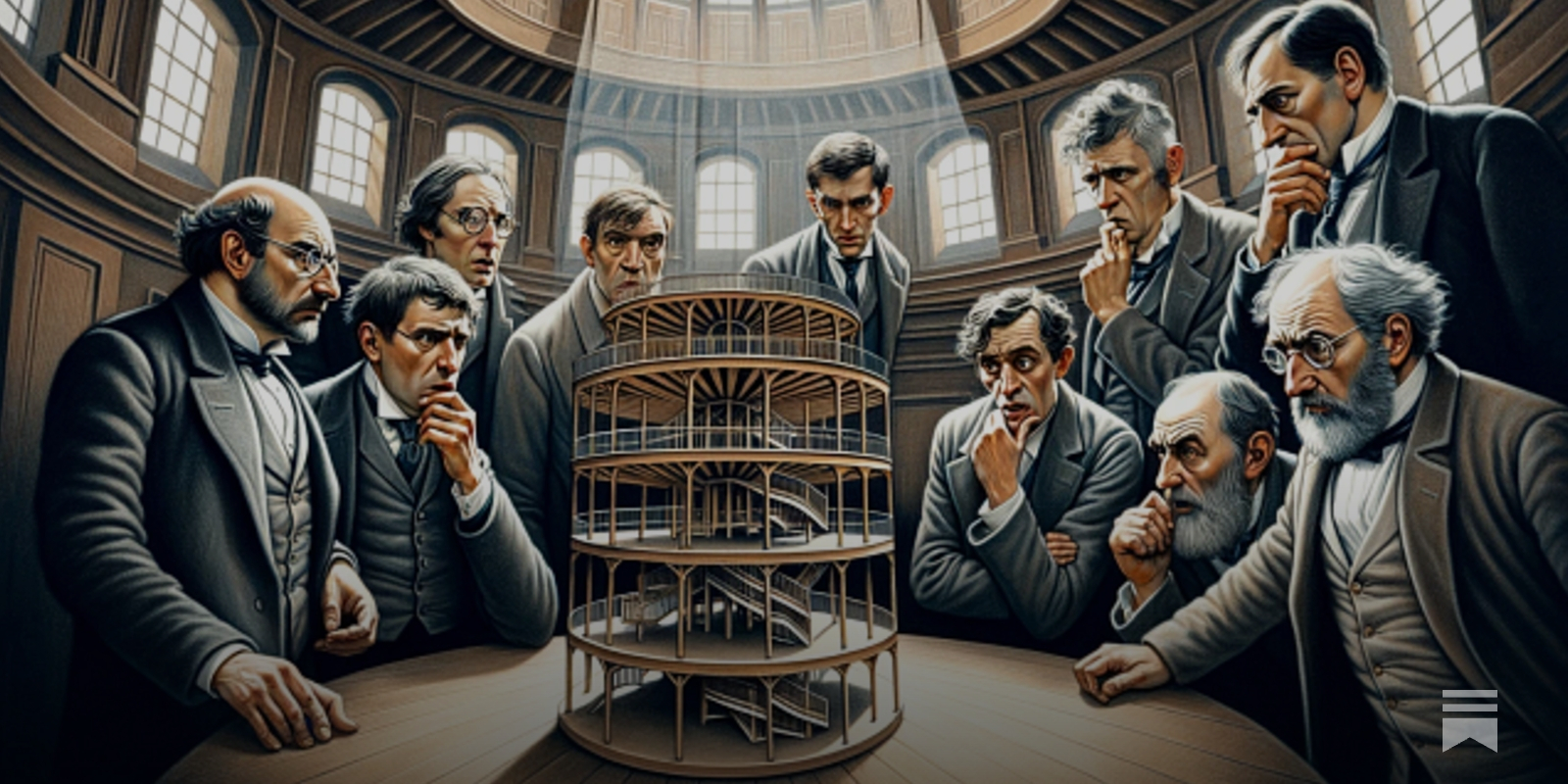
Radical markets: uprooting capitalism and democracy for a just society
Many blame today's economic inequality, stagnation, and political instability on the free market. The solution is to rein in the market, right? Radical Markets turns this thinking on its head. With a new foreword by Ethereum creator Vitalik Buterin and virtual reality pioneer Jaron Lanier as well as a new afterword by Eric Posner and Glen Weyl, this provocative book reveals bold new ways to organize markets for the good of everyone. It shows how the emancipatory force of genuinely open, free, and competitive markets can reawaken the dormant nineteenth-century spirit of liberal reform and lead to greater equality, prosperity, and cooperation. Only by radically expanding the scope of markets can we reduce inequality, restore robust economic growth, and resolve political conflicts. But to do that, we must replace our most sacred institutions with truly free and open competition Radical Markets shows how

10.27.03 - "The 'free market' doesn't exist": More on framing from George Lakoff
"The 'free market' doesn't exist": More on framing from George Lakoff
Capitalism, Democracy, and Du Bois’s <em>Two</em> Proletariats
[epq-quote align="align-right"]"What can be more radical or liberating than freedom and justice for all?"[/epq-quote] As an ideal, liberal democracy has great appeal. What can be more radical or liberating than...
Grâce à Trump, nous savons qui supporte les droits de douane
Traduction du billet de blog "Who pays tariffs? And how do we know?" de Paul Krugman

Qui paie les droits de douane de l’administration Trump ?
Traduction française du billet de blog "Who pays for tariffs? Insights from recent research" de Kimberly Clausing & Maurice Obstfeld (PIIE)

Opinion | One Senator’s Plea for Tariff Breaks
How protectionism works in practice: Public support, but seeking exemptions in private.
Droits de douane : comment le projet radical de Trump pourrait ruiner l’économie américaine
traduction française du billet de blog "How Trump’s radical tariff plan could wreck our economy" de Paul Krugman

Preface | The World After Capital
Since publishing the previous version of The World After Capital, I have met with people across the political spectrum to discuss the ideas from the book. When I present these in person, I emphasize that the ideas are neither left nor right but forward (credit to Scott Santens who first used this phrase about Universal Basic Income). My writing, however, at times has alienated readers who identify as being more on the right. In this new edition, I am therefore making an extra effort to emphasize how both my diagnosis of where we are at and my suggestions for how to move forward do not map onto the existing political divides. Instead this is a new way of understanding our challenges and opportunities that can be the basis for movements and parties that are not trapped in Industrial Age ideology.
AI Populism: Capitalism's New Avatar — Stigmergic
Brian Merchant argues that "AI populism" is not a new political force but 21st-century populism responding to unrestrained capitalism. The term, coined by Jasmine Sun and amplified by David Wallace-We
Capitalism and markets are closely connected, but they aren't exactly the same thing. And once we recognize that it opens up a huge new terrain for different types of social organization. J.K. Gibson Graham wrote on this a lot. en.wikipedia.org/wiki/J._K._Gibson-Graham
J. K. Gibson-Graham - Wikipedia
en.wikipedia.org