


What if marriage is not the social good that so many believe and want it to be?
Death to Bullshit
If you think about it, our attention is the only thing we truly own in our lives. Our possessions can go away. Our bodies can be compromised. Our relationships can fall apart. Even our memories and intellectual capacity fade away.

A Typology of Insecurities in Non-monogamy
Because “jealousy” and “envy” aren’t all there is.

Unhappy Coincidences
marriages of licensing convenience, and changed circumstances

We Chose Frictionless. It Left Us Empty.
On what my parents understood about creating relationships that we have forgotten — and why the inconvenience is the whole point.

A psychologically rich life: Beyond happiness and meaning.
Social fabric: The Price of What Survives
Some reflections on the social fabric (which we've taken to calling 'social capital')

We've Lost the Spaces That Foster Friendship
We keep offering individual fixes for loneliness while ignoring the disappearance of the spaces where adults once built real relationships.

Opinion | Love People, Not Pleasure (Published 2014)
What do fame, wealth and lots of sex bring? Exactly the opposite of what you think.

How Social Isolation Is Killing Us (Published 2016)
Research confirms our deepest intuition: Human connection lies at the heart of human well-being.

Beyond Equality—Non-Monogamy and the Necropolitics of Marriage
‘Marriage equality’ has been a widely used slogan and mobilizing concept for LGBTQ+ rights’ movements across the globe striving for formal recognition for ‘same-sex’ or ‘same-gender’ marriages. In this article, we critically interrogate the terminology and political rationality that have given shape to ‘marriage equality’ campaigns. We demonstrate the structural erasure of non-monogamous relations and populations from the changes hoped for and envisioned in these mobilizations. The lack of any genuine and substantial concern with consensual non-monogamies (CNMs) from most of the literature in the field highlights the close entanglement of marriage with monogamy. As a result, ideas are scarce about how meaningful and adequate legal recognition and social policy provisions for a wide range of intimate, sexual, familial, and/or caring bonds or constellations on the CNM continuum could look like. We argue that the critique of the mononormativity inherent to marriage is fundamental to understanding the role of this in the 21st century. We identify the roots of the mononormativity of marriage in its governmental role as a necropolitical and biopolitical technology, evidenced by its ‘civilizing’ function in white settler colonial projects. Because of this, an expansion of the call for equality to include non-monogamous populations does not resolve but rather aggravates the problem. We conclude that any truly queer politics of CNM consequently needs to be anti-marriage.
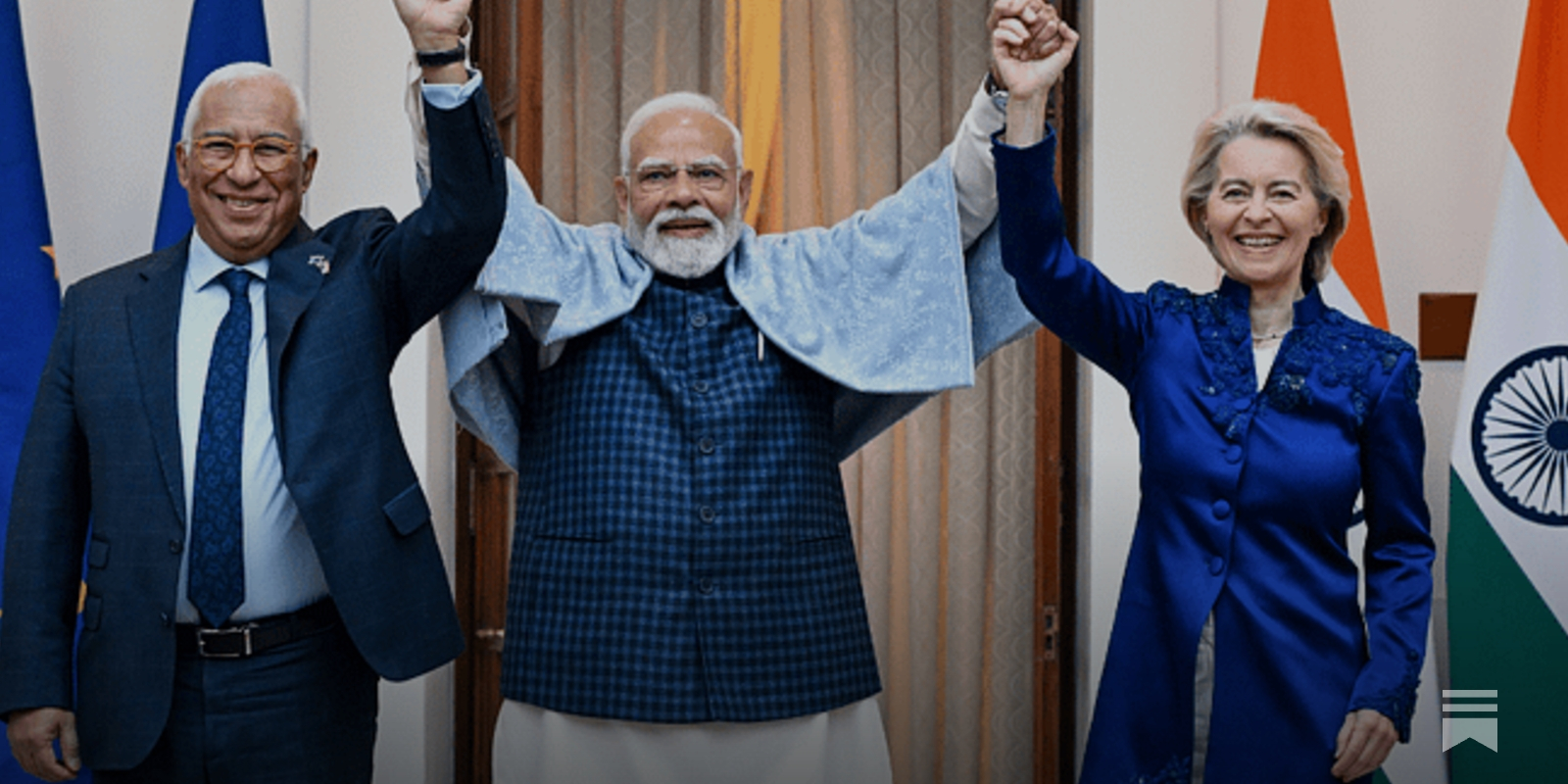
The World Files for Economic Divorce from America
What you do when your (trading) partner is abusive
Relational values of nature: leverage points for nature policy in Europe
Relational values reflect the qualities of the relationships between humans and nature, such as care, social bonding, place attachment and spiritual meanings. In this perspective article, we argue ...


Why Lonely People Stay Lonely
It’s not because they don’t understand social skills.

“Conscientiousness may be the best single word describing what drives social capital: conscientious people do their bit without being told. It is declining precipitately.” nicholasgruen.substack.com/p/social-fabric-the-price-of-…

Social fabric: The Price of What Survives
nicholasgruen.substack.com
