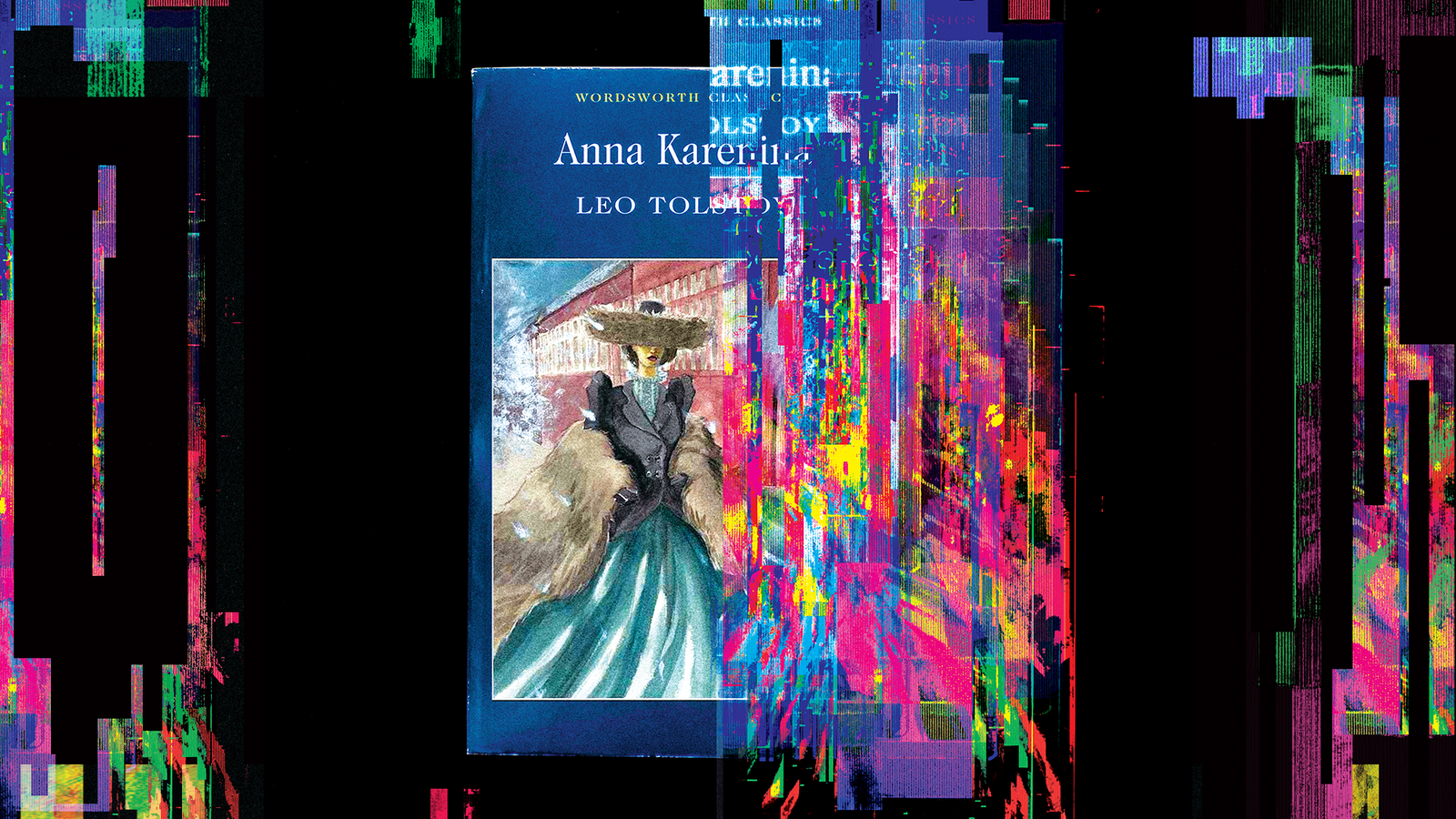
Optimists once believed that universal literacy was inevitable. Now it seems that the age of reading might be a short anomaly in human history.
The End of Reading Never Began
What “The End of Reading Is Here” gets wrong about literacy, intellectual authority, and American “decline”
What’s Happening to Reading?
For many people, A.I. may be bringing the age of traditional text to an end.

“The End of Reading Is Here” - The Ringer
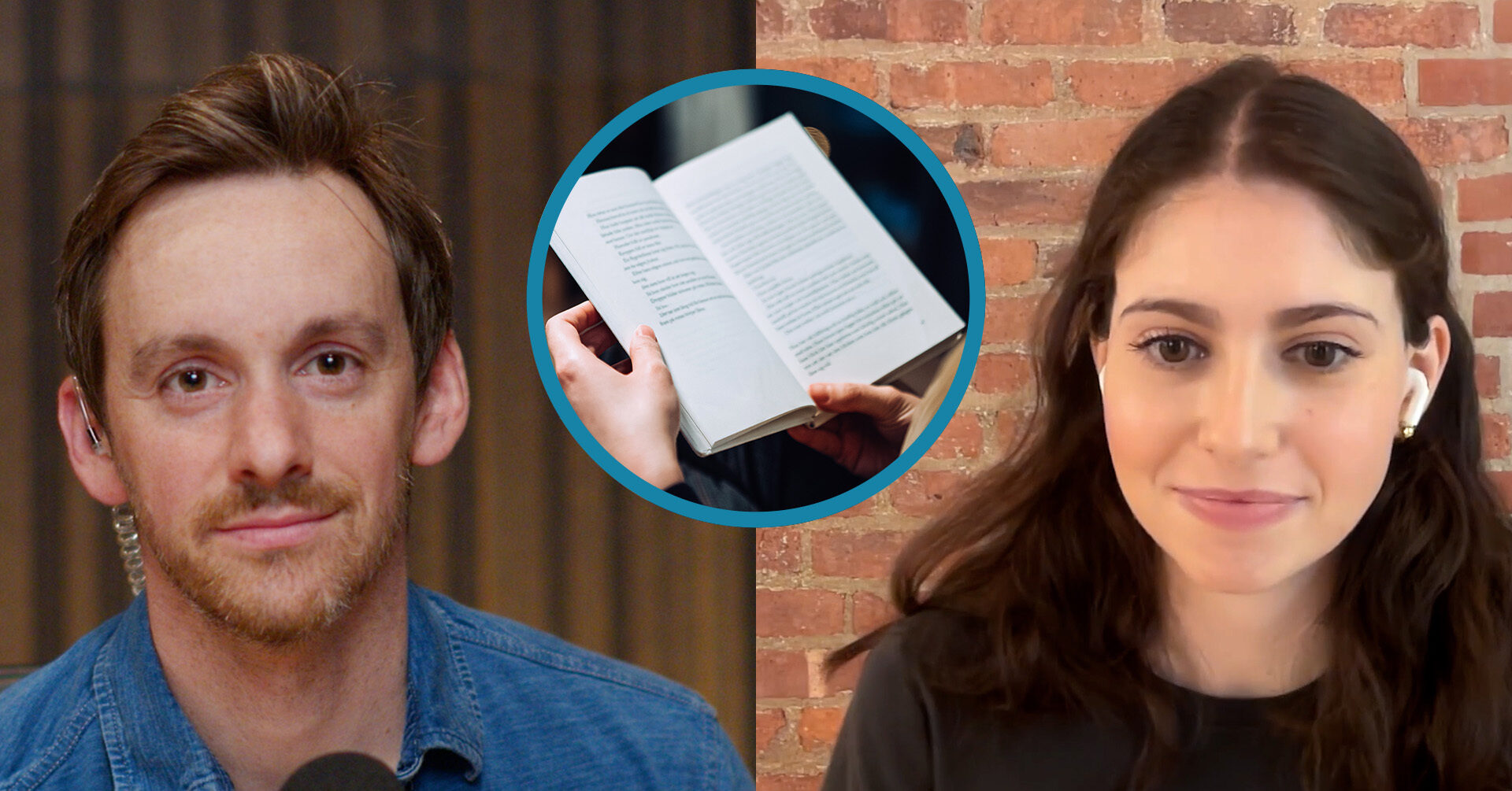
There’s no doubt that reading is in decline. But what is that decline doing to the way we think? Derek talks with The Atlantic’s Rose Horowitch about why Americans are reading fewer books than ever and struggling more with complex texts and what that means for education, work, politics, and culture.
This is Not the End of Reading. It's the End of Modernism.
Why academics and journalists are confusing Modernism with reading itself.
Reading in the Age of Constant Distraction by Mairead Small Staid
February 8, 2019 – Twenty-five years ago, Sven Birkerts published “The Gutenberg Elegies: The Fate of Reading in an Electronic Age.” Have his fears and projections come to pass?
Childhood And Education #17: Is Our Children Reading
Reading is the most fundamental thing in education.
Reading Wars
Read online or download for free Reading Wars explores heated, even murderous, political struggles over who gets to read and what they get to read. Those conflicts, once again in the news, stretch back centuries. In this book, Don Herzog examines the history and politics of anxieties about readers and reading, spanning both the United States and Britain, from the 1500s right up to contemporary battles over banning library books and freedom of speech. In these pages, Herzog deftly interweaves episodes from Reformation England, when first Catholics and then Protestants cracked down on unsupervised Bible-reading, with the deadly campaigns in pre-Civil War America to keep black people – both free and enslaved – illiterate. Drawing on a wealth of primary sources, he reconstructs arguments insisting that ordinary men and women could not be trusted to read what they liked – indeed, that some of them ought not read at all. And he charts struggles to promote literacy. Herzog argues that at stake in these battles is whether some people – those banned from reading – are perceived as not fully human, or lesser persons than others. The radical campaign to let more or less everyone read more or less everything is ultimately, therefore, a campaign for equality. Click here to read praise for Reading Wars "In characteristically engaging and straight-forward language Don Herzog explores the debates past and present, largely in Britain and America, about whether or not to suppress reading. By taking seriously the arguments for suppressing or restricting books and their readers, Herzog suggests that those arguments turn on the claim that for some people reading is dangerous. This assumption, Herzog compellingly argues, ignores the fact that literacy is largely a social activity. In Reading Wars, Herzog develops a powerful liberal argument for literacy and reading. An argument, Herzog shows, that has incompletely triumphed." — Steve Pincus, Thomas Donnelly Professor of History, University of Chicago "Knowledge is power - which is why efforts to acquire knowledge through reading have been outlawed, suppressed through violence, and remain targets today. Don Herzog's Reading Wars tells the astonishing history behind the wars on reading in a readable, clever style, underscoring the stakes of many of the current fights over censorship and book bans." — Leah Litman, cohost of the podcast Strict Scrutiny and New York Times bestselling author of Lawless "A rich yet accessible introduction to the many ways in which society has attempted to restrict reading materials throughout British and United States history. Equal parts illuminating and horrifying, it lays the groundwork for the 21st century’s own shameful dabbles with censorship through its careful consideration of the key concerns and prejudices that structure each generation’s literacy battles." — Alison Hicks, Associate Professor in Library and Information Studies, UCL "Political theory, historical sense, worrisome texts, unheralded documents, and great storytelling join forces in Herzog’s virtuoso investigation of the brutal fighting over who gets to learn to read (and what) in early and late modern America and Britain. The bloodshed may have lessened, but we are still fighting, and Herzog shows the deeper stakes involved in reading’s relation to equality and personhood." — Mary G Dietz, John Evans Professor Emerita of Political Theory, Northwestern University , Reading Wars explores heated, even murderous, political struggles over who gets to read and what they get to read. Don Herzog examines the history and politics of anxieties about readers and reading, spanning the United States and Britain, from the 1500s right up to contemporary battles over banning library books and freedom of speech.

Opinion | My Students Can’t Read
The generational collapse in literacy is measurable, persistent, and likely to get worse.
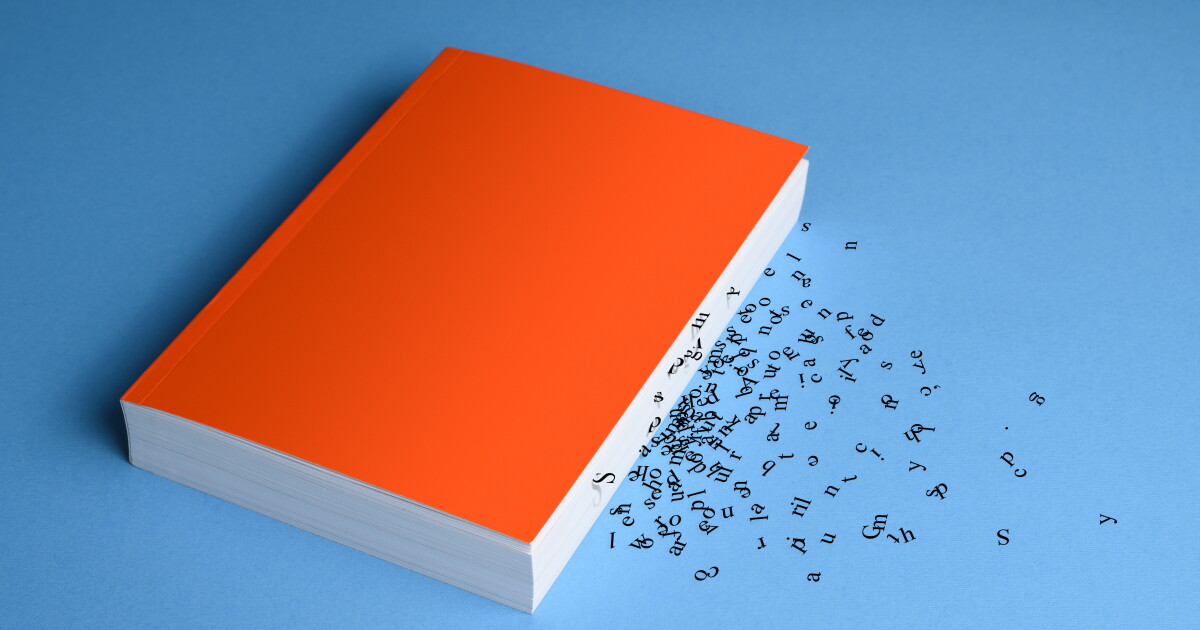
How a flawed idea is teaching millions of kids to be poor readers
For decades, schools have taught children the strategies of struggling readers, using a theory about reading that cognitive scientists have repeatedly debunked. And many teachers and parents don't know there's anything wrong with it.

The revolt of the reader | The Observation Deck
Reading is important to me. While I’m not a quick reader nor an especially voracious one, I have found that long-form reading has had a profound influence on me over my life. And because reading is important to me, writing is too: writing not only allows us to convey our ideas, but the very act forces us to test and distill them — at once making our ideas more robust while providing the vehicle by which to share them.
Ultra-Processed Minds: The End of Deep Reading and What It Costs Us
A reflection on the reading life. What formed it, what threatens it, and what remains.

Skim reading is the new normal. The effect on society is profound | Maryanne Wolf
When the reading brain skims texts, we don’t have time to grasp complexity, to understand another’s feelings or to perceive beauty. We need a new literacy for the digital age writes Maryanne Wolf, author of Reader, Come Home
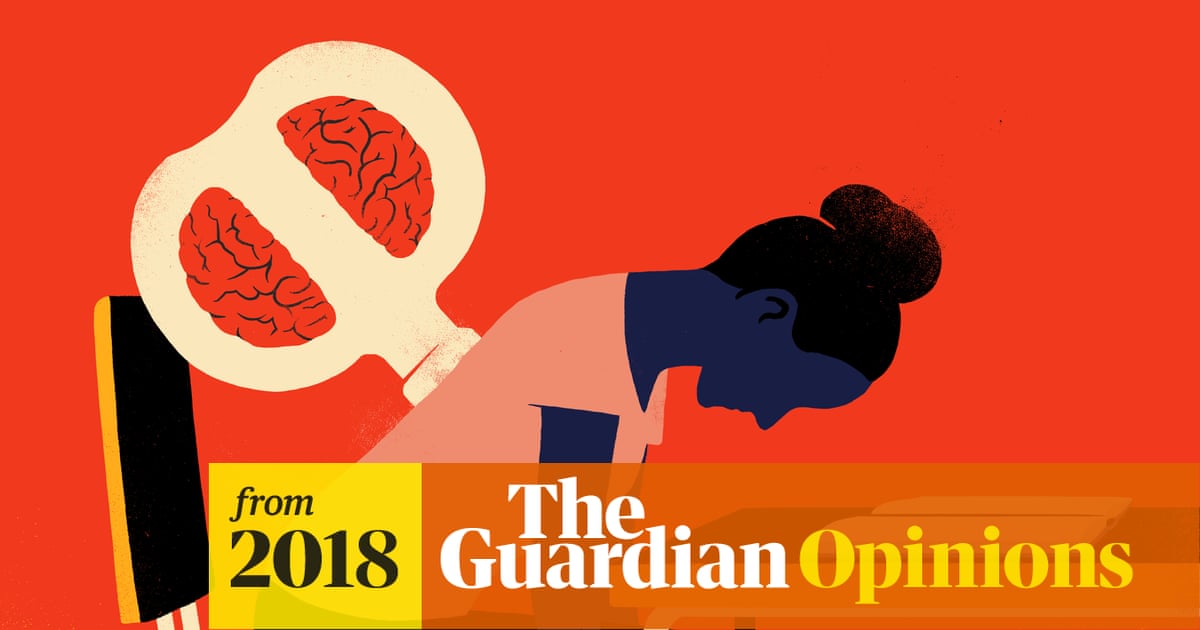

What we think is a decline in literacy is a design problem | Aeon Essays
Your inability to focus isn’t a failing. It’s a design problem, and the answer isn’t getting rid of our screen time

Academia: What Was "Digital Literacy"?
Short Shelf Lives Make For Bad Curricular Planning