

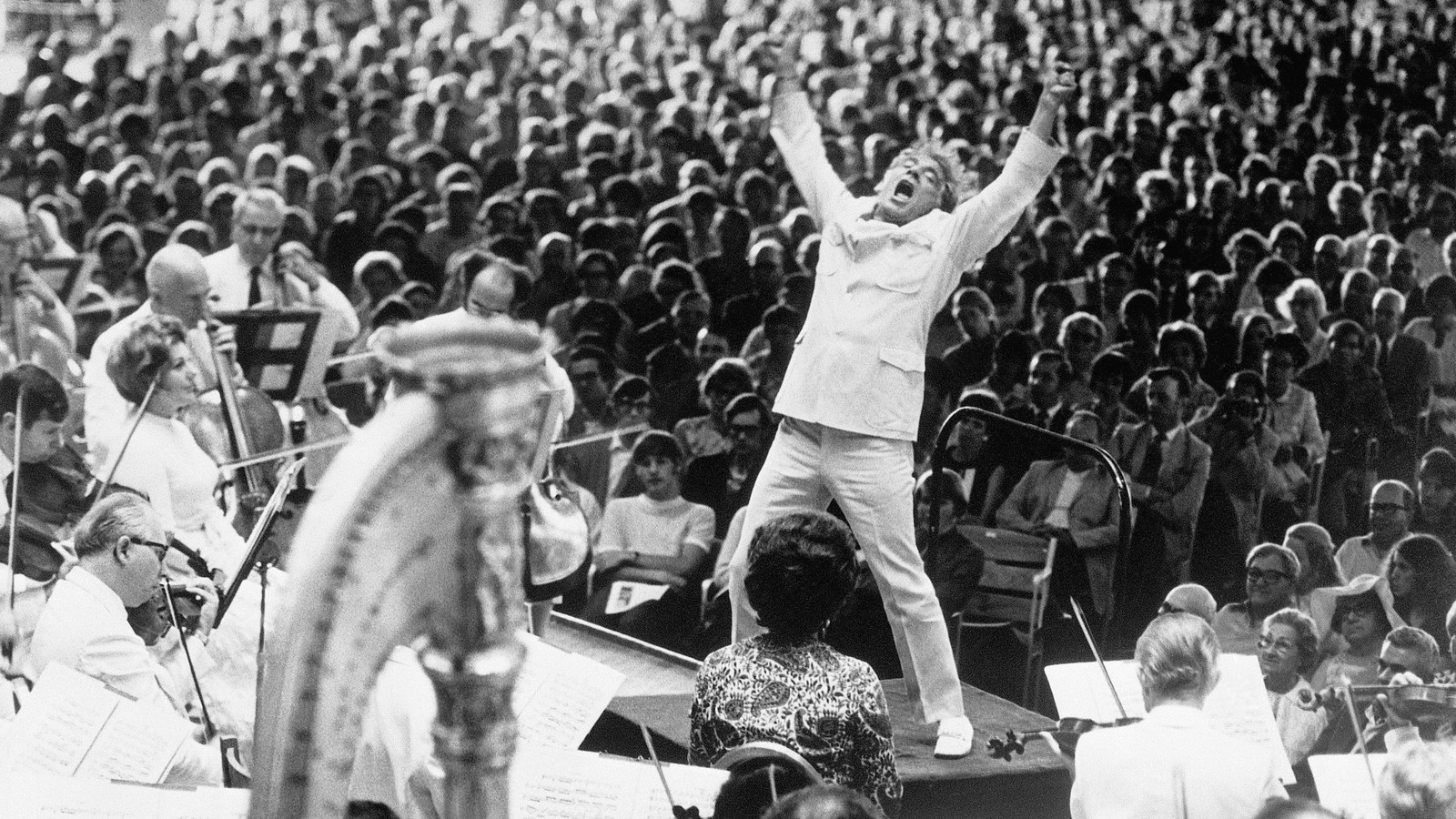
“Can anyone explain in mere prose the wonder of one note following or coinciding with another so that we feel that it is exactly how those notes had to be? Of course not.”
Rethinking the Large Ensemble Paradigm: Moving Toward Epistemic Justice
In this paper, I center the epistemic dimensions of musics and musicking to consider the ways in which the band/orchestra/choir paradigm of music education prevalent in the U.S. and Canada may be implicated in epistemic injustice. Drawing in particular on the work of Fricker (Epistemic injustice: power and the ethics of knowing, Oxford University Press, New York, 2007), Dotson (Hypatia 26(2):236–257, 2011), and The Routledge Handbook of Epistemic Injustice (Kidd et al., The Routledge handbook of epistemic injustice, Routledge, New York, 2017), I explore facets of epistemic injustice and apply these ideas to music education school contexts in Canada and the U.S. I further explore aspects of school music that may amount to “testimonial smothering” (Dotson 2011) and “cognitive imperialism” (Battiste in Can J Native Educ 22:16–27, 1998). Ultimately, building on existing literature on epistemic justice (Kidd et al. 2017; Fricker 2007), I theorize an epistemically just music education for school music in alignment with culturally responsive, anti-racist, and anti-colonial teaching.
Music Chat: Classical Music's Ten Dirtiest Secrets
NoobNotes.net - music notes for newbies
Easy letter notes with lyrics for novices Welcome to my collection of 500+ easy songs all worked out by ear and written in ABC letter notes beginners – created for fun, free, quick and easy music practice for children and adults alike 🙂 Start learning music today! More about NoobNotes › These simple music notes are perfect for novices […]
Treble and Bass Clef Notes: The Essential Guide to Sheet Music -
"Dive deep into treble & bass clef notes! Unlock the mysteries of musical notation & elevate your music reading skills."
About these notes
Hi! I’m Andy Matuschak. You’ve stumbled upon my working notes. They’re kind of strange, so some context might help.
From Prompting to Describing: A Cross-Cultural Study of Language for AI-Generated Music
Recent text-to-music (TTM) systems such as Suno [22], Udio [23], and Google’s MusicFX [7] allow users to generate music from a natural language prompt, lowering the barrier to music creation for users without specialized musical knowledge [27]. Understanding how users write these prompts is therefore a fundamental question for music information retrieval and human-AI interaction research. Yet, prompting a generative system is not the same cognitive or linguistic act as describing music one has heard [12]. When a user writes a prompt, they encode anticipatory intent to steer the system toward a desired or imagined output, whereas when a listener describes a piece of music, their language is grounded in a perceptual experience. We argue that these two acts produce systematically different language—a distinction that, despite being intuitive, has not been quantitatively examined. This gap has practical consequences: recent TTM models are trained predominantly on metadata-centric corpora (genre labels, BPM, descriptive tags) [6] rather than on the kind of language users naturally produce when listening, leaving the prompt-description gap unexamined. Moreover, this gap limits our ability to evaluate and improve human–AI interaction in music generation, as current systems are optimized for prompt input but commonly assessed through human perception.
Double processing information for notes : Garden of Learning by Juhis
As I read discussions about note-taking and learning, I often run into complaints about how much time and effort it takes to make and maintain notes and how people wish they could end ...
Re-balancing For You - For You notes
Art of Noise
A multi-sensory exploration of how design has changed the way we’ve experienced music over the past 100 years.

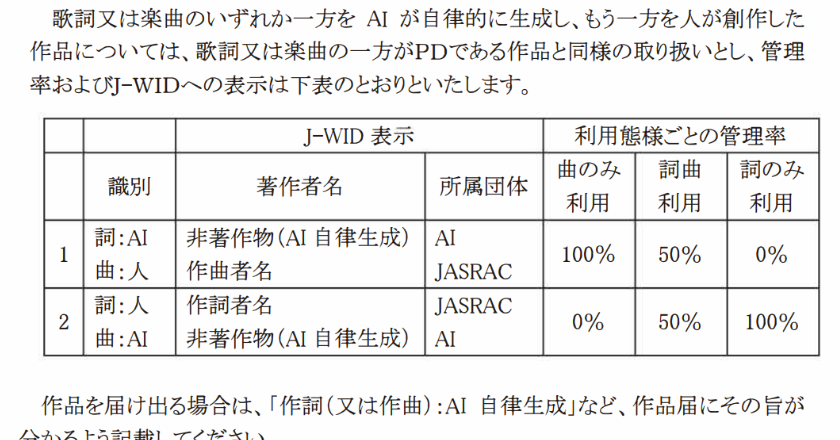
JASRAC、「AI作曲・人間作詞」の曲は管理します――「人間の創作的寄与の有無」で線引き
歌詞・楽曲両方をAIが作った曲は管理しないが、歌詞か楽曲をAI生成し、もう片方を人間が創作した曲は、人が作った部分のみ管理するという。
[Interview] Snow J of Cheerful Music dives into the cross cultural intersection of AI and music – EARMILK
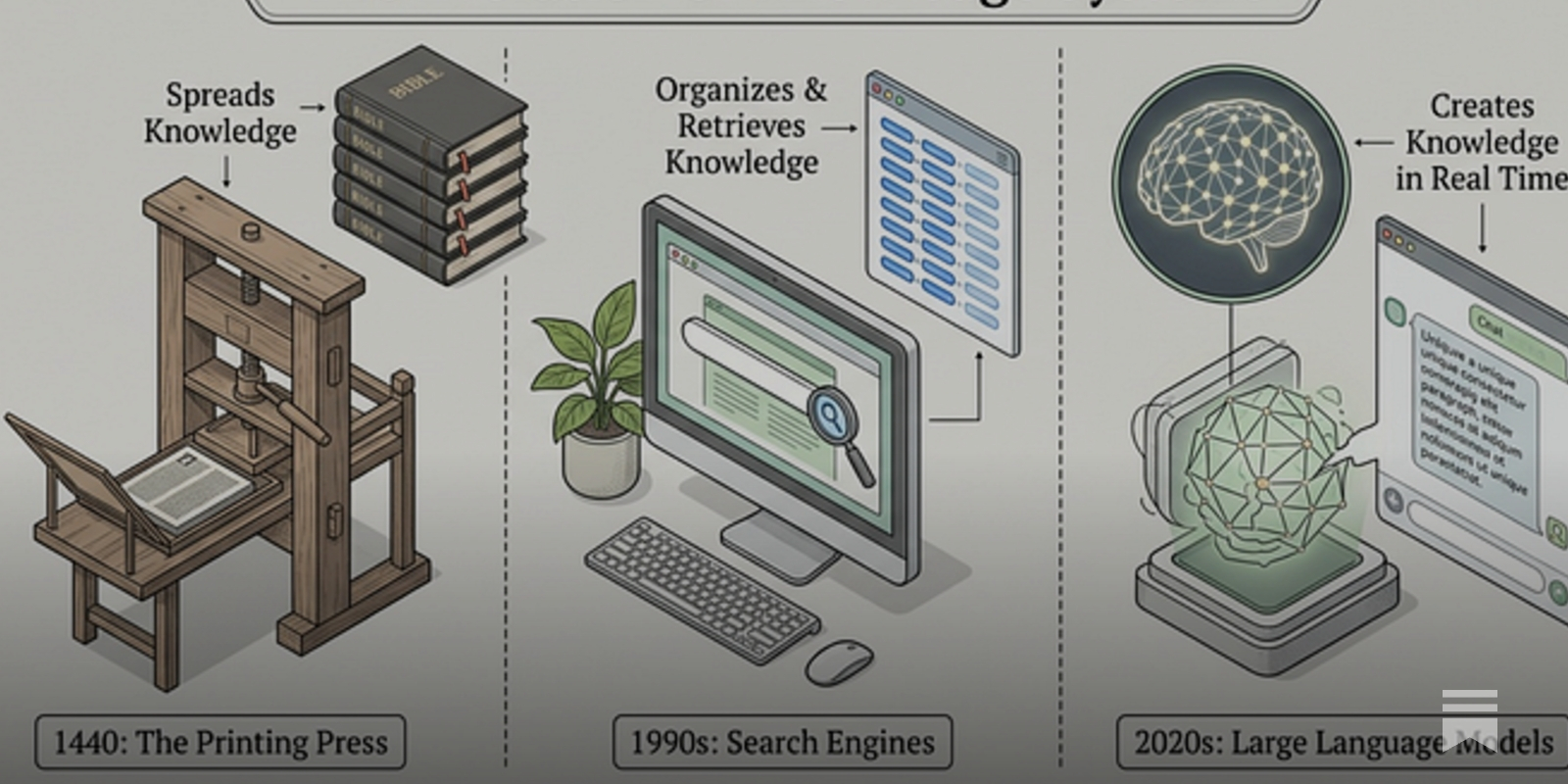
In conversation with Earmilk, Snow. J explores how AI has restructured the foundation of music culture, striking a balance between AI and human-made music as well as Cheerful Music's distinct approach to engaging AI technology in music making and marketing.

Getting Started Making Music | Notion
There are four elements of formula you need to make music.

incredible, no notes

Making 3 AI's Count to 100 Together
youtu.be