

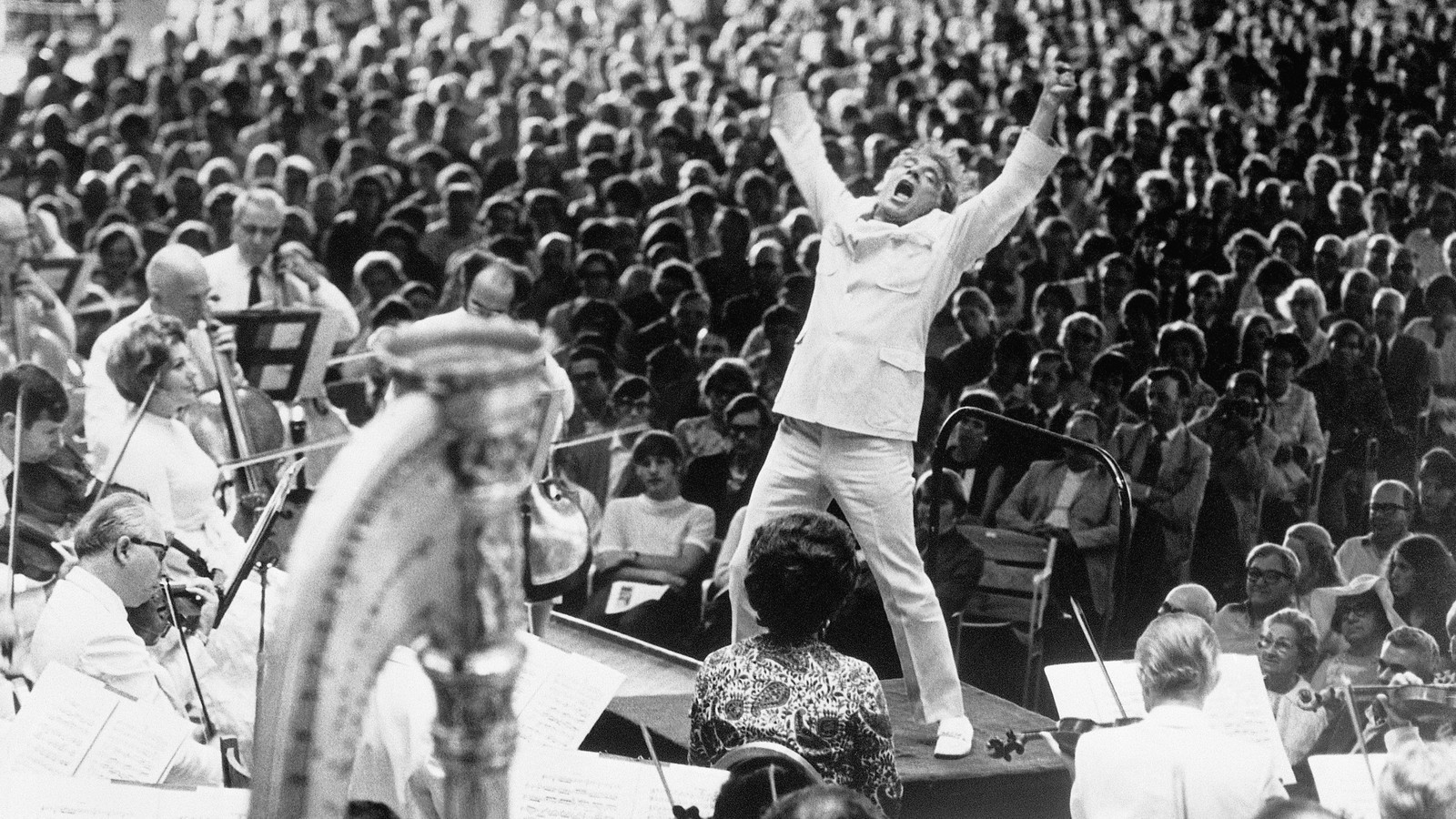
“Can anyone explain in mere prose the wonder of one note following or coinciding with another so that we feel that it is exactly how those notes had to be? Of course not.”
Music Theory that isn't boring - Lightnote
Interactive lessons for learning Music Theory.
Brain knows how to stop thinking, start learning
Anyone who's ever learned music probably remembers reaching a point when they just played without "thinking" about the notes.

Ringing the chords of the Universe: how music influenced science | Aeon Essays
It’s no surprise that mathematics has influenced music. But did you know that the influence goes both ways?

Music theory for nerds
Not music nerds, obviously. I don’t know anything about music. I know there are letters but sometimes the letters have squiggles; I know an octave doubles in pitch; I know you can write a pop song with only four chords. That’s about it. The rest has always seemed completely, utterly arbitrary. Why do we have twelve notes, but represent them with only seven letters? Where did the key signatures come from? Why
What a Scan of Sting's Brain Teaches Us About Music
The puns, they almost write themselves. A cognitive psychologist at McGill University has scanned the brain of Grammy-winning musician Sting to glean

Rethinking the Large Ensemble Paradigm: Moving Toward Epistemic Justice
In this paper, I center the epistemic dimensions of musics and musicking to consider the ways in which the band/orchestra/choir paradigm of music education prevalent in the U.S. and Canada may be implicated in epistemic injustice. Drawing in particular on the work of Fricker (Epistemic injustice: power and the ethics of knowing, Oxford University Press, New York, 2007), Dotson (Hypatia 26(2):236–257, 2011), and The Routledge Handbook of Epistemic Injustice (Kidd et al., The Routledge handbook of epistemic injustice, Routledge, New York, 2017), I explore facets of epistemic injustice and apply these ideas to music education school contexts in Canada and the U.S. I further explore aspects of school music that may amount to “testimonial smothering” (Dotson 2011) and “cognitive imperialism” (Battiste in Can J Native Educ 22:16–27, 1998). Ultimately, building on existing literature on epistemic justice (Kidd et al. 2017; Fricker 2007), I theorize an epistemically just music education for school music in alignment with culturally responsive, anti-racist, and anti-colonial teaching.
Music Chat: Classical Music's Ten Dirtiest Secrets
NoobNotes.net - music notes for newbies
Easy letter notes with lyrics for novices Welcome to my collection of 500+ easy songs all worked out by ear and written in ABC letter notes beginners – created for fun, free, quick and easy music practice for children and adults alike 🙂 Start learning music today! More about NoobNotes › These simple music notes are perfect for novices […]
Treble and Bass Clef Notes: The Essential Guide to Sheet Music -
"Dive deep into treble & bass clef notes! Unlock the mysteries of musical notation & elevate your music reading skills."
Dissonant tones sound fine to people not raised on Western music
Musical perception is, surprisingly, not shared by all humans.

About these notes
Hi! I’m Andy Matuschak. You’ve stumbled upon my working notes. They’re kind of strange, so some context might help.
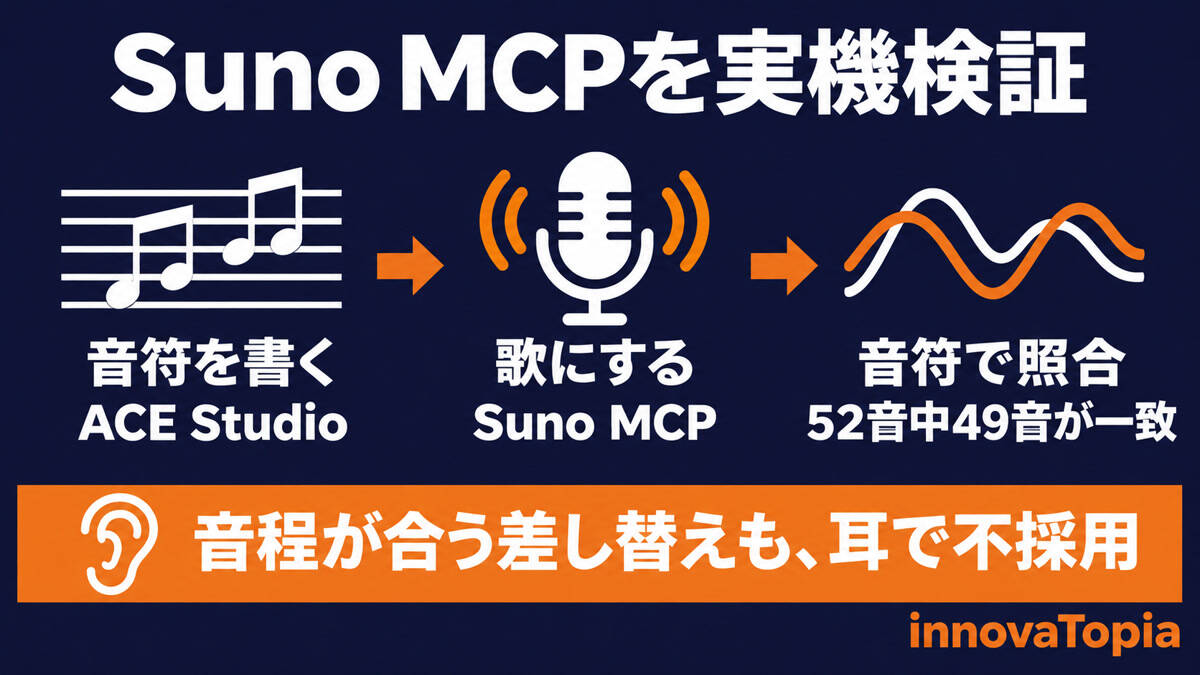
Suno MCPを実機検証、音符を歌にして照合。音程が合う差し替えも耳で不採用
前回は試せなかったSuno MCPをClaude Codeから実機検証しました。ACE Studioで書いた音符をガイド音源にしてカバーを作り、歌を音符に戻して照合。自動採譜の比較で最初の6行は52音中49音が一致した一方、差し替えは音程が合っても聴いて不採用に。曲の受け渡しの変化と人の判断を報告します。
incredible, no notes

Making 3 AI's Count to 100 Together
youtu.be