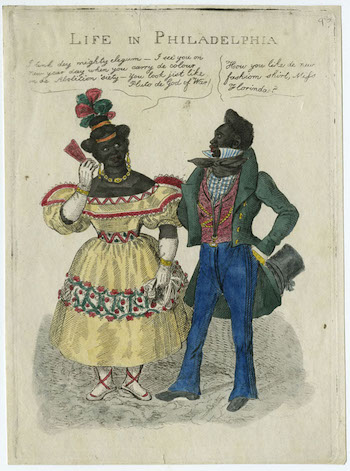
Two hundred fifty years of slavery. Ninety years of Jim Crow. Sixty years of separate but equal. Thirty-five years of racist housing policy. Until we reckon with our compounding moral debts, America will never be whole.
Voluptuous Disintegration: A Future History of Black Computational Thought
I really think that I know that Americans now are simply overwhelmed; like what is happening, what can we do. Everybody's tendency is understandably to try to take care of yourself; cover your back, make sure you have a house, a door for the key. I say that as understandable as that is, it seems to me that we cannot afford to divorce ourselves from what is happening in South Africa, for example, or for that matter, what is happening in West Germany, or Poland any more than the Reagan administration divides these issues. I think that the Reagan Administration and people in that; they see everything in global terms. From Brooklyn to Angola is not a big jump for them at all. I think that unless we, the people, begin to think in the same way, to make these connections, really on a visceral level, I feel for the survival of the species [Jordan 1981]
I'll go on a little rant about this paper in @QJEHarvard if only for its treatment of the literature. As it's clearly not the first paper to analyze Black economic progress after slavery, we'll focus on the value-added over previous research. An important reference here is Sacerdote (ReStat 2005) "Slavery and the Intergenerational Transmission of Human Capital". by @AndreasShrugged(Andreas Backhaus) | Twitter Thread Reader
I'll go on a little rant about this paper in @QJEHarvard if only for its treatment of the literature. As it's clearly not the first paper to analyze Black economic progress after slavery, we'll focus on the value-added over previous research. An important reference here is Sacerdote (ReStat 2005) "Slavery and the Intergenerational Transmission of Human Capital".

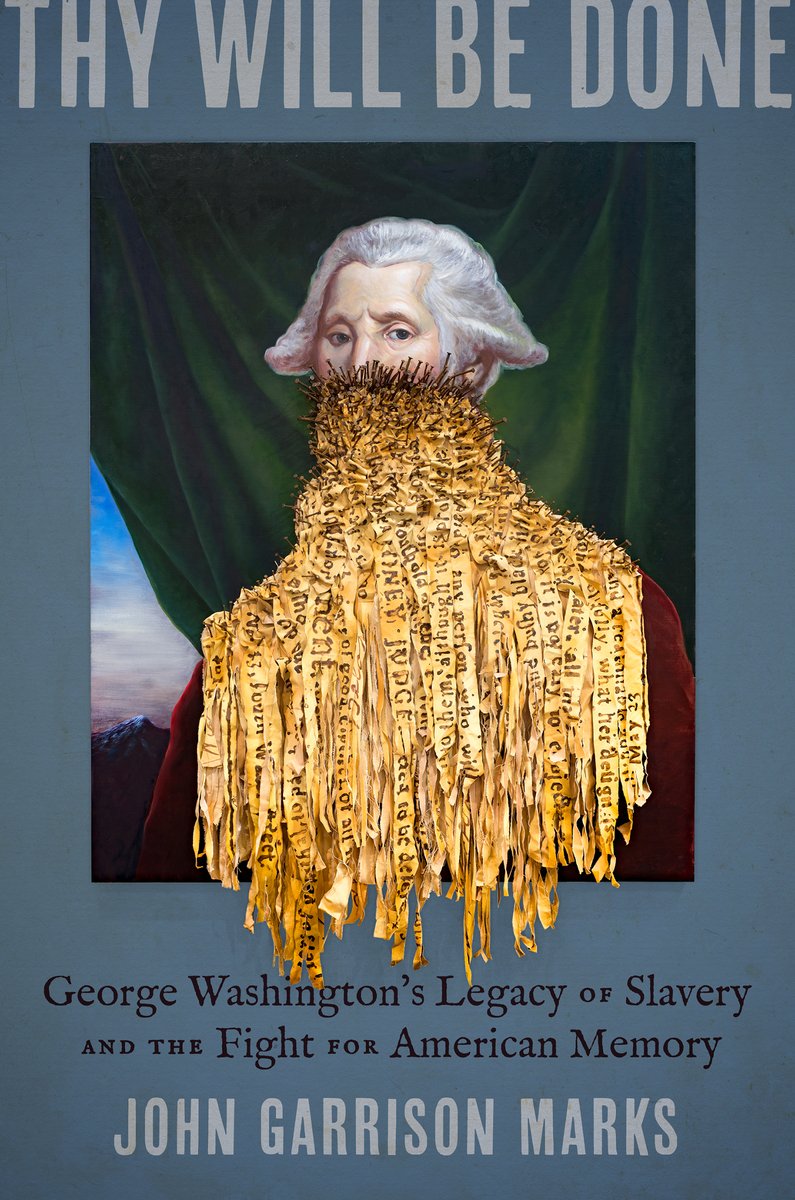
Thy Will Be Done: George Washington's Legacy of Slavery and the Fight for American Memory
George Washington's Legacy of Slavery and the Fight for American Memory
‘Self-termination is most likely’: the history and future of societal collapse
An epic analysis of 5,000 years of civilisation argues that a global collapse is coming unless inequality is vanquished

Thomas Piketty Knew This Was Coming
The scholar of inequality warned us that our economic systems couldn’t withstand a global catastrophe.

We Will Shoot Back: Armed Resistance in the Mississippi…
"Ranging from Reconstruction to the Black Power period,…

America’s housing was built for a world we no longer live in
The United States is turning 250. Everything we want for the next 50 years starts with fixing housing.

Court Orders Slavery Exhibit At George Washington’s House Restored After Trump Admin Pulled It Down
The Trump administration’s project for erasing the parts of American history they find inconvenient continues unabated. But that doesn’t mean it doesn’t hit the occasional roadblo…

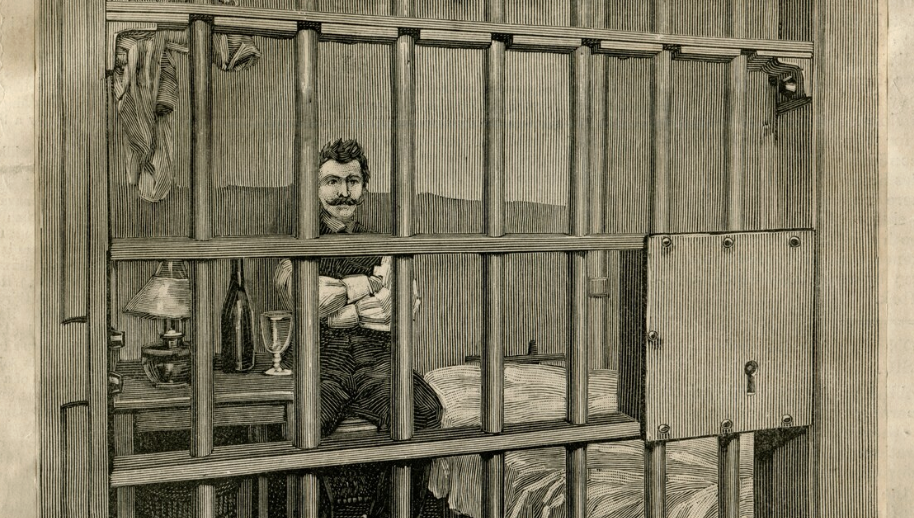
From Haymarket to Prairieland: How dissent has unleashed the long arm of the law
The Prairieland sentencing has dark historical parallels, Kim Kelly writes. But we can change the end of the current story.
The Counter-Revolution of 1776: Slave Resistance and th…
Illuminates how the preservation of slavery was a moti…

Grow like Trees: An Organic Approach to Societal Regrowth
2026 is the year that system breakdown became impossible to deny. Democratic norms, societal norms, rule of law, the fabric of the social contract tearing as we watch. Or hide, unwilling or unable to face the unravelling. The hopeful among us see opportunity through the dark. Tentatively or boldly we

Towards the Symbiocene: Building an Eco-Civilisation with thought-leader, Jeremy Lent
Jeremy Lent is a long time friend of the podcast. His new book, 'Ecocivilization: Making a World That Works for All' is coming out at the end of April 2026 and so we got together to discuss what an Ecocivilisation is, why we so badly need to become one, and how we might get there.

Pluralistic: America and “national capitalism” (18 Feb 2025) – Pluralistic: Daily links from Cory Doctorow
Thomas Piketty's 2013 unexpected bestseller (a 750 page economics book translated from French!) Capital in the 21st Century, offers a very convincing explanation of our political decay, and it continues to serve this purpose as the decay undergoes alarming acceleration:
Structural adjustment: damages, reparations and pathways to non-recurrence
Beginning in the 1980s and 1990s, the International Monetary Fund (IMF) and the World Bank implemented neoliberal structural adjustment programmes (SAPs) across most countries in Asia, Africa and Latin America. SAPs imposed austerity, privatisation and economic deregulation and have been associated with severe negative impacts on human welfare, including (a) declining real wages and working-class consumption, (b) increased rates of poverty and basic-needs deprivation, (c) increased neonatal and maternal mortality and (d) reduced health system access. Structural adjustment also created conditions for increased financial outflows and drain from the global South through unequal exchange. This paper reviews evidence of these damages and proposes possible options for reparations and distributive justice. We argue that the IMF and the World Bank should be democratised and restructured—or otherwise replaced by alternative institutions—to prevent further harm.
The Divide — Jason Hickel
The Divide: A Brief Guide to Global Inequality and its Solutions Penguin Random House UK, 2017

The American Black Bourgeoisie, a story
*The American Black Bourgeoisie is affirmed on this date in 1619. They are America’s Black upper class based on financial income. The Black Bourgeoisie comprises engineers, lawyers, accountants, doctors, politicians, business executives, venture capitalists, CEOs, celebrities, entertainers, entrepreneurs, and heirs with annual incomes of $200,000 or more. This social class sometimes referred to as the […]