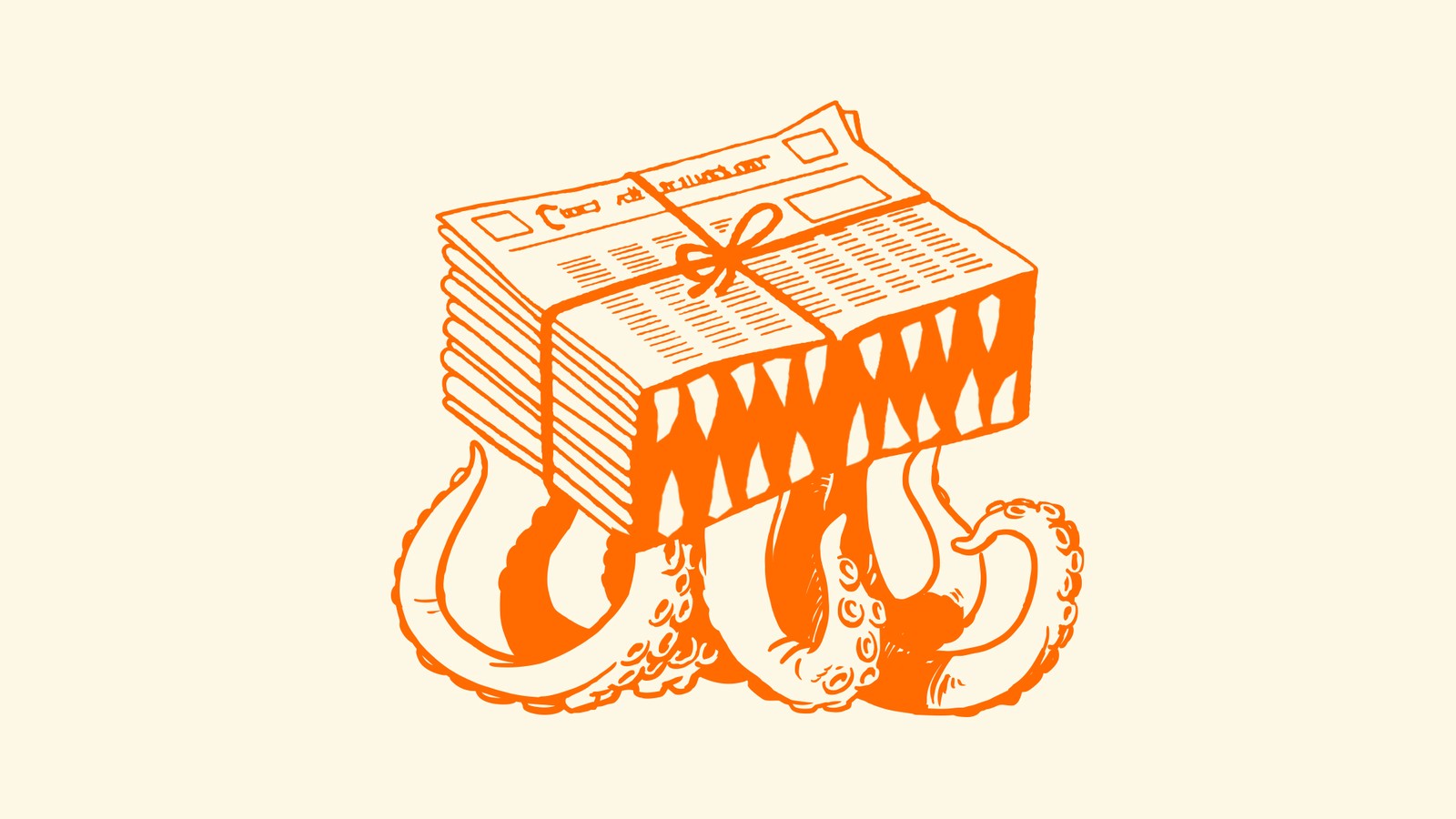
The rise of the cheap, daily newspaper in the 19th century remade how Americans engaged with the world.
The Attention Economy and the Collapse of Cognitive Autonomy
Check out the first in a series on social media from Denny Center Student Fellow Rai Hasen Masoud (F'27) to learn more about the attention economy and it's impacts on our democracy.

Chris Hayes on the attention economy
A conversation about how attention was commodified, why it's so easy to steal, where industry is looking for new supplies, and whether democracy can survive this.

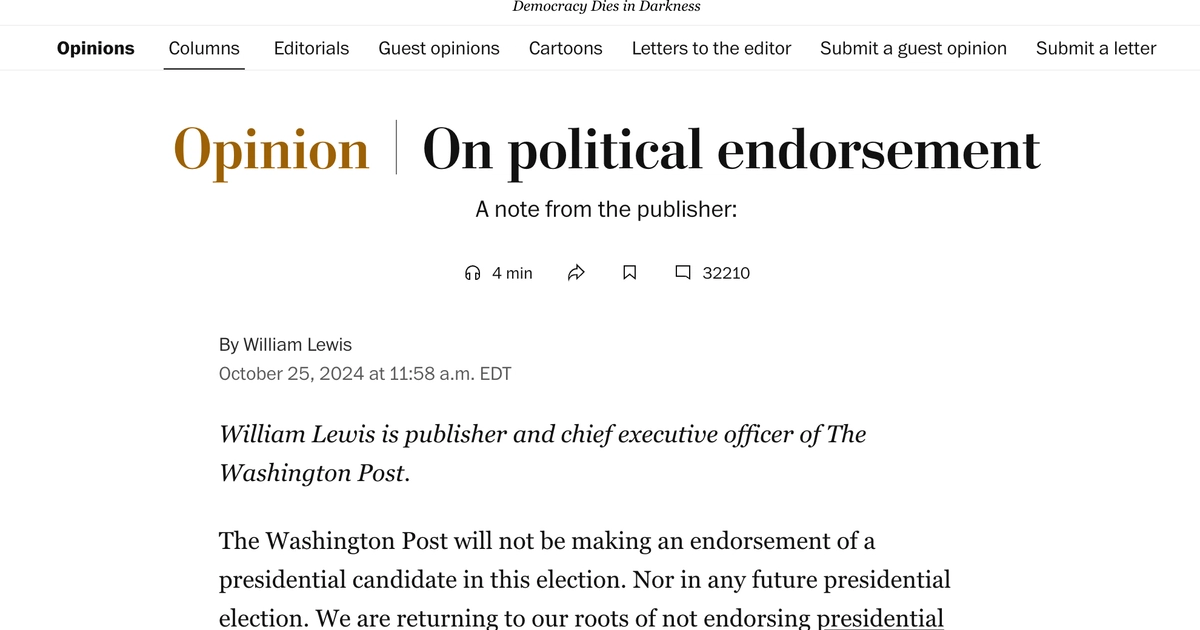
The Washington Post sold Democracy. Now it needs a new line of business.
A leading American newspaper enters a new era.
You couldn't create a more anti-news internet if you tried
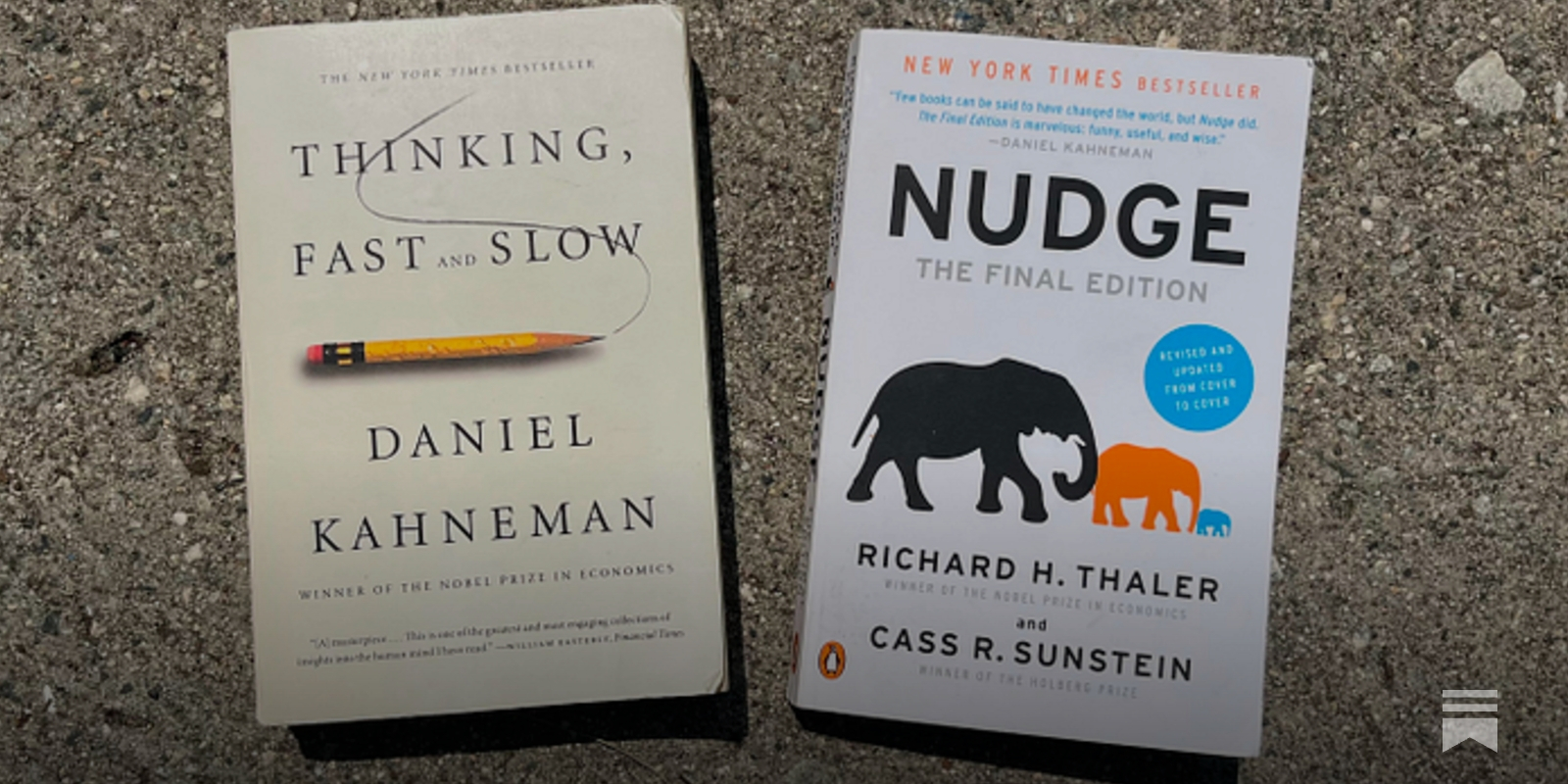
What behavioral economics can add to the story of news decline.
Marketplace - Business News & Economic Stories for Everyone
Marketplace raises the economic intelligence of the country through the unorthodox story, casual conversations and unexpected angles on the news.
Push journalism vs. pull journalism
Let's experiment with making news products so relevant that people pull them into their lives

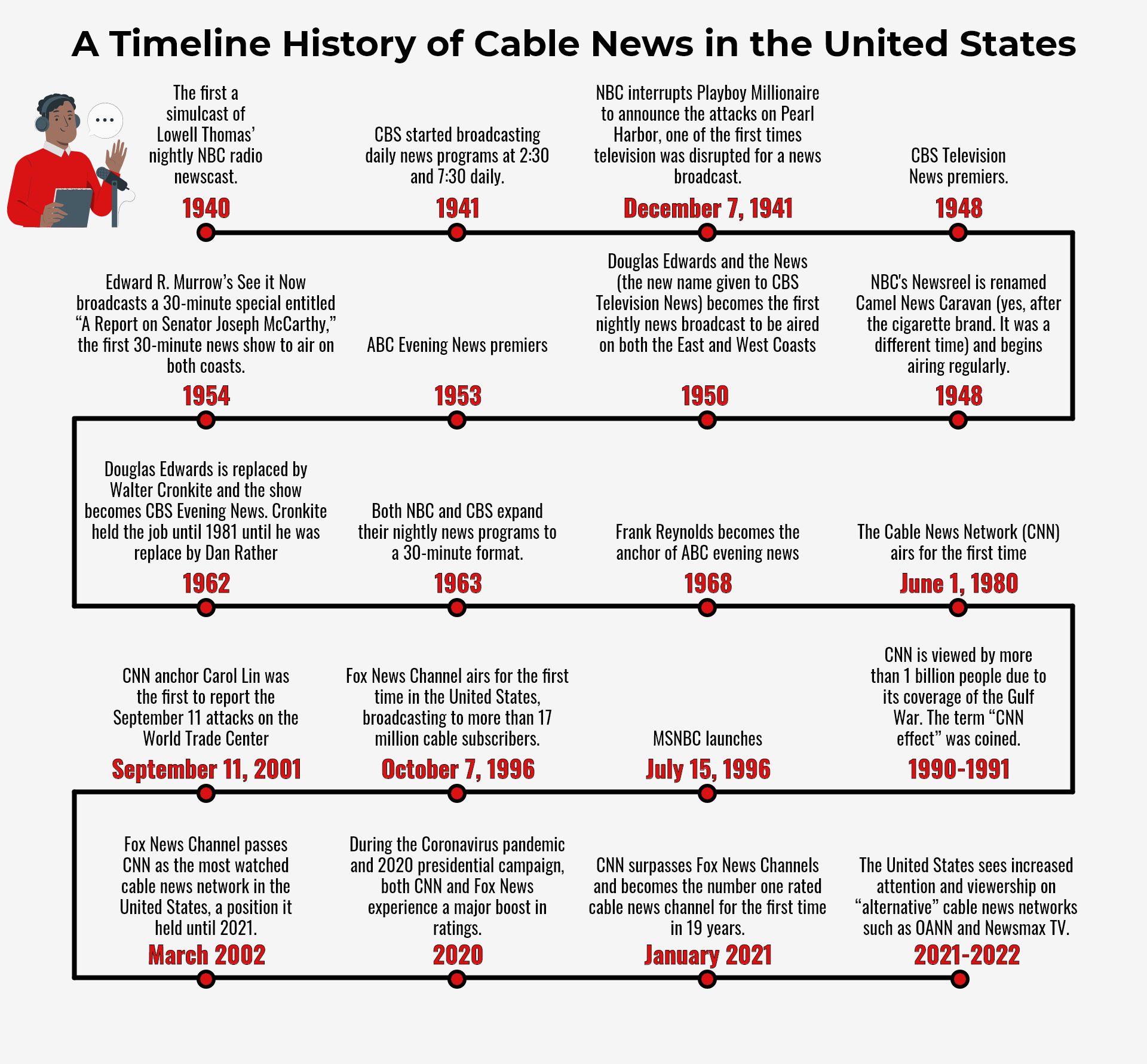
The Growth and Impact of Cable News
Cable news has had a tremendous impact on how people consume news. We discuss the growth and impact of cable news including the good, bad and downright ugly.
An attention economic perspective on the future of the information age
In this paper, we apply an attention economic perspective to explain current and predict future trends in our society. We first describe the rise of the attention economy, and we highlight one important mechanism of this economy: a spiral of attention scarcity. Second, we show that an attention economic perspective provides glimpses of a potential future. In particular, we predict an information environment that increasingly targets citizens with attention-grabbing content, form, and technology; a continuing trend toward excessive media consumption levels; and a continuing trend toward inattentive uses of information. We also predict increasing problems of public misinformation and misconceptions; an increased prevalence of certain mental and physical health issues; and an increased reliance on technology to perform mental tasks. At the end of this paper, we show why and how despite these predictions, alternative futures are conceivable. These alternatives largely depend on the behavior of various social actors. We discuss resistance to the attention economy by consumers and producers, a laissez-faire policy toward the attention economy, a policy of taxing attention-seeking efforts, and the promotion of public values in regulatory policies toward the internet.
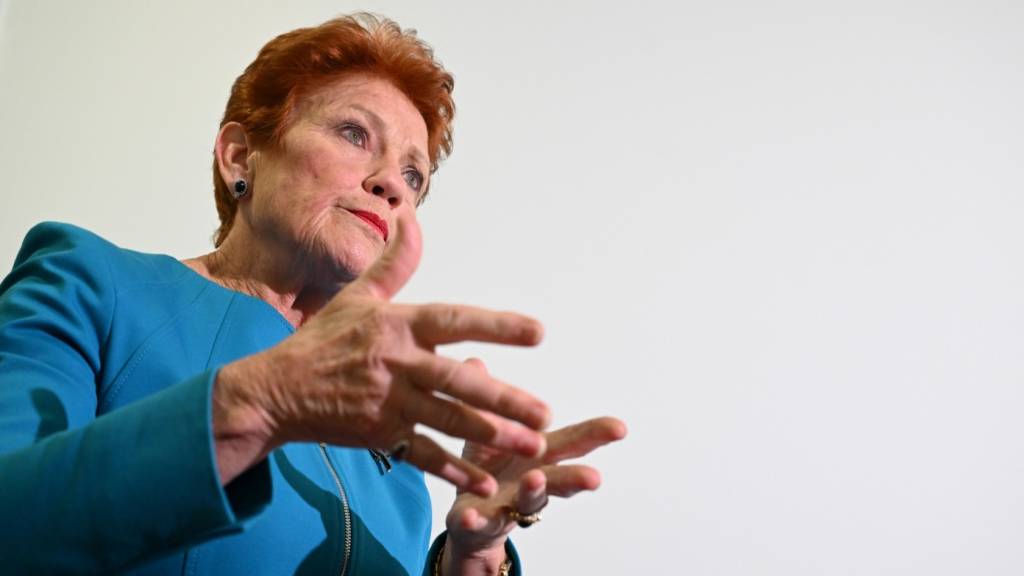
How One Nation bypassed media and conquered Facebook in its political rise
As an editor based in Griffith, I’m familiar with the rituals of modern campaigning: press releases, media calls and candidates eager for coverage. One Nation’s Farrer strategy broke that pattern entirely.
How Markdown took over the world - Anil Dash
A blog about making culture. Since 1999.
Why Robert Frank’s “The Americans” Matters Today
The photographer’s seminal monograph had a seismic impact on photography conventions and American culture.

Systems: How the Ultra-Wealthy Think About Money - Anil Dash
A blog about making culture. Since 1999.

The Myth of Allied Technological Inferiority
World War II, The Free Press, and the Problematic Use of History in Contemporary Media

The Invasion of Journalism
The Atlantic covers news, politics, culture, technology, health, and more, through its articles, podcasts, videos, and flagship magazine.

Blendle: A radical experiment with micropayments in journalism, 365 days later
One year of journalism without subscriptions, without ads and without clickbait