


The right clearly get that people aren't happy about what Trump did in Venezuela. So, they're pumping out misinformation and AI slop
Brazil Has A Plan To Combat The Right Wing's Unreality
Brazil's government is trying something weird: Being proactive about election misinformation.
Venezuela: The Rise and Fall of a Petrostate
Introduction Venezuela, home to the world’s largest oil reserves, is a case study in the perils of becoming a petrostate. Since it was discovered in the country in the 1920s, oil has taken Venezuela on an exhilarating but dangerous boom-and-bust ride that offers lessons for other resource-rich states. Decades of poor governance have driven what was once one of Latin America’s most prosperous countries to economic and political ruin. In recent years, Venezuela has suffered economic collapse, with output shrinking significantly and rampant hyperinflation contributing to a scarcity of basic goods, such as food and medicine. Meanwhile, government mismanagement and U.S. sanctions have led to a drastic decline in oil production and severe underinvestment in the sector. Though Washington eased some sanctions on Venezuela’s oil and gas sector in 2023, signaling a potential détente, Caracas’s failure to meet conditions for a fair election prompted the U.S. government to reimpose sanctions in 2024. What is a petrostate? Petrostate is an informal term used to describe a country with several interrelated attributes: government income is deeply reliant on the export of oil and natural gas, economic and political power are highly concentrated in an elite minority, and political institutions are weak and unaccountable, and corruption is widespread. Countries often described as petrostates include Algeria, Cameroon, Chad, Ecuador, Indonesia, Iran, Kazakhstan, Libya, Mexico, Nigeria, Oman, Qatar, Russia, Saudi Arabia, the United Arab Emirates, and Venezuela. What’s behind the petrostate paradigm? Petrostates are thought to be vulnerable to what economists call Dutch disease, a term coined during the 1970s after the Netherlands discovered natural gas in the North Sea. In an afflicted country, a resource boom attracts large inflows of foreign capital, which leads to an appreciation of the local currency and a boost for imports that are now comparatively cheaper. This sucks labor and capital away from other sectors of the economy, such as agriculture and manufacturing, which economists say are more important for growth and competitiveness. As these labor-intensive export industries lag, unemployment could rise, and the country could develop an unhealthy dependence on the export of natural resources. In extreme cases, a petrostate forgoes local oil production and instead derives most of its oil wealth through high taxes on foreign drillers. Petrostate economies are then left highly vulnerable to unpredictable swings in global energy prices and capital flight. The so-called resource curse also takes a toll on governance. Since petrostates depend more on export income and less on taxes, there are often weak ties between the government and its citizens. Timing of the resource boom can exacerbate the problem. “Most petrostates became dependent on petroleum while, or immediately after, they were establishing a democracy, state institutions, an independent civil service and private sector, and rule of law,” says Terry Lynn Karl, a professor of political science at Stanford University and author of The Paradox of Plenty, a seminal book on the dynamics of petrostates. Leaders can use the country’s resource wealth to repress or co-opt political opposition. How does Venezuela fit the category? Venezuela is the archetype of a failed petrostate, experts say. Oil continues to play the dominant role in the country’s fortunes more than a century after it was discovered there. The oil price plunge from more than $100 per barrel in 2014 to under $30 per barrel in early 2016 sent Venezuela into an economic and political spiral, and despite rising prices since then, conditions remain bleak. A number of grim indicators tell the story: Oil dependence. In recent years, oil exports have financed almost two-thirds of the government’s budget. Estimates for 2024 place this figure slightly lower, at 58 percent. Falling production. Starved of adequate investment and maintenance, oil output has continued to generally decline, hitting its lowest level in decades. However, exports increased by some 12 percent in 2023, due in part to an easing of U.S. sanctions on the country’s oil and gas sector. Turbulent economy. Venezuela’s gross domestic product (GDP) shrank by roughly three-quarters [PDF] between 2014 and 2021. However, the economy grew by 5 percent in 2023, and the government forecasts it will reach 8 percent in 2024. Soaring debt. Venezuela has an estimated debt burden of $150 billion or higher. Hyperinflation. Annual inflation skyrocketed to just over 130,000 percent in 2018, and though it has since slowed, it remained at 190 percent in 2023, according to the central bank. !function(){"use strict";window.addEventListener("message",(function(a){if(void 0!==a.data["datawrapper-height"]){var e=document.querySelectorAll("iframe");for(var t in a.data["datawrapper-height"])for(var r=0;r

Watch the Watchers: Surveillance technologies for political control in Venezuela
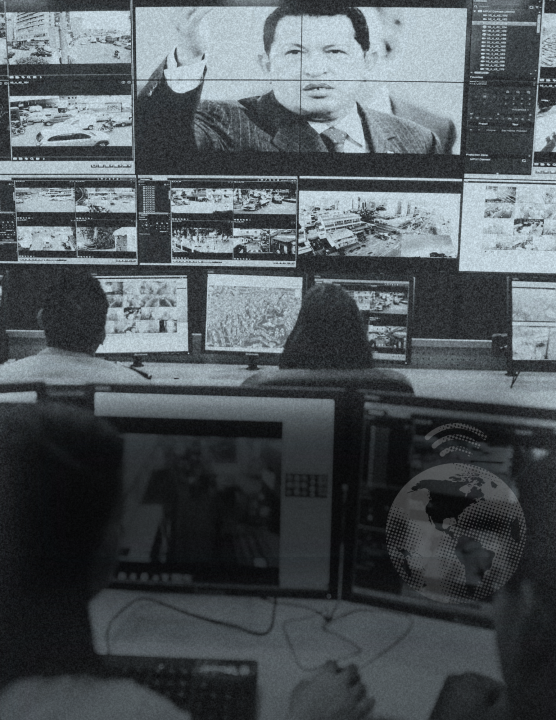
Despite changes in leadership, Venezuela's extensive surveillance infrastructure remains fully operational.
When Do Parties Lie? Misinformation and Radical-Right Populism Across 26 Countries - Petter Törnberg, Juliana Chueri, 2026
The spread of misinformation has emerged as a global concern. Academic attention has recently shifted to emphasize the role of political elites as drivers of mi...

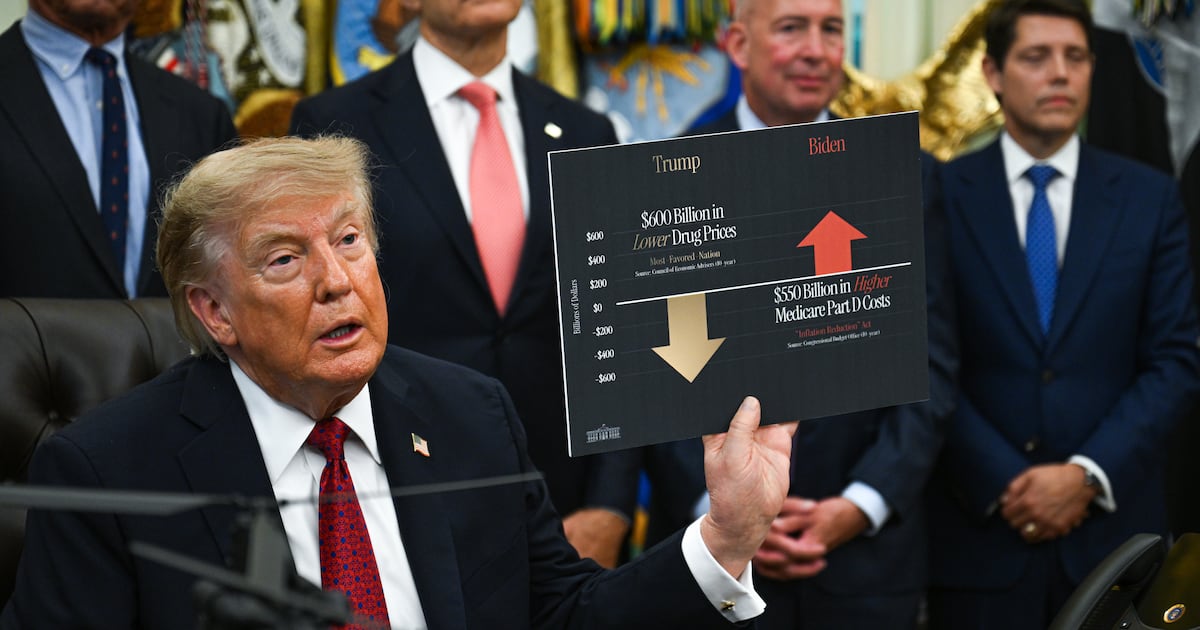
Trump says U.S. has entered deal with Venezuela to take control of 65 billion barrels of oil reserves
President Trump says his administration has entered a sweeping agreement with Venezuela that could give the U.S. access to vast amounts of the South American country's untapped oil reserves, at cost.
Trump’s Venezuela oil deal gives US access to vast reserves as Iran war drives energy concerns | The National
Agreement deepens US involvement in Venezuela’s oil industry as midterms approach and energy prices remain elevated
We're getting the social media crisis wrong
The bigger problem isn't disinformation. It's degraded democratic publics

We're getting the social media crisis wrong
The bigger problem isn't disinformation. It's degraded democratic publics
Election Disinformation in Different Languages is a Big Problem in the U.S.
And it’s driving a wedge between voters in non-English communities Mis- and disinformation about elections predate the endless scroll of modern social media services. [1] Yet easy access to online information channels and amplification tools enable false narratives to spread at a massive scale. When false narratives are combined with data voids and unique cultural […]
Elon Musk's Grok AI Is Pushing Misinformation and Legitimizing Conspiracies
Grok's selling point is real-time access to news, but Motherboard found that it generated inaccurate information about Israel-Palestine and lent credence to conspiracy theories.

Fake news spreads like an epidemic. Here’s how to stop it.
Researchers study fake news the same way they study the spread of disease. When misinformation “goes viral”, it is not just a metaphor. It is what’s actually happening. via @straits_times str.sg/viz-misinformation

Google research shows the fast rise of AI-generated misinformation | CBC News
From fake images of war to celebrity hoaxes, AI technology has spawned new forms of reality-warping misinformation online. New analysis co-authored by Google researchers shows just how quickly the problem has grown.

Vou sempre lutar pelo xmpp – isaCloud Blog
Em 2025 os assuntos soberania nacional e liberdade ganharam muita força no âmbito digital. Do jeito que os maiores figurões do mercado de tecnologia iniciaram o ano de 2025 com seus apoios quase irrestritos às políticas do presidente americano eleito, emergiu um despertar de milhares de pessoas sobre como isso era um sinal de alerta e o que fazer a respeito.
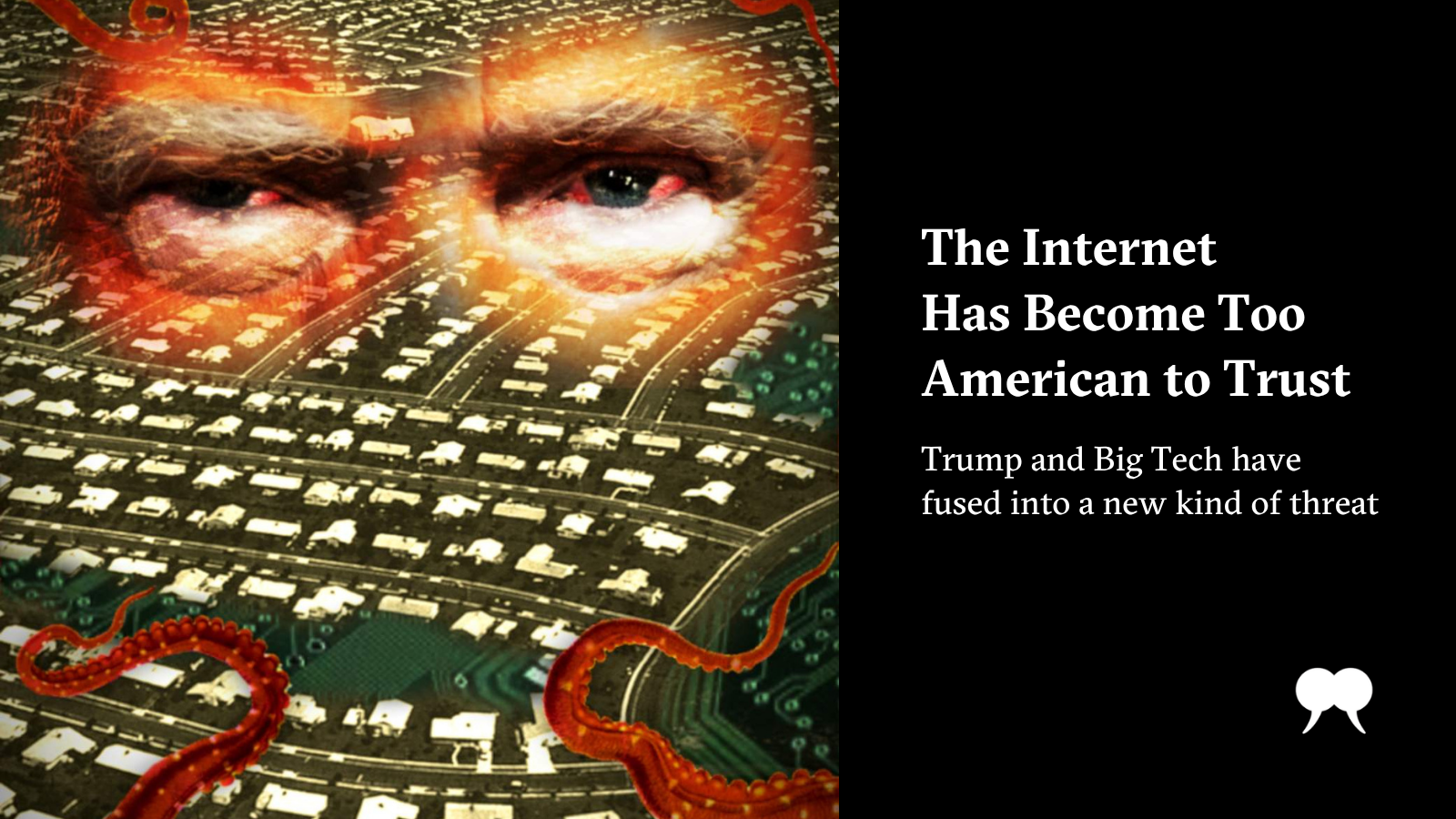
The Internet Has Become Too American to Trust | The Walrus
Trump and Big Tech have fused into a new kind of threat
Let's normalize debunking each other
The spread of misinformation has become an epidemic, but information hygiene can help.
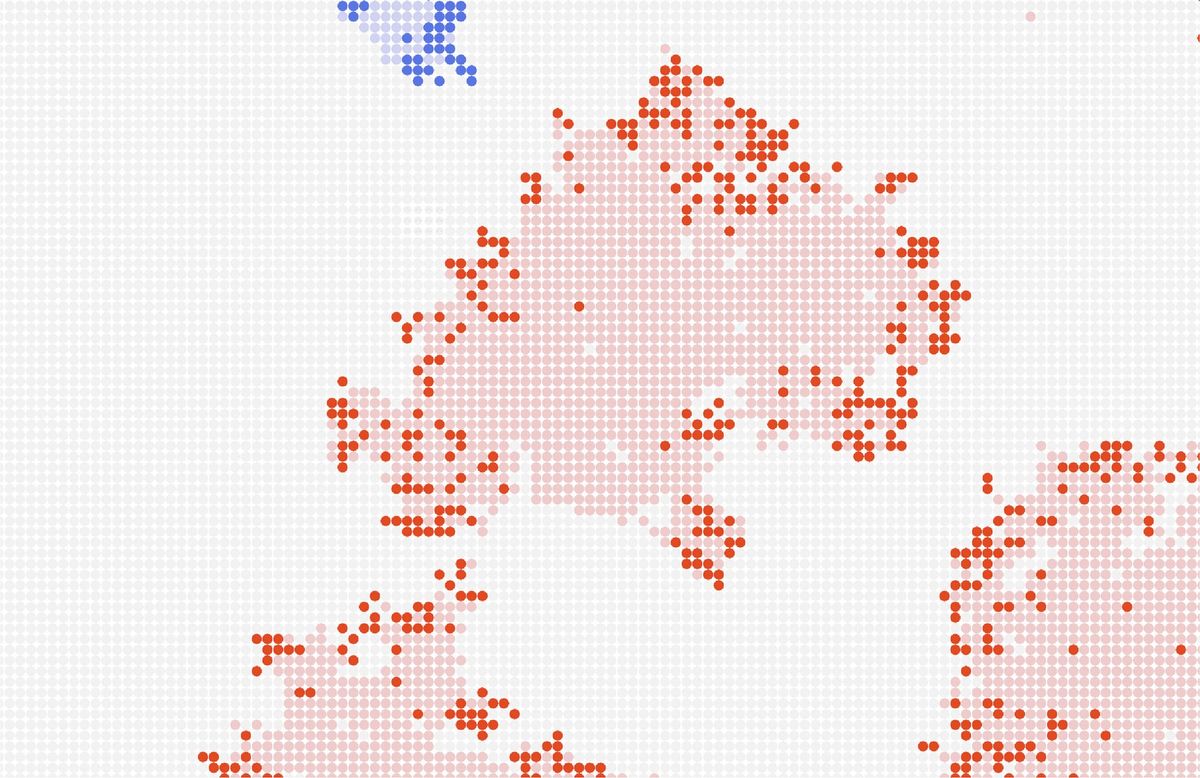
Venezuela is a founding member of OPEC. What they are realizing is it is a new world when it comes to oil. "Oil markets would lose a global supply manager that steps in when surpluses emerge, leaving prices more liable to drop and the global petroleum industry more exposed to shocks."

OPEC’s Future Darkens With Venezuela Latest Nation to Mull Exit
www.bloomberg.com