More than 2 million New York voters cast ballots, the most in a mayoral race since 1969.
Historical Voter Turnout | NYC Open Data
Nearly a quarter of NYC’s early voters were new Democratic primary participants
A total of 385,184 New Yorkers voted early in this primary election, compared to 191,197 in 2021.

New York City cast vote record: An initial analysis of the 2025 Democratic mayoral primary - FairVote
This post explores the New York City cast vote record released July 24 – showing how voters used their rankings in the primary.

Election data shows Mamdani drew a surge of young voters
Mamdani also made inroads in Latino and Asian communities.
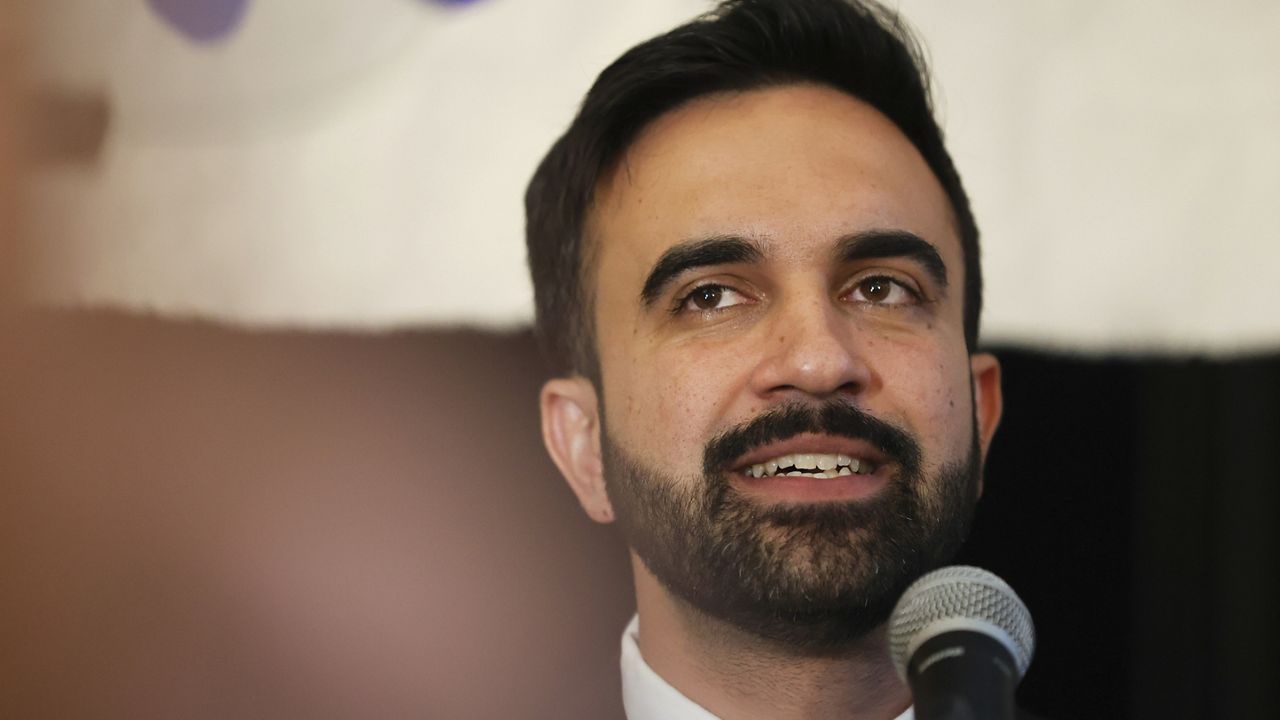
How Renters Fueled Zohran Mamdani’s Victory
Andrew Cuomo won 11 out of 13 majority-homeowner districts — but Mamdani swept the floor in renter-heavy areas, where turnout surged.

Zohran Mamdani’s Electrifying Upset in NYC:#RankTheSlate – “Don’t Rank Cuomo” | Portside
So much ink (literal and virtual) has been spilled on the electrifying upset in the NYC mayoral primary race. Zohran Mamdani wins and Andrew Cuomo, the former disgraced NY governor, had to concede on election night. Every media outlet has weighed in from NY Times, to every substack, and every celebrity who supported Mamdani. This is not an analysis of Zohran’s mighty win but just a few observations from a New York City resident and more precisely someone living in Central Harlem.
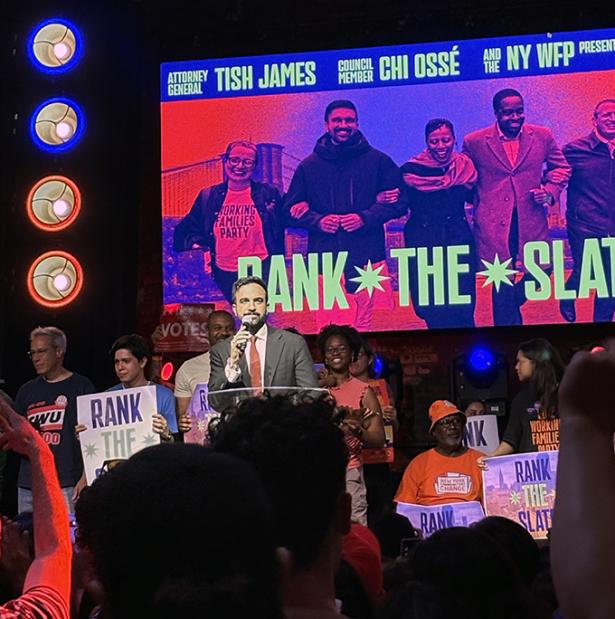
A Million Doors to a Million Votes: NYC-DSA’s Plan for a Mamdani Mandate - Democratic Left
Victory in the Democratic primary has transformed what’s possible for socialists in New York City. A 10,500 member-strong NYC-DSA's road to November is paved with opportunities to expand our base and muster the forces needed to implement his agenda.

5 takeaways behind Mamdani’s historic NYC win
The Democratic ocialist expanded the electorate and held his own in Cuomo’s base in Tuesday’s Democratic mayoral primary.

Who voted for Zohran Mamdani?
Zohram Mamdani’s triumph over Andrew Cuomo in the New York City Democratic primary signals a shift towards the progressive wing of the party. Mamdani excelled among younger, Hispanic, and Asi…
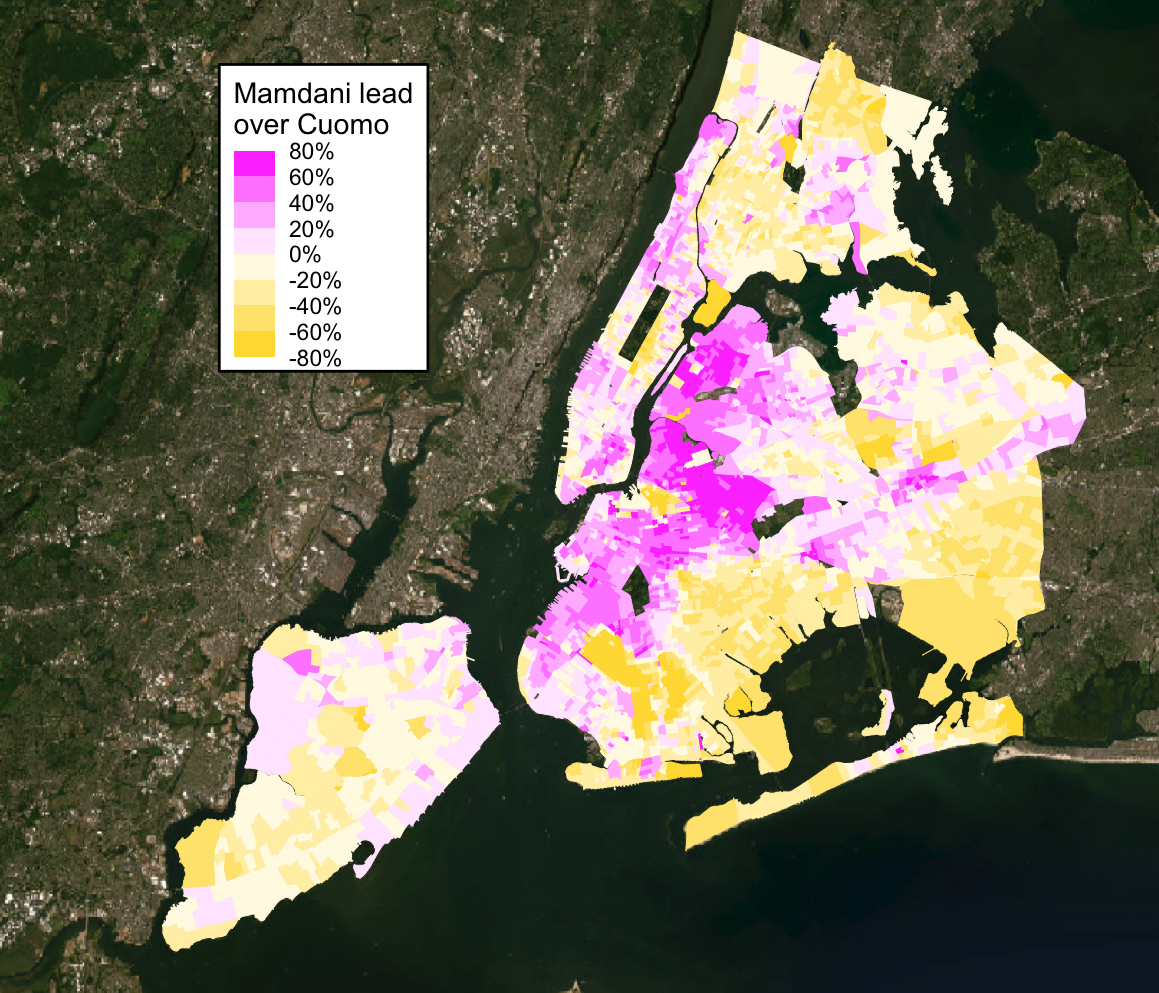
By the numbers: How and where Zohran Mamdani won the NYC mayor’s primary | amNewYork
Assembly Member Zohran Mamdani rode a wave of strong support from his home borough and Brooklyn en route to his apparent and stunning upset victory over former Gov. Andrew Cuomo.

FiftyPlusOne - Latest Political Polls and Averages
A comprehensive list of polls and polling averages for elections and politician approval.

FiftyPlusOne - Latest Political Polls and Averages
A comprehensive list of polls and polling averages for elections and politician approval.
The Effects of Canvassing, Telephone Calls, and Direct Mail on Voter Turnout: A Field Experiment.
Gerber, Alan S. & Donald P. Green (2000) “The Effects of Canvassing, Telephone Calls, and Direct Mail on Voter Turnout: A Field Experiment.” American Political Science Review 94(3):653-663.
The Median Voter Theorem is a Clarity Trap
What the Democratic party needs - what it demands - is bold, persistent experimentation
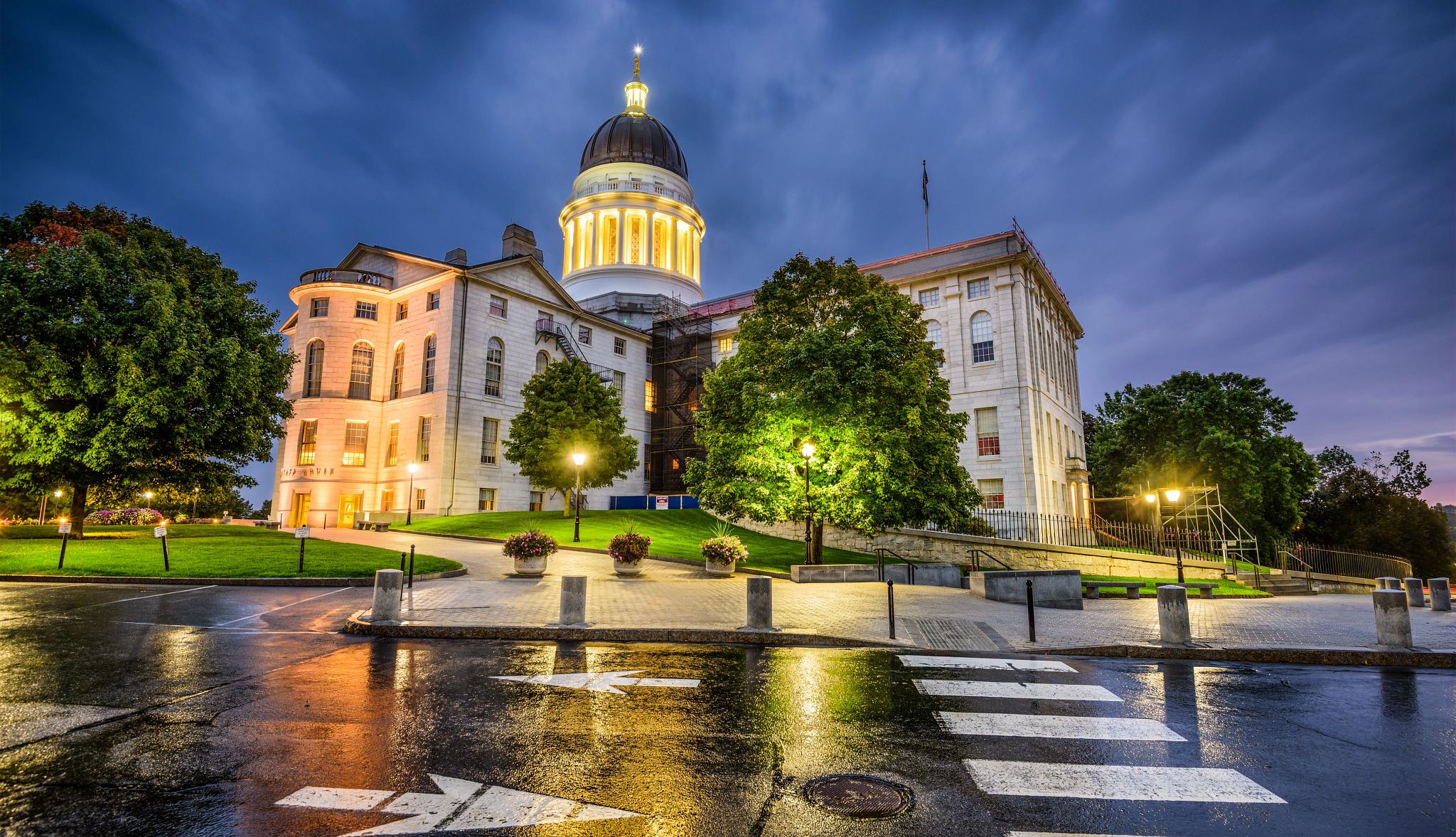
Maine Voters 50+ Could Help Decide Closely Watched 2026 Races
Rising prices, affordability, and threats to democracy are motivating older Maine voters in the 2026 election.
The Twilight of the Polls? A Review of Trends in Polling Accuracy and the Causes of Polling Misses
Polls have had a number of high-profile misses in recent elections. We review the current polling environment, the performance of polls in a historical context, the mechanisms of polling error, and the causes of several recent misses in Britain and the US. Contrary to conventional wisdom, polling errors have been constant over time, although the level of error has always been substantially beyond that implied by stated margins of error. Generally, there is little evidence that voters lying about their vote intention (so-called ‘shy’ voters) is a substantial cause of polling error. Instead, polling errors have most commonly resulted from problems with representative samples and weighting, undecided voters breaking in one direction, and to a lesser extent late swings and turnout models. We conclude with a discussion of future directions for polling both in terms of fixing the problems identified and new approaches to understanding public opinion.