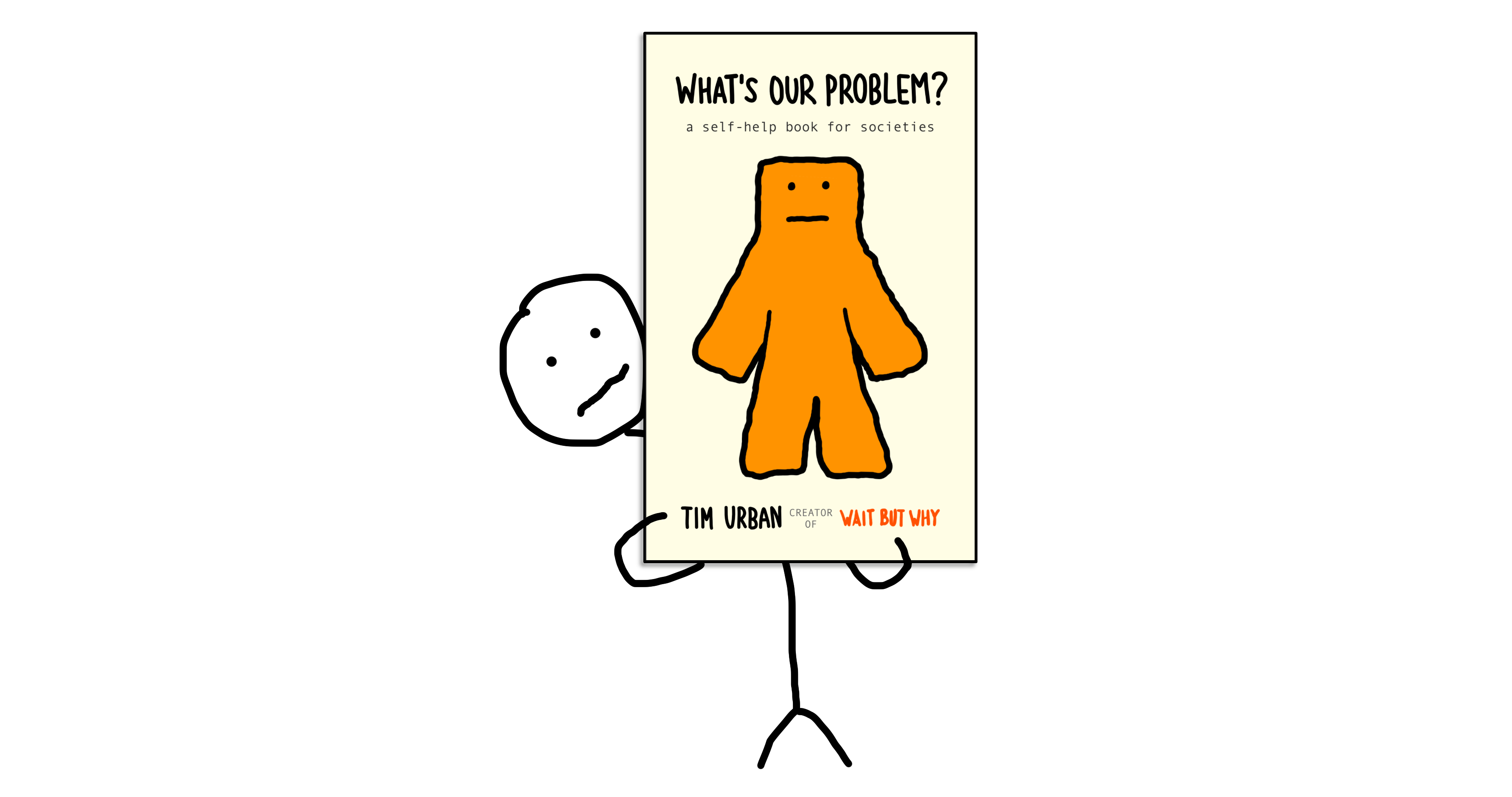
-- Empowering ourselves to empower others.
Fighting Back: A Citizen’s Guide to Resistance
Ordinary people have more power than they know.
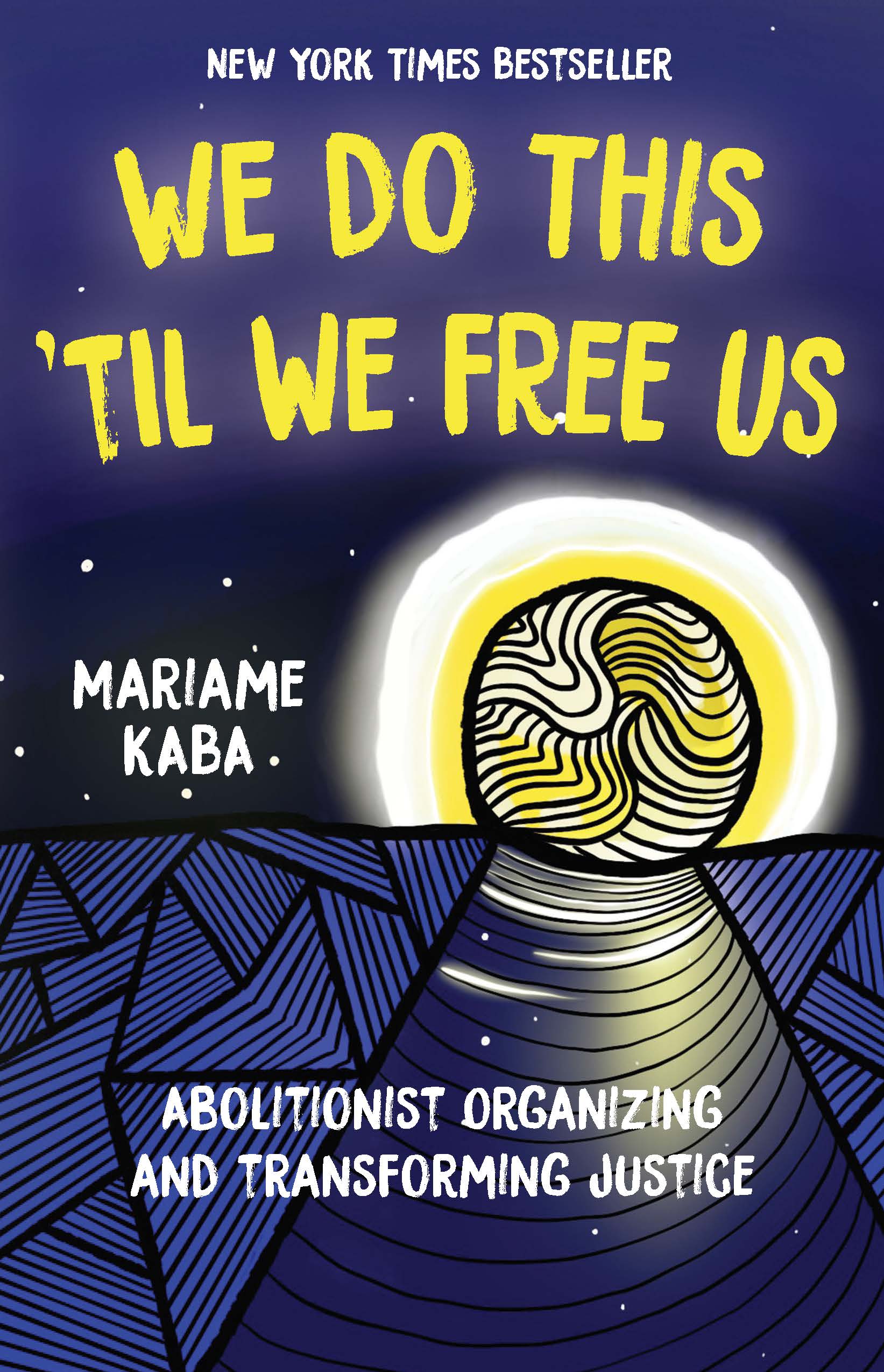
We Do This 'Til We Free Us
New York Times Bestseller “Organizing is both science and art. It is thinking through a vision, a strategy, and then figuring out who your targets are, always being concerned about power, always being concerned about how you’re going to actually build power in order to be able to push your issues, in order to be able to get the target to actually move in the way that you want to.” What if social transformation and liberation isn’t about waiting for someone else to come along and save us? What if ordinary people have the power to collectively free ourselves? In this timely collection of essays and interviews, Mariame Kaba reflects on the deep work of abolition and transformative political struggle. With a foreword by Naomi Murakawa and chapters on seeking justice beyond the punishment system, transforming how we deal with harm and accountability, and finding hope in collective struggle for abolition, Kaba’s work is deeply rooted in the relentless belief that we can fundamentally change the world. As Kaba writes, “Nothing that we do that is worthwhile is done alone.”
How Cultivating Awe Can Save the World — Douglas Rushkoff
The best-kept but scientifically-validated secret for engendering generosity
Nurturing our humanity: how domination and partnership shape our brains, lives, and future
Nurturing Our Humanity offers a new perspective on our …

You're not powerless, you're just under attack.
A phenomenon that I’ve noticed frequently: people believing they are powerless.

13 Provocative Questions CTOs Don’t Ask - Yaniv Preiss
With great power comes great responsibility to ask powerful, provocative questions
Solitude and Leadership - The American Scholar
If you want others to follow, learn to be alone with your thoughts

The Power of Positive People (Published 2018)
Are your friendships giving you a boost or bringing you down?


Ground Control: Volunteer where it counts
We've evaluated hundreds of organizations to find opportunities open to anyone, immediately impactful, and ready to accept your help.

Human-Computer Insurrection: Notes on an Anarchist HCI
The HCI community has worked to expand and improve our consideration of the societal implications of our work and our corresponding responsibilities. Despite this increased engagement, HCI continues to lack an explicitly articulated politic, which we argue re-inscribes and amplifies systemic oppression. In this paper, we set out an explicit political vision of an HCI grounded in emancipatory autonomy - an anarchist HCI, aimed at dismantling all oppressive systems by mandating suspicion of and a reckoning with imbalanced distributions of power. We outline some of the principles and accountability mechanisms that constitute an anarchist HCI. We offer a potential framework for radically reorienting the field towards creating prefigurative counterpower - systems and spaces that exemplify the world we wish to see, as we go about building the revolution in increment.

Human-Computer Insurrection: Notes on an Anarchist HCI
The HCI community has worked to expand and improve our consideration of the societal implications of our work and our corresponding responsibilities. Despite this increased engagement, HCI continues to lack an explicitly articulated politic, which we argue re-inscribes and amplifies systemic oppression. In this paper, we set out an explicit political vision of an HCI grounded in emancipatory autonomy - an anarchist HCI, aimed at dismantling all oppressive systems by mandating suspicion of and a reckoning with imbalanced distributions of power. We outline some of the principles and accountability mechanisms that constitute an anarchist HCI. We offer a potential framework for radically reorienting the field towards creating prefigurative counterpower - systems and spaces that exemplify the world we wish to see, as we go about building the revolution in increment.
Empowering Users, Not Overlords: Overcoming Digital Helplessness
Disclosure: I’m on the board of Bluesky, so feel free to take as many grains of salt as you want in reading it, though all of it applies equally to other decentralized social media ecosys…

Nurturing Our Humanity: How Domination and Partnership Shape Our Brains, Lives, and Future - The Center for Partnership Systems
By Riane Eisler and Douglas P. Fry Nurturing Our Humanity: How Domination and Partnership Shape Our Brains, Lives, and Future, by Riane Eisler and Douglas P. Fry, holds the key to a clear perspective on our personal and social options in today’s world, showing how to structure our environments – from family and gender relations […]