

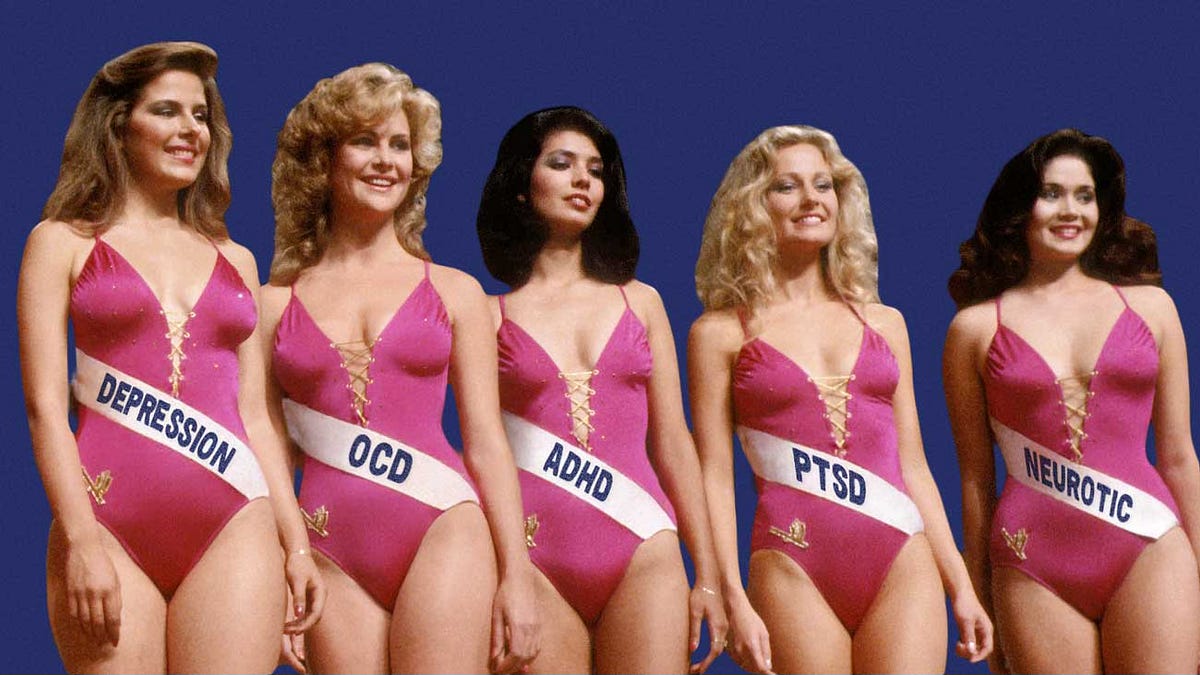
My generation is obsessed with treating every trait as a symptom of a disorder: You’re not shy, you’re autistic; you’re not forgetful, you’ve got ADHD, writes Freya India.
Successful People With ADHD Superpowers
Explore stories of successful people who have harnessed their ADHD superpowers to achieve greatness.

Hyperactive–impulsive ADHD traits predict higher curiosity in adults: evidence from a cross-sectional study
Attention-deficit/hyperactivity disorder (ADHD) is typically framed in terms of difficulties with sustained attention, behavioral regulation, and impulse control, yet growing work suggests that some associated traits may also relate to potentially adaptive tendencies. Curiosity has been highlighted in qualitative research as one such trait that can function as both a strength and a challenge for adults with ADHD, but quantitative evidence examining its relationship to ADHD traits remains limited. This study examined whether ADHD traits are associated with individual differences in trait curiosity in adults.
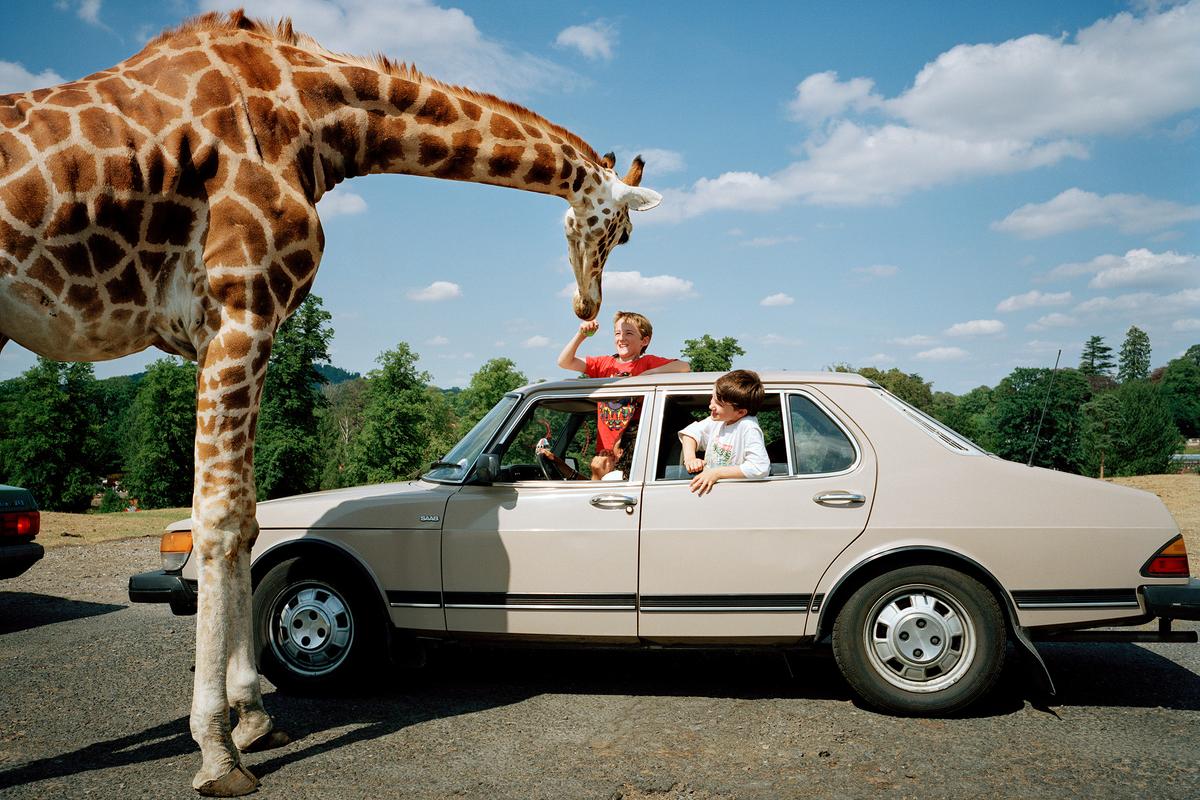
How the hypercuriosity of ADHD may have helped humans thrive | Aeon Essays
ADHD isn’t merely a dysfunction. It’s best understood as an impulsive motivational drive for novel information
How the hypercuriosity of ADHD may have helped humans thrive | Aeon Essays
ADHD isn’t merely a dysfunction. It’s best understood as an impulsive motivational drive for novel information
Understanding Without Defectiveness:
Why Autistic Self-Ignorance Is Interference, Not Failure

ADHD and giftedness: a neurocognitive consideration of twice exceptionality
Current models of cognition and behavioral diagnosis emphasize categorical classification over continuous considerations of function and promote the "differential diagnosis" of various conditions according to observational criteria. However, an overemphasis on a purely behavioral, categorical approach to understanding human function fails to address the comorbidity of different disorders and does not include a consideration of overlapping levels of function, from "pathological" through "normal," to "gifted" or exceptional. The frequent co-occurrence of "gifted" and "pathological" function is thus difficult to understand from a corticocentric and purely behavioral and observational point of view. This article reviews "giftedness" in relation to the diagnosis of attention-deficit hyperactivity disorder, coexistence of which is termed "twice exceptional." It additionally considers problems in assessing these functions using current neuropsychological tests and methodologies that are presumably based upon a corticocentric model of cognition.
ADHD and Entrepreneurship: Unlocking the Potential of Those Who Break the Mold
Having symptoms related to the hyperactive-impulsive presentation of ADHD can spur innovativeness, proactiveness and risk-taking.
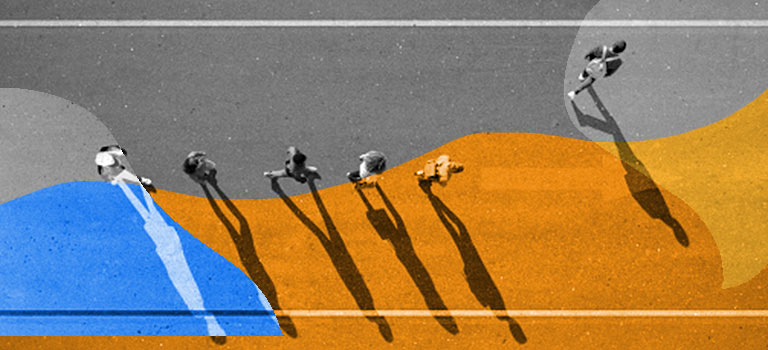
Is AI on the Spectrum?
Some key traits of generative AI bear a striking similarity to autism spectrum disorder. Why does this matter?

Geniuses with Autism & Asperger's | Hidden Talents ABA
Discover 15 inspiring figures with Autism or Asperger's, showcasing their contributions and resilience throughout history.

Welcome: Mapping the Architecture of Autistic Cognition
Most people experience their minds as opaque.
Seeming to belong: Camouflaging and pragmatic self-perception in twice-exceptional adults across neurodivergent profiles
Background and objective Social camouflaging and pragmatic self-perception are key aspects of communication in neurodivergent populations. However, little is known about how these processes manifest in adults with autism, high intellectual ability (HIA), or twice-exceptionality (2e: HIA+autism). This study aimed to examine group-based differences in communicative adaptation and perceived pragmatic competence across these profiles. Materials and methods A total of 109 Spanish-speaking adults participated. Social camouflaging was assessed using the Camouflaging Autistic Traits Questionnaire (CAT-Q), and pragmatic self-perception was measured with the Communicative Competence Profile (CCP). Statistical analyses explored differences across groups and by gender. Results Significant differences emerged in all CAT-Q dimensions. Autistic participants reported the highest levels of camouflaging, followed by the 2e group, while only the compensation subscale distinguished autism from 2e. Regarding pragmatic self-perception, the HIA group scored highest, suggesting stronger communicative confidence, whereas autistic adults scored lowest. The 2e profile consistently occupied an intermediate position, though closer to autism, especially in subtle pragmatic aspects. Gender effects were limited overall but more noticeable within the Autism group. Conclusions Findings reveal distinct patterns of social camouflaging and pragmatic self-perception across neurodivergent profiles. Twice-exceptional adults show intermediate but autism-leaning traits, underscoring the complexity of their communicative adaptation. Results emphasize the need for inclusive frameworks that account for diverse communication styles within neurodivergence. Resumen Antecedentes y objetivo El camuflaje social y la autopercepción pragmática son aspectos clave de la comunicación en poblaciones neurodivergentes. Sin embargo, se sabe poco sobre cómo se manifiestan estos procesos en adultos con autismo, alta capacidad intelectual (HCI) o doble excepcionalidad (2e: HCI+autismo). Este estudio tuvo como objetivo examinar las diferencias entre grupos en la adaptación comunicativa y la competencia pragmática percibida en estos perfiles. Material y métodos Un total de 109 adultos hispanohablantes participaron en el estudio. El camuflaje social se evaluó mediante el Camouflaging Autistic Traits Questionnaire (CAT-Q), y la autopercepción pragmática se midió con el Communicative Competence Profile (CCP). Los análisis estadísticos exploraron diferencias entre grupos y por género. Resultados Se encontraron diferencias significativas en todas las dimensiones del CAT-Q. Los participantes autistas reportaron los niveles más altos de camuflaje, seguidos por el grupo 2e, mientras que solo la subescala de compensación distinguió al autismo del 2e. En cuanto a la autopercepción pragmática, el grupo HCI obtuvo las puntuaciones más altas, lo que sugiere mayor confianza comunicativa, mientras que los adultos autistas puntuaron más bajo. El perfil 2e se situó de manera consistente en una posición intermedia, aunque más cercana al autismo, especialmente en aspectos pragmáticos sutiles. Los efectos de género fueron en general limitados, pero más notables dentro del grupo con autismo. Conclusiones Los hallazgos revelan patrones diferenciados de camuflaje social y autopercepción pragmática en los distintos perfiles neurodivergentes. Los adultos con doble excepcionalidad muestran características intermedias pero con tendencia hacia el autismo, lo que subraya la complejidad de su adaptación comunicativa. Los resultados enfatizan la necesidad de marcos inclusivos que contemplen estilos de comunicación diversos dentro de la neurodivergencia.
Stimming as High-Precision System:
The Phenomenology of Autistic Self-Regulation and Its Value to Humanity
The Missed Neurodiversity: advocate for recognition and resources for gifted individuals - BC Association of Clinical Counsellors
Note: This article includes additional questions and answers and supplementary resources from the Member Profile interview with Debbie Clelland, RCC, published in the Fall 2021 issue of BCACC’s Insights magazine. “When […]

Is personality so predictably linked to chronological age that unique experiences usually play only a minor role in personality development? Comments and criticism are welcome on the intro draft of a paper proposing and testing this hypothesis. shorturl.at/QPKpw
