


For a long time Michael Harris convinced himself that a childhood spent immersed in old-fashioned books would insulate him from our new media climate, but he was wrong
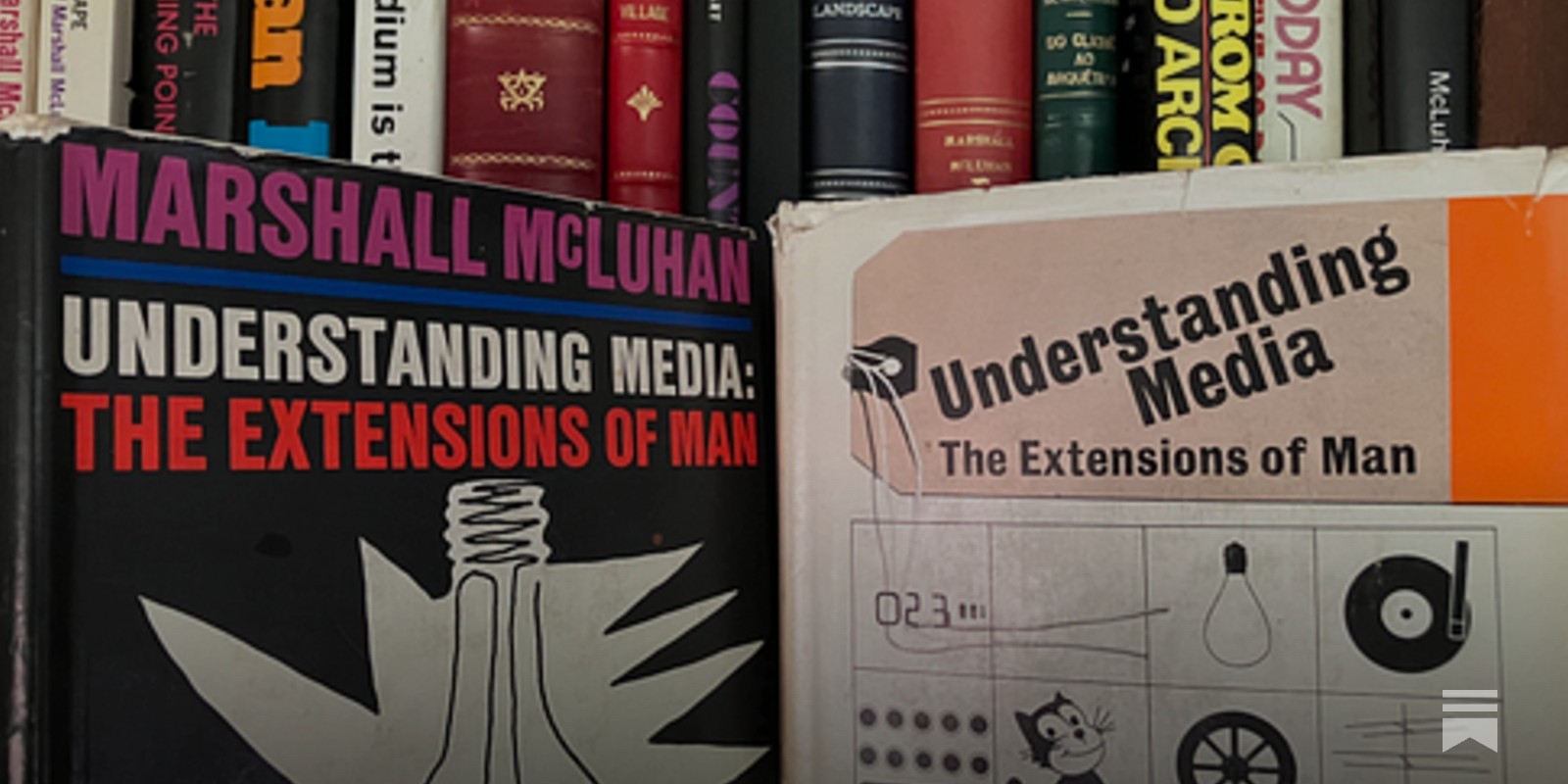
Reading, and Understanding Media
A guidebook, and poetry more than prose, Marshall McLuhan's 1964 work remains one of our best resources for exploring the nature and effects of new media. It's not an easy read, so I'm going to help.
Sam Harris | Home of the Making Sense Podcast
Join neuroscientist, philosopher, and best-selling author Sam Harris as he explores some of the most pressing and controversial questions of our time.
Authorship, division of labour, material and digital form; thoughts on Samuel A. Moore's Publishing Beyond the Market
On Christmas day, we had a quiet time this year. One of the things I did was to read Moore, Samuel A., Publishing Beyond the Market: Open Access, Care, and the Commons (University of Michigan Press, 2025). This is a most enjoyable book that outlines a project and worldview that I know Sam has been cultivating and refining for many years. I should stress that I am not writing a “review” here. I would be conflicted anyway as I am thanked in the acknowledgements. But it did, like all good books, make me think and I wanted to jot down some thoughts. These thoughts are not necessarily novel – sometimes Sam even explores some of them in the book – but I thought it would be enjoyable to express them nonetheless.
Brett Scott (@brettscott)
Marshall McLuhan is famous for his observation that the form of a communication technology can shape our mind and society The age of the printed book, for example, carried with it a particular way of being. Regardless of the differing content of different books, all books required a particular mindset in which a thread is followed from the beginning to the end through an arc I feel the age of social media is like the age of a ripped up book, as if we were surrounded by torn shards and shreds of paper floating like confetti around us. We grab for them, hoping for some tiny insight, but not having any way of knowing where it fits in the overarching narrative This note is one such shard. You can toss it away now

Andrew Tate Doesn’t Get the Point of Books
The erosion of deep reading weakens our capacity to grasp complex ideas.
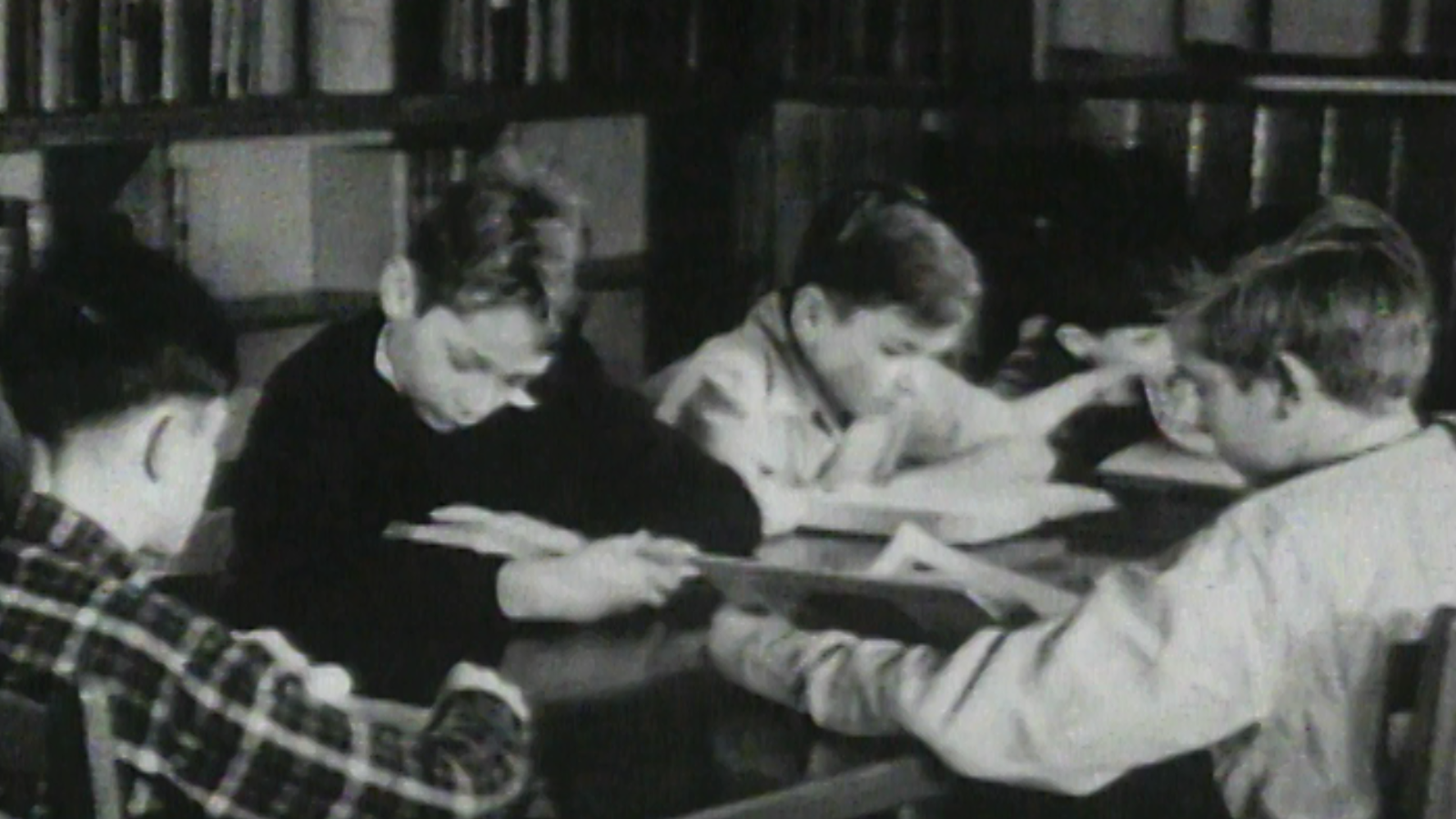
Reading in the Age of Constant Distraction by Mairead Small Staid
February 8, 2019 – Twenty-five years ago, Sven Birkerts published “The Gutenberg Elegies: The Fate of Reading in an Electronic Age.” Have his fears and projections come to pass?
“The End of Reading Is Here” - The Ringer
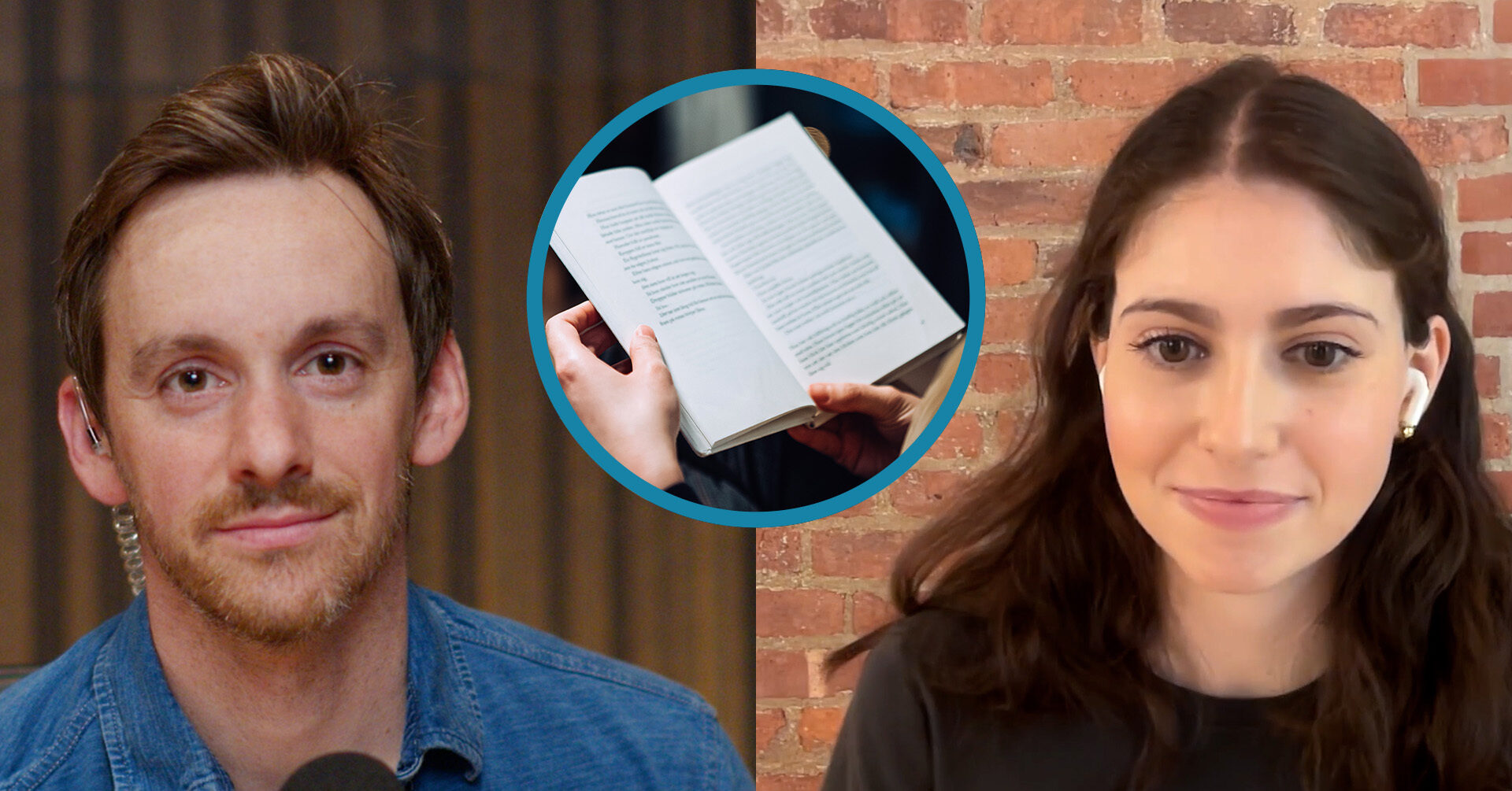
There’s no doubt that reading is in decline. But what is that decline doing to the way we think? Derek talks with The Atlantic’s Rose Horowitch about why Americans are reading fewer books than ever and struggling more with complex texts and what that means for education, work, politics, and culture.
Dark Matters: On the Surveillance of Blackness by Simon…
Discover and share books you love on Goodreads.

The End of Reading Never Began
What “The End of Reading Is Here” gets wrong about literacy, intellectual authority, and American “decline”
The End of Reading Is Here
Optimists once believed that universal literacy was inevitable. Now it seems that the age of reading might be a short anomaly in human history.
After the Deluge: What Future for Climate Fiction? - Public Books
Even in a world remade, the past defines the present.

How a flawed idea is teaching millions of kids to be poor readers
For decades, schools have taught children the strategies of struggling readers, using a theory about reading that cognitive scientists have repeatedly debunked. And many teachers and parents don't know there's anything wrong with it.

Interdependent Thoughts
Bookmarked Will A.I. Become the New McKinsey? by Ted Chiang in the New Yorker