


Our modern economic system is designed to maximize financial capital, viewing money as though it were wealth itself.
Denizen
How might we promote and sustain human prosperity and well being in an economy of permanence? John Fullerton takes his cues from stable, healthy living systems to formulate eight principles for a regenerative economy.
Regenerative economics
Regenerative economics is an economic system that works to regenerate capital assets. In standard economic theory, one can either “regenerate” one's capital assets or consume them until the asset cannot produce a viable stream of goods and/or services. Regenerative economics accounts for and gives economic value to Earth and the Sun. Most of regenerative economics focuses on the earth and the goods and services it supplies.
Regenerative Economics - Principles
Our hope is that the Regenerative Economics materials act like a wildflower, taking root in even the smallest of cracks and spreading seeds to change the way economics is understood by young people around the world. The guiding principles: Facilitate change from the ground up: We recognise the

Regenerative Economics
Regenerative economies strengthen social and ecological systems. It's time for economics education to show us how.

Economics for the future – Beyond the superorganism
Our environment and economy are at a crossroads. This paper attempts a cohesive narrative on how human evolved behavior, money, energy, economy and th…
This is how we build the future: Teaching Regenerative Economics at all levels with Jennifer Brandsberg-Engelmann
How do we let go of the sense of scarcity, separation and powerlessness that defines the ways we live, care and do business together? How can we best equip our young people for the world that is coming - which is so, so different from the future we grew up believing was possible?

Why the super rich are inevitable
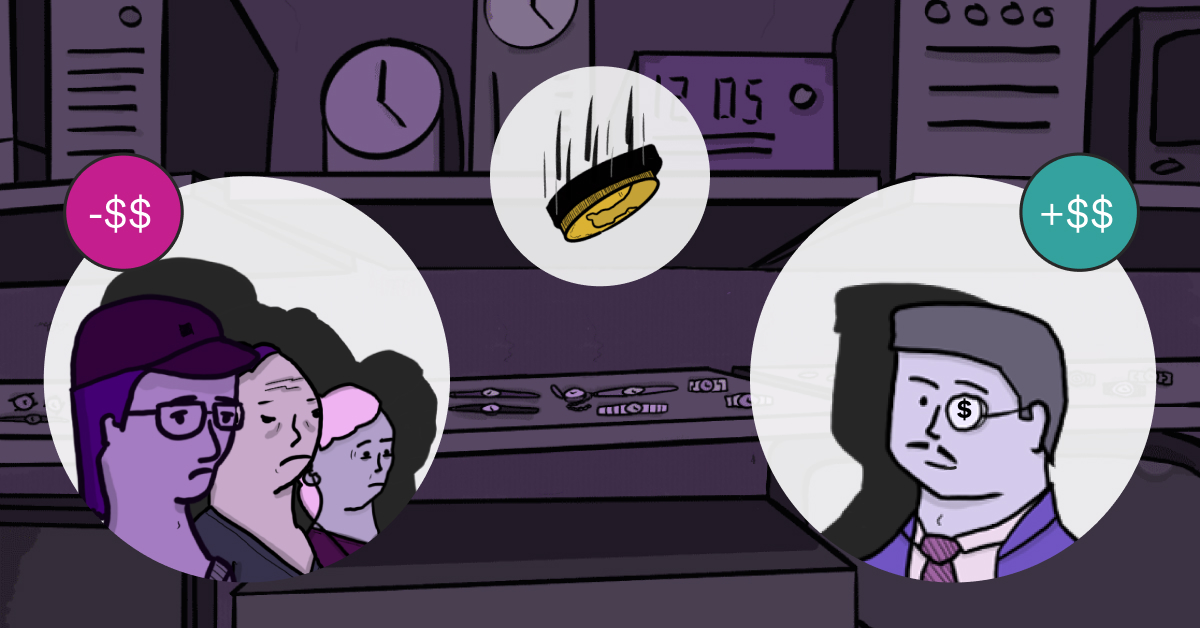
Why some mathematicians argue the economy is designed to create a few super rich people – unless we stop it.

Home - Schumacher Center for a New Economics
Our mission is to envision a just and regenerative economy; apply the concepts locally; then share the results for broad replication. Programs Library Lectures & Publications The Decentralism File Community Land Trust Local Currencies Reinventing The Commons All Programs eNewsletters All News “Since there is now increasing evidence of environmental deterioration, particularly in … Continued

How the Economic Machine Works [Animation] by Ray Dalio
In this animation, Ray Dalio explains How The Economic Machine Works. He covers important points such as credit, interest rates, leveraging and deleveraging.
Can Money Serve Life? How to Fund Communities Doing the Real Work with Matthew Monahan
Denizen
What is out there, now, that represents a market-based economy beyond capitalism? Post Growth Institute Founder Donnie Maclurcan shares his views on what's working around the world today and his theory of change towards the next economy.
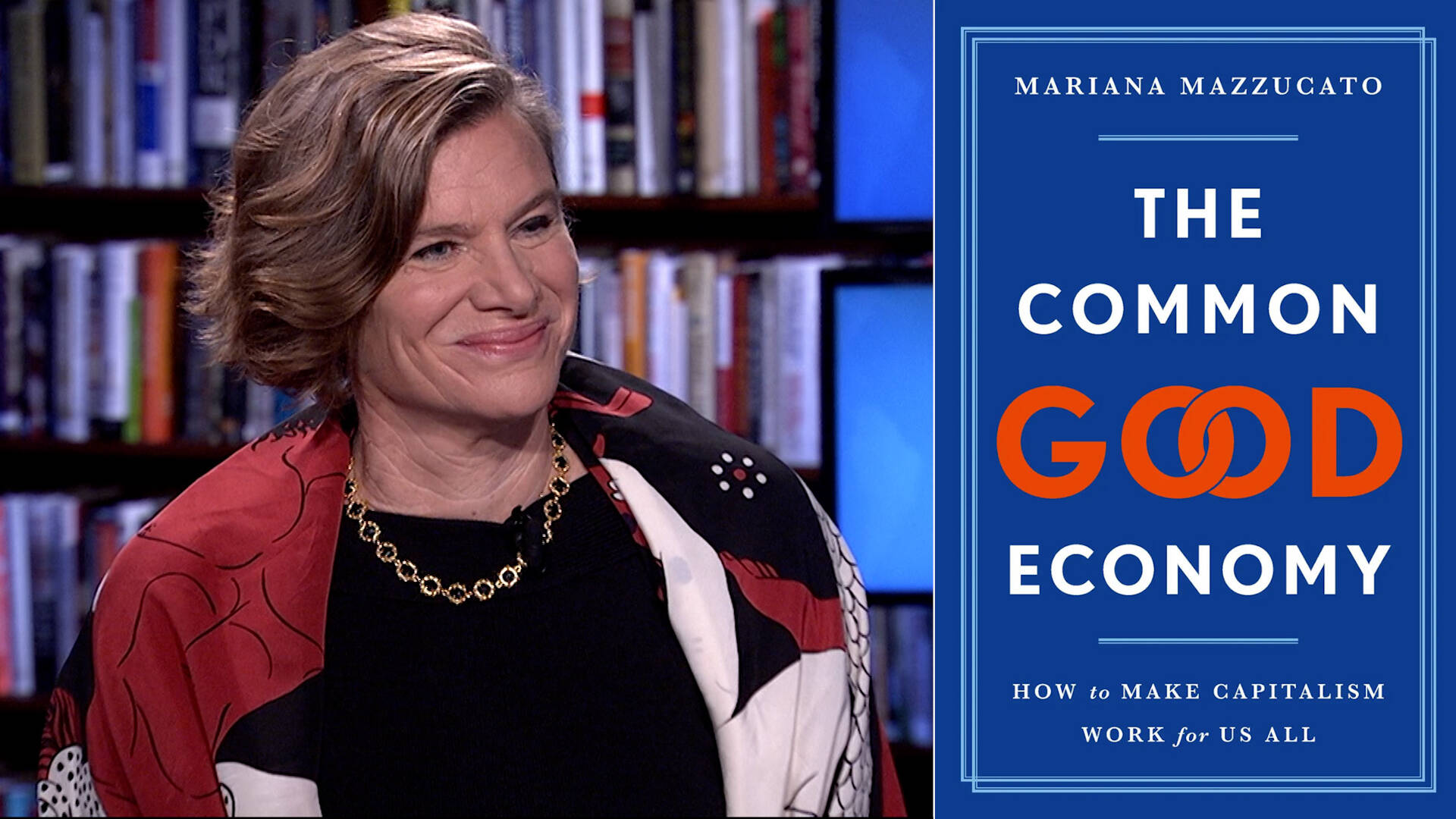
“The Common Good Economy”: Mariana Mazzucato on Fixing Capitalism
We speak with the economist Mariana Mazzucato, author of the new book The Common Good Economy: A New Compass.
Exocapitalism: economies with absolutely no limits
There is a touch of destiny with this one. We have real…

Systems Finance

Multiple fields recognizing that finance must change in order to transform or transition various technical social systems.
Post-growth & Regenerative Economics

Articles, podcasts, papers and books about alternative, pro-social models of finance and economics.
www.sciencedirect.com

Post-growth: the science of wellbeing within planetary boundaries
SEED Founding

Making Business Personal
Think Like a Commoner | A Short Introduction to the Life of the Commons
Design principles for long-lived circular organization: An Ostromian perspective
TransCap Initiative

What is system-level investing?

TWIST - Investing for systems change

The Owning Impact Project | MIT Sloan Sustainability Initiative | MIT Sloan
FEST