


The crises that our world is facing seem to be constantly growing, leading to enormous and devastating systemic effects across the globe.
Truth in Inconvenience
What do ZIRP, the AI panic, and the meaning crisis have in common?

Wisdom in a World in Crisis: The Counterintuitive Need to Slow Down and Find Spaciousness with Iain McGilchrist
Humanity’s Endgame
A new history of societal collapse by an expert in existential risk argues that our globalized society is edging toward the precipice.

The Prospects of a Pluriversal Transition to a Post-Capitalist, Post-C
This book critically engages with a central dilemma facing counter-hegemonic movements as global crises intensify: how to foster systemic change while

The Internet's Meaning Crisis
Parasocial media is a response to excessive irrelevance

The climate crisis: a war on the world
The climate crisis is a self-destructive war, with aggressors and victims

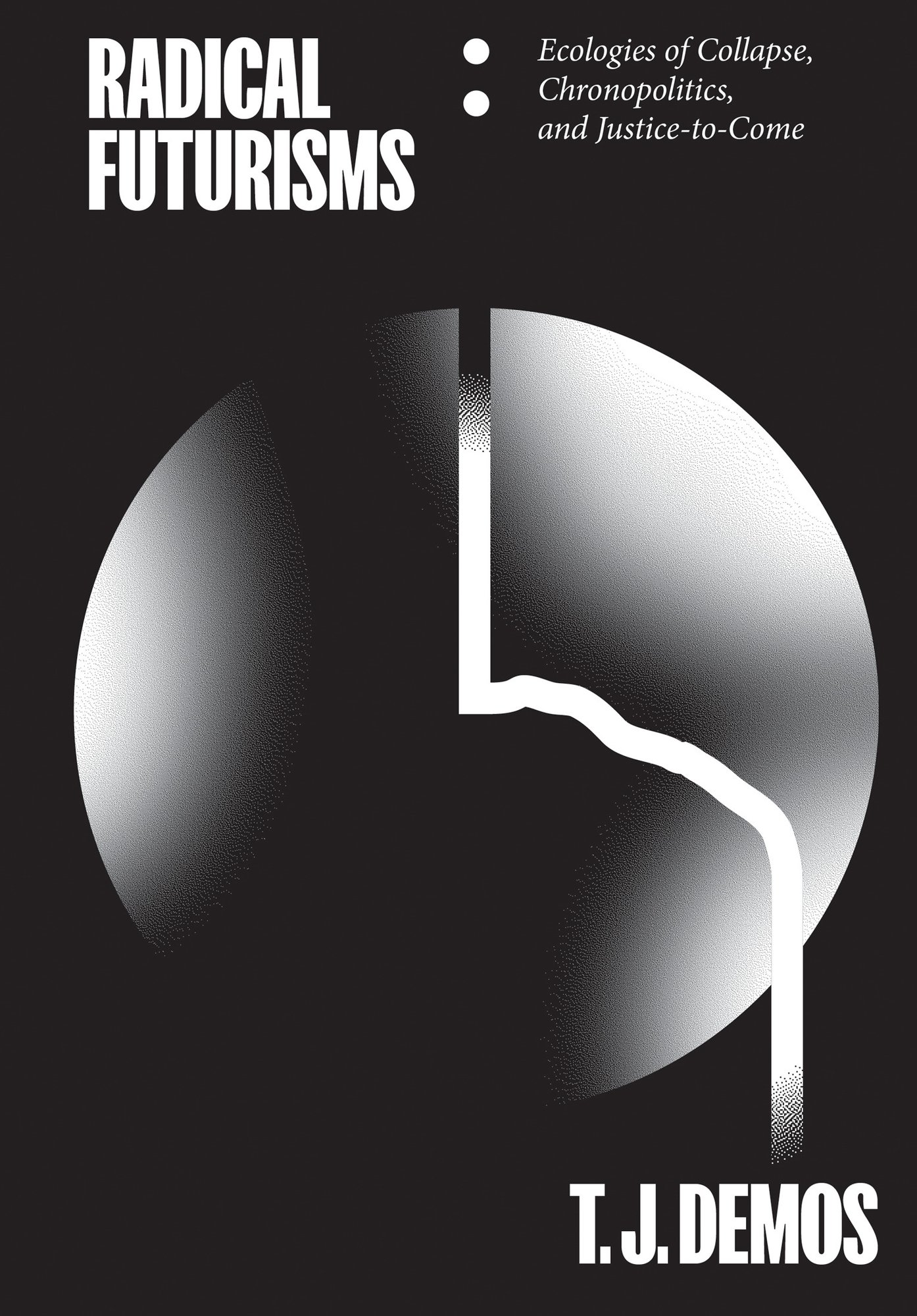
Radical Futurisms: Ecologies of Collapse, Chronopolitics, and Justice-to-Come
Ecologies of Collapse, Chronopolitics, and Justice-to-Come
A New Pilgrimage: John Vervaeke on Finding Practices that Build Meaning | Over the Mountains #15
The Intelligence Curse
This series examines the incoming crisis of human irrelevance and provides a map towards a future where people remain the masters of their destiny.

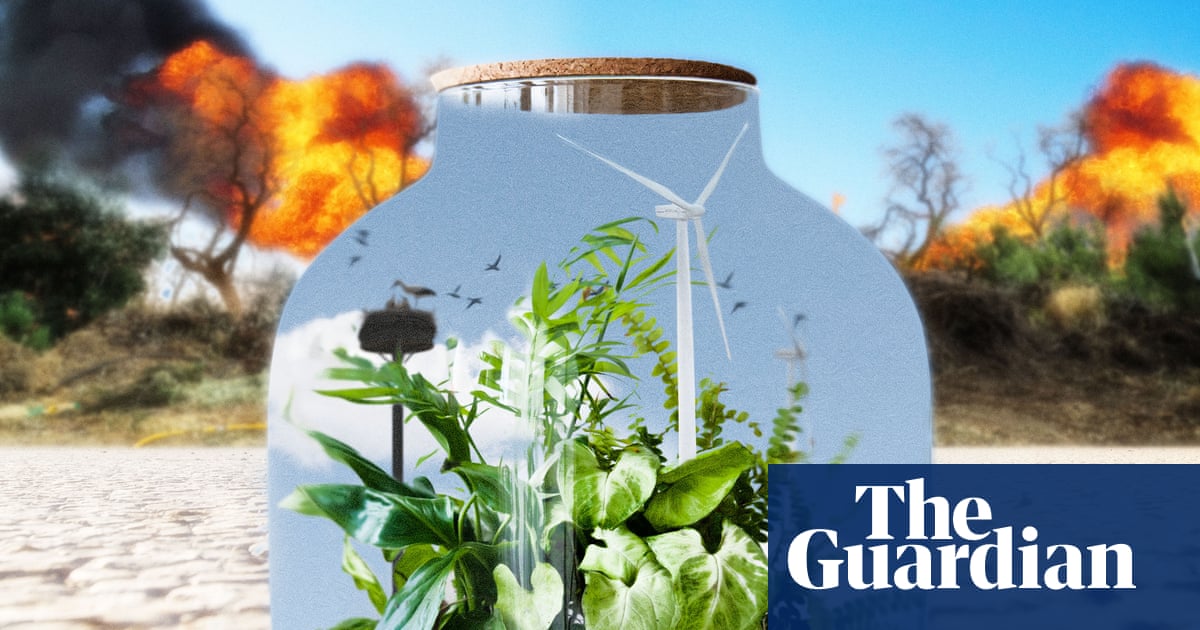
We asked our climate reporters to highlight one idea for positive change. We got a chronicle of global transformation
There are countless initiatives around the world that can inspire people and spur them into action. Amid the devastation of the climate crisis, our journalists strive to highlight these stories of hope
Polycrisis - Cascade Institute
The polycrisis program examines how today’s multiple crises are linked and how the polycrisis could create possibilities for positive outcomes.

Prefixing the World
Why the polycrisis is a permacrisis, which is actually a metacrisis, which is not really a crisis at all.

annotations: Vers un atterrissage en douceur ou en catastrophe ? Une perspective historique des cycles de politique monétaire
Blog de sciences économiques et sociales de Martin Anota. Traductions, revues de presse.
Why Crisis Resilience Depends on Epistemic Security
If we want to prevent tomorrow’s crises from spiraling out of control, we must recognize epistemic systems as critical infrastructure, writes Elizabeth Seger.
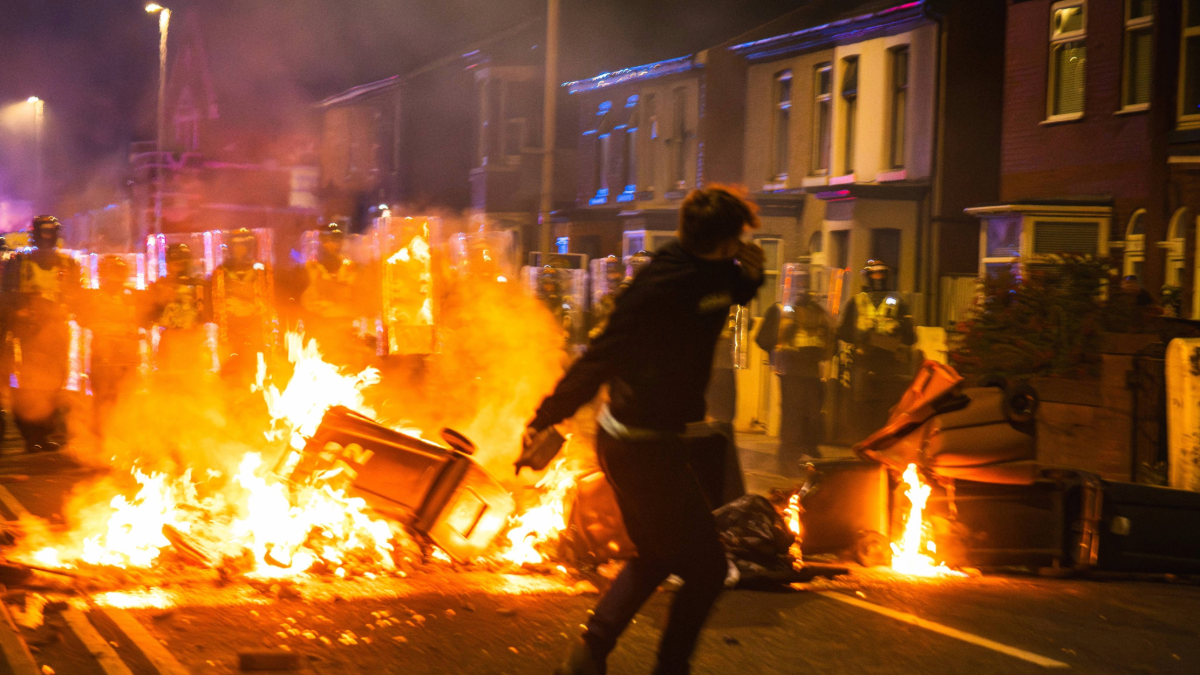
"the crucial step in crisis engineering is to re-establish a common view which corresponds to reality – to restore sense-making. Once that step has been taken, actually solving the problem becomes a tractable task, and without it nothing is going to work" -- @dsquareddigest.bsky.social

a failure of sense making
backofmind.substack.cominteresting to see them citing the meta-crisis and failure to address it as a prime reason for moving on - "our wisdom must grow in equal measure to our capacity to affect the world, lest we face the consequences" raising meta-crisis awareness among AI researchers is a great way to reduce x-risk 👍 >

norvid_studies
another one for the scrapbook @gracekind.net

