


On this episode, Professor of environmental chemistry Martin Scheringer joins Nate.
The Misunderstood History of CO2: The Science Behind Earth's Most Controversial Molecule with Peter Brannen
Chemical pollution a threat comparable to climate change, scientists warn
More than 100 million ‘novel entity’ chemicals are in circulation, with health impact not widely recognised

Nate on Twitter / X
OSTP just released 'Science: A New Golden Age' — 72 pages modeled on Vannevar Bush's 1945 report. I read the whole thing. It's remarkably good.The sharpest insight is on page 60. AI could do to science what fire suppression did to forests: make each individual tree safer while…— Nate (@NateWBradford) July 21, 2026
‘Smoking gun proof’: fossil fuel industry knew of climate danger as early as 1954, documents show
Documents show industry-backed Air Pollution Foundation uncovered the severe harm climate change would wreak

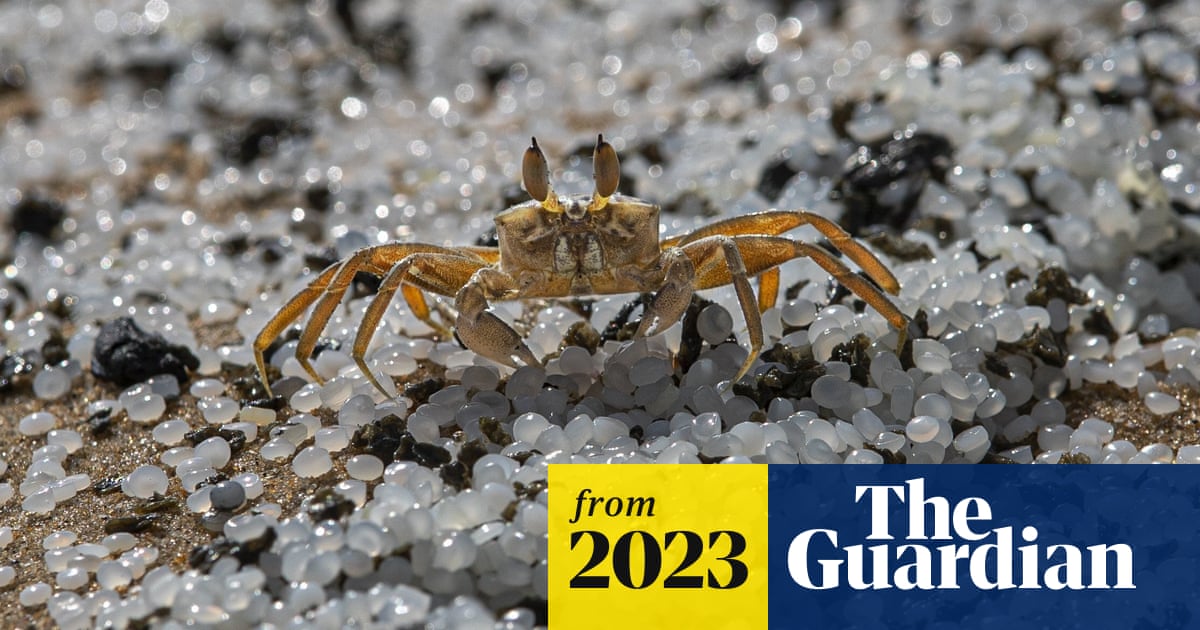
‘We can’t carry on’: the godfather of microplastics on how to stop them
As a UN summit in Nairobi debates a treaty on plastic pollution, Richard Thompson, the biologist who first identified microplastics 30 years ago, explains why ocean cleanups and biodegradables will not solve a global crisis
Iain McGilchrist: “Wisdom, Nature, and the Brain” - The Great Simplification
On this episode, literary scholar and psychiatrist Iain McGilchrist joins Nate
Climate Change: Global Crisis To Local Action By Kevin Anderson
The current war on science, and who’s behind it
A vaccine developer and a climate scientist walk into a bar write a book.
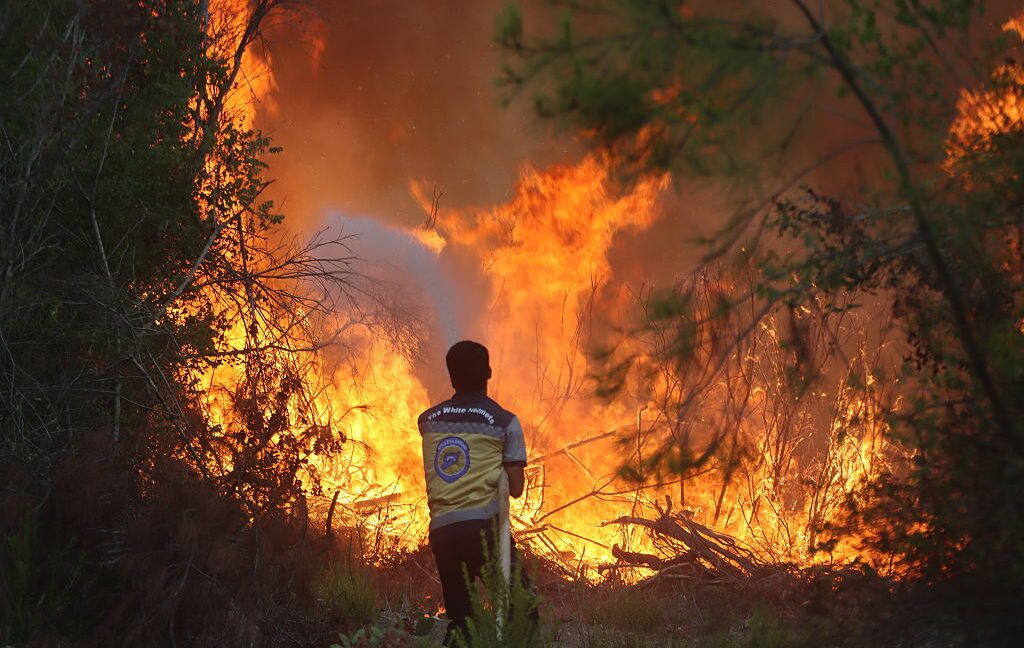
Protecting nature, destroying lives: The chemist vs. the Dutch farmers
Is Johan Vollenbroek saving the Netherlands — or tearing it apart?

Sasha Luccioni, PhD 🦋🌎✨🤗 on Twitter / X
Man, this preprint is really the gift that keeps on giving.In case people missed my previous PSA : you can't compare the carbon emissions of people and objects. Humans are more than just the work that they do. (Also, that paper makes a lot of false assumptions in general) https://t.co/bZA414J9YI— Sasha Luccioni, PhD 🦋🌎✨🤗 (@SashaMTL) September 19, 2023
Trump’s AI plan is a massive handout to gas and chemical companies
It’s another attack on bedrock environmental protections in the US.

Key Principles for the Intergovernmental Science–Policy Panel on Chemicals and Waste
In 2021, the United Nations Environment Programme (UNEP) recognized chemical pollution as a planetary crisis tantamount to climate change and biodiversity
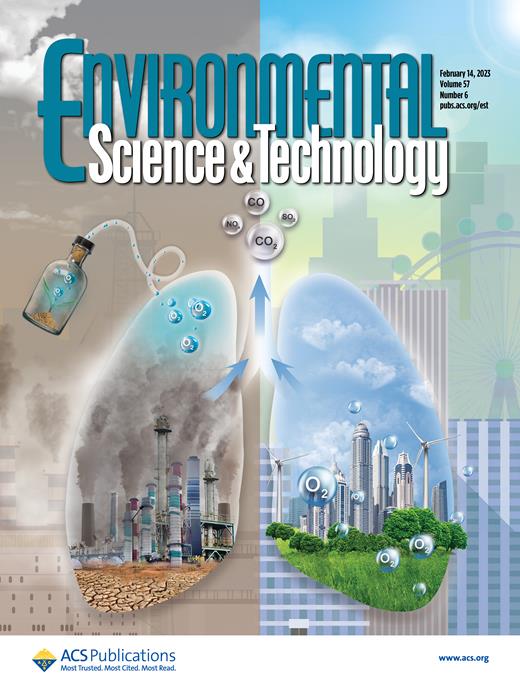
Emerging contaminants: A One Health perspective
Environmental pollution is escalating due to rapid global development that often prioritizes human needs over planetary health. Despite global efforts to mitigate legacy pollutants, the continuous introduction of new substances remains a major threat to both people and the planet. In response, global initiatives are focusing on risk assessment and regulation of emerging contaminants, as demonstrated by the ongoing efforts to establish the UN’s Intergovernmental Science-Policy Panel on Chemicals, Waste, and Pollution Prevention.

Social Influence and Action — Jen Christiansen
I’m wary of climate solutions that are hyper focused on the action of individuals as opposed to systems and corporations. Do you experience carbon footprint guilt every time you board a plane to visit family too? Well, that whole schema was a product of the PR firm Ogilvy & Mather for British Petroleum. It was an effort to shift focus away from oil companies and onto individual responsibility to lower greenhouse gas emissions. For more, read “The carbon footprint sham” by Mark Kaufman for Mashable in 2021, and “Big oil coined ‘carbon footprints’ to blame us for their greed. Keep them on the hook” by Rebecca Solnit for The Guardian.

An insider’s story of the global attack on climate science
An epic saga of secretly funded climate denial and harassment of scientists.

Pollution · Patrick Collison
Air pollution is a very big deal. Its adverse effects on numerous health outcomes and general mortality are widely documented. However, our understanding of its cognitive costs is more recent and those costs are almost certainly still significantly under-emphasized. For example, cognitive effects are not mentioned in most EPA materials.