
Financial meltdown, environmental disaster and even the rise of Donald Trump – neoliberalism has played its part in them all. Why has the left failed to come up with an alternative?
Neoliberalism – the ideology at the root of all our problems
Financial meltdown, environmental disaster and even the rise of Donald Trump – neoliberalism has played its part in them all. Why has the left failed to come up with an alternative?

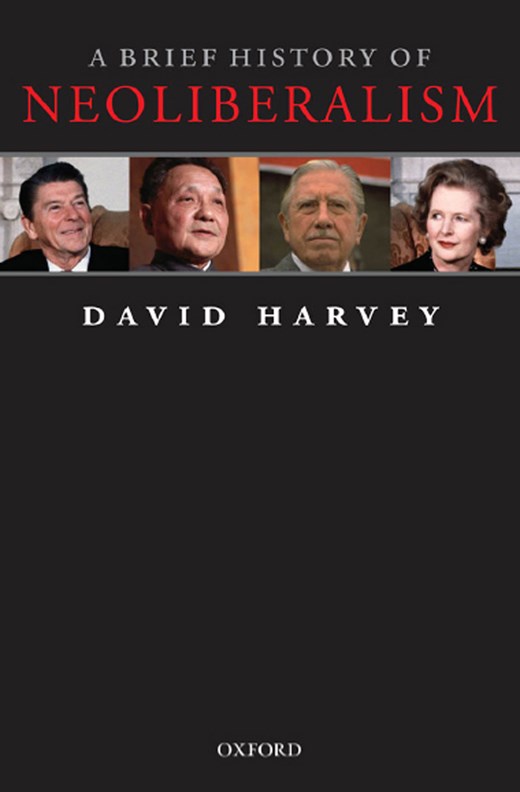
A Brief History of Neoliberalism
Abstract. Neoliberalism--the doctrine that market exchange is an ethic in itself, capable of acting as a guide for all human action--has become dominant in
If post-neoliberalism is in trouble, we're all in trouble
Markets can't do the job and our politics aren't fit for purpose
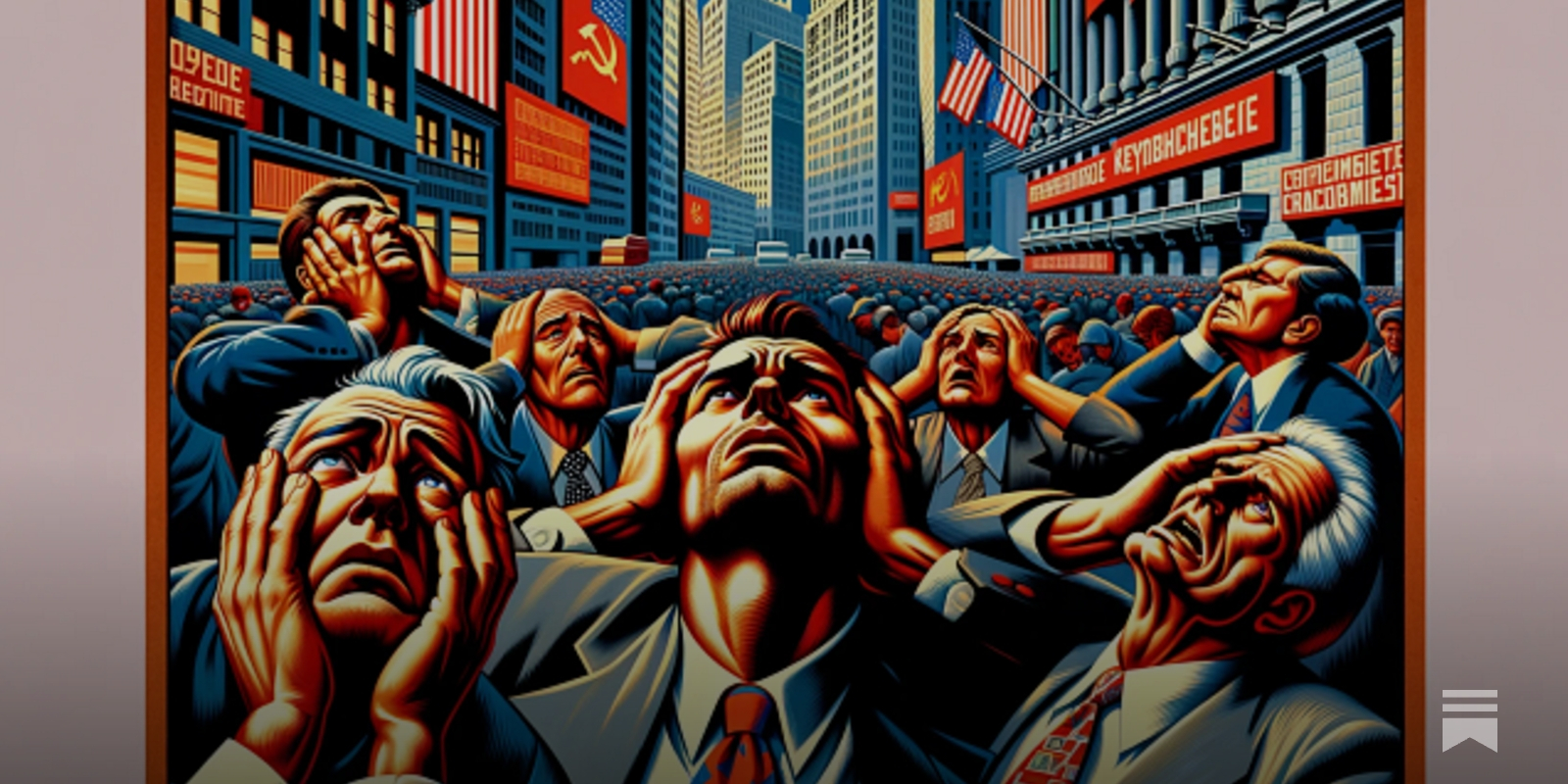
Neoliberalism | The Paper Pilot
The Paper Pilot's digital garden of thoughts on philosophy, politics, and sociology
Neoliberal Fascism as the Endpoint of Casino Capitalism
This article explores neoliberal fascism as a distinctive political formation within the current historical moment. In doing so, it first analyzes neoliberalism as a project that has since the 1970s destroyed all the commanding institutions of democracy while consolidating power in the hands of a financial elite. In addition, it analyzes neoliberalism as a movement, that produces and legitimates massive economic inequality and suffering, privatizes public goods, dismantles essential government agencies, and individualizes all social problems. Under such circumstances, neoliberalism creates the conditions for right wing extremists to mobilize the anger of white disenfranchised working class populations by both appealing to the economic injustices they experience while simultaneously blaming and directing their frustrations towards non-white minority groups such as immigrants, blacks, and Muslims. It is precisely this merging of the social, political, and economic hardships produced by neoliberal capitalism and its appropriation of the discourse of white supremacy to divert attention from its worst excesses and failures that a neoliberal fascism is produced. Â More specifically, I argue that in the face of 40 years of neoliberalism with its production of massive inequality, a frontal attack on the welfare state, and the erosion of civic institutions and culture, there has been a resurgence of fascist discourses and a populist fascist political movement. Neoliberal fascism represents the conjoining of the most extreme elements of casino capitalism with the discourses of racial cleansing, and white nationalism. The article concludes by examining how atomization, fear, and anxiety have become the breeding grounds of fascism and what it means to revive education as a central tenet of politics so as to address the task of not simply resisting oppressive economic structures, but also what it means to engage in the massive challenge of changing individual and collective consciousness as a precondition for collective struggle and the building of new social movements. Author Biography Henry Giroux, McMaster University Chair for Scholarship in the Public Interest The Paulo Freire Distinguished Scholar in Critical Pedagogy
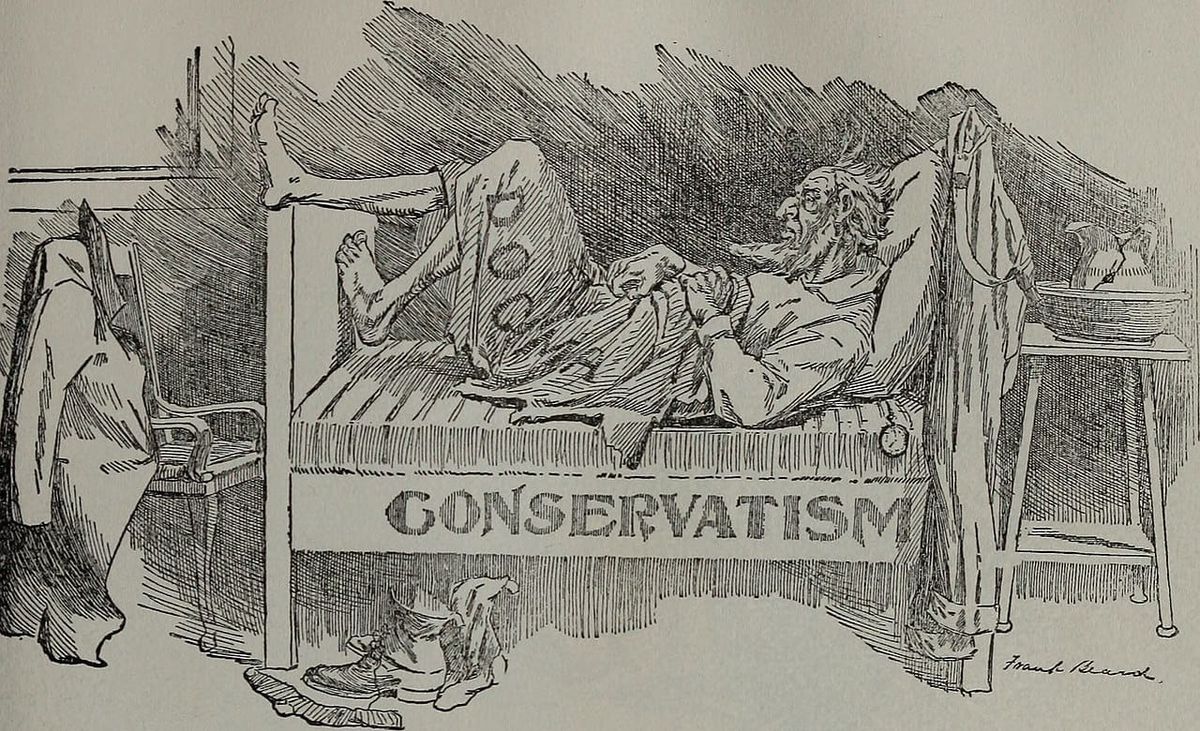
Liberalism Did Not Fail, Conservatism Did
We are moving from an ideologically multipolar world, to a bipolar one.
The building blocks of state capacity liberalism
Big fix liberalism, adaptive institutions, supply-side progressivism, democratic steering, repurposed neoliberalism and cyborg bureaucracy. That's some mouthful.

The Liberalism to Fascism Pipeline (Neoliberalism Explained)
Political Fairytale
Why is centrism failing so badly? Because at its heart is a mistaken idea of how politics works.

Welcome to the new age of geoeconomics
Tech, trade, finance and military policies are mingling in a manner not seen during the neoliberal era

The Left Has a Hyperpolitics Problem
While the left is often able to excite large numbers to protest, it fails to harness that energy to build lasting political power.

Software, Sovereignty and the Post-Neoliberal Politics of Exit
This paper examines the impact of neoreactionary (NRx) thinking – that of Curtis Yarvin, Nick Land, Peter Thiel and Patri Friedman in particular – on contemporary political debates manifest in ‘architectures of exit’. We specifically focus on Urbit, as an NRx digital architecture that captures how post-neoliberal politics imagines notions of freedom and sovereignty through a micro-fracturing of nation-states into ‘gov-corps’. We trace the development of NRx philosophy – and situate this within contemporary political and technological change to theorize the significance of exit manifest within the notion of ‘dynamic geographies’. While technological programmes such as Urbit may never ultimately succeed, we argue that these, and other speculative investments such as ‘seasteading’, reflect broader post-neoliberal NRx imaginaries that were, perhaps, prefigured a quarter of a century ago in The Sovereign Individual.

The Great Realignment: Why the New Right Is Here to Stay
The re-election of Donald Trump has illustrated in spectacular fashion the extent to which politics all over the world is in a state of continual flux. Old political configurations and parties are under unprecedented strain, with new forces, particularly on the hard right, challenging the status quo everywhere. Rejecting stale analyses based on moralistic panics about 'populism' or social media, political commentator Steve Davies shows how we are going through a deep-seated process of realignment rooted in underlying structural trends. We are transitioning, he argues, from an era where the key political division was over the economic structure of society to one where the primary division is between a vision rooted in national identity and sovereignty, and an essentially post-national cosmopolitanism. This change upends the ideological and electoral alliances that have structured our political systems for decades. No-one who wishes to truly understand the crises currently roiling the political status quo can afford to miss this stunning panoramic analysis of how this process works and how it is playing out across the world, from the USA and Germany to Argentina and India, and beyond.
Book Review: A Brief History Of Neoliberalism
Summary and commentary on David Harvey's "A Brief History Of Neoliberalism"