

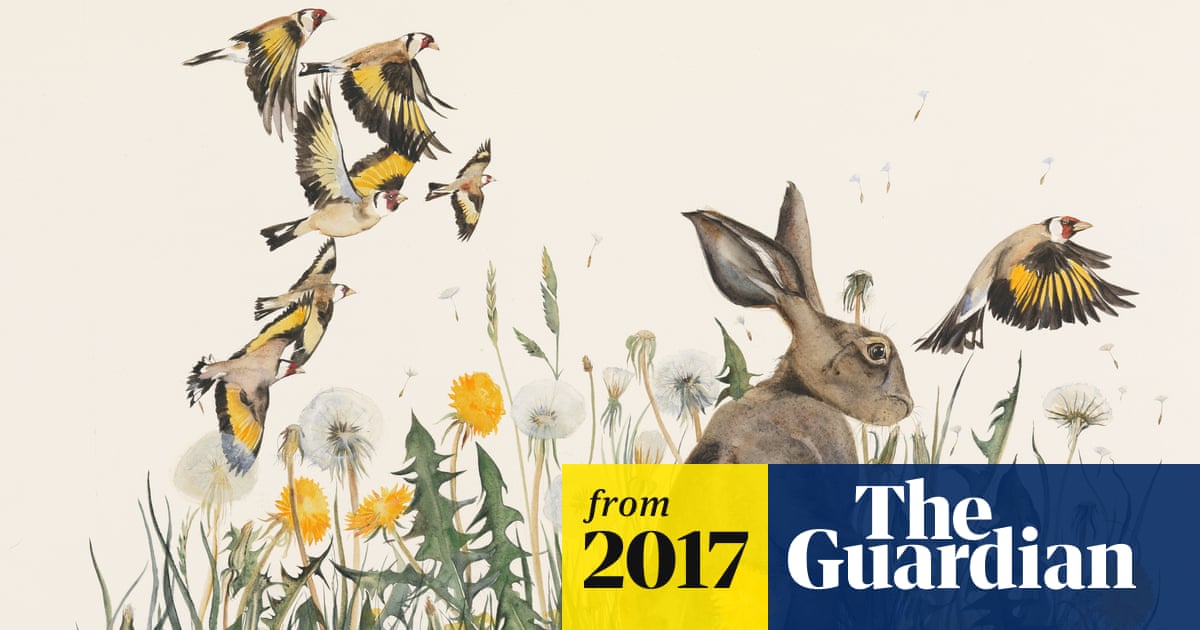
Studies show that children are better at identifying Pokémon characters than real animals and plants. Robert Macfarlane on his quest to reconnect young readers with the natural world
Fedora Badgers
The badger in this image is from Badger by Child of Light on OpenClipArt.org. The crayon is from Crayon by jhnri4 on OpenClipArt.org. The badger and crayon are public domain, the Fedora logo is not…

Human Predators: Groundbreaking insights into the red f…
Discover and share books you love on Goodreads.


Lord Britsh and Dupre telling stories!
Beaver Lodge Construction Squad | Attenborough | BBC Earth
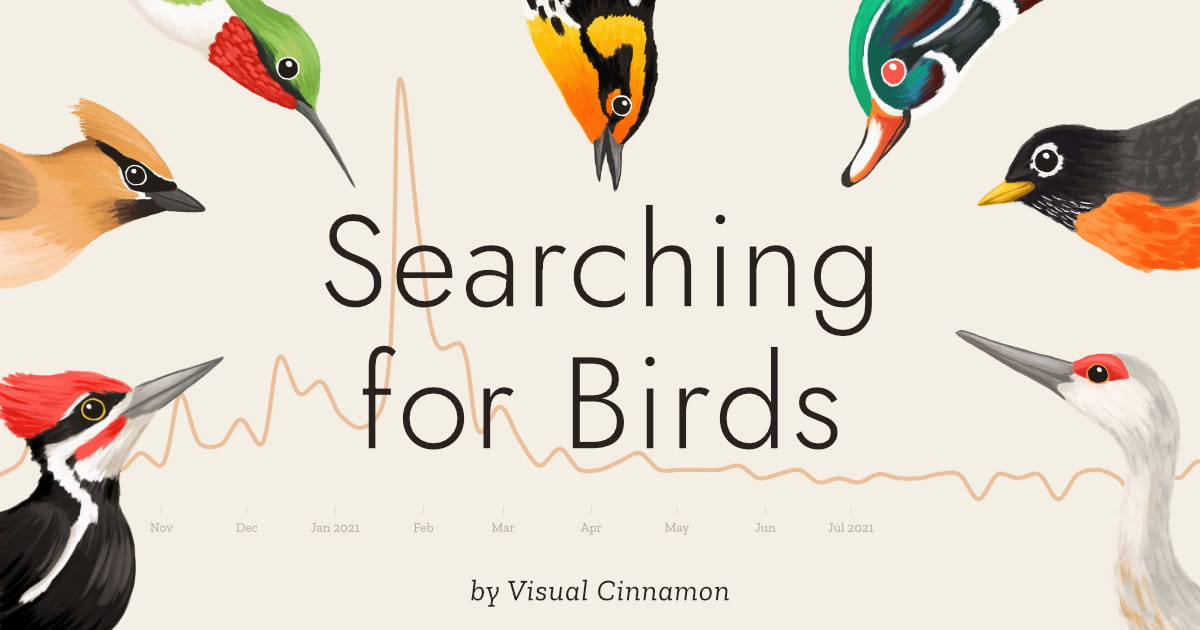
Searching for Birds
An interactive story about the birds that capture our curiosity, told through data, visuals and illustrations
Hayao Miyazaki and optimistic nihilism
Yesterday, I found the post i think we're obsessed with aesthetic on the Discovery Feed. It featured quite a few nice quotes. My favourite was this one: <...

In Depth: Miscellaneous
*this is a giant, everchanging collection of micellaneous tidbits about my life and career.* On The Moniker I had a habit as a kid of creating fictional enti...
Cane Toads are Vanishing Quickly in Australia —The Real Predator Was Terrifying
The new wild: why invasive species will be nature's salvation
Named one of the best books of 2015 by The Economist A…

Beavers Are Responsible for How We Coexist and Communicate
The buck-toothed rodents have long taken the lead in forging civilization's path forward.

Animal personalities can trip up science, but there’s a solution
Individual behavior patterns may skew studies, but a new approach could help.
Social Insects : Ecology and Behavioural Biology
1 online resource; Here is a guide to the ecology of social insects. It is intended for general ecologists and entomologists as well as for undergraduates and those about to start research on social insects; even the experienced investigator may find the comparison between different groups of social insects illuminating. Most technical terms are translated into common language as far as can be done without loss of accuracy but scientific names are unavoidable. Readers will become familiar with the name even though they cannot visualize the animal and could reflect that only a very few of the total species have been studied so far! References too are essential and with these it should be possible to travel more deeply into the vast research literature, still increasing monthly. When I have cited an author in another author's paper, this implies that I have not read the original and the second author must take responsi bility for accuracy! Many hands and heads have helped to make this book. I thank all my colleagues past and present for their enduring though critical support, and I thank with special pleasure: E.]. M. Evesham who fashioned the diagrams;]. Free, D.J. Stradling and]. P.E.C. Darlington who supplied photographs; D.Y. Brian and R.A. Weller who were meticulous on the linguistic side; and G. Frith and R.M. Jones who collated the references. List of plates 1. Fungus combs of Acromyrmex octospinosus and Macrotermes michaelseni. 13 2. Mouthparts of larval Myrmica; 1 Introduction -- 2 Food -- 2.1 Termites as decomposers -- 2.2 Wasps and ants as predators -- 2.3 Sugars as fuel save prey -- 2.4 Seed eaters -- 2.5 Leaf eaters -- 2.6 Pollen eaters -- 3 Foraging by individuals -- 3.1 Foraging strategy -- 3.2 Worker variability -- 4 Foraging in groups -- 4.1 Communication about food -- 4.2 Group slave-raiding -- 4.3 Tunnels and tracks -- 4.4 Nomadic foraging -- 5 Cavity nests and soil mounds -- 5.1 Cavities and burrows -- 5.2 Soil mounds -- 6 Nests of fibre, silk and wax -- 6.1 Mounds of vegetation and tree nests -- 6.2 Combs of cells -- 7 Microclimate -- 7.1 Environmental regulation -- 7.2 Metabolic regulation -- 8 Defence -- 8.1 Painful and paralysing injections -- 8.2 Toxic smears and repellants -- 9 Food processing -- 9.1 Mastication, extraction and regurgitation -- 9.2 Yolk food supplements -- 9.3 Head food glands -- 10 Early population growth -- 10.1 Food distribution -- 10.2 Colony foundation -- 10.3 The growth spurt -- 11 Maturation -- 11.1 Simple models of reproduction -- 11.2 Social control over caste -- 11.3 Males in social Hymenoptera -- 11.4 Maturation in general -- 12 Reproduction -- 12.1 Caste morphogenesis -- 12.2 Copulation and dispersal -- 12.3 Production -- 12.4 Summary -- 13 Evolution of insect societies -- 13.1 Theories of individual selection -- 13.2 Models of these theories -- 13.3 Group selection -- 13.4 Conclusions -- 14 Colonies -- 14.1 The colony barrier -- 14.2 Queen number and species ecology -- 14.3 Queen interaction and queen relatedness -- 15 Comparative ecology of congeneric species -- 15.1 Ant and termite races -- 15.2 Desert ants and termites -- 15.3 Ants and termites in grassland -- 15.4 Forest ants and termites -- 15.5 Wasps and bumblebees -- 15.6 Advanced bees -- 16 Communities -- 16.1 Temperate zone communities in grass and woodland -- 16.2 Desert communities -- 16.3 Tropical rain forest -- 16.4 Conclusions -- 17 Two themes -- 17.1 Plant mutualism -- 17.2 Social organization -- References -- Author index

EARTHKIN WILD
At Earthkin Wilderness School we hold that a deep relationship with nature, community, and self is essential to discovering one’s unique gifts so that cultural transformation rooted in earth-based ways can take place. We offer ancestral skills training, immersive experiences in the wild, deep nature connection programs, and primal movement practices for those looking for land-based learning and reconnection in the coast mountains of BC.