

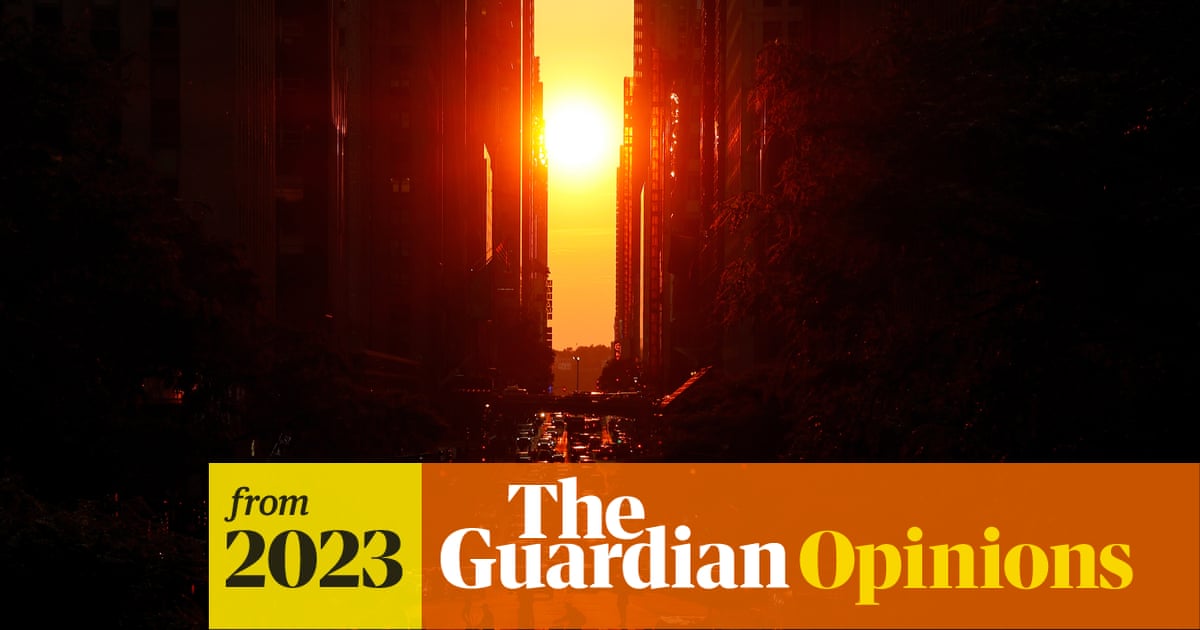
Last week New York and Detroit were listed among the five most polluted cities in the world because of smoke from Canada. What does that mean?
Increased smoke pollution on the horizon for Pacific Northwest
If we do nothing, parts of the US will see a tripling in wildfire smoke pollution.
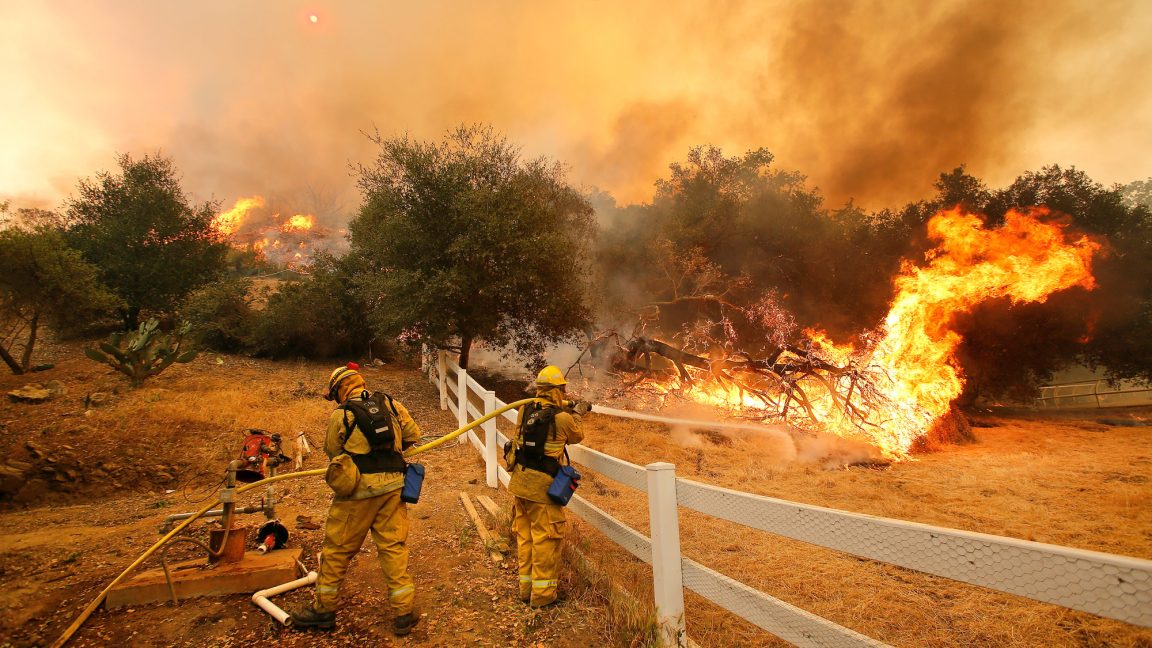
How one German village exemplifies the cancer risk from wood burning
Residential heating with wood or coal can lead to significant air pollution, even in rural communities, researchers say

Smoking’s Toll on Health Is Even Worse Than Previously Thought, a Study Finds (Published 2015)
A new analysis suggests that an additional 60,000 deaths a year in the United States are linked to smoking.

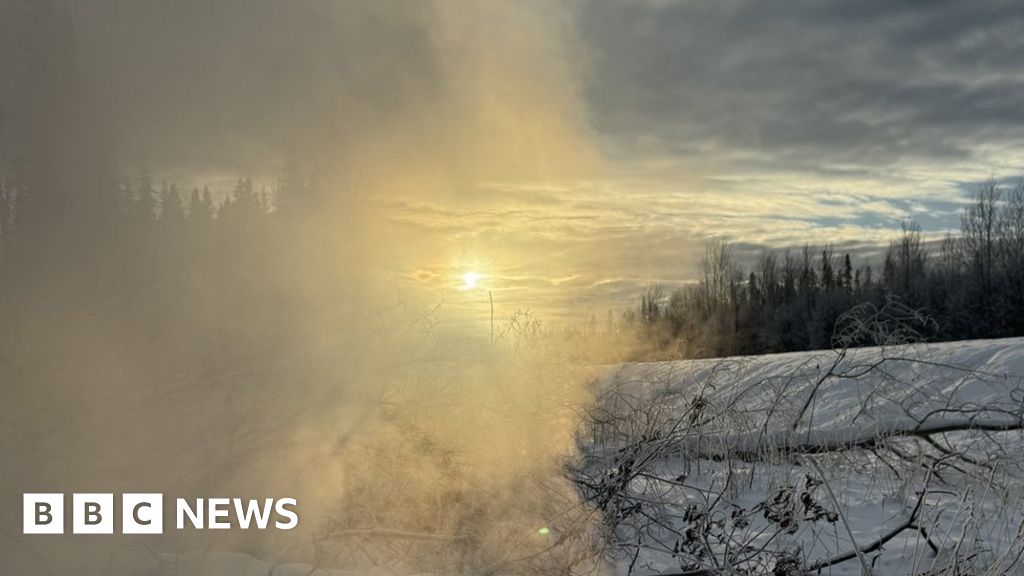
'Zombie Fires' burning at an alarming rate in Canada
Canada's wildfire season is not over, with dozens of winter fires still burning beneath the soil.
Tracing the toxic impact of B.C. coal mining
Concern is mounting over the effects of B.C. coal mines on aquatic life in Canada and the United States.

Pollution · Patrick Collison
Air pollution is a very big deal. Its adverse effects on numerous health outcomes and general mortality are widely documented. However, our understanding of its cognitive costs is more recent and those costs are almost certainly still significantly under-emphasized. For example, cognitive effects are not mentioned in most EPA materials.
Revealed: almost everyone in Europe is breathing toxic air
Guardian investigation finds 98% of Europeans breathing highly damaging polluted air linked to 400,000 deaths a year

‘Smoking gun proof’: fossil fuel industry knew of climate danger as early as 1954, documents show
Documents show industry-backed Air Pollution Foundation uncovered the severe harm climate change would wreak

High heat killed 50,000 Europeans this summer.
Scientists are blaming climate breakdown for that record figure, which is almost double 2025’s, and only covers city areas — meaning the real number of deaths is likely higher. According to this new mortality report, Malta, Italy, and Hungary had the hightest rates of people succumbing to the heat. [Link: Heat killed ‘staggering’ 50,000 people in Europe’s cities this summer, scientists warn | https://www.theguardian.com/environment/2026/oct/23/heat-killed-staggering-50000-people-european-cities-this-summer-experts | The Guardian]

THE AIR OF UNCERTAINTY Experts weigh health risks of twin towers fires & dust
Some people living or working near Ground Zero may have faced serious health risks since Sept. 11, but environmental experts say they don’t know enough to be certain about long-term harm. For months, toxic contamination in the…

A Blackened Ecology for the End of the Summer
Every summer in the past 16 years Europe and North America—and not only—is affected by global warming evident through the heat waves and wildfires they experience while research from the past decad…

Chemical pollution a threat comparable to climate change, scientists warn
More than 100 million ‘novel entity’ chemicals are in circulation, with health impact not widely recognised

Heat-related urban mortality attributable to human-induced climate change in Europe in summer 2026
The summer of 2026 was characterised by a series of extreme heatwaves across Western Europe, with both monthly and annual temperature records broken repeatedly across many countries from May onwards. Several government agencies took the unprecedented step of issuing near-real-time estimates of the mortality associated with the most intense heat events, reflecting the severity of the threat to public health. In this study we combine probabilistic climate attribution with city- and age-specific temperature–mortality relationships to estimate heat-related mortality in 854 European cities during the summer months (June-August) and compare with counterfactual climate conditions representing a world without human-caused warming. We estimate 50,391 heat-related excess deaths across the 854 cities during the summer, with around two thirds of these attributable to anthropogenic climate change. These results highlight the threat from human-caused warming and the need for rapid emissions reductions alongside preparation and adaptation measures.
🌡️🔥Climate change isn't a distant threat—it's a public health crisis now. Our study shows heat-related deaths in many cities could surpass annual COVID-19 deaths in just 5–10 years at 3°C warming. Urgent action is needed! 👉 rdcu.be/d5rnL @natureportfolio.bsky.social #scientificreports

Rapid climate action is needed: comparing heat vs. COVID-19-related mortality
rdcu.be