

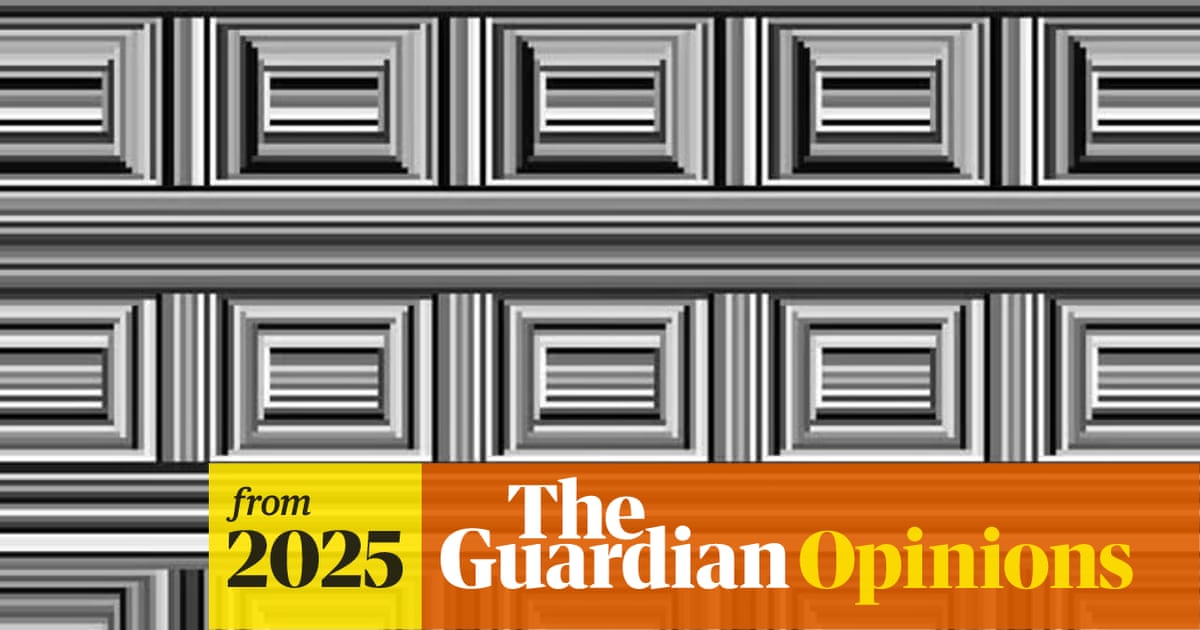
We may believe we see the world exactly as it is – but as studies of optical illusions show, it’s far more complex than that, says cognitive and computational neuroscience professor Anil Seth
People Who Can't Visualize Anything Are Challenging a 300-Year-Old Theory of Thought
Mental imagery might not be as central to complex human thought as we believed, philosophers say.

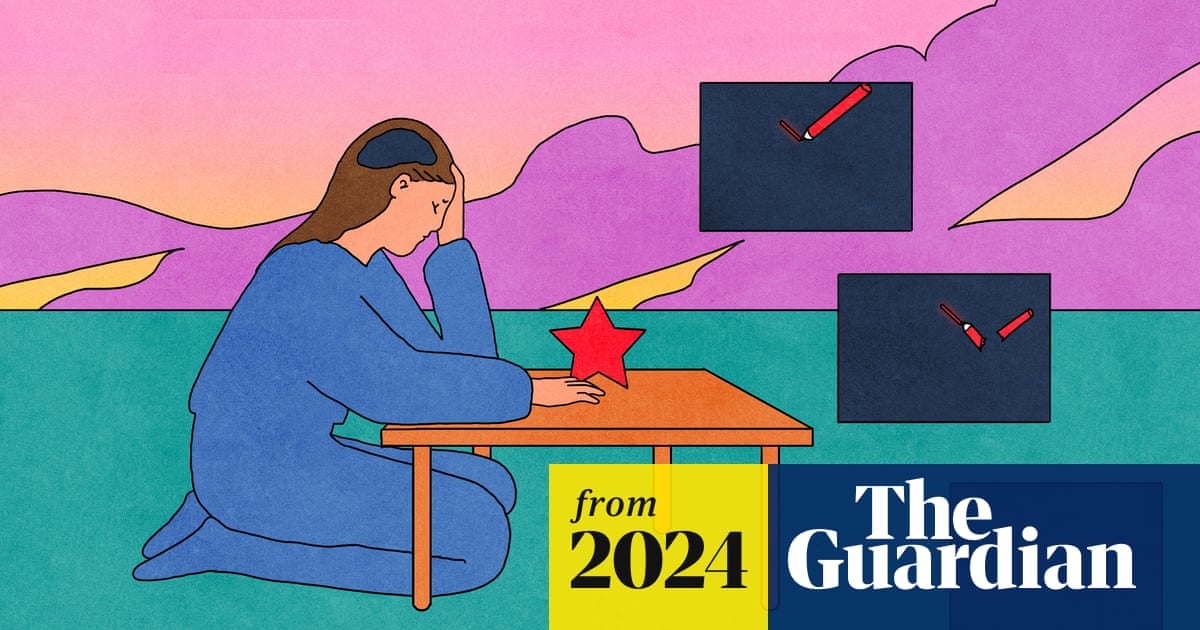
I can’t picture things in my mind. I didn’t realize that was unusual
People with aphantasia can’t mentally visualize things. Mental imagery is a spectrum, and we lie outside it, in the dark
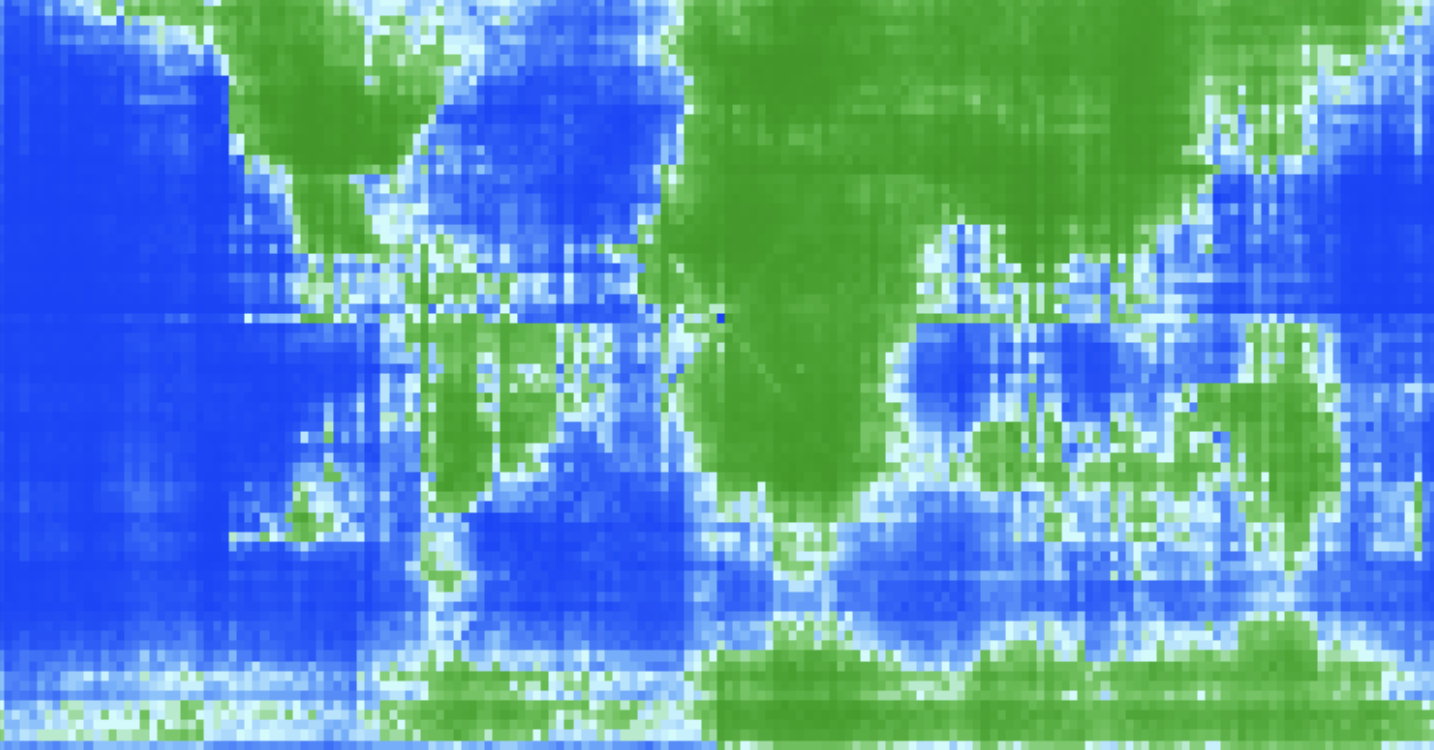
How Does A Blind Model See The Earth? — LessWrong
Sometimes I'm saddened remembering that we've viewed the Earth from space. We can see it all with certainty: there's no northwest passage to search f…
Scientists Find Evidence The Human Brain Can Create Structures in Up to 11 Dimensions
"We found a world that we had never imagined."


Reticulum Network
For the better part of a generation, we have been taught to visualize the digital world through the lens of hierarchy. The mental maps we carry are dominated by a single, misleading image: The Cloud.
Prof. Judy Fan: Cognitive Tools for Making the Invisible Visible
Prof. Judy Fan: Cognitive Tools for Making the Invisible Visible
What does it mean for culture to ‘shape’ cognition?
Human culture and cognition vary widely across groups, but how exactly culture ‘shapes’ cognition remains underspecified. In this review, we outline four qualitatively different pathways by which culture can shape cognition. In this framework, culture can (i) privilege some cognitive processes, while leaving alternative processes intact; (ii) prune unused alternative processes, which are irretrievably lost; (iii) produce new cognitive processes; or (iv) have no effect on cognition at all. To illustrate the utility of this framework, we apply it to three debated effects of culture on cognitive processes, namely, visual illusions, large exact number abilities, and spatial–numerical associations. The distinctions we propose can serve to reframe long-standing debates, sharpen empirical predictions, and open new avenues of research in cognitive diversity.

The brain's 7D sandcastles could be the key to consciousness | New Scientist
We’ve glimpsed mind-bending geometric structures that fleetingly encode our thoughts, memories and feelings – and could solve the greatest mystery of all

re:vision | Replication Initiative for Visual Neuroscience
Replicate and generalize visual-neuroscience findings using the LAION-fMRI (LfMRI) 7T dataset.

Akiyoshi's illusion pages
Akiyoshi KITAOKA, Professor, Psychology, Ritsumeikan University, Osaka, Japan studying visual perception, visual illusion, optical illusion, trompe l'oeil, 3D, etc. ORCID
Once you see it, you can't unsee it

W Social is TruthSocial with a European accent.
wecanjustdothings.leaflet.pubOnce you see it, you can't unsee it
W Social is TruthSocial with a European accent.
wecanjustdothings.leaflet.pub
