‘Forever chemicals’ pose health threat to developing children and linked with preterm birth, shorter lactation
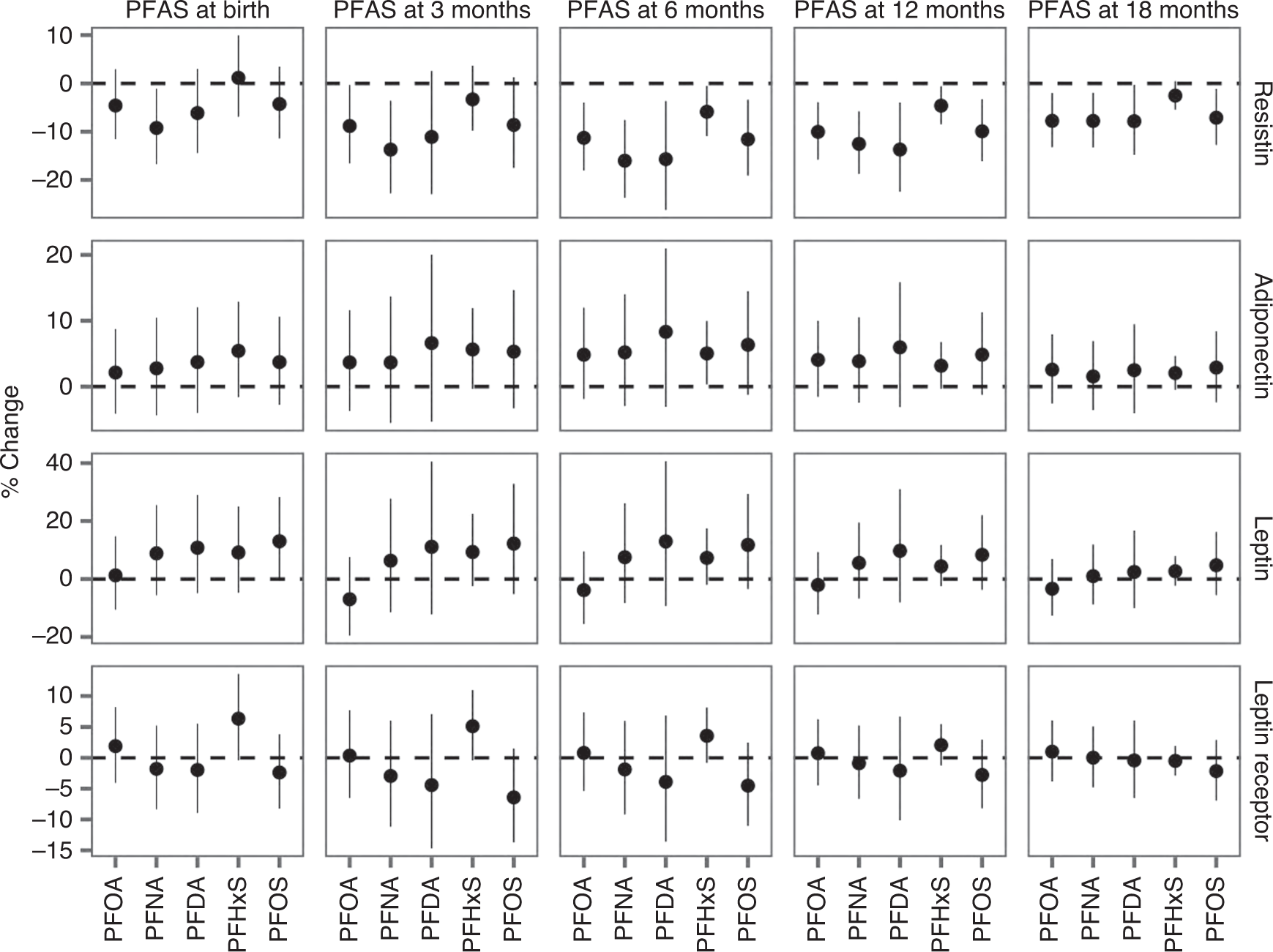
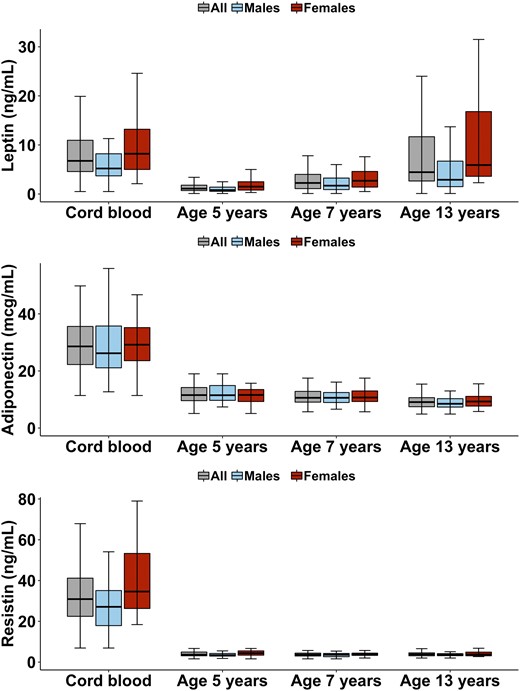
Estimated exposure to perfluoroalkyl substances during infancy and serum-adipokine concentrations in later childhood
Perfluoroalkyl substances (PFASs) are transferred through human milk and may cause elevated exposure during infancy. Given the lack of early postnatal blood samples, PFAS concentrations can be estimated to serve as predictors of subsequent metabolic toxicity.
Exposure to a PFOA, PFOS and PFHxS Mixture during Gestation and Lactation Alters the Liver Proteome in Offspring of CD-1 Mice
Perfluroalkyl substances (PFASs) are persistent man-made chemicals considered to be emerging pollutants, with Perfluorooctanoic acid (PFOA), Perfluorooctanesulfonic acid (PFOS), and Perfluorohexanesulphonic acid (PFHxS) being linked to hepatotoxicity and steatosis. PFOA, PFOS, and PFHxS can undergo placental and lactational transfer, which results in PFOA, PFOS, and PFHxS distribution to the neonatal liver. Moreover, in pregnant dams, exposure to a PFAS mixture, in combination with a high fat diet, increased hepatic steatosis in offspring at postnatal day 21, but the mechanisms have not been elucidated. It was hypothesized that gestational/lactational PFAS exposure would alter the pup liver proteome and biochemical/signaling pathways. Timed-pregnant CD-1 dams were fed a standard chow or 60% kcal high-fat diet. From GD1 until PND20, dams were dosed via oral gavage with vehicle (0.5% Tween 20), individual doses of PFOA, PFOS, PFHxS at 1 mg/kg, or a mixture (1 mg/kg each, totaling 3 mg/kg). Livers were collected from PND21 offspring and SWATH-MS proteomics was performed. IPA analysis revealed PFAS exposure modified disease and biological function pathways involved in liver damage, xenobiotics, and lipid regulation in the PND21 liver. These pathways included lipid and fatty acid transport, storage, oxidation, and synthesis, as well as xenobiotic metabolism and transport, and liver damage and inflammation. This indicates the pup liver proteome is altered via maternal exposure and predisposes the pup to metabolic dysfunctions.

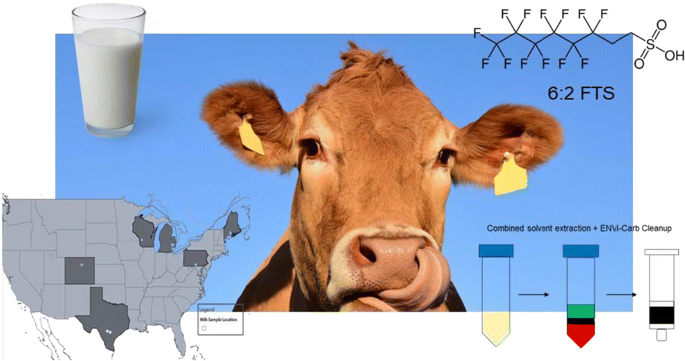
A sensitive method for the detection of legacy and emerging per- and polyfluorinated alkyl substances (PFAS) in dairy milk
There is widespread contamination by per- and polyfluoroalkyl substances (PFAS) across the globe, with adverse effects on human and environmental health. For human exposure, drinking water and dietary exposure have been recognized as important PFAS exposure pathway for the general population. Several documented cases of dairy milk contamination by PFAS have raised concerns over this exposure pathway in general. A sensitive method for determination of 27 PFAS in milk was hence modified and applied on raw and processed milk samples from 13 farms across the United States (U.S.). A combination of acid and basic extraction method and ENVI-Carb clean-up achieved recoveries of targeted PFAS between 70 and 141%. The method detection limits (MDL) ranged from 0.8 to 22 ng/L (for 26 PFAS) and 144 ng/L for perfluorobutanoic acid (PFBA). The uniqueness of this method is considered in the targeted screening of a broad range of legacy PFAS, as well as perfluorinated sulfonamide species and fluorotelomer sulfonates. No legacy PFAS were detected in 13 milk samples from regions of concern given local use of biosolids or proximity to fire training areas. Overall, then, the uptake of perfluoroalkyl acids (PFAA) from dairy milk in the U.S. is considered low.
MassIVE Dataset Summary
This study aimed to assess PFAS distribution and lung proteome changes in CD-1 offspring after gestational and lactational exposure to PFOS, PFOA, PFHxS, or a PFAS mix. A secondary aim was to evaluate how maternal exposure to a high fat diet (HFD) affected the latter endpoints. Pregnant CD-1 mice received PFOA, PFOS, PFHxS (1 mg/kg), a PFAS mix (1 mg/kg each), or vehicle. Dams were fed standard diet (SD) or high fat diet (HFD), and PFAS were administered from gestation day 1 to postnatal day 20. At PND 21, lung PFAS concentration was measured using LC-MS/MS, and proteomic analysis was conducted. Results from LC-MS/MS analysis showed a significant overall difference in PFOS, PFOA, and PFHxS levels and the treatment groups with PFHxS concentration were significantly higher compared to PFOS and PFOA. Proteomic analysis determined female pups exposed to maternal HFD Mix (Mix HFD female) and PFOS (PFOS HFD female) had the most differentially expressed proteins followed by PFOS SD male, Mix SD female, and Mix SD male. Canonical pathways like EIF2 signaling, mTOR signaling, and mitochondrial dysfunction were differentially modulated. This study provides insights into PFAS distribution, the molecular mechanism, biomarkers on the neonatal lung in animal models following perinatal exposure. [doi:10.25345/C5RN30J7K] [dataset license: CC0 1.0 Universal (CC0 1.0)] Keywords: Lung PFAS Mixture Prenatal exposure
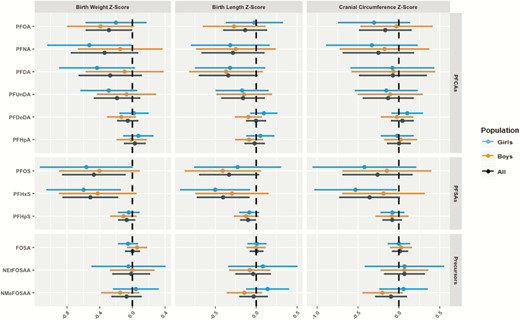
Associations of Exposure to Perfluoroalkyl Substances With Thyroid Hormone Concentrations and Birth Size
AbstractBackground. Adequate thyroid function during pregnancy is essential for optimal fetal growth. Gestational exposure to perfluoroalkyl substances (PF
How Well Do Product Labels Indicate the Presence of PFAS in Consumer Items Used by Children and Adolescents?
Abstract. PFAS are persistent and toxic chemicals used in many commercial and industrial applications that are often added to consumer products, including
Are your clothes making you sick? The opaque world of chemicals in fashion
Our outfits contain BPA, PFAS and other dangerous substances – but we still know little about their cumulative impact

Early Life Exposures to Perfluoroalkyl Substances in Relation to Adipokine Hormone Levels at Birth and During Childhood
Prenatal and early postnatal exposures to perfluoroalkyl substances were associated with decreases in adipokine hormone levels over the childhood period in
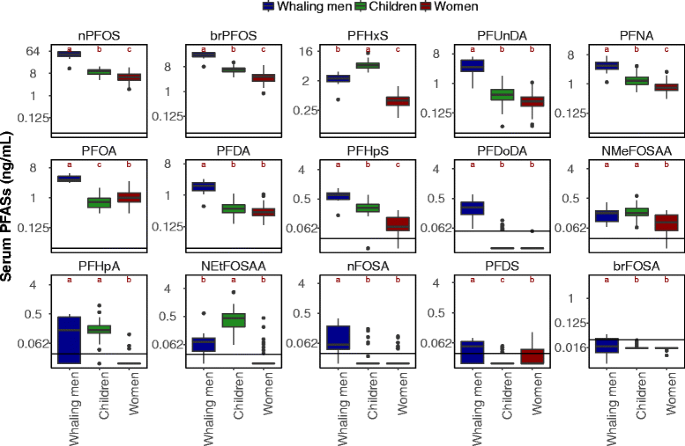
Serum concentrations of PFASs and exposure-related behaviors in African American and non-Hispanic white women
Per- and polyfluoroalkyl substances (PFASs) are used in a wide range of consumer products for their water- and grease-resistant properties, but few studies have explored this exposure route. We used multiple regression to investigate associations between six self-reported behaviors hypothesized to influence PFAS exposure and serum concentrations of six PFAS chemicals in 178 middle-aged women enrolled in the Child Health and Development Studies, about half of whom are African American. Blood samples were collected in 2010–2013, and participants were interviewed about behavior in 2015–2016. Results showed that African American women had lower levels of perfluorooctanoic acid (PFOA) and perfluorohexanesulfonic acid (PFHxS) compared with non-Hispanic white women. In African Americans, but not others, frequent consumption of prepared food in coated cardboard containers was associated with higher levels of four PFASs. Flossing with Oral-B Glide, having stain-resistant carpet or furniture, and living in a city served by a PFAS-contaminated water supply were also associated with higher levels of some PFASs. Product testing using particle-induced γ-ray emission (PIGE) spectroscopy confirmed that Oral-B Glide and competitor flosses contained detectable fluorine. Despite the delay between blood collection and interview, these results strengthen the evidence for exposure to PFASs from food packaging and implicate exposure from polytetrafluoroethylene (PTFE)-based dental floss for the first time.

Benchmark dose calculations for PFAS exposure based on two data sets on immunotoxic effects
Exposure to perfluorinated alkylate substances (PFAS) is associated with harmful effects on human health, including developmental immunotoxicity. This outcome was chosen as the critical effect by the European Food Safety Authority (EFSA), which calculated a new joint reference dose for four PFAS using a Benchmark Dose (BMD) analysis of a study of 1-year old children. However, the U.S. Environmental Protection Agency (EPA) recently proposed much lower exposure limits.
Can profiles of poly- and Perfluoroalkyl substances (PFASs) in human serum provide information on major exposure sources?
Humans are exposed to poly- and perfluoroalkyl substances (PFASs) from diverse sources and this has been associated with negative health impacts. Advances in analytical methods have enabled routine detection of more than 15 PFASs in human sera, allowing better profiling of PFAS exposures. The composition of PFASs in human sera reflects the complexity of exposure sources but source identification can be confounded by differences in toxicokinetics affecting uptake, distribution, and elimination. Common PFASs, such as perfluorooctanoic acid (PFOA), perfluorooctane sulfonic acid (PFOS) and their precursors are ubiquitous in multiple exposure sources. However, their composition varies among sources, which may impact associated adverse health effects.
Shifting Global Exposures to Poly- and Perfluoroalkyl Substances (PFASs) Evident in Longitudinal Birth Cohorts from a Seafood-Consuming Population
Abstract. Rapid declines in legacy poly- and perfluoroalkyl substances (PFASs) have been reported in human populations globally following changes in produc
Delayed discovery, dissemination, and decisions on intervention in environmental health: a case study on immunotoxicity of perfluorinated alkylate substances
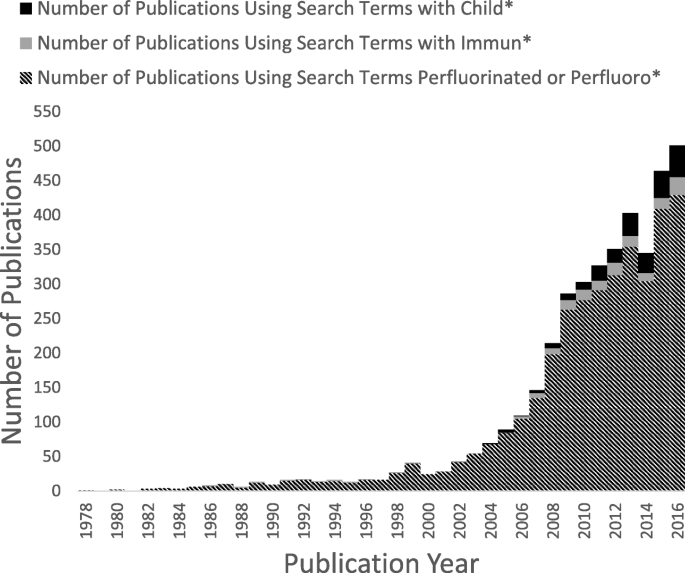
Identification and characterization of environmental hazards that impact human health must rely on the best possible science to inform and inspire appropriate public health intervention. The perfluorinated alkylate substances (PFASs) are persistent emerging pollutants that are now being recognized as important human health hazards. Although the PFASs have been produced for over 60 years, academic research on environmental health aspects has appeared only in the most recent 10 years or so. In the meantime, these persistent chemicals accumulated in the global environment. Some early studies e.g., on population exposures and toxicity, were not released to the public until after year 2000. Still, the first PFAS risk assessments ignored these reports and relied on scant journal publications. The first guidelines and legal limits for PFAS exposure, e.g., from drinking water, were proposed 10 years ago. They have decreased substantially since then, but remain higher than suggested by data on human adverse effects, especially on the immune system, that occur at background exposure levels. By now, the best-known PFASs are being phased out, and related PFASs are being introduced as substitutes. Given the substantial delays in discovery of PFAS toxicity, in dissemination of findings, and in regulatory decisions, PFAS substitutes and other persistent industrial chemicals should be subjected to prior scrutiny before widespread usage.
A review of the pathways of human exposure to poly- and perfluoroalkyl substances (PFASs) and present understanding of health effects
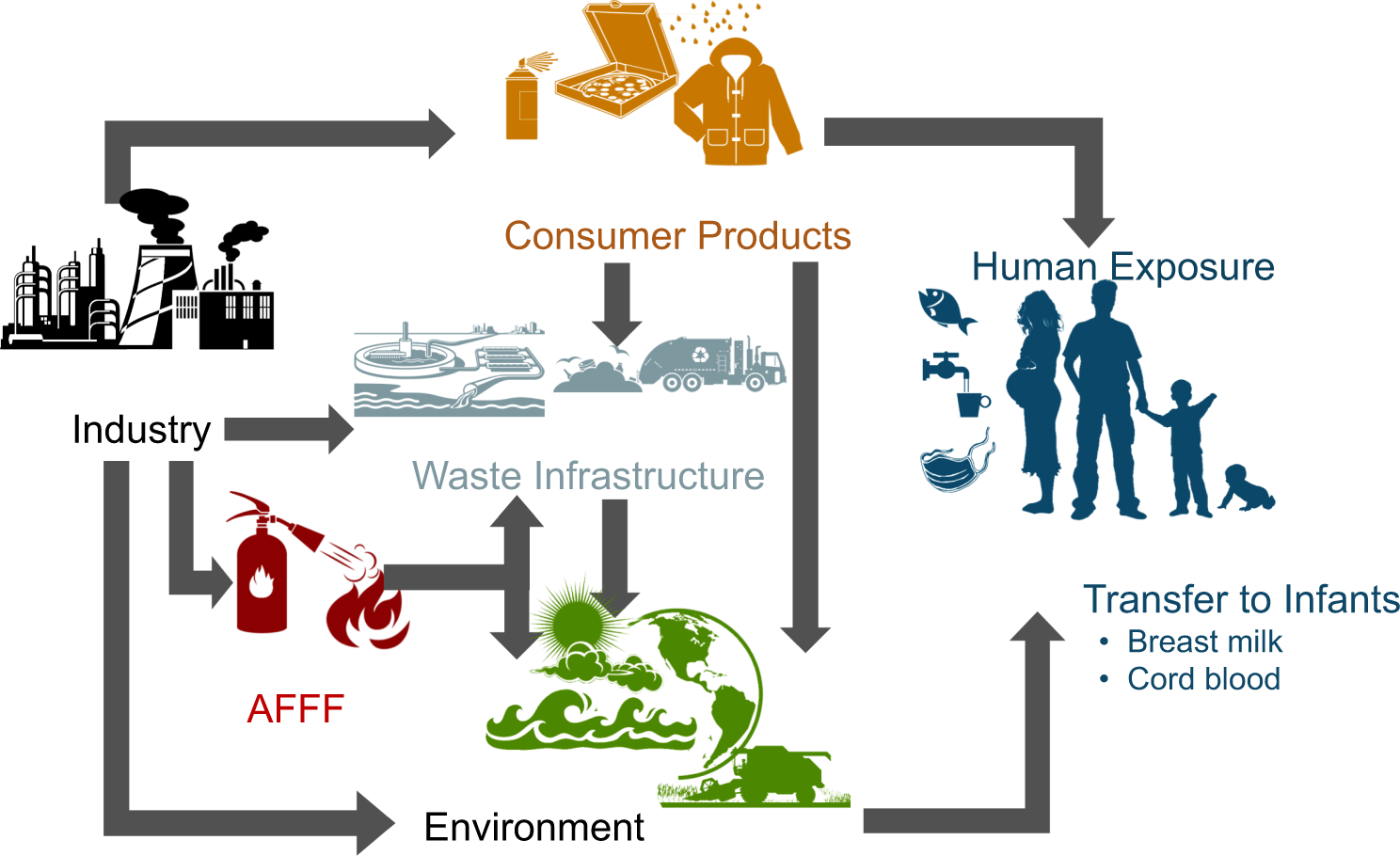
Here, we review present understanding of sources and trends in human exposure to poly- and perfluoroalkyl substances (PFASs) and epidemiologic evidence for impacts on cancer, immune function, metabolic outcomes, and neurodevelopment. More than 4000 PFASs have been manufactured by humans and hundreds have been detected in environmental samples. Direct exposures due to use in products can be quickly phased out by shifts in chemical production but exposures driven by PFAS accumulation in the ocean and marine food chains and contamination of groundwater persist over long timescales. Serum concentrations of legacy PFASs in humans are declining globally but total exposures to newer PFASs and precursor compounds have not been well characterized. Human exposures to legacy PFASs from seafood and drinking water are stable or increasing in many regions, suggesting observed declines reflect phase-outs in legacy PFAS use in consumer products. Many regions globally are continuing to discover PFAS contaminated sites from aqueous film forming foam (AFFF) use, particularly next to airports and military bases. Exposures from food packaging and indoor environments are uncertain due to a rapidly changing chemical landscape where legacy PFASs have been replaced by diverse precursors and custom molecules that are difficult to detect. Multiple studies find significant associations between PFAS exposure and adverse immune outcomes in children. Dyslipidemia is the strongest metabolic outcome associated with PFAS exposure. Evidence for cancer is limited to manufacturing locations with extremely high exposures and insufficient data are available to characterize impacts of PFAS exposures on neurodevelopment. Preliminary evidence suggests significant health effects associated with exposures to emerging PFASs. Lessons learned from legacy PFASs indicate that limited data should not be used as a justification to delay risk mitigation actions for replacement PFASs.
Serum vaccine antibody concentrations in adults exposed to per- and polyfluoroalkyl substances: A birth cohort in the Faroe Islands
Per- and polyfluoroalkyl substances (PFASs) are highly persistent in the environment and may cause depressed immune function. Previous studies have linked PFAS exposure to lower vaccine responses i...

How Do We Measure Poly- and Perfluoroalkyl Substances (PFASs) at the Surface of Consumer Products?
Abstract. Exposures to poly- and perfluoroalkyl substances (PFASs) have been linked to metabolic disruption, immunotoxicity, and cancer in humans. PFASs ar