Landmark review says urgent action needed to conserve resources and save ecosystems that supply fresh water
Global Water Supplies Threatened by Overmining of Aquifers: New Study — ProPublica
A new study finds that freshwater resources are rapidly disappearing, creating arid “mega” regions and causing sea levels to rise.

Food system impacts on biodiversity loss
Global food production is the key driver of accelerating biodiversity loss. This paper introduces three levers for reducing pressures on land and creating a more sustainable food system.

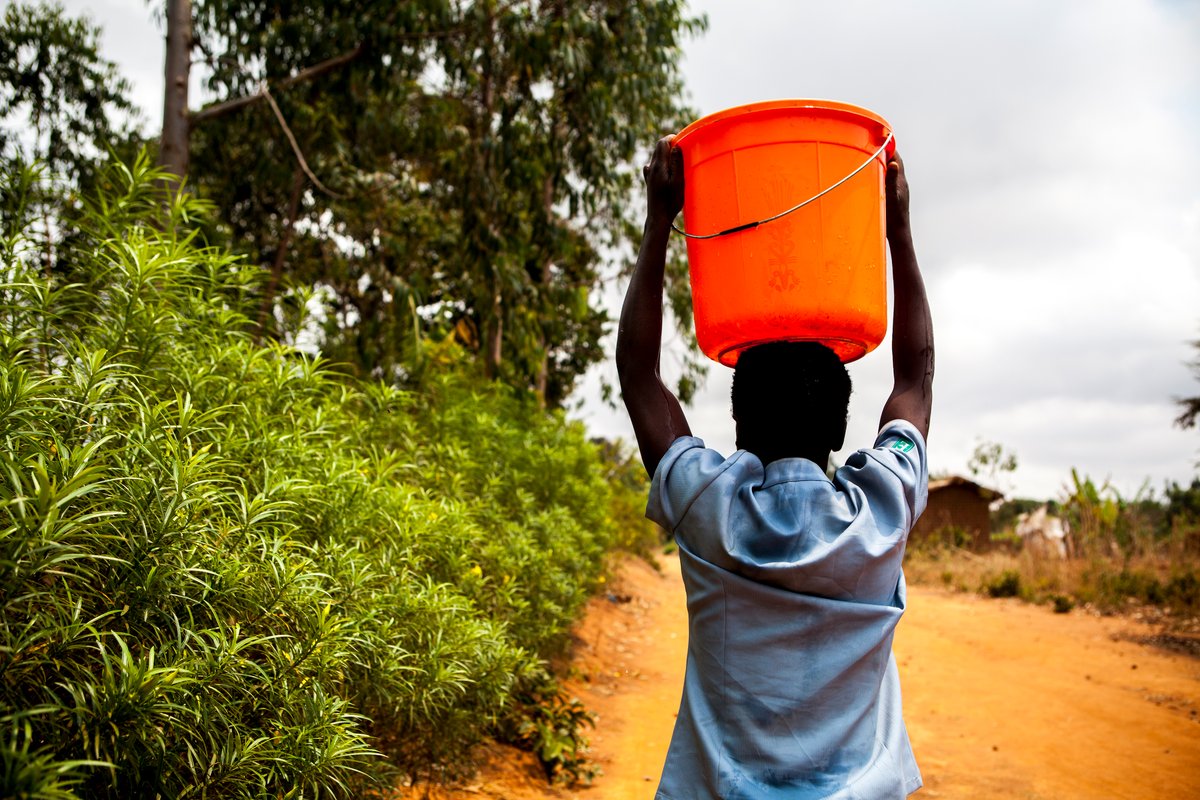
Phosphate shortage: The dwindling resource required to grow food
By 2030, the world's population is projected to be about 8.5 billion people. Global food security is a major concern for governments—zero hunger is the second most important of the United Nations Sustainable ...

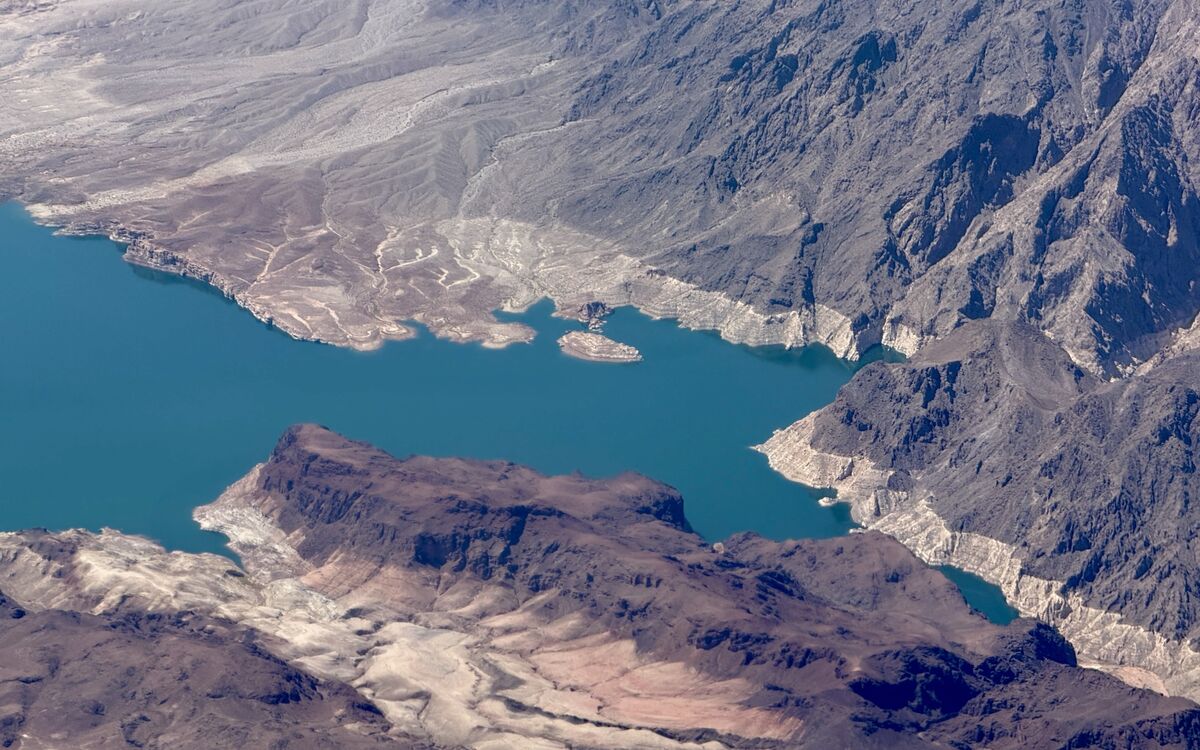
The Earth is Drying Out and We Need to Act Urgently
Three-quarters of the global population, or about 6 billion people, live in areas where fresh water has dwindled since 2002.
Dig for victory
Modern-day food systems are implicated in the biggest challenges our planet and people face. They are responsible for one-quarter to one-third of human-made greenhouse gases. And while plenty of food is produced, much of it is wasted, and millions go hungry. Although a burgeoning food movement is beginning to address some of these climate and inequality issues, the emergency we face requires nothing less than major structural change, some of which will need to be mandated.

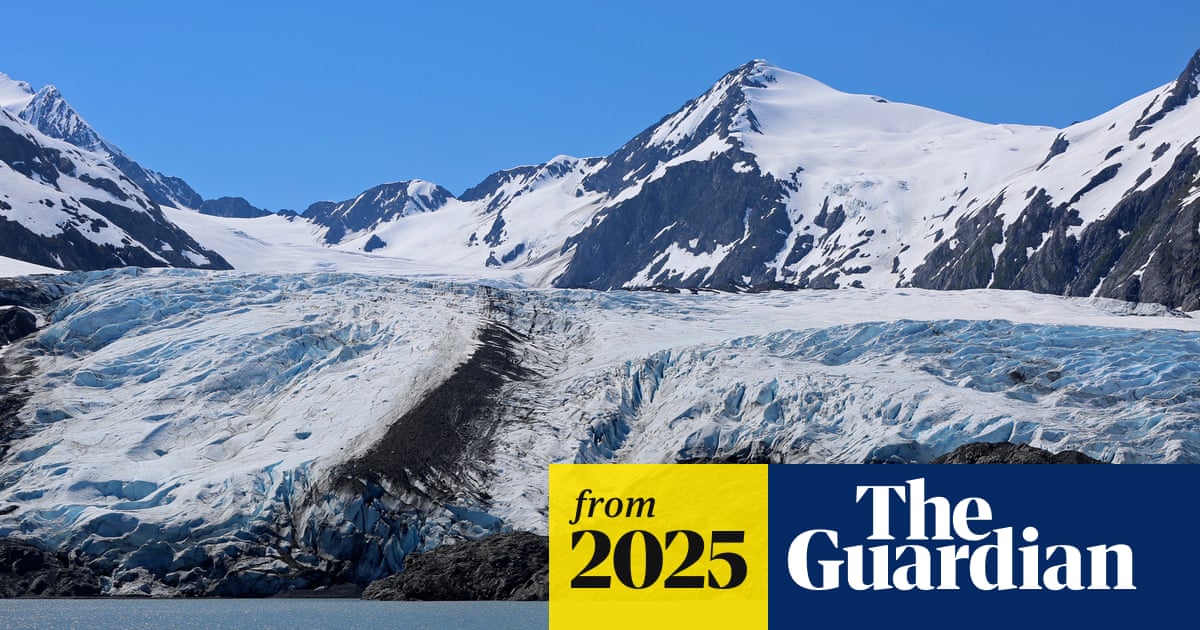
Glacier meltdown risks food and water supply of 2 billion people, says UN
Unesco report highlights ‘unprecedented’ glacier loss driven by climate crisis, threatening ecosystems, agriculture and water sources
Three-quarters of the world's land is drying out, 'redefining life on Earth'
Climate change has made great swaths of the planet's land drier and saltier, jeopardizing food production and water access for billions.
Underestimating the Challenges of Avoiding a Ghastly Future
We report three major and confronting environmental issues that have received little attention and require urgent action. First, we review the evidence that future environmental conditions will be far more dangerous than currently believed. The scale of the threats to the biosphere and all its lifeforms — including humanity — is in fact so great that it is difficult to grasp for even well-informed experts. Second, we ask what political or economic system, or leadership, is prepared to handle the predicted disasters, or even capable of such action. Third, this dire situation places an extraordinary responsibility on scientists to speak out candidly and accurately when engaging with government, business, and the public. We especially draw attention to the lack of appreciation of the enormous challenges to creating a sustainable future. The added stresses to human health, wealth, and well-being will perversely diminish our political capacity to mitigate the erosion of ecosystem services on which society depends. The science underlying these issues is strong, but awareness is weak. Without fully appreciating and broadcasting the scale of the problems and the enormity of the solutions required, society will fail to achieve even modest sustainability goals.


Three Pillars Project: The Complete Framework for a Regenerative Civilization
The Three Pillars Project is a comprehensive multi-volume framework designed to provide the practical, philosophical, and institutional tools necessary to transition from an extractive economy to a regenerative civilization. This collection operates on the premise that true sustainability requires three pillars: physical tools for abundance (Pillar 1), a shift in human consciousness (Pillar 2), and ethical governance to protect them (Pillar 3). This Item contains the following files: PILLAR 1: The Practical Foundation (Engineering & Agriculture) File: The Regenerative Household Manual.pdf (From Waste to Abundance, Vol. 1) The Practitioner's Guide. A handbook for household and neighborhood resilience, detailing low-tech methods for turning waste into food, soil, and energy through mycology, aquaponics, and fermentation. File: The IBHCC Revolution.pdf (From Waste to Abundance, Vol. 2) The Industrial Guide. Details the Integrated Biomass-Hydro Combined Cascade (IBHCC), a theoretical energy architecture that utilizes waste heat, gravity, and pressure multiplication to power regional infrastructure. PILLAR 2: The Philosophical Heart (Consciousness & Spirit) File: The Ocean's Tapestry - Advance Copy.pdf A deep exploration of consciousness that weaves together ancient wisdom traditions (Eastern, Indigenous, Mystical) with modern science (Quantum Mechanics, AI) to cultivate the inner awareness necessary to wield regenerative technology responsibly. PILLAR 3: The Institutional Framework (Law & Governance) File: The Regenerative Governance Model & CAL License.pdf Introduces a new organizational structure and the Community Abundance License (CAL), a novel legal framework designed to keep regenerative innovations free for those who need them most (marginalized communities, LDCs) while preventing co-optation by extractive entities. LICENSE INFORMATION: This body of work is licensed under the Community Abundance License v1.0 - Basic Edition (CAL-1.0-Basic). Free Use: Individuals under $250k income, non-profits, and residents of UN-designated LDCs/SIDS. Standard Use: All others may use this work under Creative Commons Attribution-NonCommercial-NoDerivatives 4.0 International (CC BY-NC-ND 4.0). Prohibited: Weapons manufacturers and for-profit prisons.

Only one country in the world produces all the food it needs, study finds | BBC Science Focus Magazine
The others are vulnerable to the effects of war, natural disasters and trade disputes on their food supply.

Climate regulating ocean plants and animals are being destroyed by toxic chemicals and plastics, accelerating our path towards ocean pH 7.95 in 25 years which will devastate humanity.
Marine plants and animals should be thriving in ocean waters because of the current high concentrations of carbon dioxide and nutrients along with slightly elev

Combating ecosystem collapse from the tropics to the Antarctic
Abstract Globally, collapse of ecosystems—potentially irreversible change to ecosystem structure, composition and function—imperils biodiversity, human health and well‐being. We examine the current state and recent trajectories of 19 ecosystems, spanning 58° of latitude across 7.7 M km 2 , from Australia's coral reefs to terrestrial Antarctica. Pressures from global climate change and regional human impacts, occurring as chronic ‘presses’ and/or acute ‘pulses’, drive ecosystem collapse. Ecosystem responses to 5–17 pressures were categorised as four collapse profiles—abrupt, smooth, stepped and fluctuating. The manifestation of widespread ecosystem collapse is a stark warning of the necessity to take action. We present a three‐step assessment and management framework (3As Pathway Awareness , Anticipation and Action ) to aid strategic and effective mitigation to alleviate further degradation to help secure our future.

Unless we change course, the US agricultural system could collapse | Tom Philpott
Our food supply comes from an environmentally unsustainable system that is going to unravel

EPA Launches Initiative to Strengthen Support for Water Systems, Maximize Impact to Ensure Clean, Safe Water for All | US EPA
EPA launched the Real Water Technical Assistance (RealWaterTA) initiative, a back-to-basics approach to support drinking water and wastewater systems using proven, best-practice approaches that will most effectively address local needs.