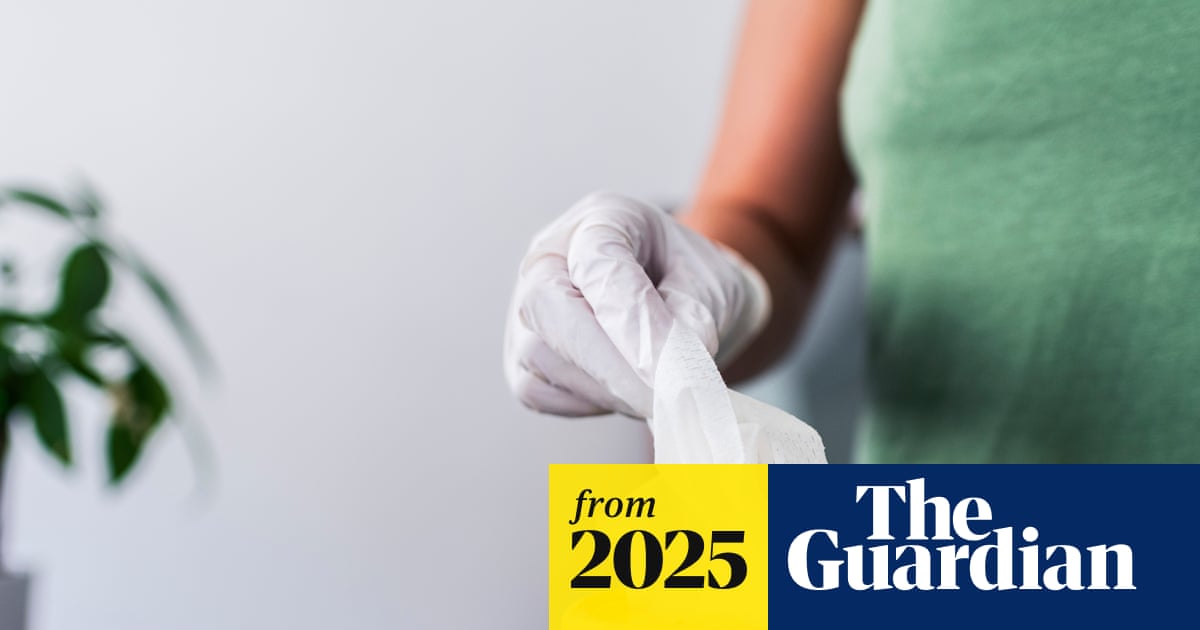
Bioplastics, heralded for supposedly breaking down more quickly, can cause similar health problems to other plastics
Microplastics cause damage to human cells, study shows
Harm included cell death and occurred at levels of plastic eaten by people via their food
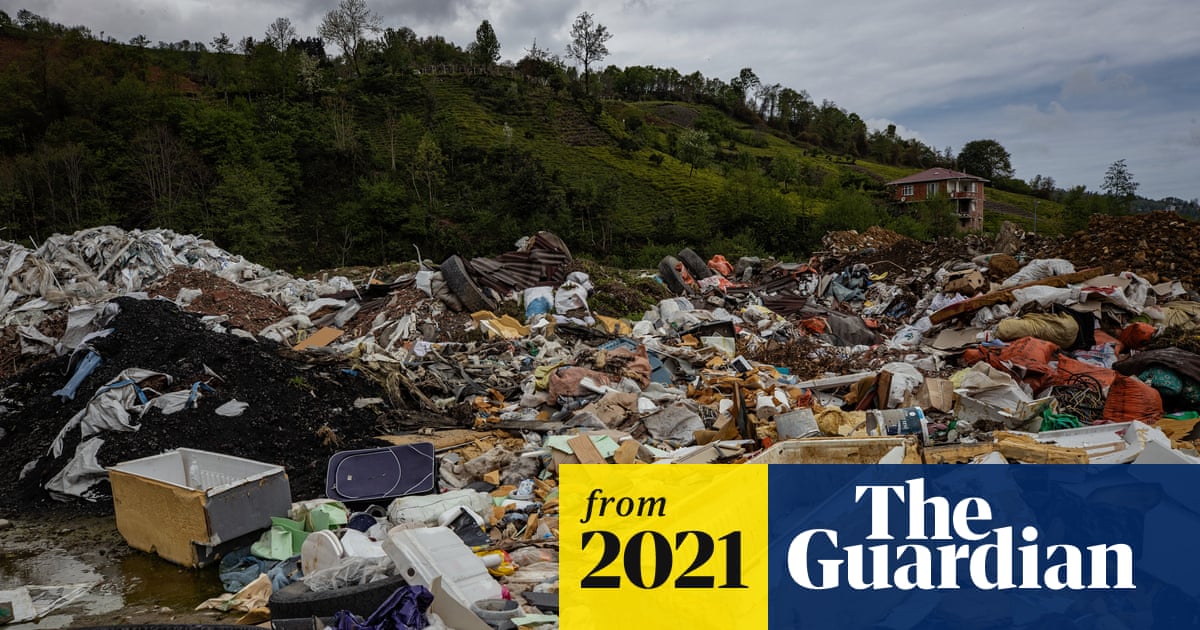
How microplastics are infiltrating the food you eat
Plastic pollution is one of the defining legacies of our modern way of life, but it is now so widespread it is even finding its way into fruit and vegetables as they grow.

The surprising ways food packaging is exposing us to microplastics
New research shows that microplastics from paint and food processing are seeping into our food and drink.

‘They’re in the air, drinking water, dust, food …’ How to reduce your exposure to microplastics
No corner of the planet is free from minuscule fragments of plastic packaging, textiles or utensils. We ask scientists what this means for our health – and what we should do to protect it

Plastic pollution problem may have more significant consequences than we think
Plastics are everywhere. They're in our water, in our food, and even in the air we breathe. They show up in remote glaciers and deep in the ocean.

World in $1.5tn ‘plastics crisis’ hitting health from infancy to old age, report warns
Plastic production has increased more than 200 times since 1950 and hits health at every stage from extraction to disposal, says review in the Lancet
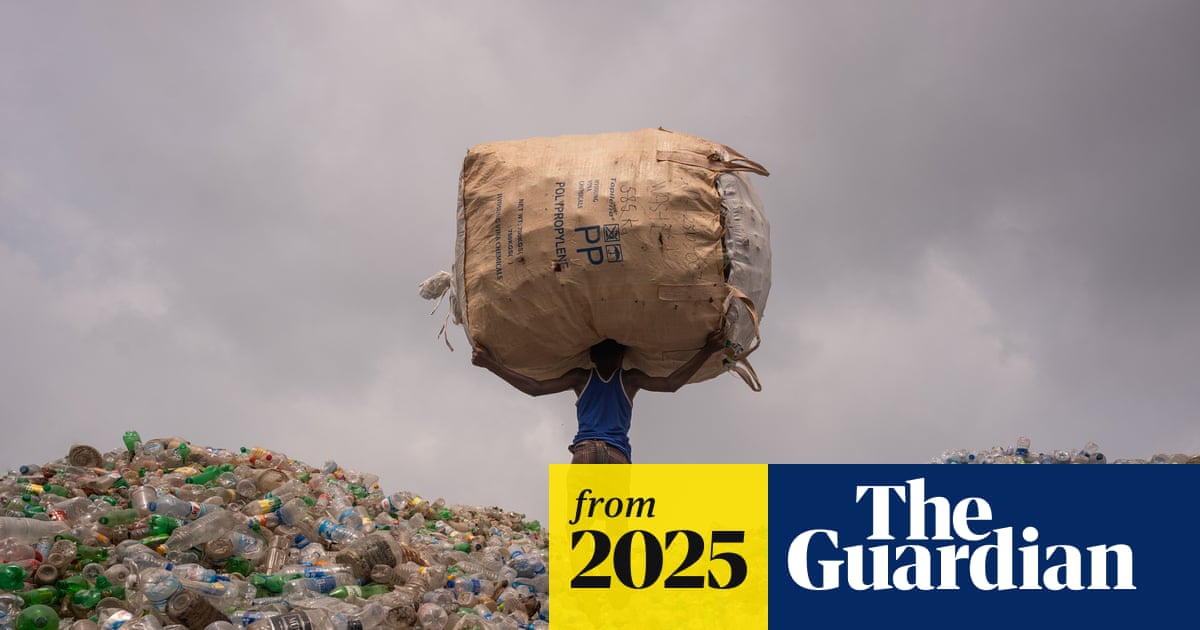
Recycled plastic can be more toxic and is no fix for pollution, Greenpeace warns
Campaign group says plastics are incompatible with circular economy as countries prepare for treaty talks
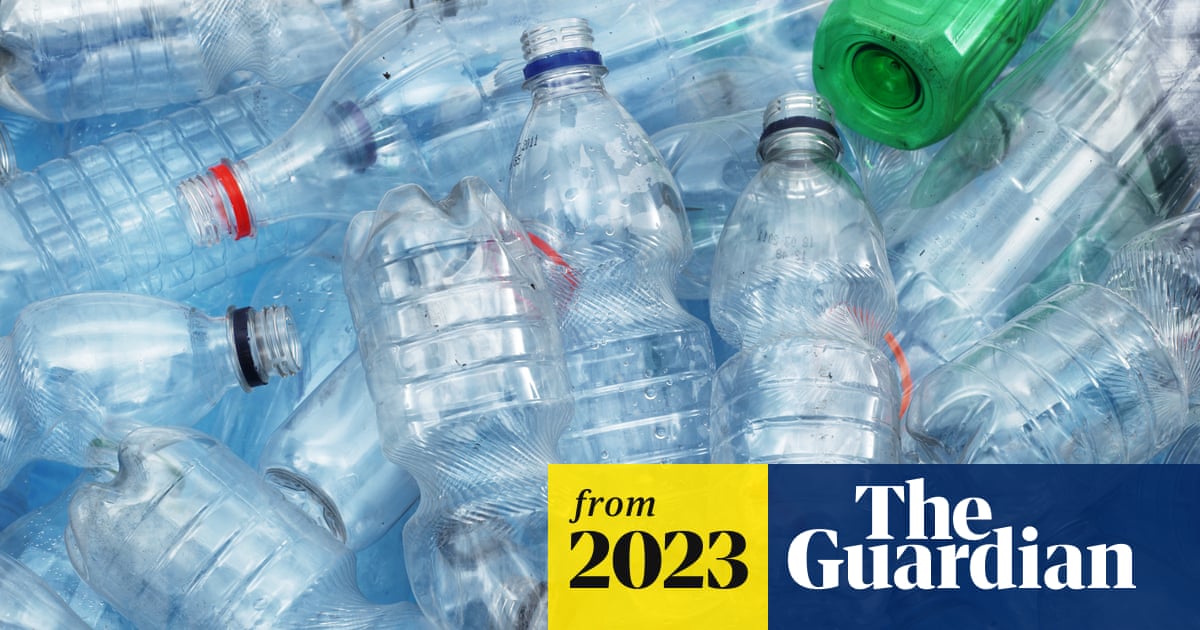
We depend on plastic. Now we’re drowning in it.
The miracle material has made modern life possible. But more than 40 percent of it is used just once, and it’s choking our waterways.

‘We can’t carry on’: the godfather of microplastics on how to stop them
As a UN summit in Nairobi debates a treaty on plastic pollution, Richard Thompson, the biologist who first identified microplastics 30 years ago, explains why ocean cleanups and biodegradables will not solve a global crisis
Scientists issue dire warning: Microplastic accumulation in human brains escalating
Scientists have made a disturbing discovery: human brains contain microplastics, and at higher concentrations than other organs. Worse, brain levels have jumped 50% in just eight years.

Microplastics are infiltrating brain tissue, studies show: ‘There’s nowhere left untouched’
Twenty-four brain samples collected in early 2024 measured on average about 0.5% plastic by weight

Microplastics Found In Live Human Lung Tissue For The First Time
Microplastics Found In Live Human Lung Tissue For The First Time

Researchers find every human tissue tested can absorb microplastics - BBC Science Focus Magazine
The team tested 47 samples taken from lungs, liver, spleen and kidneys.
QuantitativeAnalysis of Selected Plastics in High-Commercial-ValueAustralian Seafood by Pyrolysis Gas Chromatography Mass Spectrometry
Abstract Microplastic contamination of the marine environment is widespread, but the extent to which the marine food web is contaminated is not yet known. The aims of this study were to go beyond visual identification techniques and develop and apply a simple seafood sample cleanup, extraction, and quantitative analysis method using pyrolysis gas chromatography mass spectrometry to improve the detection of plastic contamination. This method allows the identification and quantification of polystyrene, polyethylene, polyvinyl chloride, polypropylene, and poly(methyl methacrylate) in the edible portion of five different seafood organisms: oysters, prawns, squid, crabs, and sardines. Polyvinyl chloride was detected in all samples and polyethylene at the highest total concentration of between 0.04 and 2.4 mg g–1 of tissue. Sardines contained the highest total plastic mass concentration (0.3 mg g–1 tissue) and squid the lowest (0.04 mg g–1 tissue). Our findings show that the total concentration of plastics is highly variable among species and that microplastic concentration differs between organisms of the same species. The sources of microplastic exposure, such as packaging and handling with consequent transference and adherence to the tissues, are discussed. This method is a major development in the standardization of plastic quantification techniques used in seafood.
No mountain high enough: study finds plastic in ‘clean’ air
Microplastics from Africa and North America found airborne in French Pyrenees, 2,877 metres above sea level