

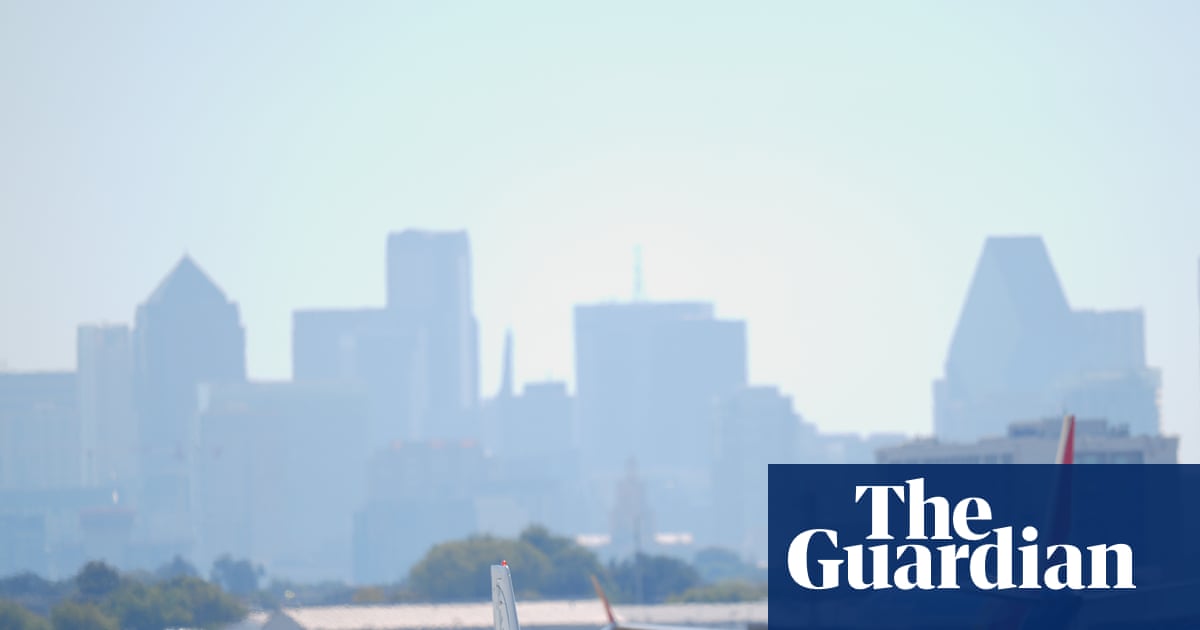
Oxfam says investing by rich in disaster recovery widens inequality and gives incentive to delay climate action
Addressing climate change and protecting our environment – Victorian Socialists
The climate crisis is driven by the profit motive. We need a shift to 100 percent publicly owned renewable energy and an end to old-growth logging.
The Divide — Jason Hickel
The Divide: A Brief Guide to Global Inequality and its Solutions Penguin Random House UK, 2017

Can We Have Prosperity Without Growth?
The critique of economic growth, once a fringe position, is gaining widespread attention in the face of the climate crisis.

Climate crisis on track to destroy capitalism, warns top insurer
Action urgently needed to save the conditions under which markets – and civilisation itself – can operate, says senior Allianz figure
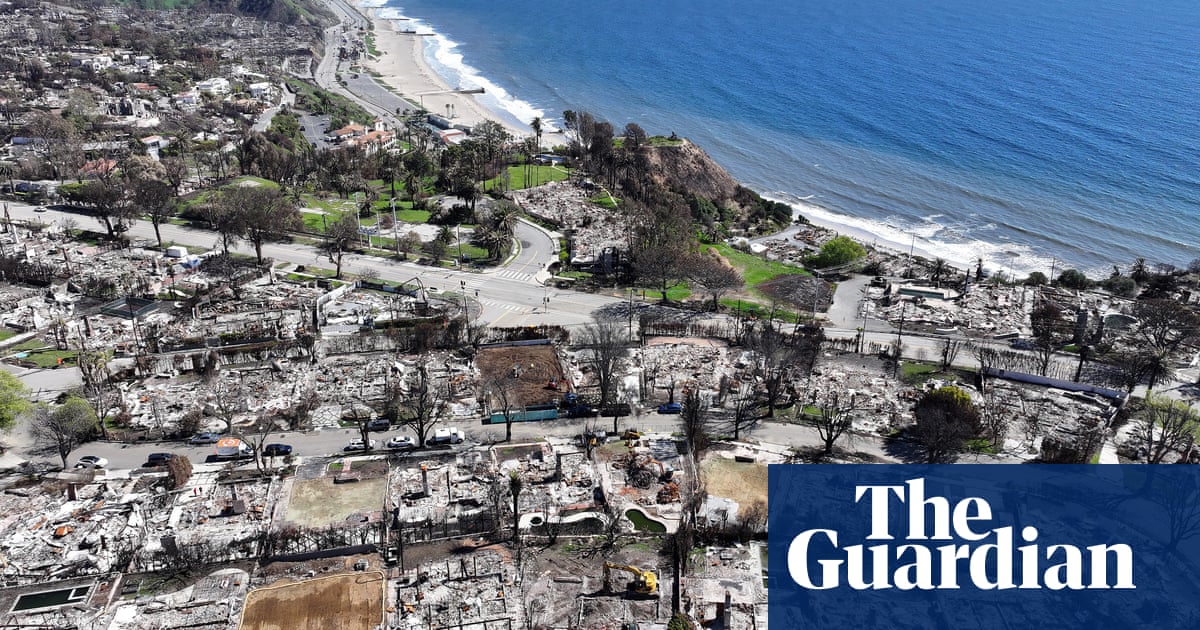
The macroeconomic implications of extreme weather events: Insights from advanced economies
Extreme weather events are increasing in frequency and intensity, yet their macroeconomic impacts remain poorly understood. This column argues that the highly localised nature of climate-related natural disasters means impacts should be assessed at the subnational level, with explicit accounting for cross-region spillovers. Such an approach uncovers significant adverse effects of about 0.3% of GDP per year in OECD economies, roughly half occurring outside the disaster zone via negative spillovers.

Adaptation as a catalyst for social change - MACC Hub
Explore how transformational adaptation can address climate risk, inequality and austerity by investing in people, wellbeing and more resilient societies.

Political Scenarios for Climate Disaster - Dissent Magazine
In the Global North we often act as if our future will be a warmer version of today: liberal capitalism, plus flood insurance, minus coral reefs. That future is a fantasy.

Glass Half Full: Building a Decarbonized U.S. Power Sector -
The Inflation Reduction Act of 2022 (IRA) was built, sold, and attacked as the largest climate investment in U.S. history. […]
A silent majority of the world’s people wants stronger climate action. It’s time to wake up | Mark Hertsgaard and Kyle Pope
About 89% of the public want their governments to do more to tackle the climate crisis – but don’t know they’re the majority
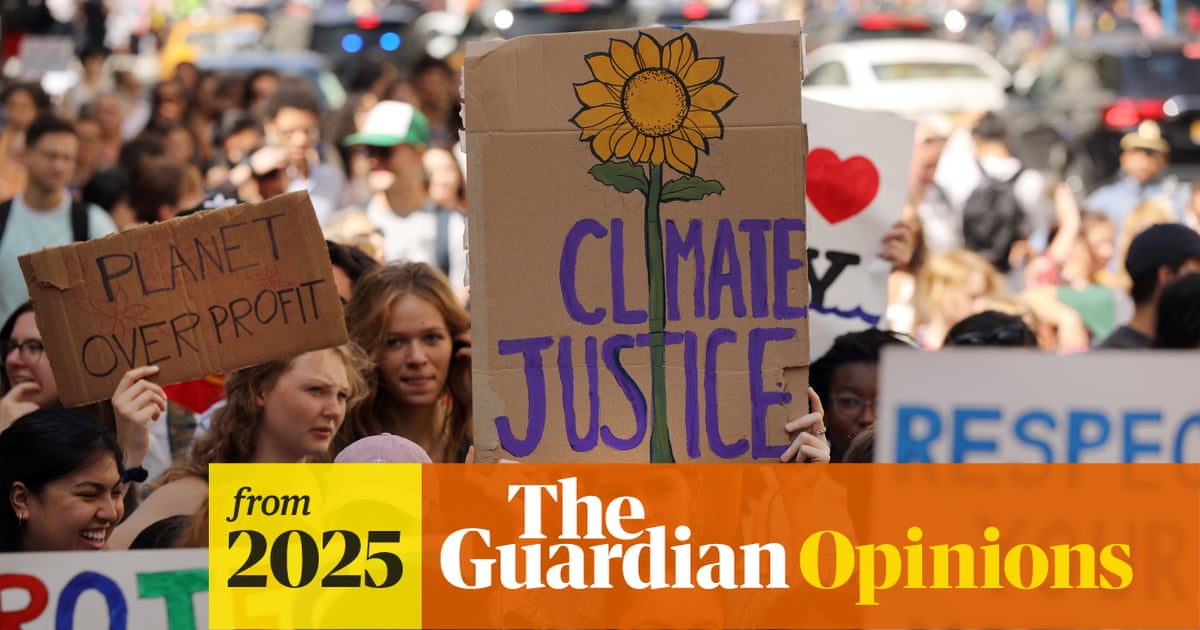
Money for mutual resilience: Introducing Blacksky Cash
Mutual aid has always been about more than money. But money, shared intentionally, can be a powerful expression of solidarity. This is us building toward that future.

Billionaire wealth jumps three times faster in 2025 to highest peak ever, sparking dangerous political inequality | Oxfam International
Billionaires 4,000 times more likely to hold political office than ordinary people
Best of times, worst of times: record fossil-fuel profits, inflation and inequality
The 2022 oil and gas crisis resulted in record fossil-fuel profits globally that rehabilitated the oil and gas industry, obstructed the energy transition and contributed to inflation, but their magnitude and beneficiaries have been insufficiently understood. Here we show the size of profits across countries and their distribution across socio-economic groups within the United States, using company income statements, comprehensive ownership data and a network model for propagating profits via shareholdings. We estimate that globally, net income in publicly listed oil and gas companies alone reached US$916 billion in 2022, with the United States the biggest beneficiary with claims on US$301 billion, more than U.S. investments of US$267 billion in the low carbon economy that year. In a network of U.S. shareholdings with 252,433 nodes including privately held U.S. companies, 50 % of profits went to the wealthiest 1 % of individuals, predominantly through direct shareholdings and private company ownership. In contrast the bottom 50 % only received 1 %. The incremental U.S. fossil-fuel profits in 2022 relative to 2021 were enough to increase the disposable income of the wealthiest Americans by several percent and compensate a substantial part of their purchasing power loss from inflation that year, thereby exacerbating inflation inequality. These profits also reinforced existing racial and ethnic inequalities and inequalities between groups with different educational attainments. We discuss how an excess profit tax could be used to both lower inequality and accelerate the energy transition as increasing geopolitical tensions and climate impacts threaten continued volatility in oil and gas markets.
Here's Why I Wrote a Book When the World is on Fire.
Regenerative Economics: Revolutionary Thinking for a World in Crisis
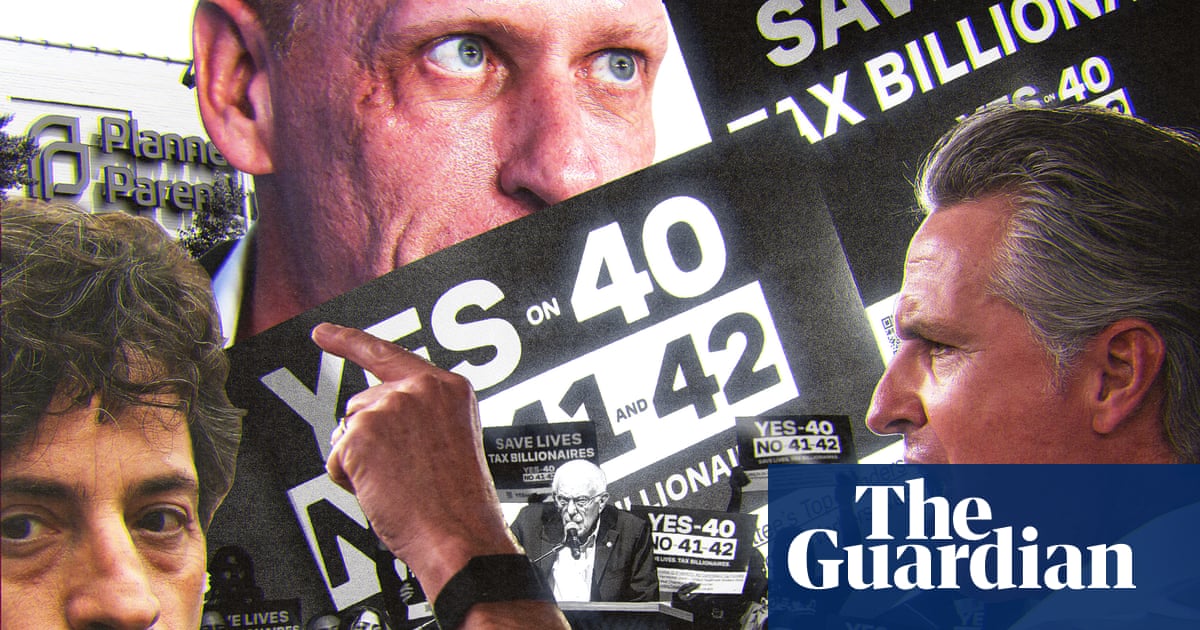
The ultra-rich are spending one million dollars a day fighting California’s proposed billionaire tax
Tech billionaires have raised more than $340m to defeat Prop 40, a one-time 5% wealth tax that will fund healthcare and education
Majority of US voters link extreme weather to climate crisis, study finds
Top Democrat says findings show public ‘way ahead of the politicians’ as Trump dismisses global heating as ‘hoax’

The climate crisis: a war on the world
The climate crisis is a self-destructive war, with aggressors and victims
