Our outfits contain BPA, PFAS and other dangerous substances – but we still know little about their cumulative impact
Characterization of the Potential Long-Term Impact from Sedimentary PFAS at a Historically Contaminated Textile Waste Site
Abstract. Per- and polyfluoroalkyl substances (PFAS) are pervasive pollutants at historically contaminated sites throughout the United States and beyond. T
Characterization of the Potential Long-Term Impact from Sedimentary PFAS at a Historically Contaminated Textile Waste Site
Abstract. Per- and polyfluoroalkyl substances (PFAS) are pervasive pollutants at historically contaminated sites throughout the United States and beyond. T
Serum concentrations of PFASs and exposure-related behaviors in African American and non-Hispanic white women
Per- and polyfluoroalkyl substances (PFASs) are used in a wide range of consumer products for their water- and grease-resistant properties, but few studies have explored this exposure route. We used multiple regression to investigate associations between six self-reported behaviors hypothesized to influence PFAS exposure and serum concentrations of six PFAS chemicals in 178 middle-aged women enrolled in the Child Health and Development Studies, about half of whom are African American. Blood samples were collected in 2010–2013, and participants were interviewed about behavior in 2015–2016. Results showed that African American women had lower levels of perfluorooctanoic acid (PFOA) and perfluorohexanesulfonic acid (PFHxS) compared with non-Hispanic white women. In African Americans, but not others, frequent consumption of prepared food in coated cardboard containers was associated with higher levels of four PFASs. Flossing with Oral-B Glide, having stain-resistant carpet or furniture, and living in a city served by a PFAS-contaminated water supply were also associated with higher levels of some PFASs. Product testing using particle-induced γ-ray emission (PIGE) spectroscopy confirmed that Oral-B Glide and competitor flosses contained detectable fluorine. Despite the delay between blood collection and interview, these results strengthen the evidence for exposure to PFASs from food packaging and implicate exposure from polytetrafluoroethylene (PTFE)-based dental floss for the first time.

Makeup, fragrance and hair dye use in pregnancy leads to more PFAS in breast milk – study
‘Forever chemicals’ pose health threat to developing children and linked with preterm birth, shorter lactation
Emerging questions in exposure, regulation, and remediation of PFAS
My research is highly interdisciplinary and includes exposure and risk analysis. Many of our colleagues have diverse backgrounds and work together to address the interdisciplinary challenges associated with PFAS contamination …I think one of the largest gaps right now is understanding the importance of different exposure pathways for the general population.Given the tremendous physical and mental toll affected communities have experienced due to their exposure to PFAS, there is an unusually strong connection between citizens and scientists, and I hope that bond will strengthen over time.

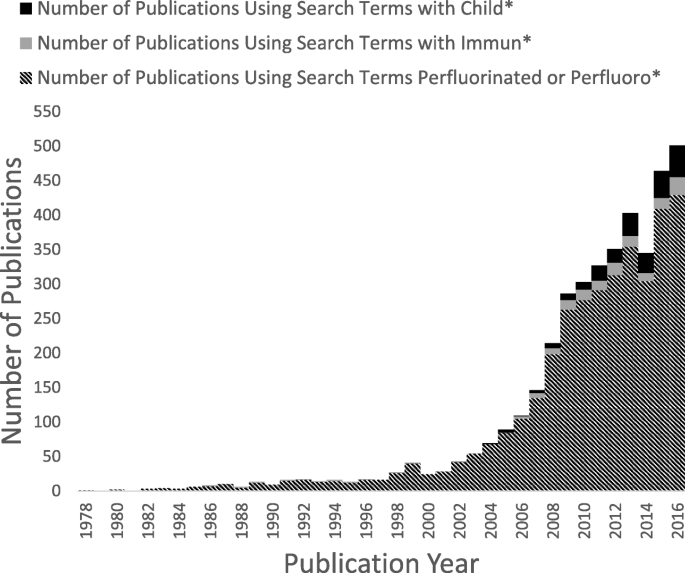
Delayed discovery, dissemination, and decisions on intervention in environmental health: a case study on immunotoxicity of perfluorinated alkylate substances
Identification and characterization of environmental hazards that impact human health must rely on the best possible science to inform and inspire appropriate public health intervention. The perfluorinated alkylate substances (PFASs) are persistent emerging pollutants that are now being recognized as important human health hazards. Although the PFASs have been produced for over 60 years, academic research on environmental health aspects has appeared only in the most recent 10 years or so. In the meantime, these persistent chemicals accumulated in the global environment. Some early studies e.g., on population exposures and toxicity, were not released to the public until after year 2000. Still, the first PFAS risk assessments ignored these reports and relied on scant journal publications. The first guidelines and legal limits for PFAS exposure, e.g., from drinking water, were proposed 10 years ago. They have decreased substantially since then, but remain higher than suggested by data on human adverse effects, especially on the immune system, that occur at background exposure levels. By now, the best-known PFASs are being phased out, and related PFASs are being introduced as substitutes. Given the substantial delays in discovery of PFAS toxicity, in dissemination of findings, and in regulatory decisions, PFAS substitutes and other persistent industrial chemicals should be subjected to prior scrutiny before widespread usage.
The Air That We Breathe: Neutral and Volatile PFAS in Indoor Air
Abstract. Sources of exposure to per- and polyfluorinated alkyl substances (PFAS) include food, water, and, given that humans spend typically 90% of their
Emerging contaminants: A One Health perspective
Environmental pollution is escalating due to rapid global development that often prioritizes human needs over planetary health. Despite global efforts to mitigate legacy pollutants, the continuous introduction of new substances remains a major threat to both people and the planet. In response, global initiatives are focusing on risk assessment and regulation of emerging contaminants, as demonstrated by the ongoing efforts to establish the UN’s Intergovernmental Science-Policy Panel on Chemicals, Waste, and Pollution Prevention.

How Well Do Product Labels Indicate the Presence of PFAS in Consumer Items Used by Children and Adolescents?
Abstract. PFAS are persistent and toxic chemicals used in many commercial and industrial applications that are often added to consumer products, including
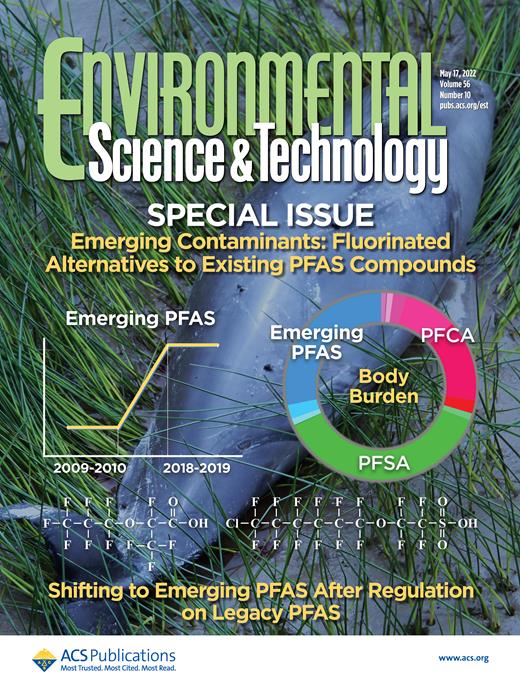
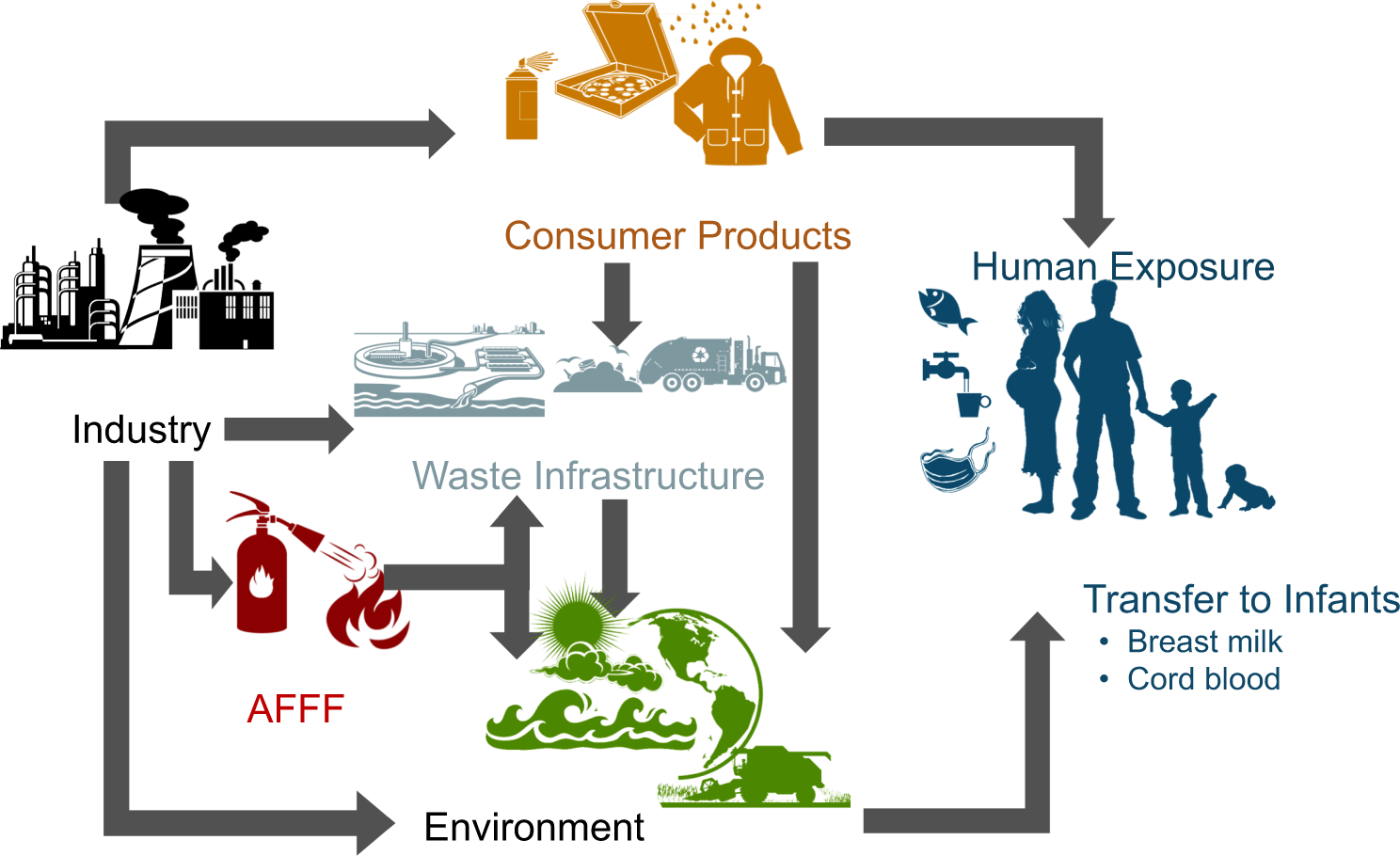
A review of the pathways of human exposure to poly- and perfluoroalkyl substances (PFASs) and present understanding of health effects
Here, we review present understanding of sources and trends in human exposure to poly- and perfluoroalkyl substances (PFASs) and epidemiologic evidence for impacts on cancer, immune function, metabolic outcomes, and neurodevelopment. More than 4000 PFASs have been manufactured by humans and hundreds have been detected in environmental samples. Direct exposures due to use in products can be quickly phased out by shifts in chemical production but exposures driven by PFAS accumulation in the ocean and marine food chains and contamination of groundwater persist over long timescales. Serum concentrations of legacy PFASs in humans are declining globally but total exposures to newer PFASs and precursor compounds have not been well characterized. Human exposures to legacy PFASs from seafood and drinking water are stable or increasing in many regions, suggesting observed declines reflect phase-outs in legacy PFAS use in consumer products. Many regions globally are continuing to discover PFAS contaminated sites from aqueous film forming foam (AFFF) use, particularly next to airports and military bases. Exposures from food packaging and indoor environments are uncertain due to a rapidly changing chemical landscape where legacy PFASs have been replaced by diverse precursors and custom molecules that are difficult to detect. Multiple studies find significant associations between PFAS exposure and adverse immune outcomes in children. Dyslipidemia is the strongest metabolic outcome associated with PFAS exposure. Evidence for cancer is limited to manufacturing locations with extremely high exposures and insufficient data are available to characterize impacts of PFAS exposures on neurodevelopment. Preliminary evidence suggests significant health effects associated with exposures to emerging PFASs. Lessons learned from legacy PFASs indicate that limited data should not be used as a justification to delay risk mitigation actions for replacement PFASs.
'Dead white man's clothes': The dirty secret behind the world's fashion addiction
For decades, the West's unwanted fashion has made its way to used-clothing markets in Africa. Now it's fuelling an environmental catastrophe.
Understanding Mechanisms of PFAS Absorption, Distribution, and Elimination Using a Physiologically Based Toxicokinetic Model
Abstract. Exposures to some per- and polyfluoroalkyl substances (PFAS), including perfluoroalkyl acids (PFAA), have been associated with diverse adverse he

Sociodemographic Factors Are Associated with the Abundance of PFAS Sources and Detection in U.S. Community Water Systems
Abstract. Drinking water contaminated by per- and polyfluoroalkyl substances (PFAS) is a widespread public health concern, and exposure–response relationsh
Addressing Urgent Questions for PFAS in the 21st Century
Abstract. Despite decades of research on per- and polyfluoroalkyl substances (PFAS), fundamental obstacles remain to addressing worldwide contamination by
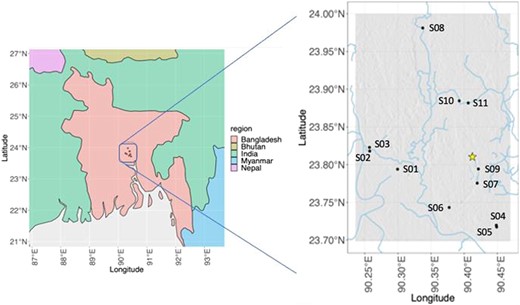
Poly‐ and Perfluorinated Alkyl Substances in Air and Water from Dhaka, Bangladesh
Abstract. Bangladesh hosts extensive textile manufacturing, for some of which per‐ and polyfluorinated alkyl substances (PFAS) have been used to impart wat
Chemical pollution a threat comparable to climate change, scientists warn
More than 100 million ‘novel entity’ chemicals are in circulation, with health impact not widely recognised