

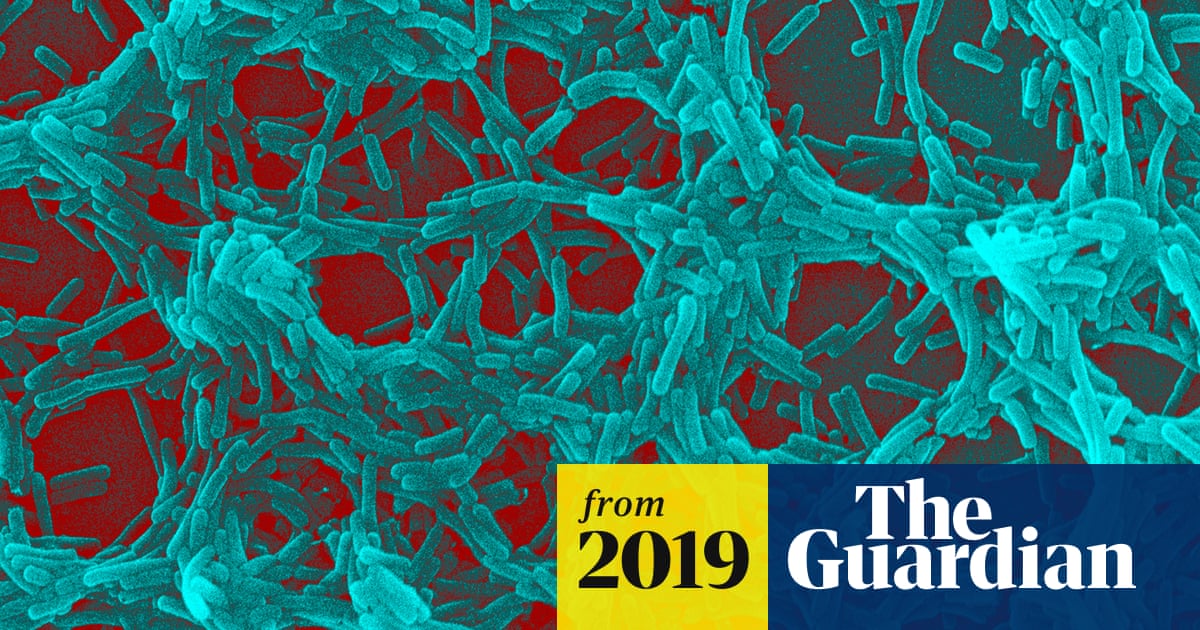
Research opens door to possible treatments for depression based on probiotics
Gut–brain link grabs neuroscientists
Idea that intestinal bacteria affect mental health gains ground.
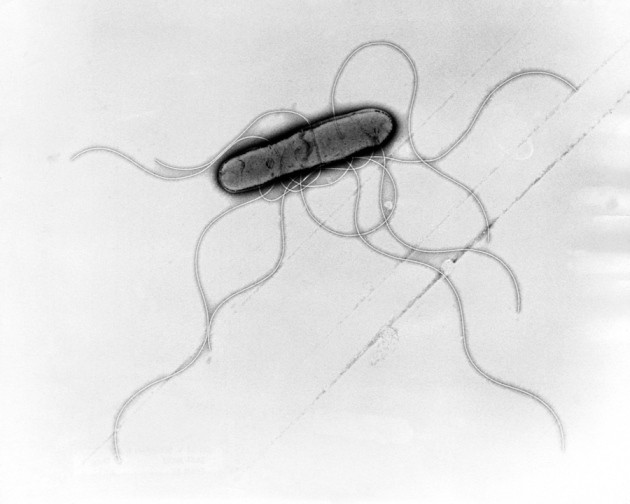
People less focused on recurrent bad feelings when taking probiotics
People focus less on bad feelings and experiences from the past (i.e. rumination) after four weeks of probiotics administration.

Depression link to processed food
Eating a diet high in processed food increases the risk of depression, research suggests.
Fecal transplants for autism deliver success in clinical trials
Scientific research continues to uncover interesting connections between the gut microbiome and human health, including everything from depression to PTSD to autoimmune disease. Another example of this are emerging ties between gut health and autism. Exciting new research, now moving to Phase 3 human trials, has found boosting microbial diversity via fecal transplants can dramatically reduce autism symptoms in the long term.
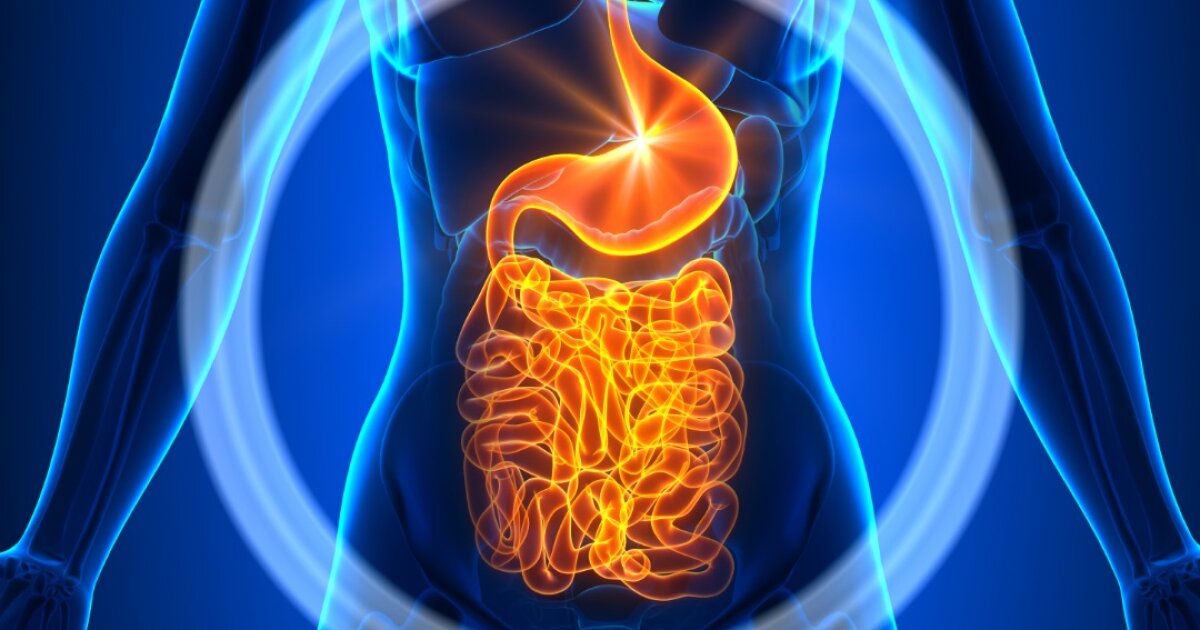
Antibiotics’ side-effects include immune disease and fewer brain cells
Killing gut microbes that keep immune system in line may have far reaching effects.
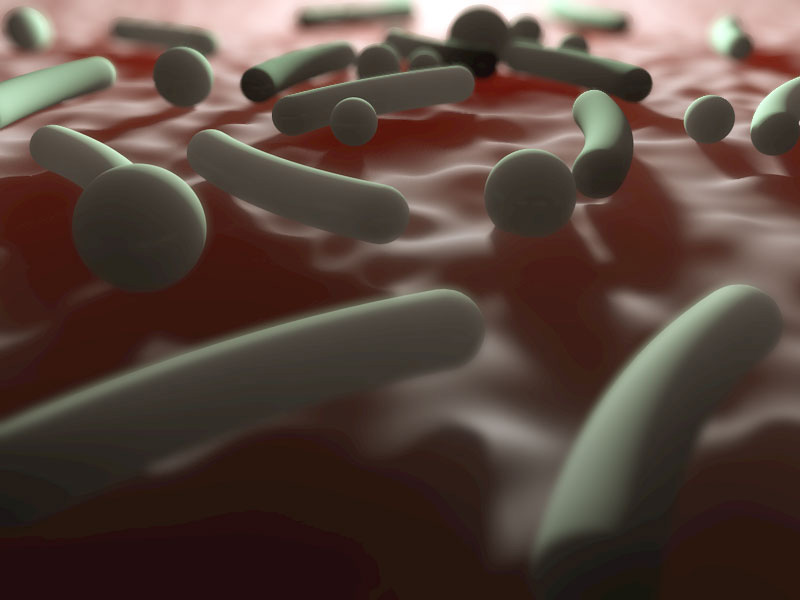
The gut microbiome may influence brain aging, mouse study suggests
A communication pathway between the brain and the gut may be integral to how well the brain holds on to memories
Sugar intake from sweet food and beverages, common mental disorder and depression: prospective findings from the Whitehall II study
Intake of sweet food, beverages and added sugars has been linked with depressive symptoms in several populations. Aim of this study was to investigate systematically cross-sectional and prospective associations between sweet food/beverage intake, common mental disorder (CMD) and depression and to examine the role of reverse causation (influence of mood on intake) as potential explanation for the observed linkage. We analysed repeated measures (23,245 person-observations) from the Whitehall II study using random effects regression. Diet was assessed using food frequency questionnaires, mood using validated questionnaires. Cross-sectional analyses showed positive associations. In prospective analyses, men in the highest tertile of sugar intake from sweet food/beverages had a 23% increased odds of incident CMD after 5 years (95% CI: 1.02, 1.48) independent of health behaviours, socio-demographic and diet-related factors, adiposity and other diseases. The odds of recurrent depression were increased in the highest tertile for both sexes, but not statistically significant when diet-related factors were included in the model (OR 1.47; 95% CI: 0.98, 2.22). Neither CMD nor depression predicted intake changes. Our research confirms an adverse effect of sugar intake from sweet food/beverage on long-term psychological health and suggests that lower intake of sugar may be associated with better psychological health.

Think Twice: How the Gut's "Second Brain" Influences Mood and Well-Being
The emerging and surprising view of how the enteric nervous system in our bellies goes far beyond just processing the food we eat
The contribution of gut bacterial metabolites in the human immune signaling pathway of non-communicable diseases
The interaction disorder between gut microbiota and its host has been documented in different non-communicable diseases (NCDs) such as metabolic syndrome, neurodegenerative disease, and autoimmune ...

For the first time, scientists pinpoint brain cells linked to depression
Scientists identified two types of brain cells, neurons and microglia, that are altered in people with depression. Through genomic mapping of post-mortem brain tissue, they found major differences in gene activity affecting mood and inflammation. The findings reinforce that depression has a clear biological foundation and open new doors for treatment development.

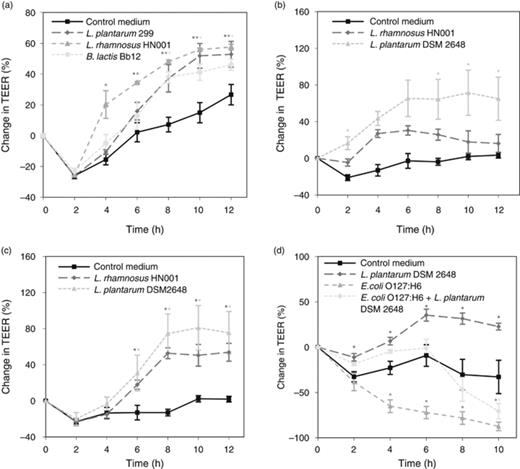
Lactobacillus plantarum DSM 2648 is a potential probiotic that enhances intestinal barrier function: Lactobacillus plantarum enhances intestinal barrier function
Abstract. The aim of this research was to identify bacterial isolates having the potential to improve intestinal barrier function. Lactobacillus plantarum
Magic Mushroom Drug Lifts Depression in Human Trial
Psilocybin shows higher remission rate than SSRI drugs in a U.K. study

A single fecal transplant linked to long-lasting health improvements
A single fecal microbiota transplant in obese teens was linked to long-lasting metabolic improvements, including smaller waistlines, reduced body fat, lower inflammation, and better cholesterol levels, with some benefits still evident four years later.

Artificial Sweeteners May Change Our Gut Bacteria in Dangerous Ways
Substances such as saccharin may alter the type of bacteria inside us, could lead to obesity

8 things to know about the gut microbiome and keeping yours healthy
Wellness influencers often talk about fixing a broken gut microbiome. And marketers sell tests and supplements to fix your gut health. Here's what what the evidence really shows about gut health.

A challenge if anyone wants to take it up. Here is a recent review in the BMJ on the "Evidence for clinical interventions targeting the gut microbiome in cardiometabolic disease". There is not a single effect estimate reported in this review, or either supplemental file bmj.com/content/383/bmj-2023-075180

Evidence for clinical interventions targeting the gut microbiome in cardiometabolic disease
www.bmj.com