

Prescriptions have doubled in a decade, but very little is known about the effect of taking SSRIs for years. Is it a lifesaver or a happiness trap?
Is everything you think you know about depression wrong?
In this extract from his new book, Johann Hari, who took antidepressants for 14 years, calls for a new approach
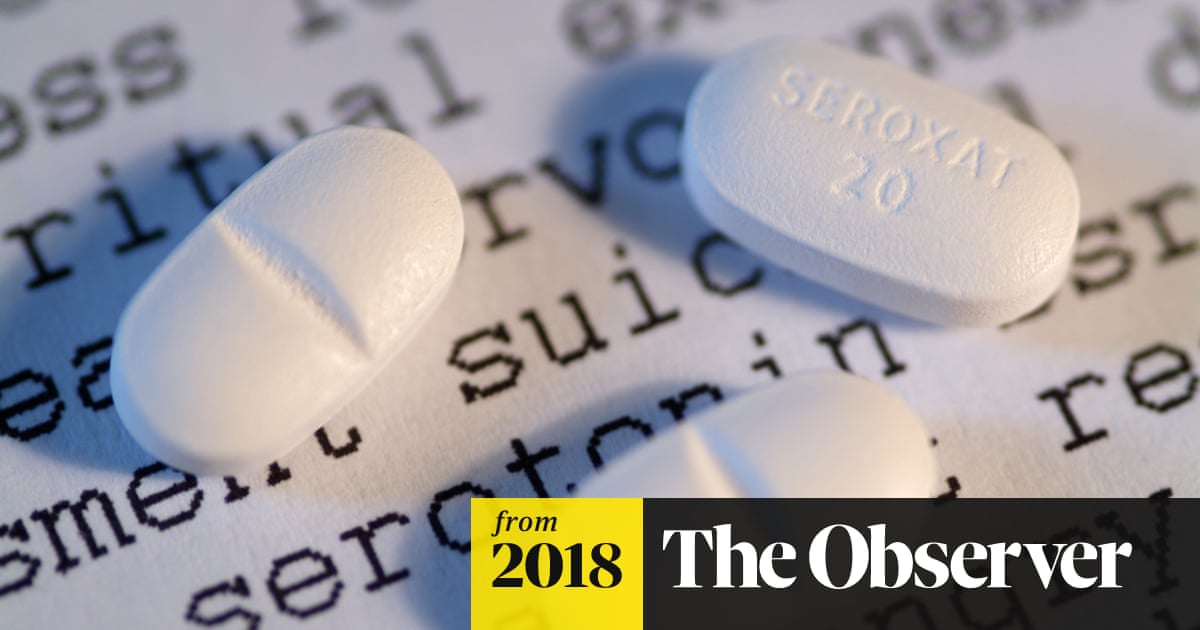
Magic Mushroom Drug Lifts Depression in Human Trial
Psilocybin shows higher remission rate than SSRI drugs in a U.K. study

For those who’s taking ritalin / stimulants, does it drain you towards the end of the day?
80 votes, 56 comments. Im not sure if I used the right flair… Hello Reddit! I was recently diagnosed with adhd and its been a week since taking…
Depression doesn't shrink the brain like we thought it did | New Scientist
For the past decade, depression has been linked to a shrunken hippocampus, which has a vital role in memory. But a large study using up-to-date scanning techniques suggests this may not be the case

Why Sleep Deprivation Eases Depression
Glial activity reveals how sleep deprivation elevates mood

Study: Smoking pot doesn’t make you anxious or depressed
And it's definitely not as bad for your brain as the DEA says.

Gut bacteria may have impact on mental health, study says
Research opens door to possible treatments for depression based on probiotics
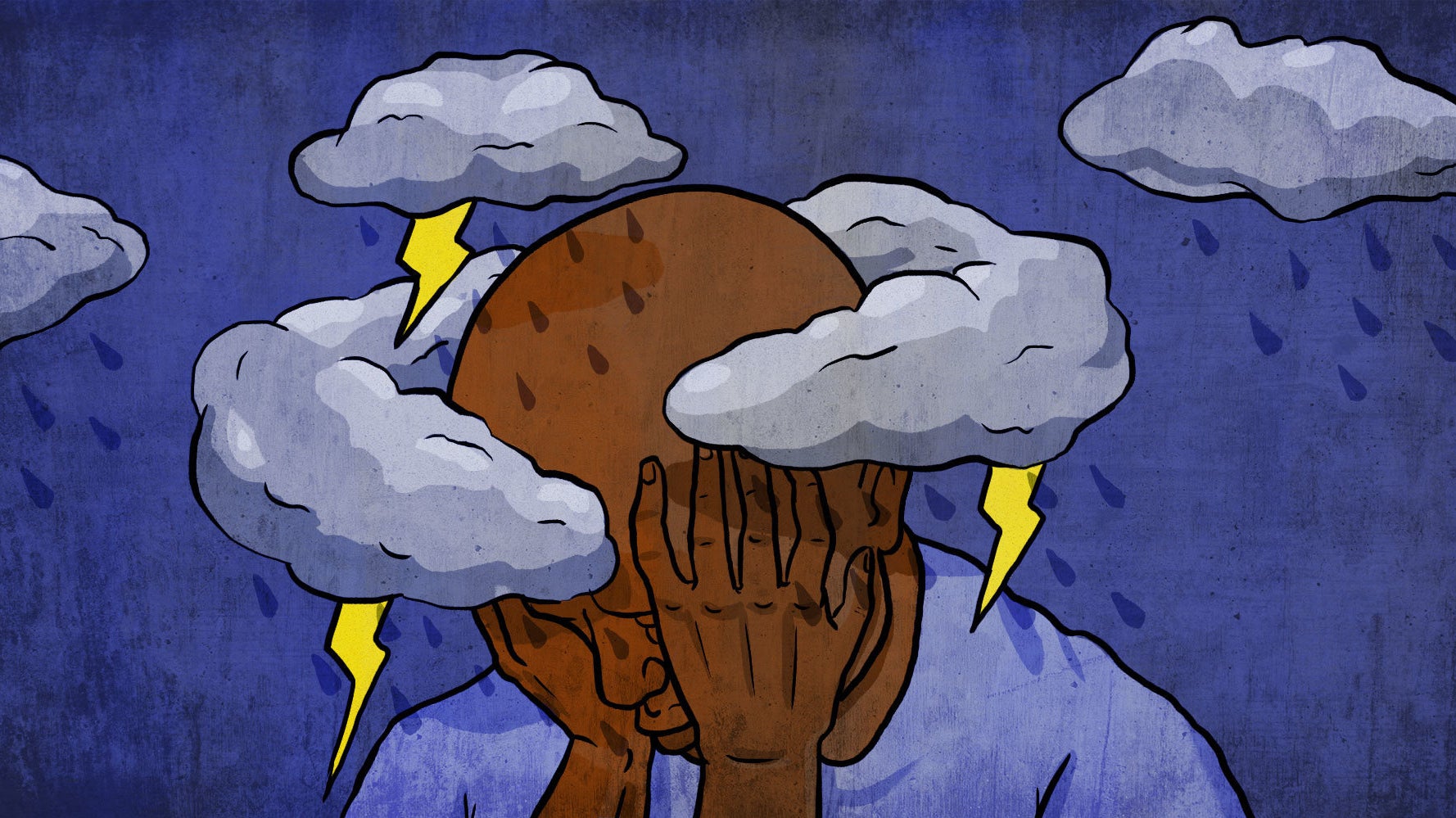
Opinion | The Real Causes Of Depression Have Been Discovered, And They're Not What You Think
To deal with depression, you need to deal with its underlying causes.
Depression linked to internal jet lag study finds
Circadian rhythms controlling sleep were out of sync in a quarter of young people with depression in this Sydney-based study. Read more

How easy is it to get addicted to methylphenidate?
Hi so I (18m) will start taking prescripted methylphenidate (medikinet) next thursday and i’ve never taken any stimulants (besides caffeine and…
How Bad Are Things?
One “advantage” of working in psychiatry is getting a window into an otherwise invisible world of really miserable people. I work in a wealthy, mostly-white college town consistently ra…

Social Media and Depression Symptoms: a Meta-Analysis
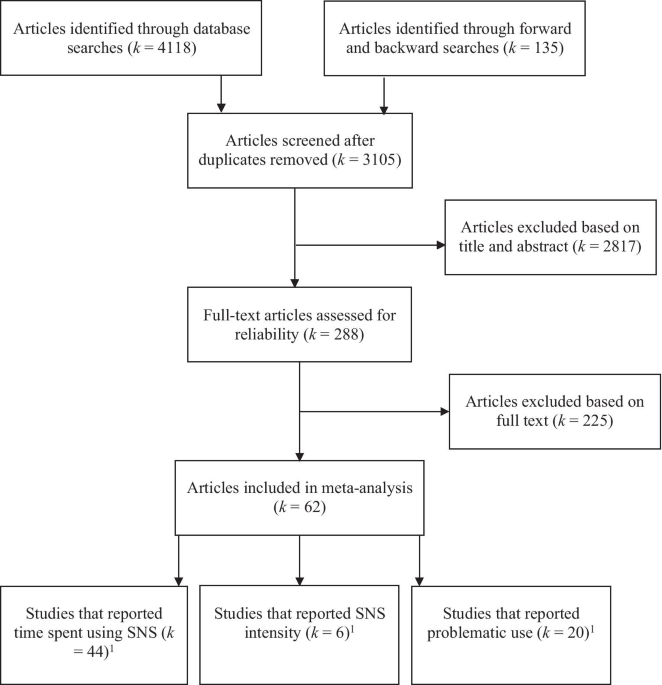
Social Networking Sites (SNS) have close to 3 billion users worldwide. Recently, however, SNS have come under media scrutiny for their potential association with depression. Two previous meta-analyses failed to find evidence for a robust concurrent association between SNS use and depression symptoms. However, these analyses focused primarily on the time spent using SNS. The current meta-analysis is the first to consider the multi-dimensional nature of SNS use, and examines separately the quantitative associations of depression symptoms to SNS use in three types of SNS studies examining three distinct constructs of SNS use: time spent using SNS, intensity of SNS use, and problematic SNS use. Sixty-two studies (N = 451, 229) met inclusion criteria. Depression symptoms were significantly, but weakly, associated with time spent using SNS (r = 0.11) and intensity of SNS use (r = 0.09). However, the association of depression symptoms to problematic SNS use was moderate (r = 0.29), was significantly higher than for time spent using SNS (Qbetween = 35.85, p < 0.001) or intensity of SNS use (Qbetween = 13.95, p < 0.001), and was not significantly moderated by age, gender, year of study publication, or mode of recruitment. These results suggest that future research examining causal models of the relation of SNS use and depression, as well as research on intervention and prevention, should focus in more detail on individuals who are engaging in a pattern of problematic SNS use.
Does Using Social Media Jeopardize Well-Being? The Importance of Separating Within- From Between-Person Effects
Social networking sites (SNS) are frequently criticized as a driving force behind rising depression rates. Yet empirical studies exploring the associations between SNS use and well-being have been predominantly cross-sectional, while the few existing longitudinal studies provided mixed results. We examined prospective associations between SNS use and multiple indicators of well-being in a nationally representative sample of Dutch adults ( N ∼ 10,000), comprising six waves of annual measures of SNS use and well-being. We used an analytic method that estimated prospective effects of SNS use and well-being while also estimating time-invariant between-person associations between these variables. Between individuals, SNS use was associated with lower well-being. However, within individuals, year-to-year changes in SNS use were not prospectively associated with changes in well-being (or vice versa). Overall, our analyses suggest that the conclusions about the causal impact of social media on rising mental health problems in the population might be premature.

Psilocybin for major depression granted Breakthrough Therapy by FDA
The US Food and Drug Administration (FDA) has granted psilocybin therapy a Breakthrough Therapy designation for the second time in a year, this time with a view on accelerating trials testing its efficacy treating major depressive disorder (MDD).
Has anyone looked at this paper more closely? I've seen many of my bachelor students refer to it when it comes to depressive disorders. Authors find worldwide depression rates doubled from 1990 to 2020, which seems like a lot. pubmed.ncbi.nlm.nih.gov/40313474/

Trends in Prevalent Cases and Disability-Adjusted Life-Years of Depressive Disorders Worldwide: Findings From the Global Burden of Disease Study From 1990 to 2021 - PubMed
pubmed.ncbi.nlm.nih.gov1. Just read about what (doesn't) work in suicide prevention in the new World Journal of Psychiatry (#1 impact factor). Unfortunately, authors refer to the outdated Barbui 2009 MA of observational studies on antidepressants, not to our update. onlinelibrary.wiley.com/doi/10.1002/wps.21284

Suicide prevention: what works, what might work, and what does not work
onlinelibrary.wiley.com
