


Rupert Murdoch's influence could eventually extend in ways that would make his grip on satellite television seem parochial, says Victor Keegan.
Facebook and the Cost of Monopoly
Facebook gave one of the worst keynotes in a long time: there was no vision, just the adoption of Snap’s. It’s the inevitable outcome of a monopoly.

Break Up the Tech Giants? No, Just Level the Field
Facebook, Google and Uber should be held to the same rules as their older rivals.

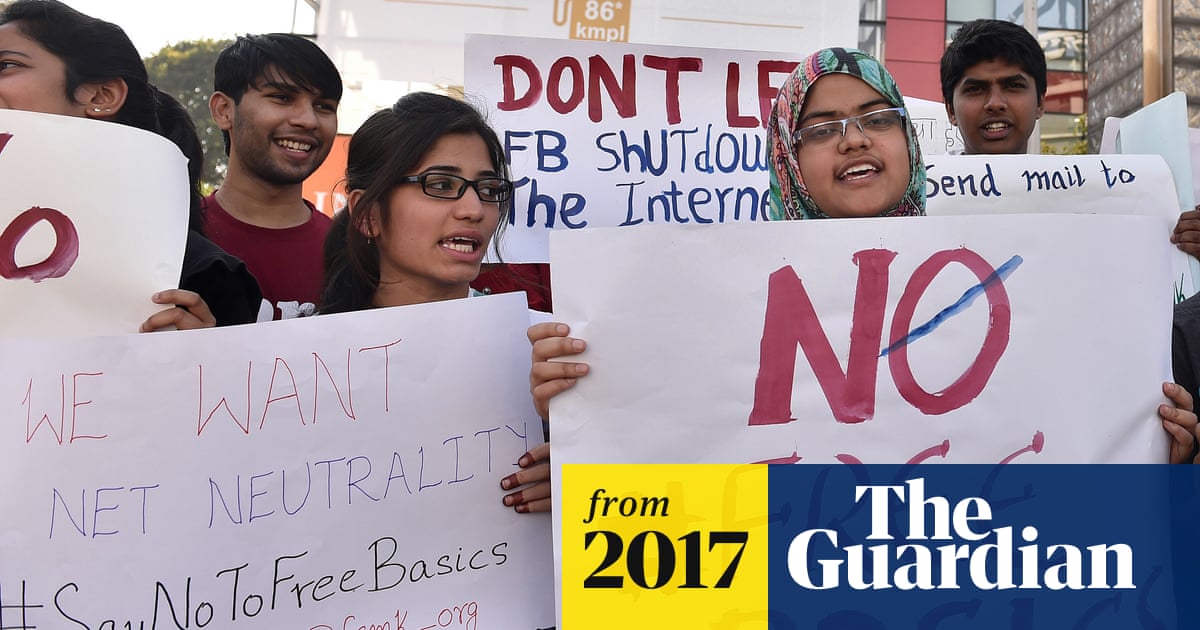
'It's digital colonialism': how Facebook's free internet service has failed its users
Free Basics, built for developing markets, focuses on ‘western corporate content’ and violates net neutrality principles, researchers say
Google, Facebook, and Amazon benefit from an outdated definition of “monopoly”
A few weeks ago, Italy fined Apple and Samsung €15 million for the “planned obsolescence” of their smartphones. The antitrust regulators allege that both companies pushed users to download software that slowed phone performance, forcing customers to buy replacement phones sooner.

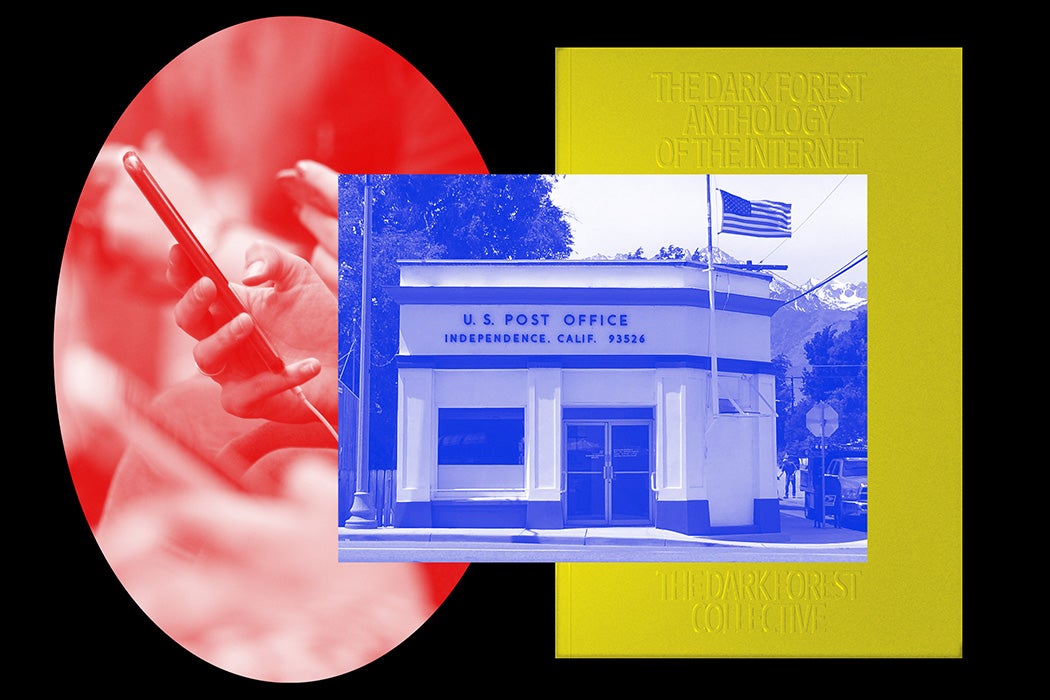
The Case for a Public Social Media Platform - JSTOR Daily
Artist and writer Joshua Citarella explores why corporate platforms corrode democracy—and what a postal-service-style digital commons could do differently.
Internet for the People: The Fight for Our Digital Future
"For all the informational convenience the internet offers, it is deeply flawed. How can it be improved? Writer Ben Tarnoff proposes one possibility in this intriguing book, which urges the development of 'a public lane on the information superhighway.' It's worth checking out for yourself." – Seth MacFarlane Why is the internet so broken, and what could ever possibly fix it? In Internet for the People, leading tech writer Ben Tarnoff offers an answer. The internet is broken, he argues, because it is owned by private firms and run for profit. Google annihilates your privacy and Facebook amplifies right-wing propaganda because it is profitable to do so. But the internet wasn't always like this—it had to be remade for the purposes of profit maximization, through a years-long process of privatization that turned a small research network into a powerhouse of global capitalism. Tarnoff tells the story of the privatization that made the modern internet, and which set in motion the crises that consume it today. The solution to those crises is straightforward: deprivatize the internet. Deprivatization aims at creating an internet where people, and not profit, rule. It calls for shrinking the space of the market and diminishing the power of the profit motive. It calls for abolishing the walled gardens of Google, Facebook, and the other giants that dominate our digital lives and developing publicly and cooperatively owned alternatives that encode real democratic control. To build a better internet, we need to change how it is owned and organized. Not with an eye towards making markets work better, but towards making them less dominant. Not in order to create a more competitive or more rule-bound version of privatization, but to overturn it. Otherwise, a small number of executives and investors will continue to make choices on everyone’s behalf, and these choices will remain tightly bound by the demands of the market. It's time to demand an internet by, and for, the people now.
Internet for the People: The Fight for Our Digital Future
"For all the informational convenience the internet offers, it is deeply flawed. How can it be improved? Writer Ben Tarnoff proposes one possibility in this intriguing book, which urges the development of 'a public lane on the information superhighway.' It's worth checking out for yourself." – Seth MacFarlane Why is the internet so broken, and what could ever possibly fix it? In Internet for the People, leading tech writer Ben Tarnoff offers an answer. The internet is broken, he argues, because it is owned by private firms and run for profit. Google annihilates your privacy and Facebook amplifies right-wing propaganda because it is profitable to do so. But the internet wasn't always like this—it had to be remade for the purposes of profit maximization, through a years-long process of privatization that turned a small research network into a powerhouse of global capitalism. Tarnoff tells the story of the privatization that made the modern internet, and which set in motion the crises that consume it today. The solution to those crises is straightforward: deprivatize the internet. Deprivatization aims at creating an internet where people, and not profit, rule. It calls for shrinking the space of the market and diminishing the power of the profit motive. It calls for abolishing the walled gardens of Google, Facebook, and the other giants that dominate our digital lives and developing publicly and cooperatively owned alternatives that encode real democratic control. To build a better internet, we need to change how it is owned and organized. Not with an eye towards making markets work better, but towards making them less dominant. Not in order to create a more competitive or more rule-bound version of privatization, but to overturn it. Otherwise, a small number of executives and investors will continue to make choices on everyone’s behalf, and these choices will remain tightly bound by the demands of the market. It's time to demand an internet by, and for, the people now.
Free Our Feeds
Social media is broken: controlled by a handful of billionaires who shape what people see, say, and believe. These platforms profit from division, exploit user data, and lock people into closed systems.
The politics of ‘platforms’ - Tarleton Gillespie, 2010
Online content providers such as YouTube are carefully positioning themselves to users, clients, advertisers and policymakers, making strategic claims for what ...

The architecture of the internet creates risks for democracy
Will democracy survive the internet? Do we need to choose between Facebook’s surveillance capitalism or democracy? Layered lines of evidence can inform questions like these. When considered together, the evidence gives rise to a concerning picture, as summarized in a recent report for the European Commission that I co-led.

Dan Shipper 📧 on Twitter / X
The smallest technical decisions become humanity's biggest pivots:The same-origin policy—a well-intentioned browser security rule from the 1990s—accidentally created Facebook, Google, and every data monopoly since. It locks your data in silos—and you stayed where your stuff… pic.twitter.com/G87qsuPHxN— Dan Shipper 📧 (@danshipper) July 9, 2025

The implications of the end of net neutrality | TechCrunch
When Donald Trump pulled off a stunning victory to win the U.S. presidency, the entire world began to speculate about what a Trump administration will look like. As the chief executive of a native advertising network, I -- and many others that work in digital media -- am keeping a particularly close eye on how the president will handle net neutrality.

Publishers fearing Facebook dependency: fight for your future, reinvent RSS.
Right now Facebook accounts for over 40% of all traffic for U.S. news organizations, making many dependent on the social network for…

Owning media again - Kedara.eu
This year, one of my aspirations is to rely less on the big streaming services for my entertainment. Why? Well, for one thing, if we give too much power to large corporations by getting overly …

Apple's plan to allow browser competition dubbed unworkable - Open Web Advocacy
The #AppleBrowserBan Ends in the EU!
AI is killing the web. Can anything save it?
The rise of ChatGPT and its rivals is undermining the economic bargain of the internet
