


The Long Read: All of our efforts to be more productive backfire – and only make us feel even busier and more stressed
The solution to (nearly) everything: working less | Rutger Bregman
Excessive work and pressure are status symbols. But overtime is deadly. If we worked less we’d make fewer errors, address inequality and have a better life

Why you feel busy all the time (when you’re actually not)
Overwhelmed? It can seem like we’re busier than ever, but that’s not quite true, says Oliver Burkeman.

Why Procrastinators Procrastinate
The full story about why procrastinators routinely ruin their own lives.

Less stress, more productivity: why working fewer hours is better for you and your employer
There’s always too much work to be done on software projects, too many features to implement, too many bugs to fix. Some days you’re just not going through the backlog fast enough, you’re not producing enough code, and it’s taking too long to fix a seemingly-impossible bug. And to make things worse you’re wasting time in pointless meetings instead of getting work done. Once it gets bad enough you can find yourself always scrambling, working overtime just to keep up. Pretty soon it’s just expected, and you need to be available to answer emails at all hours even when there are no emergencies. You’re tired and burnt out and there’s still just as much work as before. The real solution is not working even harder or even longer, but rather the complete opposite: working fewer hours.
The Anti-Social Century
Americans are now spending more time alone than ever. It’s changing our personalities, our politics, and even our relationship to reality.

Why the Clock Broke: America in an Age of Crisis
My lecture at King's College London

Living with two clocks
Staying with unbearable thoughts, and searching for a politics that’s equal to these times.

Why working fewer hours would make us more productive
A shorter working week could improve our mental and physical health and even mitigate climate change, research shows

It's the 21st century – why are we working so much? | Owen Hatherley
Owen Hatherley: The right calls for hard work, the left for more jobs. The dream of mechanisation leading to shorter working hours seems forgotten

Grady Booch on Twitter / X
Let’s be very clear: there is value in automating tedious and repetitive and dangerous tasks; there is value in delegating certain work to our machines that can do the work tirelessly and much faster.But at the same time, let us remember that there is value in the activity of…— Grady Booch (@Grady_Booch) October 3, 2026
Abolishing Daylight Saving Time is easy, setting a permanent time is not
Daylight Saving Time – the biannual ritual of adjusting clocks forwards and backwards – has long been debated. Advocates argue it saves energy and promotes outdoor activities, while critics highlight its disruptive effects on health, productivity, and social routines. This column examines the health impacts, societal costs, and the outdated rationale behind the implementation of Daylight Saving Time, and argues that there is good reason to abolish it. This would imply trade-offs, however. While adopting Standard Time permanently would be better from a health perspective, ‘summer time’ is preferred in many countries.

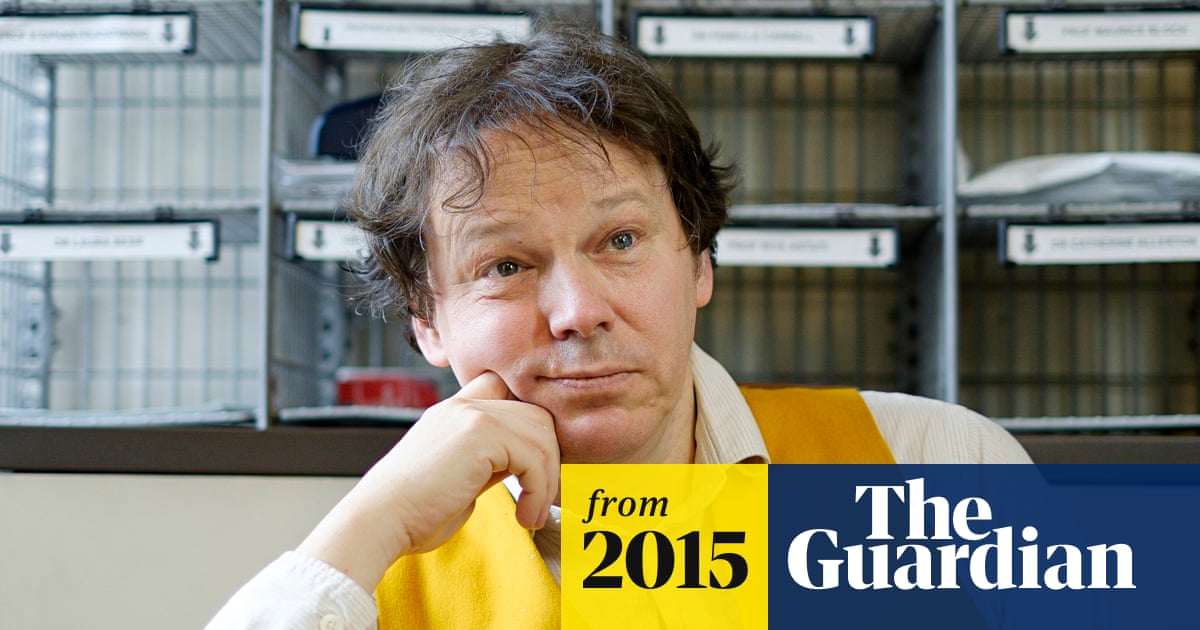
David Graeber interview: ‘So many people spend their working lives doing jobs they think are unnecessary’
The books interview: The anarchist author, coiner of the phrase ‘We are the 99%’, talks to Stuart Jeffries about ‘bullshit jobs’, our rule-bound lives and the importance of play
The Times are Urgent: Let’s Slow Down • Writings – Bayo Akomolafe
An Open Letter to CONCORD-DEEEP, CIVICUS, GCAP, Civic Society Organizations and Activists Working for a ‘Better’ World. This article is co-authored by Bayo Akomolafe and Marta Benavides. With deep gratitude for the stories of transformation now emerging across the planet, and for the renewed hope we share for a different kind of world, we greet you from our hearts.

This Dumb Industry: In Defense of Crunch - Twenty Sided
Last week I derided permacrunch – the policy of working an entire creative team 70 hours a week all the time – as “the policy of simpletons and sociopaths”. This led to some people asking, “Why is crunch even a thing?” Can’t management just plan the schedule so that the project is done on time using only 40 hour work weeks?
The Akrasia Effect: Why We Don’t Follow Through on What We Set Out to Do and What to Do About It
Plus, 3 strategies to help you start beating procrastination now.

Andrew Ho on Twitter / X
Not really observations that others before me haven’t made, but:- Despite the seemingly magical nature of LLMs, reflection over a >3 month timescale suggests my total productivity hasn’t increased by over 100%, or perhaps even by over 50%, and a lot of time is actually wasted…— Andrew Ho (@andrewho03) September 3, 2026