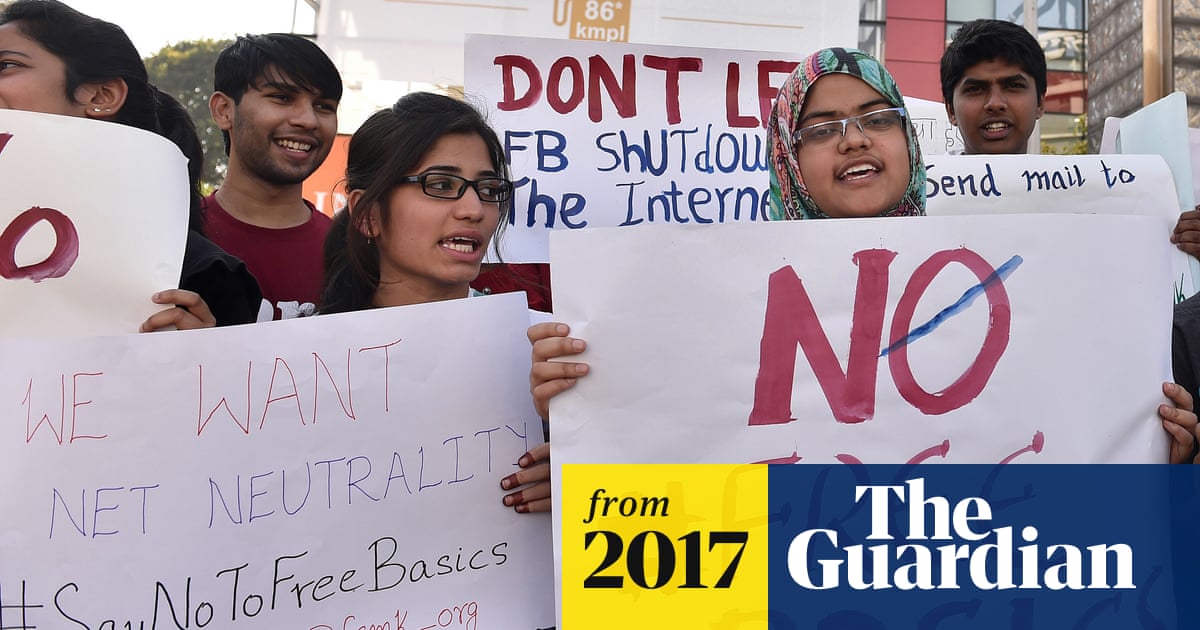
Free Basics, built for developing markets, focuses on ‘western corporate content’ and violates net neutrality principles, researchers say
Internet for the People: The Fight for Our Digital Future
"For all the informational convenience the internet offers, it is deeply flawed. How can it be improved? Writer Ben Tarnoff proposes one possibility in this intriguing book, which urges the development of 'a public lane on the information superhighway.' It's worth checking out for yourself." – Seth MacFarlane Why is the internet so broken, and what could ever possibly fix it? In Internet for the People, leading tech writer Ben Tarnoff offers an answer. The internet is broken, he argues, because it is owned by private firms and run for profit. Google annihilates your privacy and Facebook amplifies right-wing propaganda because it is profitable to do so. But the internet wasn't always like this—it had to be remade for the purposes of profit maximization, through a years-long process of privatization that turned a small research network into a powerhouse of global capitalism. Tarnoff tells the story of the privatization that made the modern internet, and which set in motion the crises that consume it today. The solution to those crises is straightforward: deprivatize the internet. Deprivatization aims at creating an internet where people, and not profit, rule. It calls for shrinking the space of the market and diminishing the power of the profit motive. It calls for abolishing the walled gardens of Google, Facebook, and the other giants that dominate our digital lives and developing publicly and cooperatively owned alternatives that encode real democratic control. To build a better internet, we need to change how it is owned and organized. Not with an eye towards making markets work better, but towards making them less dominant. Not in order to create a more competitive or more rule-bound version of privatization, but to overturn it. Otherwise, a small number of executives and investors will continue to make choices on everyone’s behalf, and these choices will remain tightly bound by the demands of the market. It's time to demand an internet by, and for, the people now.
Internet for the People: The Fight for Our Digital Future
"For all the informational convenience the internet offers, it is deeply flawed. How can it be improved? Writer Ben Tarnoff proposes one possibility in this intriguing book, which urges the development of 'a public lane on the information superhighway.' It's worth checking out for yourself." – Seth MacFarlane Why is the internet so broken, and what could ever possibly fix it? In Internet for the People, leading tech writer Ben Tarnoff offers an answer. The internet is broken, he argues, because it is owned by private firms and run for profit. Google annihilates your privacy and Facebook amplifies right-wing propaganda because it is profitable to do so. But the internet wasn't always like this—it had to be remade for the purposes of profit maximization, through a years-long process of privatization that turned a small research network into a powerhouse of global capitalism. Tarnoff tells the story of the privatization that made the modern internet, and which set in motion the crises that consume it today. The solution to those crises is straightforward: deprivatize the internet. Deprivatization aims at creating an internet where people, and not profit, rule. It calls for shrinking the space of the market and diminishing the power of the profit motive. It calls for abolishing the walled gardens of Google, Facebook, and the other giants that dominate our digital lives and developing publicly and cooperatively owned alternatives that encode real democratic control. To build a better internet, we need to change how it is owned and organized. Not with an eye towards making markets work better, but towards making them less dominant. Not in order to create a more competitive or more rule-bound version of privatization, but to overturn it. Otherwise, a small number of executives and investors will continue to make choices on everyone’s behalf, and these choices will remain tightly bound by the demands of the market. It's time to demand an internet by, and for, the people now.
Criticism of Facebook
Facebook (and parent company Meta Platforms) has been the subject of criticism and legal action since it was founded in 2004.[1] Criticisms include the outsize influence Facebook has on the lives and health of its users and employees, as well as Facebook's influence on the way media, specifically news, is reported and distributed. Notable issues include Internet privacy, such as use of a widespread "like" button on third-party websites tracking users,[2][3] possible indefinite records of user information,[4] automatic facial recognition software,[5][6] and its role in the workplace, including employer-employee account disclosure.[7] The use of Facebook can have negative psychological and physiological effects[8] that include feelings of sexual jealousy,[9][10] stress,[11][12] lack of attention,[13] and social media addiction that in some cases is comparable to drug addiction.[14][15]
Long Live the Web: A Call for Continued Open Standards and Neutrality
The Web is critical not merely to the digital revolution but to our continued prosperity—and even our liberty. Like democracy itself, it needs defending

The Internet Isn’t Facebook: How Openness Changes Everything
Openness makes the Internet harder to govern — but also makes it resilient, innovative, and difficult to capture. Let's look at how the openness of the Internet both defines it and ensures its success.

Every Country Has Its Own Internet Now
A patchwork of privacy laws, teen social media bans, and "digital sovereignty" pushes means the Internet you see depends entirely on where you're standing.

Governable Stacks against Digital Colonialism
Critics have been converging around the logic of colonialism to describe the Internet economy. If we are serious about the laden language of the colonial, we should be ready to learn from struggles against pre-digital empires and colonial regimes. Although acts of insurrection may attract more attention, one thing leaders and theorists of anticolonial resistance have stressed persistently is the centrality of self-governance in everyday life as both a means and end of their movements. But the dominant platforms for online communities are not well-suited for durable self-governing. Resistance often relies on the same colonial firms it opposes. What would community-governed technologies look like? This paper introduces the concept of “governable stacks”, a framework for self-governing as resistance to digital colonialism.
Paul Ford: Facebook Is Why We Need a Digital Protection Agency
It’s time for a digital protection agency. It’s clear ethics don’t scale, and it’s not just Facebook’s problem.

China’s scary lesson to the world: Censoring the Internet works
China is confidently promoting its vision of “Internet Sovereignty.”

How to Fix Facebook—Before It Fixes Us
An early investor explains why the social media platform’s business model is such a threat—and what to do about it.

One Response to the Cambridge Analytica Scandal: Block Facebook's
With Facebook in a dominant position in hosting a huge portion of the world’s social conversation, we’ve been worried about the incredible power the company has accumulated and the risks that poses

Real Names and Responsible Speech: The Cases of South Korea, China, and Facebook — Yale Journal of International Affairs
By David Caragliano Human psychology and market incentives make real name registration an unpalatable proposition both to netizens and to online service providers charged with implementing the policy. In time, this article argues, internet policy makers will conclude that real nam

Empowering Users, Not Overlords: Overcoming Digital Helplessness
Disclosure: I’m on the board of Bluesky, so feel free to take as many grains of salt as you want in reading it, though all of it applies equally to other decentralized social media ecosys…

Custodians of the Internet
A revealing and gripping investigation into how social media platforms police what we post online—and the large societal impact of these decisions Most use...
Trust and Faith in Our Web
I’m not Brennan, but I’m very interested in decentralization and a fan of AtProto specifically, so I’d like to weigh in. First I should mention I’ve personally never been able to get into microblogging, so I haven’t touched bluesky myself, despite having an account for ATProto reasons. But I agree it’s concerning that the company chooses to continue to host the content of harmful individuals and calling that act “neutral”. I’m certainly against the idea of the “marketplace of ideas” as it’s cle...

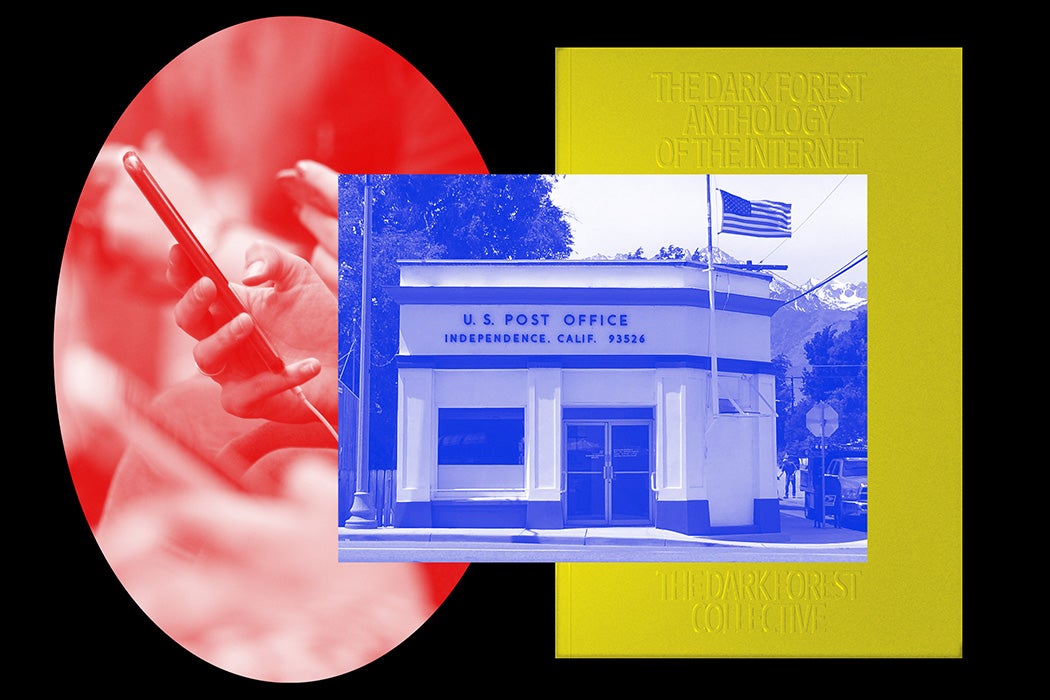
The Case for a Public Social Media Platform - JSTOR Daily
Artist and writer Joshua Citarella explores why corporate platforms corrode democracy—and what a postal-service-style digital commons could do differently.