The social network ploughs its way through the world and deals with the consequences later. In Myanmar, that strategy has had deadly consequences
Facebook Destroys Everything: Part 1 - Faine Greenwood
In Southeast Asia in the early 2010s, I watched as Facebook began to destroy Myanmar from the inside out. Here's why I'm never using Threads.

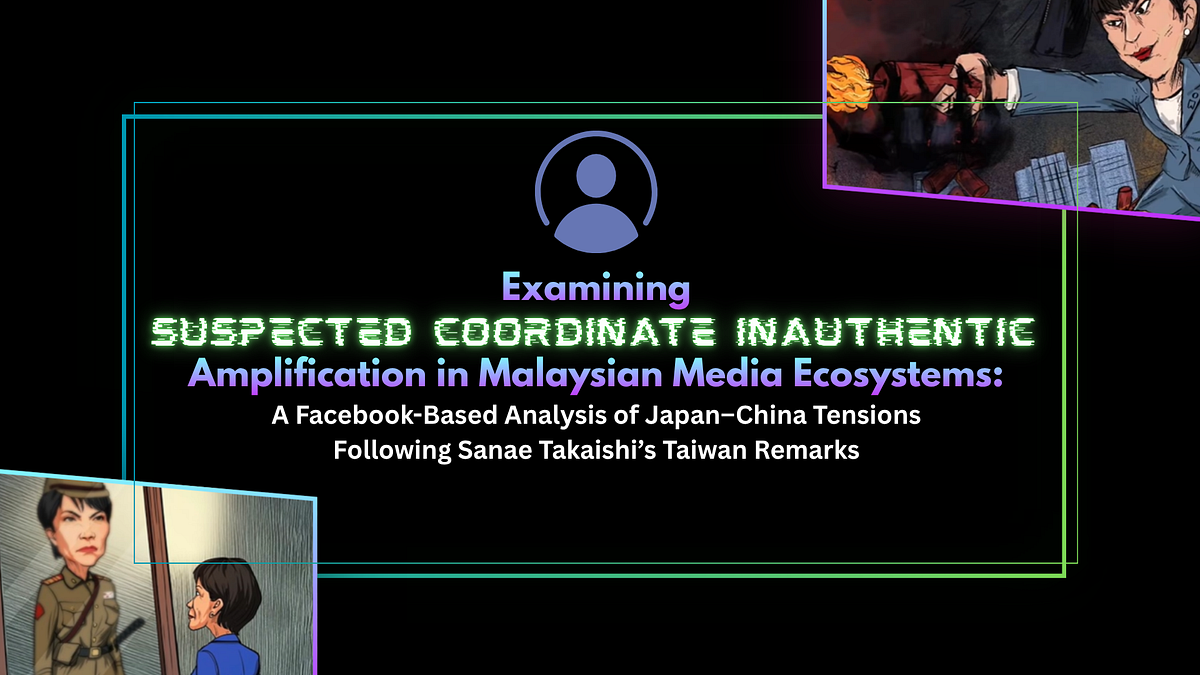
Tracking Suspicious Facebook Accounts After Takaichi’s Taiwan Remarks
Inauthentic Facebook accounts amplified anti-Japan narratives in Malaysian media after PM Takaichi’s Taiwan contingency remarks.
Facebook did little to moderate posts in the world’s most violent countries
In some of the world’s most high-profile conflict zones, the tech giant invested few resources and failed to stem a steady stream of harmful posts, according to internal documents.

Study: Social media probably can’t be fixed
The [structural] mechanism producing these problematic outcomes is really robust and hard to resolve."

How a Chinese marketing network quietly injects political narratives into Taiwanese lifestyle content
A new investigation by Reporters Without Borders (RSF) reveals how certain Facebook pages posing as lifestyle hubs for hobbies and health tips inject Beijing’s political narratives into their feeds to influence public opinion in Taiwan. These pages are tied to the China-based digital marketing company Wubianjie, which blends entertainment, disinformation and political messaging in cognitive warfare campaigns that are difficult to detect.

One Response to the Cambridge Analytica Scandal: Block Facebook's
With Facebook in a dominant position in hosting a huge portion of the world’s social conversation, we’ve been worried about the incredible power the company has accumulated and the risks that poses
Facebook Said to Create Censorship Tool to Get Back Into China (Published 2016)
The social network, blocked in China since 2009, has developed software to keep posts from appearing in users’ news feeds in specific geographic areas, current and former employees said.

Erin Kissane · Videos · XOXO
Writer/researcher Erin Kissane is working to build better and safer networks for collective survival, with efforts including the COVID Tracking Project, a powerful 40,000 word analysis of Meta’s role in the Rohingya genocide in Myanmar, and current research into the culture and governance of the next wave of social networks.

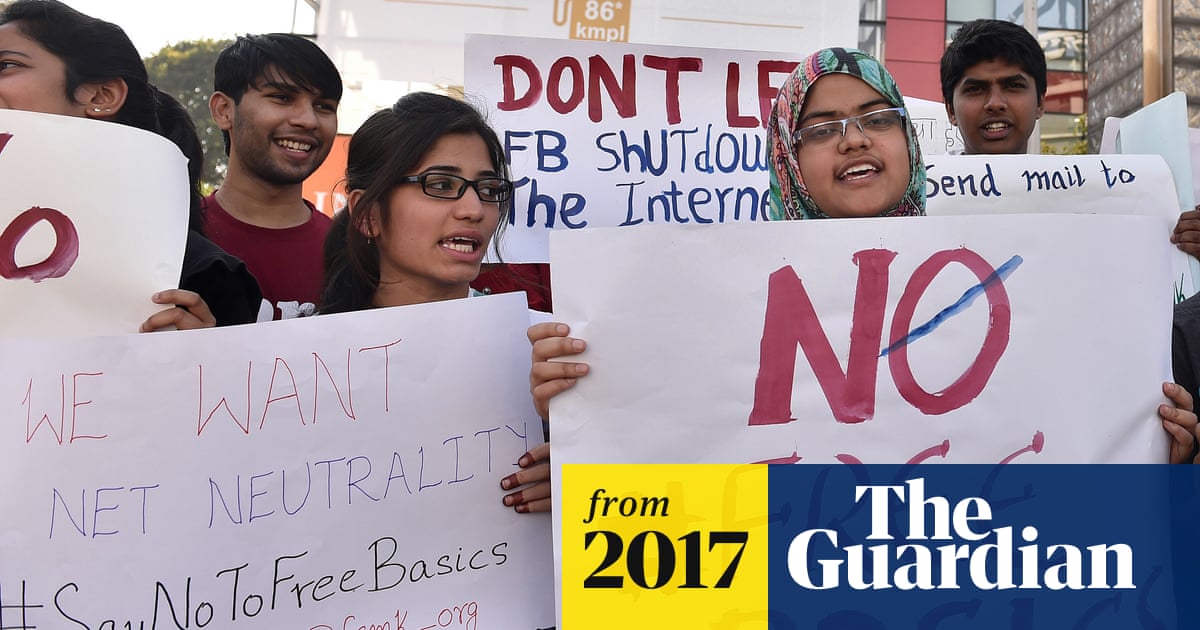
'It's digital colonialism': how Facebook's free internet service has failed its users
Free Basics, built for developing markets, focuses on ‘western corporate content’ and violates net neutrality principles, researchers say
They traveled to Thailand. They wound up cyber scam slaves in Myanmar.
A multibillion-dollar fraud industry has taken root across Southeast Asia, fueled partly by trafficking victims. In lawless zones along the Myanmar-Thai border, Chinese-run compounds force thousands to scam strangers online under threat of violence. Thailand has become a key transit hub, Reuters found.

The Internet Isn’t Facebook: How Openness Changes Everything
Openness makes the Internet harder to govern — but also makes it resilient, innovative, and difficult to capture. Let's look at how the openness of the Internet both defines it and ensures its success.

Facebook's alleged use of APIs to crush competition is a warning to other data companies
Forget Instagram and WhatsApp. The real villains in the FTC lawsuit are Facebook's abuse of data and APIs.
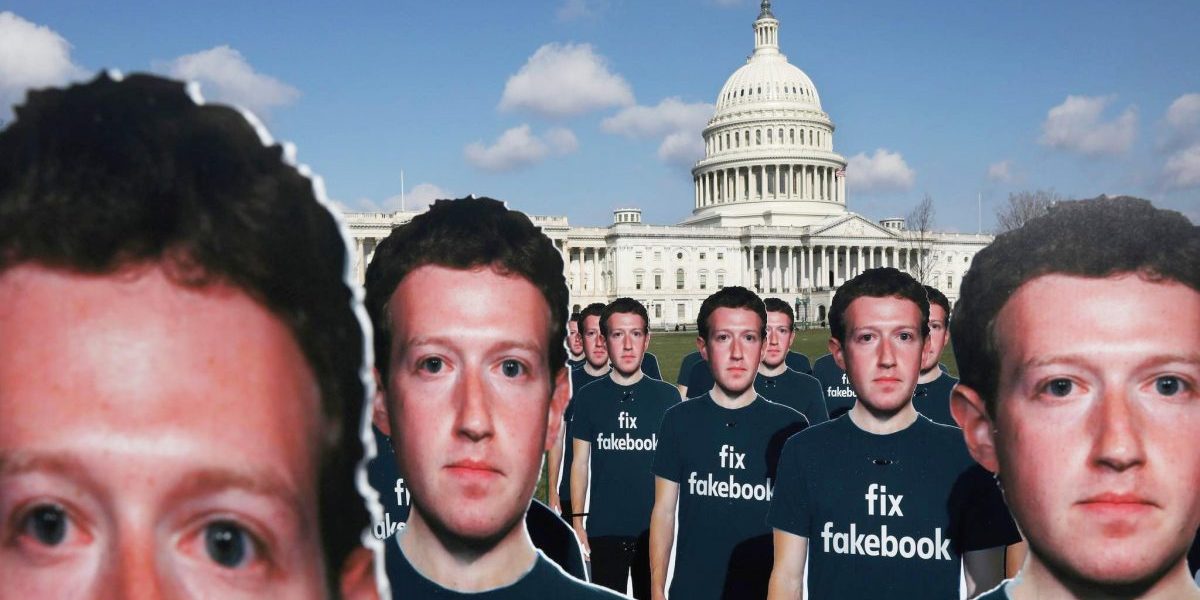
Australia’s Teen Social Media Ban Is Just Training A Generation In The Art Of The Workaround
We’ve been covering Australia’s under-16 social media ban since before it went into effect, first noting the confusion and obvious implementation problems as pretty much everyone realiz…

Facebook, YouTube and Twitter remove disinformation targeting Ukraine
Facebook parent company Meta says it has uncovered Russian efforts to undermine trust in the Ukrainian government and to hack Ukrainian military officials and journalists using social media.
Facebook’s AI Spam Isn’t the ‘Dead Internet’: It’s the Zombie Internet
Facebook is the zombie internet, where a mix of bots, humans, and accounts that were once humans but aren’t anymore interact to form a disastrous website where there is little social connection at all.

What the World Should Learn from Australia’s Social Media Law
Half a year since Australia restricted social media companies from providing accounts to kids under 16, signs of success are beginning to show.