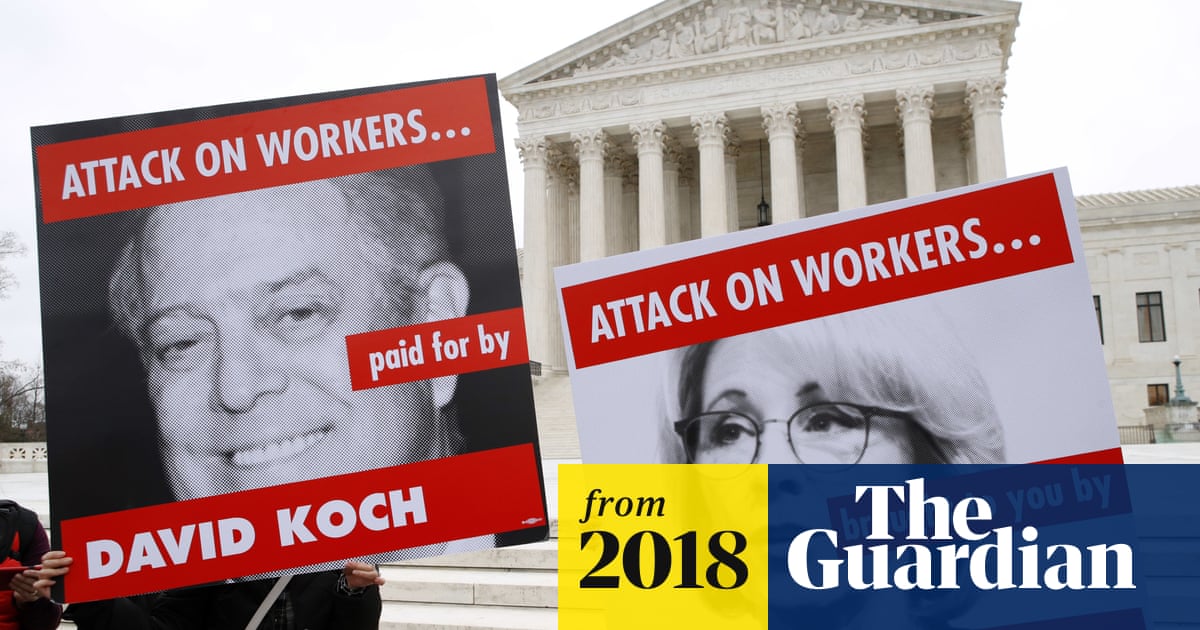
Internal documents obtained by the Guardian reveal a nationwide drive to persuade union members to quit and stop paying dues
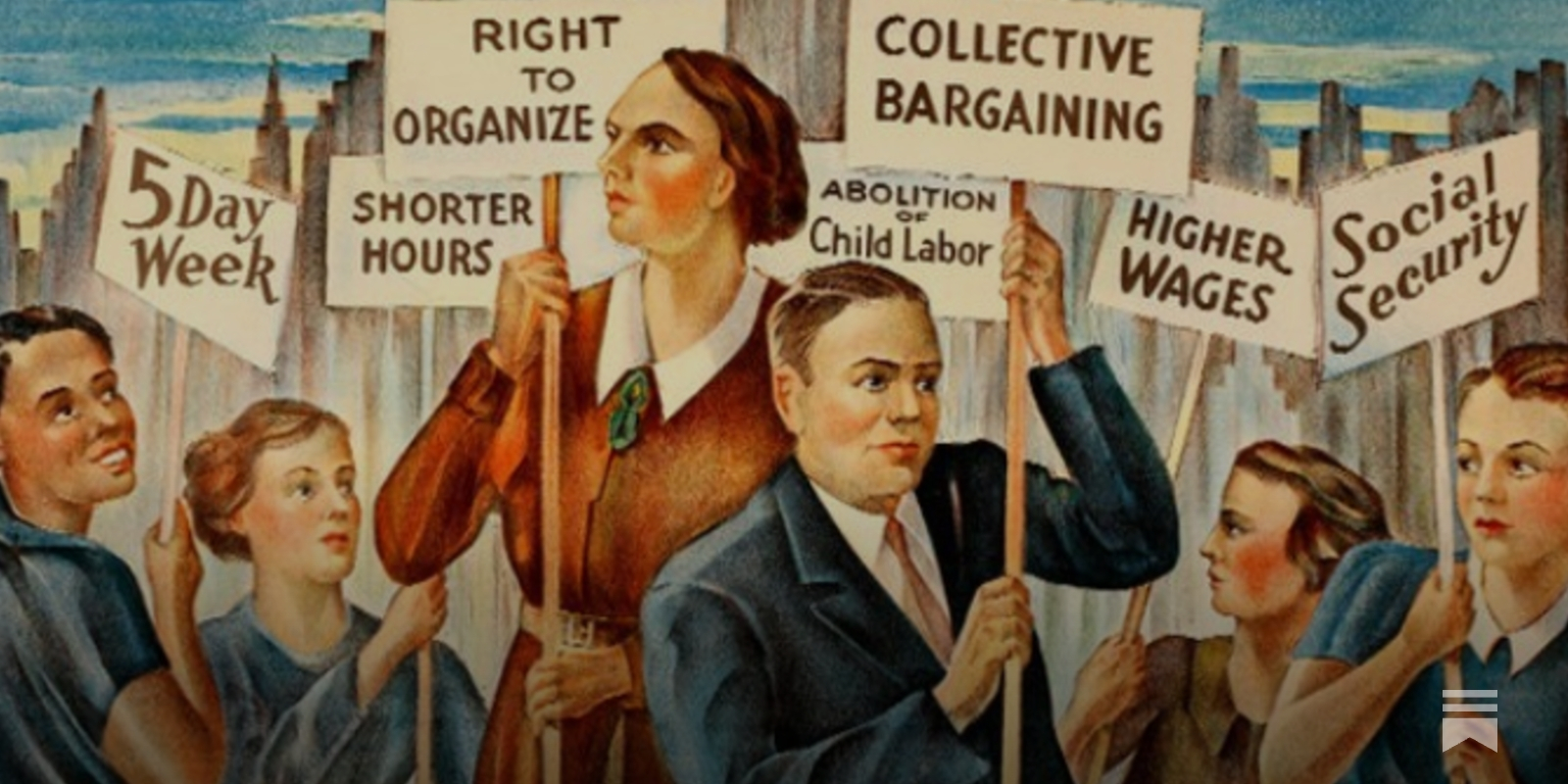
UAW Tells Other Unions to Align Contracts to Set Up Possible National General Strike in 2028
Auto workers ask other unions in other industries to collaborate with them to "take on the billionaire class."

Their Side Is Organized; We Need to Be Organized, Too
Trump and his far-right acolytes wield their power to disinvest from public services, terrorize our neighborhoods with ICE agents, and ensure that opposition to genocide becomes a fireable, and deportable, offense. In the face of these grim and terrifying developments, it could scarcely be more urgent that we learn lessons from movements and organizing traditions that confronted repression, surveillance, and powerful opposition in the (recent and distant) past. We’ve put together a reading list of key books to help inform ongoing efforts to build and sustain durable organizations, and forge effective strategies, for both short term survival and long term social transformation. What fuels and sustains activism and organizing when it feels like our worlds are collapsing? Let This Radicalize You is a practical and imaginative resource for activists and organizers building power in an era of destabilization and catastrophe. “Anyone trying to rebuild an effective U.S. labor movement needs to read Class Struggle Unionism by Joe Burns. He lays out the fundamental principles that UE has tried to uphold for the last 85 years. For a union to be worthwhile to the working class, it needs to know which side it is on and it has to recognize that the fight itself is what allows workers to gain the knowledge and power they need.”—Carl Rosen From two co-founders of the largest tenants union in the country, this deeply reported account of the resurgent tenant movement centers poor and working-class people who are fighting back, staying put, and remaking the city in the process. A collection of essays from the Stop Cop City movement on the fight for police abolition and for a liveable planet for all, with gripping reporting from activists on the ground and rousing articles from renowned radical academics. In this remarkable collaborative work, leading scholar-activists Angela Y. Davis, Gina Dent, Erica R. Meiners, and Beth E. Richie surface the often unrecognized genealogies of queer, anti-capitalist, internationalist, grassroots, and women-of-color-led feminist movements, struggles, and organizations that have helped to define abolition and feminism in the twenty-first century. This guide, based on the collective experience of organizers and workers in non-unionized workplaces, is a critical tool to help you and your coworkers organize for justice at work. Drawing from over twenty years of activism on local and national levels, this striking book offers an organizer’s perspective on the intersections of immigrant rights, racial justice, and prison abolition. At a political moment when Liberatory Harm Reduction and mutual aid are more important than ever, this book serves as an inspiration and a catalyst for radical transformation of our world. Even the River Starts Small is a collection from the movement to stop construction of the Line 3 pipeline through northern Minnesota, featuring anonymous writing, art, and photos spanning nearly a decade, and including reflections on many of the diverse experiences that made up this grassroots resistance. “Tracing revolutionary uprisings from 1989 to 2019, this book is a map of resistance and resilience in the face of tremendous odds. The case studies, as well as the introductory essay, lead us through situations where the victory of capitalism over humanity was anything but assured. And yet the book is not a wistful history about what could have been. Rather, it is a strategic assessment of near-victories to prepare us for the fire next time.” —Tithi Bhattacharya As isolated individuals, debtors have little influence. But as a bloc, we can leverage our debts and devise new tactics to challenge the corporate creditor class and help win reparative, universal public goods. Individually, our debts overwhelm us. But together, our debts can make us powerful. What does the politics of solidarity look like in practice, and how can left-wing organizations grow—in numbers and power—while remaining accountable to the broader movements of which they are a part? An oral history and critical genealogy of “accountability,” the complex abolitionist concept that pushes us to ask: just what do we mean by “community?” Environmentalism from Below takes readers inside the popular struggles for environmental liberation in the Global South. These communities—among the most vulnerable to but also least responsible for the climate crisis—have long been at the forefront of the fight to protect imperiled worlds. This volume—the Socialist Register’s first-ever reader—grapples with the question of whether political organization is a necessary part of the struggle by the working-class to overthrow capitalism. In pieces published over the course of publication’s entire history contributors, from Ralph Miliband to Jean-Paul Satre, examine various aspects of this theme. The Socialist Challenge Today presents an essential historical, theoretical, and critical perspective for understanding the potential as well as the limits of three important recent phenomena: the Sanders electoral insurgency in the United States; the Syriza experience in Greece; and Corbyn's leadership of the Labour Party in the United Kingdom. This book surveys revolutionary socialist ideas and engages a gallery of contentious political thinkers, offering an indispensable assessment of the place of revolutionary collectives in this radical tradition. A trenchant history of community organizing and a must-read for the next generation of organizers seeking to learn from the successes, failures, and contradictions of the past. In an era of stark racial injustice, Aaron Dixon dedicated his life to revolution, founding the Seattle chapter of the Black Panther Party in 1968 at age nineteen. In My People Are Rising, he traces the course of his own radicalization, and that of a generation. SNCC: The New Abolitionists influenced a generation of activists struggling for civil rights and seeking to learn from the successes and failures of those who built the fantastically influential Student Nonviolent Coordinating Committee. Detroit: I Do Mind Dying tracks the extraordinary development of the Dodge Revolutionary Union Movement and the League of Revolutionary Black Workers as they became two of the landmark political organizations of the 1960s and 1970s. It is widely heralded as one the most important books on the Black liberation movement. A landmark account of a key radical feminist organization, offering lessons for today’s women’s liberation movement. Boston Female Liberation member Nancy Rosenstock expertly weaves together the reflections of her fellow-activists, describing how they became feminists, recounting the breadth of their organizing work, and linking their achievements and experience to contemporary struggles against sexism. In this rousing and insightful participant's account, Hal Draper recounts the now iconic events of the Berkeley Free Speech Movement. From the impromptu speak out atop a police car after the administration decided to clamp down on students “distributing communist literature,” to the inspiring Student Strike that shut down the entire campus, Draper's narrative captures the energy and dynamism of each twist and turn in the struggle, and offers invaluable analysis along the way. From the dawning of the industrial epoch, wage earners have organized themselves into unions, fought bitter strikes, and gone so far as to challenge the very premises of the system by creating institutions of democratic self-management aimed at controlling production without bosses. During the first two decades of the twentieth century the ideas of revolutionary syndicalism developed into a major influence within the trade union movement. Committed to destroying capitalism through direct industrial action and revolutionary trade union struggle, the movement raised fundamental questions for activists across the world. In this thorough, concise, and accessible introduction to Lenin’s theory and practice of revolutionary politics, Paul Le Blanc gives a vibrant sense of the historical context of the socialist movement (in Russia and abroad) from which Lenin’s ideas about revolutionary organization spring. What emerges from Le Blanc’s partisan yet measured account is an image of a collaborative, ever adaptive, and dynamically engaged network of revolutionary activists who formed the core of the Bolshevik party.
How Police Unions Became Such Powerful Opponents to Reform Efforts (Published 2020)
Half a decade after a spate of officer-involved deaths inspired widespread protest, many police unions are digging in to defend members.

Automation Is Making Unions Irrelevant - Slashdot
dcblogs writes "Michigan lawmakers just approved a right-to-work law in an effort to dismantle union power, but unions are already becoming irrelevant. The problem with unions is they can't protect jobs. They can't stop a company from moving jobs overseas, closing offices, or replacing workers with...

Microsoft and Labor Unions Form 'Historic' Alliance on AI - Slashdot
Microsoft is teaming up with labor unions to create "an open dialogue" on how AI will impact workers. From a report: The software giant is forming an alliance with the American Federation of Labor and Congress of Industrial Organizations, which comprises 60 labor unions representing 12.5 million wor...

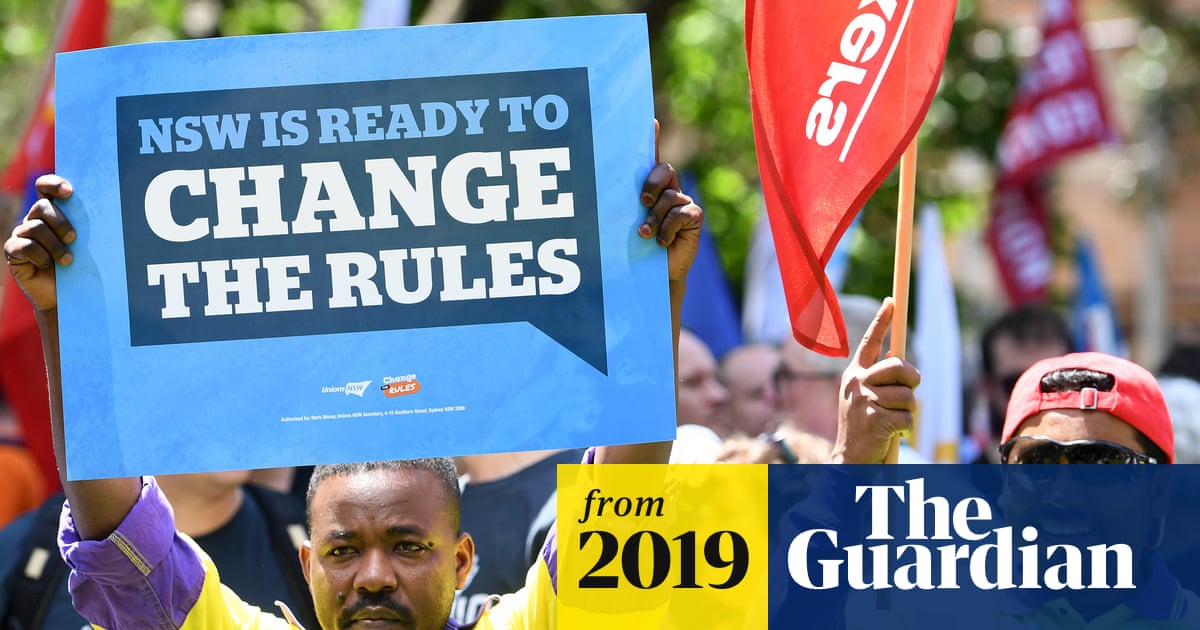
Election review finds unions had wrong slogan for right message
ACTU leadership signals at two-day conference it will continue to pursue political agenda
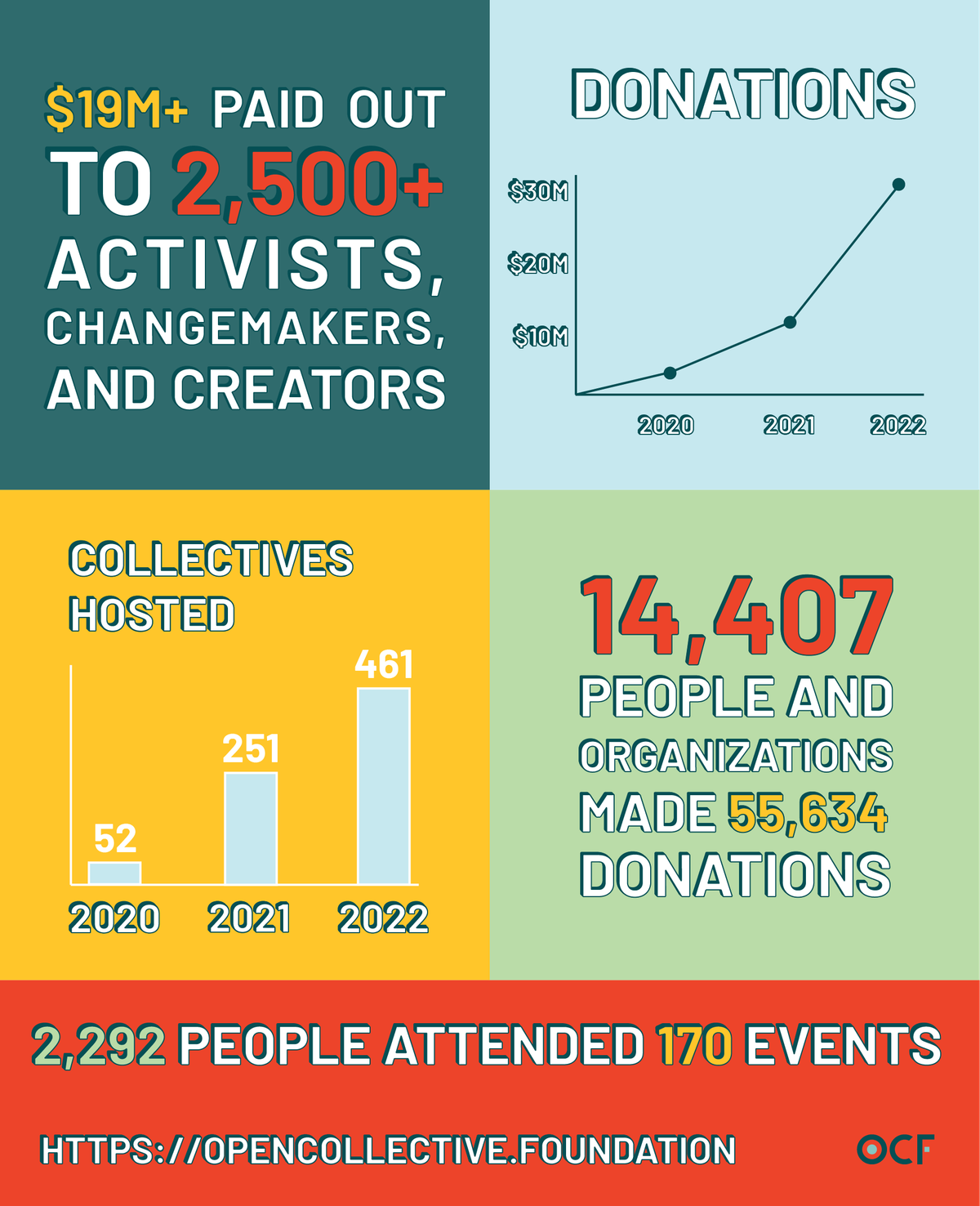
2022 in Review: Open Collective Foundation
What an incredible year 2022 was for Open Collective Foundation—an indication of the surge of energy, ideas, and resources flowing into solidarity movements. We are humbled and happy to provide a legal and financial toolbox the groups who make up these movements need to do their important and diverse
We need Solidarity | deadSimpleTech
Both me and a lot of people around me have written extensively about the issues that we face in the tech industry, both inward and outward facing. Some of us have attempted to essay potential solutions, but on the whole, I don't believe we've had a coherent strategy for fighting back against this shit as an industry. So, let me propose one: we, as an industry, need to unionise quickly, effectively and on a massive scale.

America's Labor Unions are Backing State Regulations for AI Use in Workplaces - Slashdot
"As employers and tech companies rush to deploy AI software into workplaces to improve efficiency, labor unions are stepping up work with state lawmakers across the nation to place guardrails on its use..." reports the Washington Post. "Union leaders say they must intervene to protect workers fro...

A Sex Workers Union Is Organizing Against Instagram Discrimination
The Adult Performers Actors Guild is standing up for sex workers who are tired of being banned from Instagram with no explanation.

I Worked At Palantir: The Tech Company Reshaping Reality
Internet Archive Staffers Are Unionizing
A supermajority of eligible workers at the nonprofit digital library voted in favor of joining the Communications Workers of America.

Wikipedia Workers Unionize for the First Time
More than 200 people in roles such as engineering, finance, and communications will now be represented by the Communications Workers of America.

Tech's Elite Hates Labor
I am furious. Though I try not to humour conspiracy theories, or suggest that there is any grand overture to what is usually an uncaring and cold world, but I cannot ignore what is a transparently-synchronized movement against the tech industry’s workforce.

WSJ News Exclusive | Private-Equity Giants Back New Nonprofit Promoting Employee Ownership
More than 60 groups, including banks and pension funds, have also signed on to support Ownership Works, which aims to promote broad-based stock ownership as a means of curbing income inequality.