

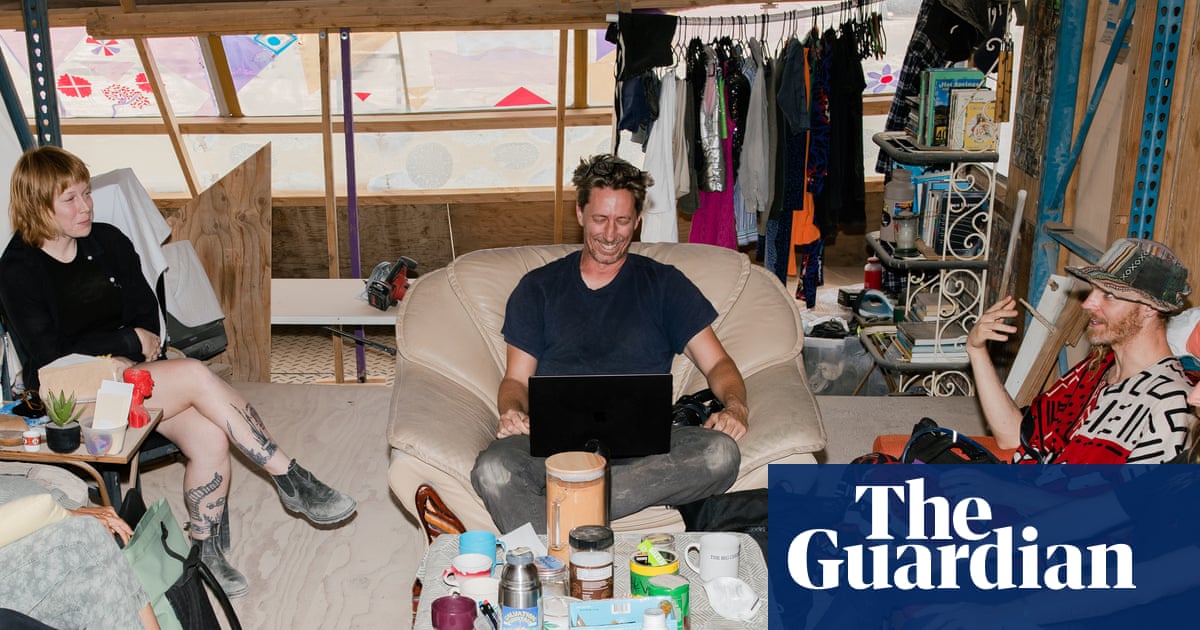
Two hundred miles from LA, an off-grid community with roots in Burning Man offers an unorthodox educational experience – is Mars College the future?
Universities on Fire: Higher Education in the Climate Crisis
Scientists agree that we are on the precipice of a global climate crisis. How will it transform colleges and universities?Winner of the Frederic W. Ness Book Award by the Association of American Colleges and UniversitiesIn 2019, intense fires in the San Francisco Bay Area closed universities and drove afflicted people to shelter at other campuses. At the same time, extraordinary fires ravaged eastern Australia. Several universities responded by promising material and research support to damaged businesses while also hosting refugees and emergency response teams in student residence halls. This was an echo of the devastation wreaked by Hurricane Katrina on Tulane University in 2005.In Universities on Fire, futurist Bryan Alexander explores higher education during an age of unfolding climate crisis. Powered by real-world examples and the latest research, Alexander assesses practical responses and strategies by surveying contemporary programs and academic climate research from around the world. He establishes a model of how academic institutions may respond and offers practical pathways forward for higher education. How will the two main purposes of education—teaching and research—change as the world heats up? Alexander positions colleges and universities in the broader social world, from town-gown relationships to connections between how campuses and civilization as a whole respond to this epochal threat.Current studies of climate change trace the likely implications across a range of domains, from agriculture to policy, urban design, technology, culture, and human psychology. However, few books have predicted or studied the effects of the climate crisis on colleges and universities. By connecting climate research to a deep, futures-informed analysis of academia, Universities on Fire explores how climate change will fundamentally reshape higher education.

Education in a Time Between Worlds: Essays on the Futur…
Our world is currently undergoing major transformations…

How to Break the Academic Silo Mindset - The Community Solution Education System
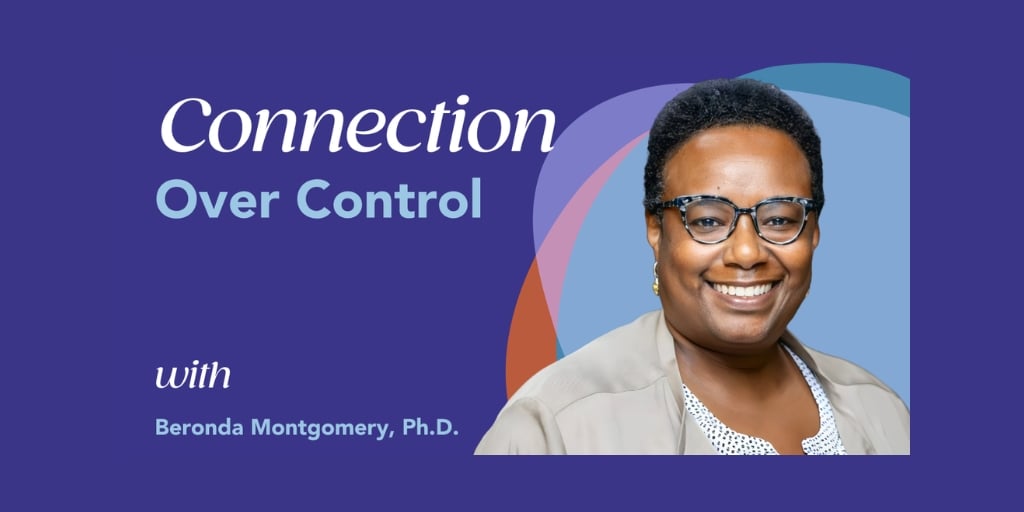
What’s stopping higher education from reaching its full potential? In this episode of Radical Cooperation, Dr. Michael Horowitz sits down with Dr. Beronda Montgomery—biologist, author of Lessons from Plants, and former Vice President for Academic Affairs and Dean at Grinnell College—to unpack why silos persist in colleges and universities, and how those divisions hold institutions […]
How to grow tomorrows
What if schools were not just sites for delivering education, but societies in miniature? Thousands of chances to cultivate a better future

Will A.I. Make College Obsolete?
During a time when American trust in institutions is at an all- time low, A.I. is poised to accelerate a growing disillusionment with higher education.

We could be building a better world with our students. Why are we disempowering them instead?
And why did our constructionism impulse die when it was most needed?
It Can Be Lonely to Have a Middle-of-the Road Opinion on the Middle East (Published 2024)
Some college students and faculty members are seeking space for nuanced perspectives on the Israel-Hamas war on deeply divided campuses.

Charlie Kirk had a message for the over 2 million unemployed Gen Z NEET men: You don’t need college to make your dreams happen
From dropout to multimillion-dollar nonprofit leader, Kirk claimed college was overrated—and many Gen Zers share his skepticism.

This big university system is embracing AI. Students and faculty aren't all on board
The California State University system offers an early look at what happens when an administration commits to a technology that its own community isn't convinced will improve education.

Alternative Universities: Speculative Design for Innovation in Higher Education
Imagining the universities of the future.How can we re-envision the university? Too many examples of what passes for educational innovation today—MOOCs especially—focus on transactions, on questions of delivery. In Alternative Universities, David J. Staley argues that modern universities suffer from a poverty of imagination about how to reinvent themselves. Anyone seeking innovation in higher education today should concentrate instead, he says, on the kind of transformational experience universities enact. In this exercise in speculative design, Staley proposes ten models of innovation in higher education that expand our ideas of the structure and scope of the university, suggesting possibilities for what its future might look like. What if the university were designed around a curriculum of seven broad cognitive skills or as a series of global gap year experiences? What if, as a condition of matriculation, students had to major in three disparate subjects? What if the university placed the pursuit of play well above the acquisition and production of knowledge? By asking bold "What if?" questions, Staley assumes that the university is always in a state of becoming and that there is not one "idea of the university" to which all institutions must aspire. This book specifically addresses those engaged in university strategy—university presidents, faculty, policy experts, legislators, foundations, and entrepreneurs—those involved in what Simon Marginson calls "university making." Pairing a critique tempered to our current moment with an explanation of how change and disruption might contribute to a new "golden age" for higher education, Alternative Universities is an audacious and essential read.

Sustainability
The sustainable University – structures, individuals and questions around institutional transformation
Reinventing Commons Governance in Modern Times | David Bollier
I gave the following remarks about commons governance on September 27 as part of the U!REKA Lab Lecture Series. U!REKA -- which stands for Urban Research and Education Knowledge Alliance -- is a consortium of eight European universities that studies urban commons. The subtitle of my talk was "Find Answers by Living the Questions."
Opinion | Silicon Valley Is Bracing for a Permanent Underclass - The …
archived 30 Apr 2026 15:40:29 UTC

MAR'S HILL MAGAZINE - TRINITY WESTERN UNIVERSITY MAGAZINE
Mars’ Hill is Trinity Western University’s student-run publication, bringing you bold stories, creative perspectives, and campus news that spark conversation. From thought-provoking articles to stunning visuals, we amplify the voices of TWU students and beyond. Explore the latest issues, share your

Taxes on High-Skill Immigration: Demand and Supply Response in the International Student-OPT-Work Visa Pipeline
ROCKWOOL Foundation
Large Language Muddle | The Editors
The AI upheaval is unique in its ability to metabolize any number of dread-inducing transformations. The university is becoming more corporate, more politically oppressive, and all but hostile to the humanities? Yes — and every student gets their own personal chatbot. The second coming of the Trump Administration has exposed the civic sclerosis of the US body politic? Time to turn the Social Security Administration over to Grok. Climate apocalypse now feels less like a distant terror than a fact of life? In three years, roughly a tenth of US energy demand will come from data centers alone.
