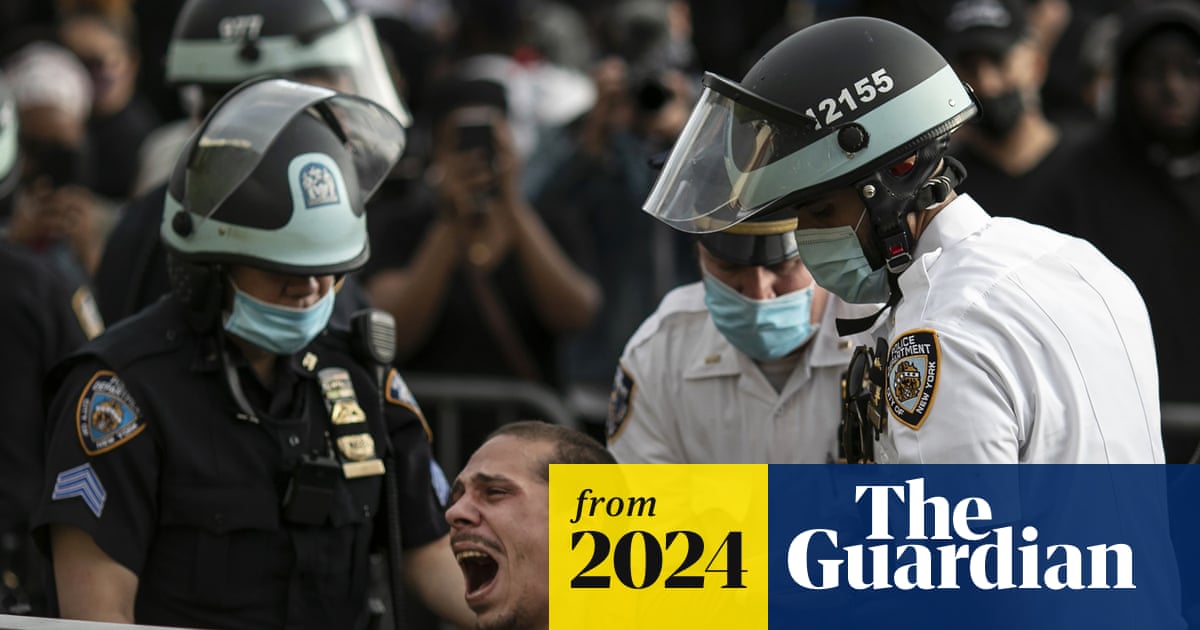
Exclusive: groundbreaking Mapping Police Violence data estimates scale of physical force and civilian injuries
The Mapping Police Violence organization just released a new data platform documenting over 1,000,000 cases of police use of force nationwide across 58% of the U.S. This is the largest public database of its kind, explore the data at https://t.co/CZMUJNhZ5S. Here’s what the
The Mapping Police Violence organization just released a new data platform documenting over 1,000,000 cases of police use of force nationwide across 58% of the U.S. This is the largest public database of its kind, explore the data at https://t.co/a2XBv1ANOv. Here’s what the data…— Samuel Sinyangwe (@samswey) August 28, 2024
The Most Violent Police Force in Europe: Police Brutality in France — The World Mind
Contributing Editor Aaron Shires explores the rise in excessive use of force by French police forces and the disparate impact this has on racial minorities in France.

How Much Do We Need The Police?
For many Americans, it goes without saying that the police help maintain public safety. But many others — especially black Americans — see the police as more of a threat than a protective force.
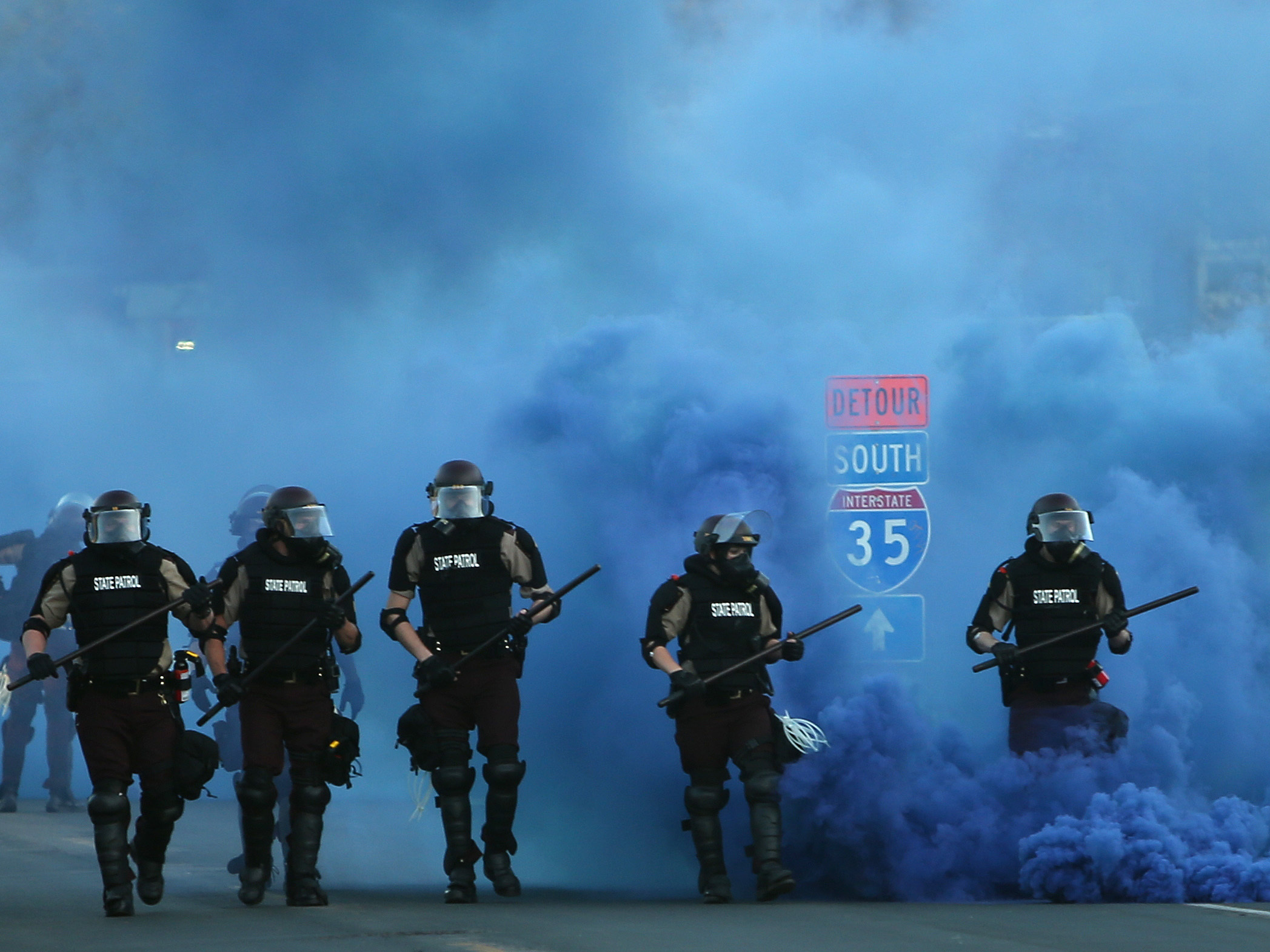
COMMENTARY: Police are not primarily crime fighters, according to the data
A new report adds to a growing line of research showing that police departments don’t solve serious or violent crimes with any regularity, and in fact, spend very little time on crime control, in contrast to popular narratives.

Police shootings are a leading cause of death for young American men, new research shows
The study's authors say police violence is a "public health issue" with profound consequences for democracy.

Police spending has ‘no consistent correlation’ with lower crime rates, new Canadian study says
“I think a lot of people simply assume that more money for the police will mean safer communities,” said co-author Akwasi Owusu-Bempah. “We’re demonstrating that that’s not the case.”
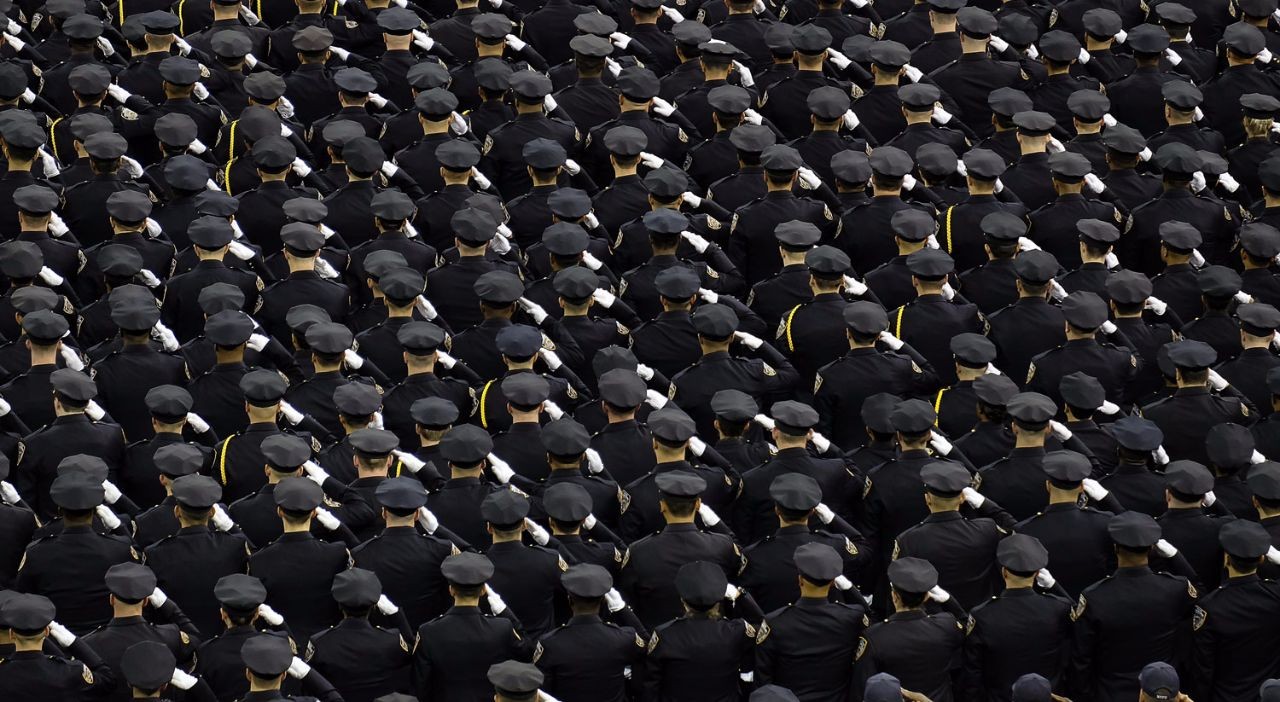
When police pull back: Neighborhood‐level effects of de‐policing on violent and property crime, a research note
Abstract Many U.S. cities witnessed both de‐policing and increased crime in 2020, yet whether the former contributed to the latter remains unclear. Indeed, much of what is known about the effects of proactive policing on crime comes from studies that evaluated highly focused interventions atypical of day‐to‐day policing, used cities as the unit of analysis, or could not rule out endogeneity. This study addresses each of these issues, thereby advancing the evidence base concerning the effects of policing on crime. Leveraging two exogenous shocks presented by the onset of the coronavirus 2019 (COVID‐19) pandemic and social unrest after the murder of George Floyd, we evaluated the effects of sudden and sustained reductions in high‐discretion policing on crime at the neighborhood level in Denver, Colorado. Multilevel models accounting for trends in prior police activity, neighborhood structure, seasonality, and population mobility revealed mixed results. On the one hand, large‐scale reductions in stops and drug‐related arrests were associated with significant increases in violent and property crimes, respectively. On the other hand, fewer disorder arrests did not affect crime. These results were not universal across neighborhoods. We discuss the implications of these findings in light of debates concerning the appropriate role of policing in the 21st century.

93% of Black Lives Matter Protests Have Been Peaceful, New Report Finds
The Armed Conflict Location & Event Data Project analyzed more than 7,750 BLM demonstrations in all 50 states and D.C.
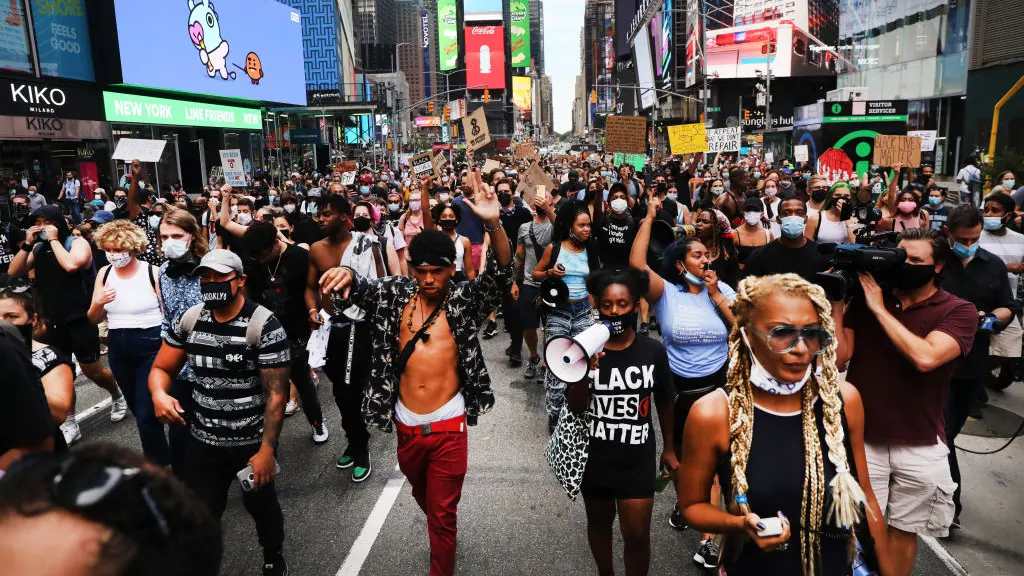
Anatomy of a counter-insurgency - MR Online
The defanging of the George Floyd Uprising was not accidental but was rather a deliberate attempt on the part of the American ruling class to regain social control in the wake of the largest and most militant protests in recent memory. This article examines the dimensions of how this defanging took place: how, within the space of two weeks, we went from burning down a police station to making small budgetary demands.
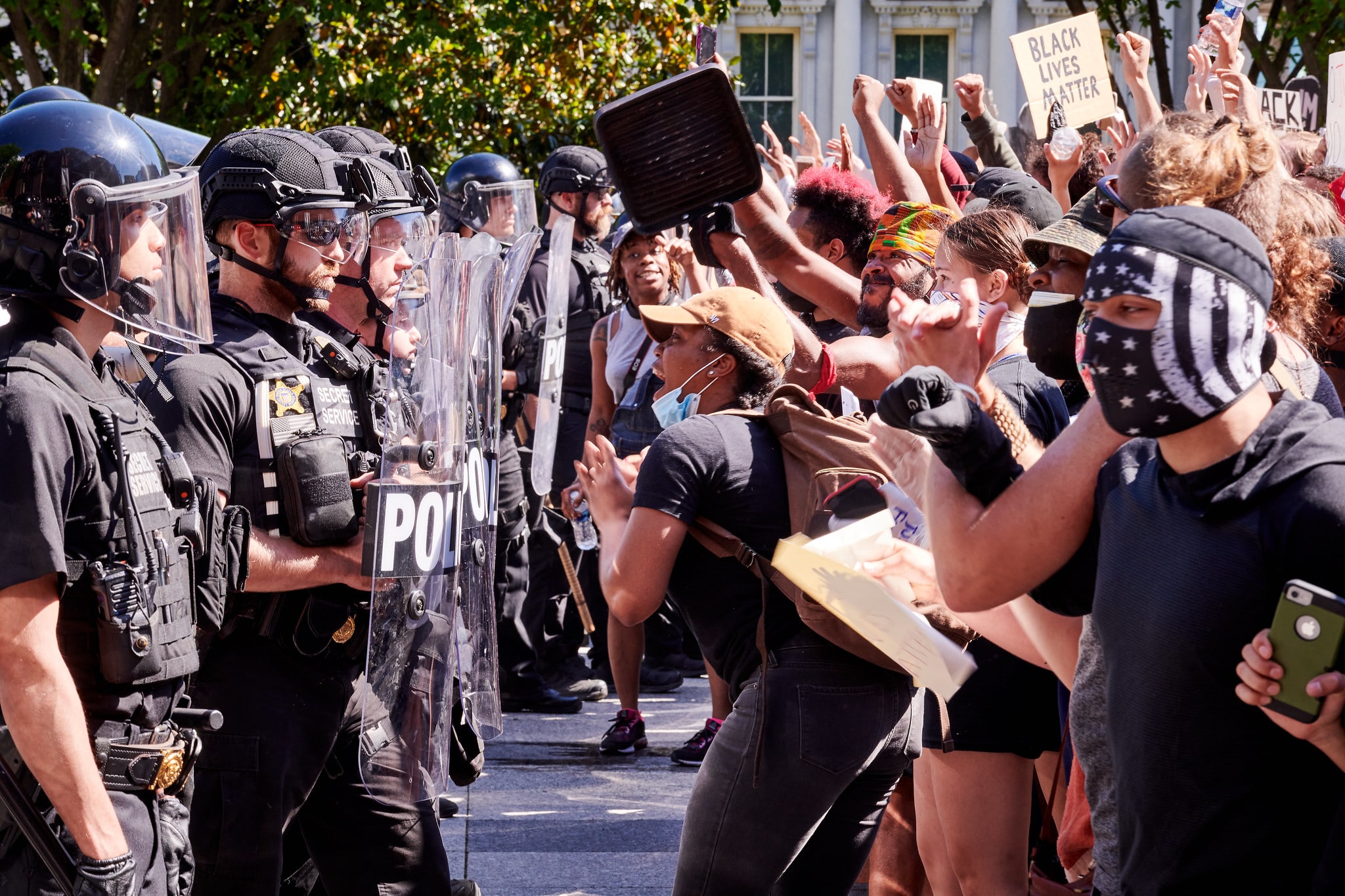
I was a police misconduct investigator. I've served as a legal observer at many protests. I want people to understand that police are usually the ones who turn peaceful protests violent. Indeed, violence is baked into how police try to control peaceful protests.
I was a police misconduct investigator. I've served as a legal observer at many protests. I want people to understand that police are usually the ones who turn peaceful protests violent. Indeed, violence is baked into how police try to control peaceful protests.— john teufel (@JohnTeufelNYC) November 16, 2023
Biddeford shooting renews questions about ICE tactics, training
A review of previous Maine cases show how investigations into use of force often lean heavily on officers’ perception of potential harm.
Police Abolition | The Paper Pilot
The Paper Pilot's digital garden of thoughts on philosophy, politics, and sociology
The Matrix - The Center for Evidence-Based Crime Policy (CEBCP)
The Evidence-Based Policing Matrix What strategies can be effective in reducing crime and disorder in policing? The Evidence-Based Policing Matrix is a research-to-practice translation tool that collects, summarizes, and organizes moderate to very rigorous evaluations of police interventions, allowing agencies and researchers to view the field of research in this area. The Matrix includes studies…
How Baltimore Achieved Historically Low Homicides—With Less Police – Emerald Book
◆ Emerald Pages ◆ public safety / urban policy How Baltimore Achieved Historically Low Homicides—With Less Police Emerald Book Publication August 4, 2026 Updated: August 6, 2026 9 min read Baltimore has engineered a 68% drop in homicides since 2019, outpacing the national average—all while operating with 400 fewer officers. Here's how the city debunked