

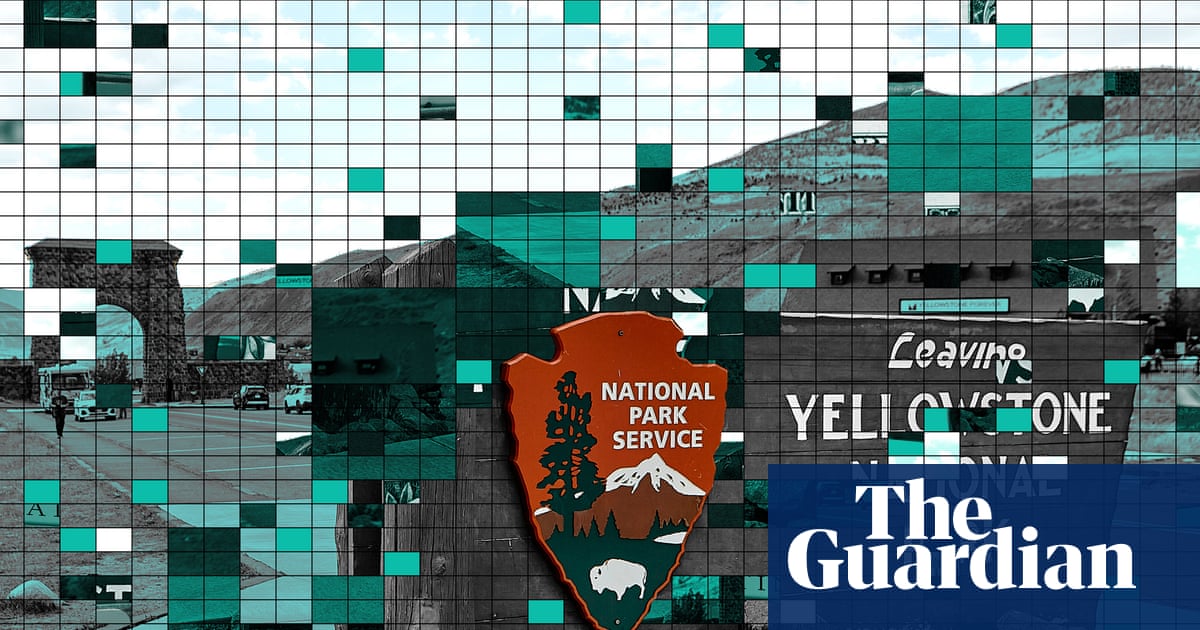
Critics say the Trump administration is trying to rewrite and whitewash history by removing and altering scores of signs on public lands
Meet the army of amateur archivists racing to save US history in national parks
Save Our Signs aims to document every sign in the more than 400 national parks and historic sites across the country before the Trump administration removes them
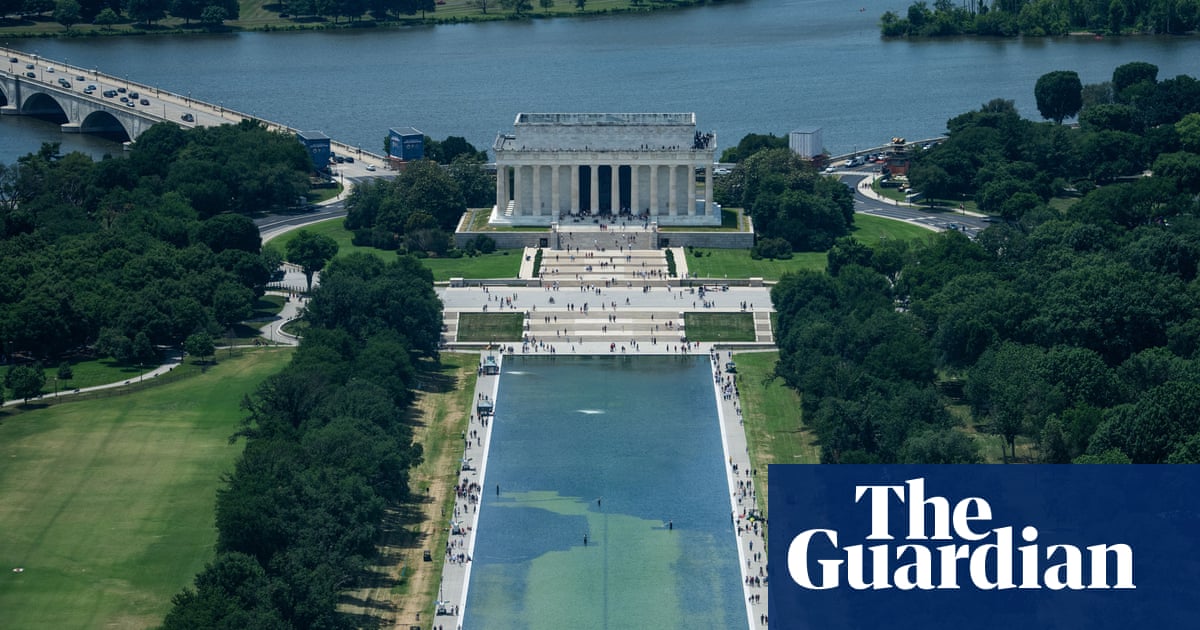
Trump acknowledges ‘real problems’ at reflecting pool after $14m makeover, blaming ‘vandalism’
US president also claims vandals have been arrested, as Washington attraction sees algae bloom and peeling paint

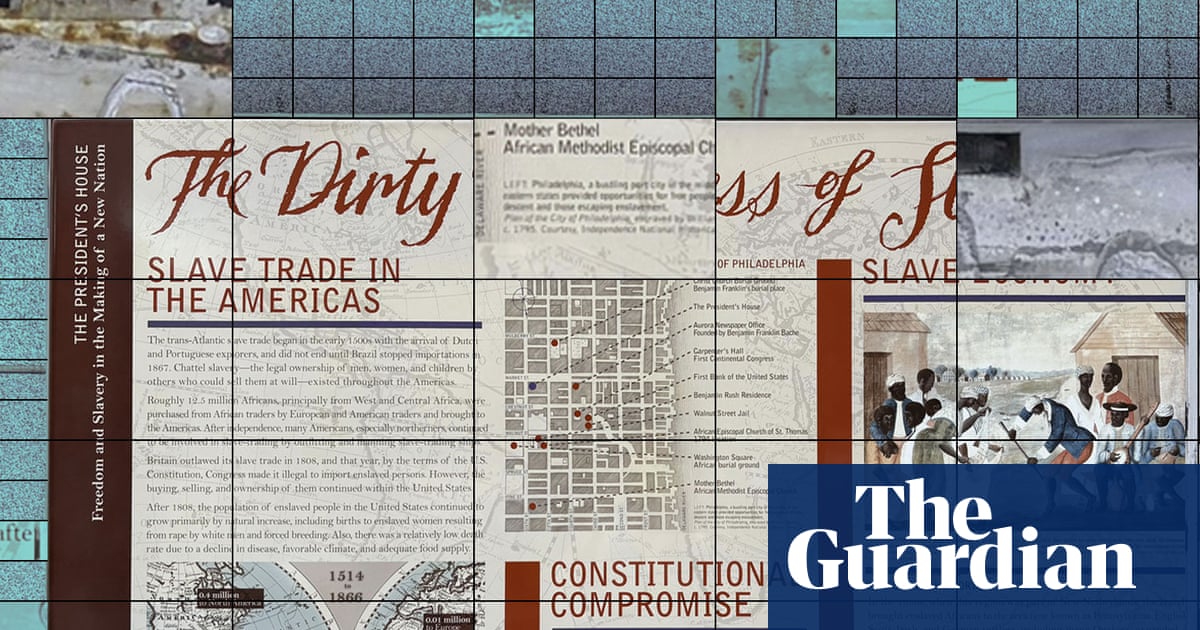
Court Orders Slavery Exhibit At George Washington’s House Restored After Trump Admin Pulled It Down
The Trump administration’s project for erasing the parts of American history they find inconvenient continues unabated. But that doesn’t mean it doesn’t hit the occasional roadblo…

Regime Change: Inside the Imperial Presidency of Donald Trump
INSTANT #1 NEW YORK TIMES BESTSELLER “Regime Change is exceptional. It transcends its genre...the book is packed with news that will stay news...This is reporting of consequence.” —David Remnick, The New Yorker “A flabbergasting feat of political reporting.” —Tina Brown “Riveting and richly textured...What the authors add is the vivid detail that makes these events feel actual. They wrest reality itself back from the distorted world of entertainment, illusion, fantasy, and denial that Trump has generated around himself. It is this flood of provocation, atrocity, self-dealing, and fabrication that makes Haberman and Swan’s counternarrative so vital.” —Fintan O’Toole, The New York Times A riveting, intimate, and revelatory account of the most radical and consequential presidency of our time.From the two reporters who have covered him more closely than perhaps anyone else over the past decade comes this definitive portrait of Donald Trump in the White House. Regime Change covers the first year of Trump’s second presidency—a term liberated from every constraint that defined his first. The generals who once told him “no” are gone, and the lawyers who remain have learned to pick their battles. His administration has flouted court orders and he has claimed powers that Congress once checked. What remains is a President willing to take enormous risks that have upended global markets and toppled heads of state; an imperial President operating almost entirely on instinct alone. Based on hundreds of interviews and unprecedented reporting from deep within the administration’s most closely guarded rooms, Regime Change takes the reader inside the Situation Room and into the secret Oval Office deliberations that have launched a new war in the Middle East and seen Trump seal the border, surge National Guard troops into cities, and send immigration agents into deadly clashes with protestors. Maggie Haberman and Jonathan Swan bring us behind the scenes of a presidency that has transformed the culture, turned the Justice Department into an agent of retribution against the President’s enemies and the office itself into a brazen vehicle for profit. They reveal a second term propelled by a historical irony that Trump himself has come to understand: that the indictments, the convictions, the assassination attempts, and four years of exile made him not weaker but far more powerful, more vengeful, and more willing to gamble than any President in modern history. This is the story of how Trump has used that power, who has tried to stop him, and why nearly all of them have failed. It is also the story of something American journalists are more accustomed to chronicling in distant capitals than in their own: a President who has fundamentally altered the nature of the office he holds—and, with it, how the rest of the world understands American power. It is an account of Regime Change right here in America—a landmark real-time history of a modern presidency like no other.
Trump has been dismantling post-9/11 counterterrorism protections, Senate report says
Democratic senators are accusing the White House of weakening U.S. defenses that were developed and refined in the 25 years since the 9/11 attacks.

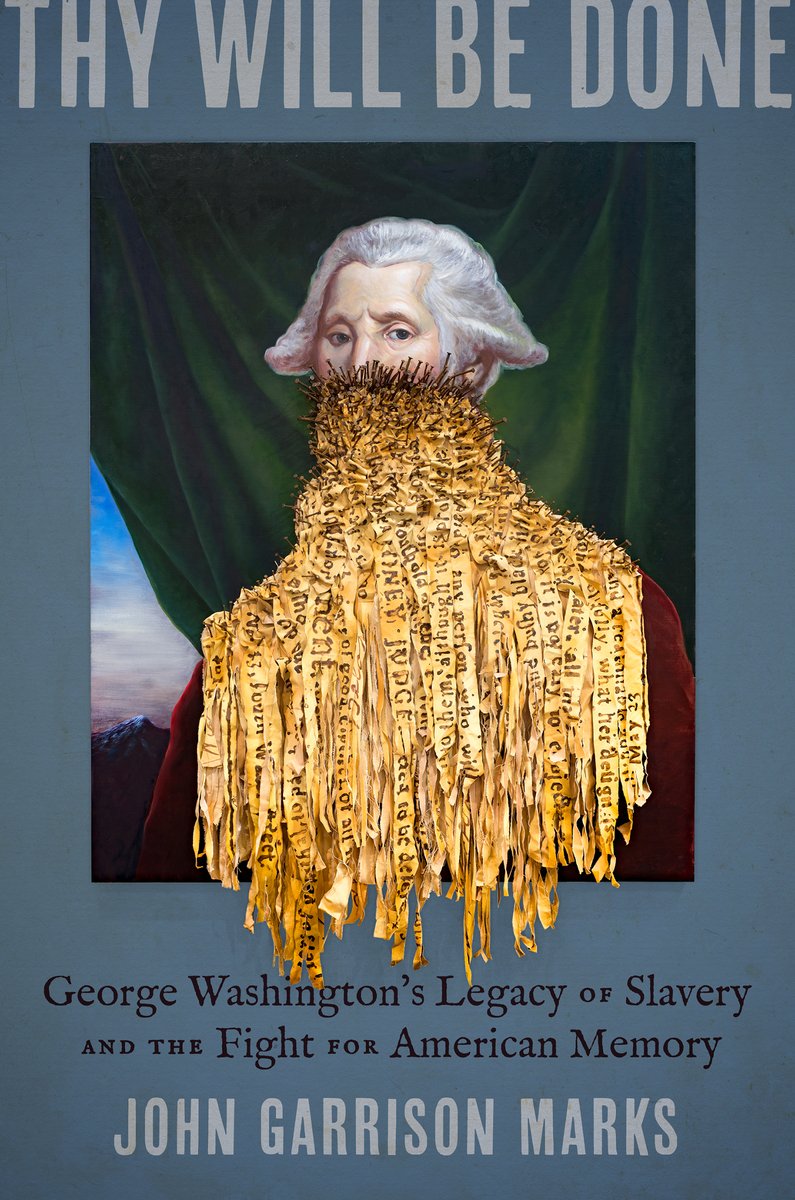
Thy Will Be Done: George Washington's Legacy of Slavery and the Fight for American Memory
George Washington's Legacy of Slavery and the Fight for American Memory
Opinion | Where Trump Is Vulnerable and How to Act on It
People and institutions of civil society must coordinate against him.

Reflecting Pool peeling probably caused by application flaws, experts say
President Donald Trump has blamed vandals, but a Washington Post analysis finds that the peeling tracks closely with stages of the renovation process.

Somebody Blew up Oakland: Dispossession as a Praxis of Racial Ordering
Author(s): Jones, Stephanie Delise | Advisor(s): Hironaka, Ann; Sojoyner, Damien | Abstract: In this dissertation, I investigate the relationship between underdevelopment and Black geographies. I then explore the consequences of this relationship on the city of Oakland. From 2019 to 2021, I conducted 68 in-depth field interviews of Black Oakland residents who detailed the processes and mechanisms by which California housing policy contributed to the displacement of Black subjects. Building on the work of scholars of Black geographies, I have interrogated the myth of development and the relationship to the dispossession of Black geographies. I theorize how racial capitalism produces vulnerable populations through housing in urban areas. The empirical contribution of my research is to provide a framework for Black geographies as people are being displaced. The theoretical contribution is to provide a conceptualization for Black geographies existing through abjections and placelessness as understood through residents of Oakland.I argue that the relationship between dispossession and refusal creates a distinct politic. In chapter two, I theorize the work of Moms for Housing to further understand Black knowledges of resistance to dispossession. Moms for Housing is used as a case study to highlight the many theoretical implications of dispossession occurring in Oakland. In chapter 3, I use two interviews from developers to demonstrate the contradictions in what I call the mythology of development. In chapter 4, I walk through the geographic stories of 2nd and 3rd generation Oakland residents and demonstrate each of the ways they feel locked out of the city as a result of the urban changes. In chapter 5, I demonstrate how communities resist dispossession and disposability. The city of Oakland lacks proactive implementation of equitable housing policy. The lack of action by the city of Oakland puts the onus on everyday residents to organize against their landlords, employers and the state.

The Trump administration’s global campaign against ‘radical left terrorism’ is built on a national security memo without congressional approval
Almost a year after President Trump authorized preemptive law enforcement measures based on political or ideological beliefs, a wave of terrorism prosecutions against left-wing protesters has begun.
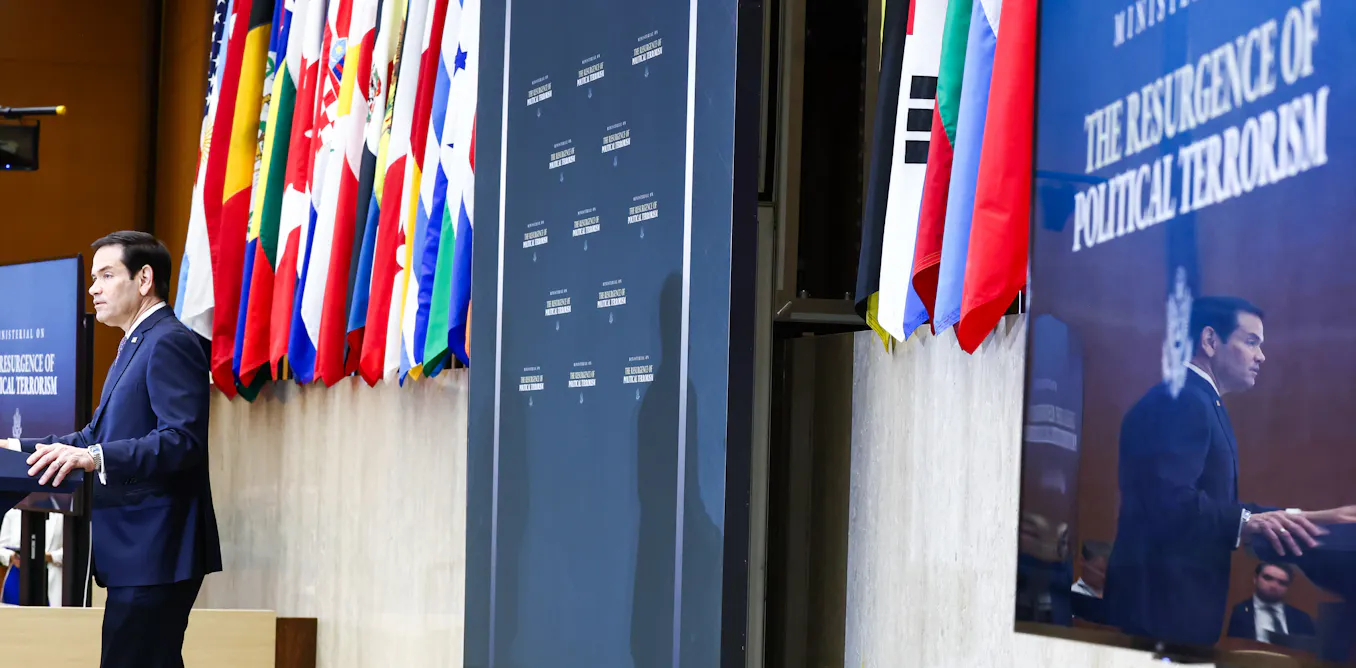
The Trump administration’s global campaign against ‘radical left terrorism’ is built on a national security memo without congressional approval
Almost a year after President Trump authorized preemptive law enforcement measures based on political or ideological beliefs, a wave of terrorism prosecutions against left-wing protesters has begun.
Peters Report Finds Trump Administration Has Dismantled Critical Counterterrorism Infrastructure and Weaponized What Remains Against Political Opponents, Leaving Americans Vulnerable to Terror Threats - Committee on Homeland Security & Governmental Affairs
Senator Gary Peters released a new report detailing how the Trump Administration has systematically dismantled key elements of the nation’s post-9/11 counterterrorism infrastructure, diverting personnel and resources away from preventing terrorist attacks, and increasingly weaponizing other counterterrorism authorities for political purposes.
Trump questioned perception of Portland before approving military plan: 'Am I watching things on television that are different from what's happening?'
President Trump had said he will send troops to Portland to protect U.S. Immigration and Customs Enforcement facilities, which he said were "under attack."
Last year, the Trump administration launched a sweeping campaign to censor American history and science in the National Park Service. A crowdsourced project aims to document every sign in the more than 400 national parks and historic sites across the country before the government removes them 🧵
